
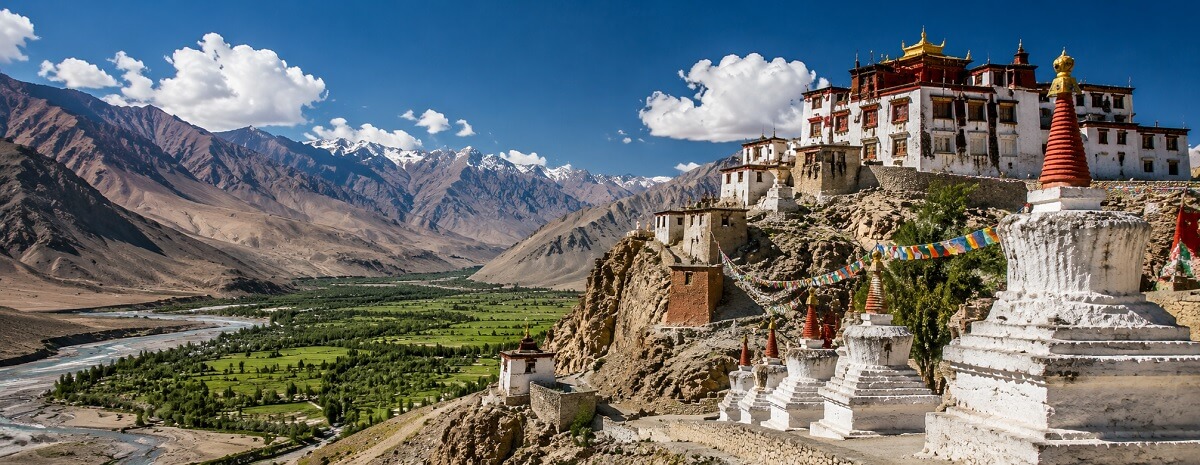
Tourist Attractions in Ladakh
Explore the Best Places to Visit in Ladakh
The best tourist attractions in Ladakh range from the historic streets of Leh to high-altitude lakes, remote valleys, Buddhist monasteries, desert landscapes, mountain passes and wildlife regions. Pangong Lake and Nubra Valley may be the best-known names, but Ladakh rewards travellers who also explore its quieter villages and cultural sites.
A successful Ladakh itinerary should be organised by region rather than by a long checklist. Distances are considerable, roads cross high passes and the altitude requires a slow beginning. Travellers arriving in Leh must spend at least 48 hours acclimatizing before visiting higher attractions such as Khardung La, Nubra Valley and Pangong Lake.
Leh Is the Main Starting Point
Most journeys begin in Leh, where visitors can explore the palace, old town, Shanti Stupa, markets, museums and nearby monasteries while adjusting to the altitude.
Nubra and Pangong Form the Classic Circuit
A first-time itinerary commonly links Leh with Nubra Valley and Pangong Lake. This route includes Khardung La, Diskit, Hunder and the dramatic Changthang landscape.
Western Ladakh Is Rich in Heritage
Alchi, Likir, Lamayuru, Basgo and the Sham Valley route offer historic monasteries, villages, rivers and moonlike mountain formations.
Kargil and Zanskar Need More Time
Kargil, Suru Valley, Rangdum, Padum and Phugtal Monastery are best included in a longer trip. They provide a very different view of Ladakh’s history, culture and mountain geography.
Travel by Region, Not by Number of Attractions
Combining nearby places reduces unnecessary driving and creates more time for walking, photography, local interaction and rest.
Top Ladakh Attractions at a Glance
Leh
Palace, old town, markets, museums and acclimatization sightseeing.
Nubra Valley
Sand dunes, monasteries, villages and Bactrian camels.
Pangong Lake
Blue water, stark mountains and a classic Changthang journey.
Zanskar
Monasteries, high valleys, trekking and dramatic wilderness.
Best Tourist Attractions in Leh
Leh Palace
Explore the former royal palace and enjoy views over Leh, the old town and surrounding mountains.
Shanti Stupa
Visit for Buddhist symbolism and panoramic sunrise or sunset views, provided you feel acclimatized.
Leh Old Town
Walk through historic lanes, traditional houses, small shrines and the former trading quarter.
Leh Market
Browse cafés, local products, travel services and everyday city life at a relaxed pace.
Tsemo Hill
See Namgyal Tsemo Monastery and elevated views above the old town.
Central Asian Museum
Learn about Leh’s connections with historic trade routes across Central Asia and Tibet.
Tourist Attractions in Nubra Valley
Diskit Monastery
Visit Nubra’s best-known monastery and the large Maitreya Buddha overlooking the valley.
Hunder Sand Dunes
Experience a cold-desert landscape surrounded by mountains and river valleys.
Bactrian Camels
See the double-humped camels associated with the old Central Asian trade routes.
Sumur and Samstanling
Explore quieter village scenery and Samstanling Monastery in the northern valley.
Panamik and Yarab Tso
Combine hot-spring landscapes with a small sacred lake and village scenery.
Turtuk
Discover Balti culture, orchards, stone houses and a distinct landscape near the border region.
Pangong Lake
Pangong Lake is one of Ladakh’s signature destinations. The long, narrow high-altitude lake is known for blue water, changing light and stark mountain surroundings. Much of the lake extends beyond India, giving the landscape a strong border-region character.
The journey normally crosses Chang La and should be attempted only after the required acclimatization. Accommodation near the lake is seasonal and nights can be cold even in summer.
- Carry warm layers and sun protection.
- Do not enter fragile wetlands or disturb birdlife.
- Avoid leaving plastic or food waste.
- Keep expectations flexible during high winds or changing weather.
- Respect military and photography restrictions.
One Night After Acclimatization
An overnight stay gives better morning and evening light, but travellers sensitive to altitude may prefer returning after a daytime visit.
Tso Moriri and Korzok
Tso Moriri lies on the high Changthang plateau and offers a quieter alternative to Pangong. The lake is surrounded by open mountains, wetlands and pastoral landscapes associated with Changpa communities.
Korzok village and monastery provide the principal visitor base. The route is remote, services are limited and the area works best in an itinerary of 10 days or more.
Why Visit Tso Moriri?
- Quieter than Pangong
- Wetland and birdlife interest
- Korzok village and monastery
- Changthang plateau scenery
- Excellent landscape photography
Sham Valley and Lamayuru Attractions
Alchi Monastery
See important early Buddhist paintings and a monastery complex built on flat ground beside the Indus.
Likir Monastery
Visit the monastery, museum and large outdoor Maitreya image.
Lamayuru
Combine the ancient monastery with the eroded formations known as Moonland.
Basgo
Explore fortress ruins, temples and dramatic earth-toned hills above the village.
Sangam
See the meeting point of the Indus and Zanskar rivers from the roadside viewpoint.
Magnetic Hill and Gurudwara Pathar Sahib
Include two popular roadside stops while travelling west from Leh.
Best Monasteries to Visit in Ladakh
Hemis Monastery
Ladakh’s largest and wealthiest monastery, known for religious art and the Hemis Festival.
Thiksey Monastery
A major hilltop complex overlooking the Indus Valley and housing a large Maitreya statue.
Alchi Monastery
One of Ladakh’s most important historic art sites, noted for early wall paintings.
Lamayuru Monastery
A dramatic western Ladakh monastery above a village and moonlike landscape.
Spituk and Phyang
Two accessible monasteries near Leh with distinctive collections, festivals and valley views.
Stakna Monastery
A small hilltop monastery with a striking setting above the Indus River.
Hanle and Changthang Attractions
Hanle is known for remote landscapes, clear skies, its monastery and astronomy facilities. It forms part of a longer eastern Ladakh journey through the Changthang plateau.
The region has limited accommodation, fuel and mobile connectivity. Routes may involve border-area rules, so permits and current access conditions must be confirmed before departure.
- Hanle Monastery
- Dark-sky and astronomy experiences
- Remote Changthang villages
- Open plateau and wildlife landscapes
- Optional extension toward Umling La when officially accessible
Who Should Include Hanle?
Travellers with 10 or more days who enjoy remote landscapes, stargazing and slower routes rather than only famous highlights.
Hemis National Park
Hemis National Park protects a large high-altitude wilderness south of the Indus Valley. It is associated with snow leopards, blue sheep and other Himalayan wildlife, although sightings are never guaranteed.
Summer and autumn are suitable for trekking and landscape exploration, while winter snow-leopard journeys require specialist guides, cold-weather preparation and realistic expectations.
Wildlife Travel Rules
- Use trained local guides.
- Keep distance from animals.
- Never chase wildlife for photographs.
- Avoid loud noise and litter.
- Follow protected-area regulations.
Kargil and Suru Valley Attractions
Kargil Town
Use Kargil as a base between Srinagar, Leh, Suru Valley and Zanskar.
Drass
Visit a high mountain town on the Srinagar–Leh route and explore nearby historic landscapes.
Suru Valley
See green settlements, river scenery and views toward the Nun–Kun mountain massif.
Panikhar
A scenic Suru Valley stop and useful base for mountain views and local excursions.
Parkachik Glacier
See a glacier landscape and use the area as a base for trekking and mountaineering routes.
Rangdum
Visit an isolated valley and hilltop monastery on the route toward Zanskar.
Tourist Attractions in Zanskar
Padum
The principal base for exploring Zanskar’s monasteries, villages and trekking routes.
Phugtal Monastery
A dramatic cave monastery built into a cliff above the Lungnak River.
Karsha Monastery
One of Zanskar’s largest monastic complexes, overlooking the Padum plain.
Zangla
Explore palace ruins, village landscapes and the northern side of the Zanskar valley.
Rangdum
A remote monastic settlement and scenic transition between Suru Valley and Zanskar.
Zanskar River
Experience dramatic gorges, seasonal rafting and specialist winter routes.
Suggested Ladakh Attraction Routes
Leh, Nubra and Pangong
Best for first-time visitors with limited time, including two acclimatization days.
Classic Ladakh with Tso Moriri
Add Sham Valley or Tso Moriri to Leh, Nubra and Pangong.
Leh, Kargil and Zanskar
Include western Ladakh, Suru Valley or Zanskar with realistic road days.
Best Time to Visit Ladakh Attractions
May to June
Good for Leh, monasteries and early-season landscapes. Some distant routes may still face snow limitations.
July to September
Best overall period for the widest access to Nubra, Pangong, Tso Moriri, Hanle and Zanskar.
October to April
Cold and reduced services limit remote sightseeing, though Leh and selected winter experiences remain possible.
Acclimatize Before Visiting Remote Attractions
Leh itself is above 3,500 metres, while passes and lake regions rise considerably higher. Altitude illness can affect travellers regardless of age or fitness.
Official guidance requires at least 48 hours in Leh before travelling toward Khardung La, Chang La, Pangong, Tso Moriri and other high-altitude destinations.
- Rest after arrival.
- Avoid strenuous exercise and alcohol.
- Drink water regularly and eat light meals.
- Do not ignore headache, nausea or unusual breathlessness.
- Seek medical help when symptoms worsen.
Do Not Count Arrival Day as a Sightseeing Day
Use the arrival day for rest. A slower beginning creates a safer and more enjoyable trip.
Related Ladakh Travel Guides
Best Time to Visit Ladakh
Compare seasons, road access, weather and month-by-month conditions.
How to Reach Ladakh
Plan flights, Srinagar, Manali, train and bus connections.
Things to Do in Ladakh
Choose monasteries, rafting, trekking, biking, food and local experiences.
Responsible Sightseeing Tips
- Follow permit, military and photography restrictions.
- Carry reusable bottles and avoid single-use plastic.
- Do not drive off-road across fragile desert or wetland areas.
- Respect monastery dress and photography rules.
- Keep distance from wildlife and nesting birds.
- Ask permission before photographing residents.
- Use local homestays, guides and services where practical.
- Carry non-biodegradable waste back to Leh.
Choose Fewer Regions and Explore Them Properly
A focused route through two or three regions is usually more rewarding than spending every day on long transfers.