Search Destination

Tonlé Sap Tour Packages

Unique Lake Life Birdwatching & Nature Authentic Village Tours

Step into the heart of Cambodia with our Tonlé Sap tours. Perfect for cultural explorers, birdwatchers, and nature lovers!

Enquire Now!
Home » Cambodia » Tonle Sap

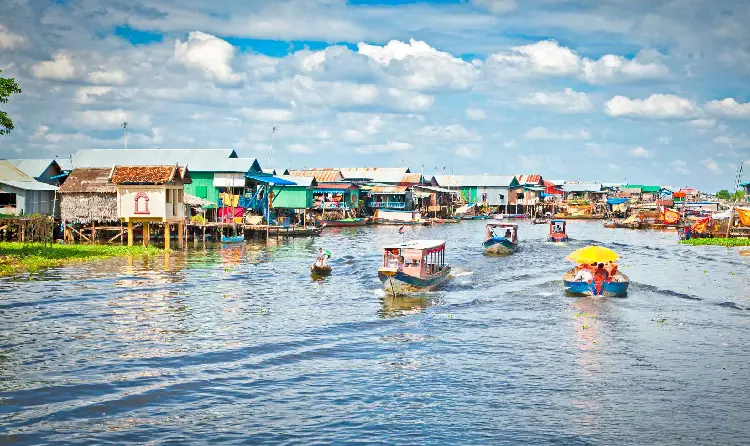
Located near Siem Reap, Tonlé Sap Lake is famous for its floating villages like Kompong Phluk and Chong Khneas. Visitors can witness daily life on water—floating schools, homes, and shops—offering a unique look into rural Cambodia.

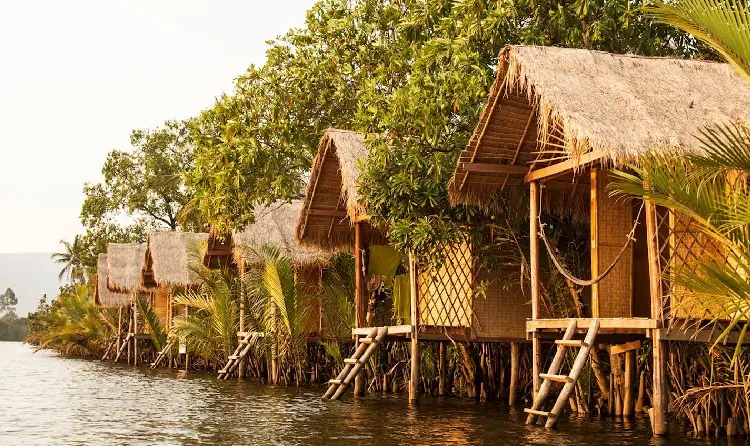
Nature lovers will enjoy the Prek Toal Bird Sanctuary, home to rare and migratory bird species. Boat tours offer peaceful experiences with views of mangroves, wetlands, and stilt houses.

With Tusk Travel’s Tonlé Sap packages, explore culture-rich lake communities, guided eco-tours, and ethical travel experiences that support locals. It’s an eye-opening adventure ideal for all ages.

More Inspiring Tonle Sap Itineraries

Browse our curated collection of tours to make the most of your Cambodia vacation.

3 Days Angkor Temples Tour
  • Siem Reap – Angkor Wat – Angkor Thom – Ta Prohm

3 Days Angkor Temples Tour
  • Siem Reap - Tonle Sap - Phnom Penh - Siem Reap

9 Days Cambodia Heritage and Beach Tour
  • Siem Reap – Phnom Penh – Kep – Sihanoukville

5 Days Cambodia Cultural Experience
  • Phnom Penh – Oudong – Siem Reap

6 Days Cambodia Explorer Tour
  • Phnom Penh – Siem Reap – Angkor – Tonlé Sap

7 Days Cambodia Nature and Culture Tour
  • Siem Reap – Prek Toal – Phnom Penh – Silk Island

Romantic Cambodia Honeymoon Packages

Fall in love again as you explore Cambodia’s dreamy temples, quiet beaches, and magical sunsets together.

Cambodia Family Tour Packages

Explore Cambodia with your loved ones! These tours are designed for fun, comfort, and unforgettable family memories.

Top Destinations in Cambodia

Discover the most beautiful cities, ancient temples, and beach escapes Cambodia has to offer.

Why Visit Tonle Sap Lake

Cambodia captures the curiosity of global travelers through its perfect mix of ancient history, living culture, and natural landscapes. It appeals to everyone—from solo explorers to family vacationers—offering spiritual tranquility and bold adventures. Whether you're drawn to the mystery of centuries-old temples or the genuine warmth of local communities, Cambodia has a soul that resonates deeply. The country is also incredibly affordable, making it a dream for budget-conscious travelers. With bustling markets, colorful festivals, and golden sunsets over Angkor Wat, it offers meaningful experiences that remain etched in memory long after the trip ends.

Fascination with History

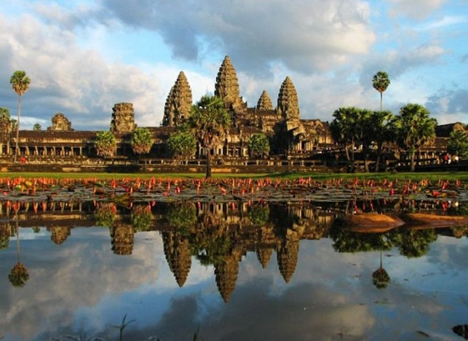
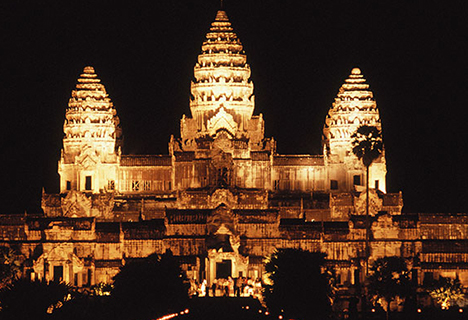
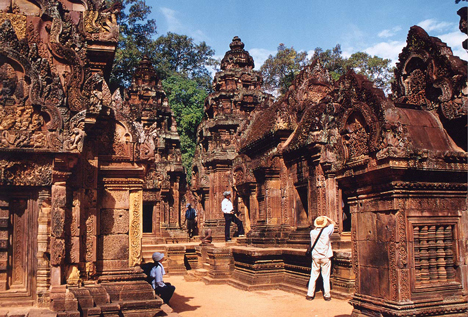
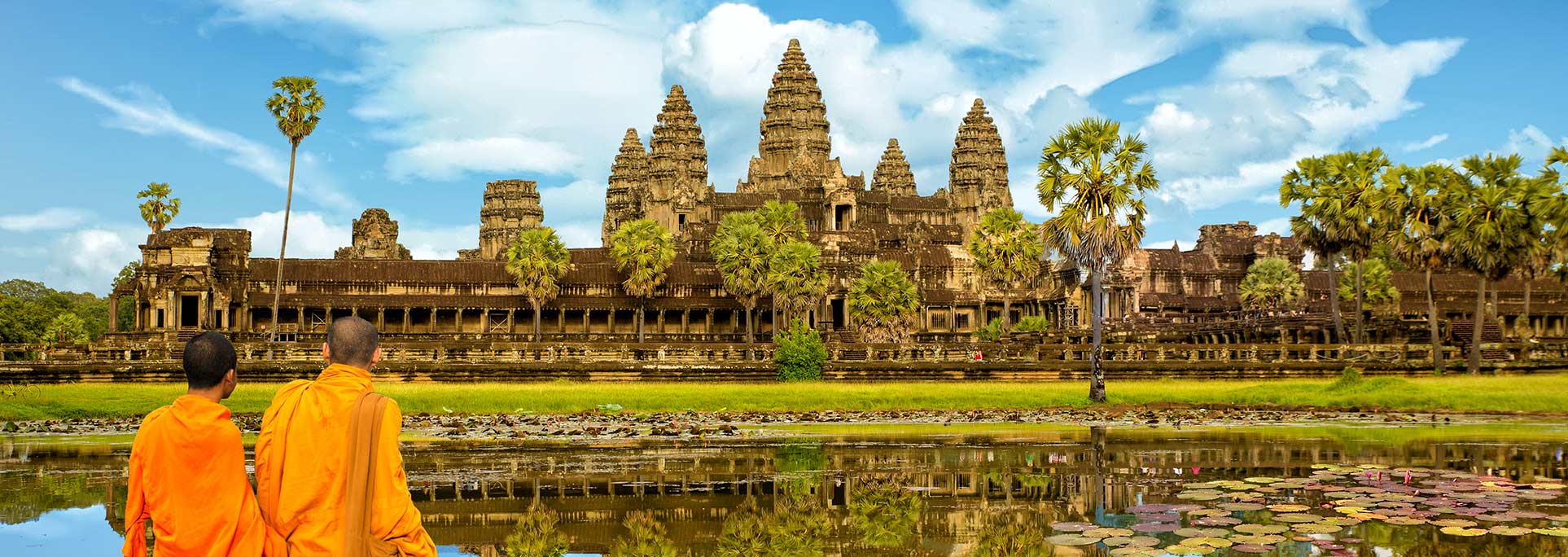
Cambodia's history is an irresistible draw for many. At its heart lies the iconic Angkor Wat, a masterpiece of architecture and devotion, built during the height of the Khmer Empire. Explorers roam through intricate stone carvings, centuries-old temple corridors, and vast spiritual landscapes. But Cambodia’s historical charm extends beyond Angkor. The country’s narrative includes its colonial past and the Khmer Rouge era—chapters that invite deeper reflection. Visitors engage with Cambodia’s historical sites not just as tourists, but as witnesses to a nation's story of brilliance, struggle, and survival. Museums and memorials across Phnom Penh help illuminate this past, providing perspective and empathy to all who visit.

Vibrant and Living Culture

Cambodia’s culture is rich, evolving, and wonderfully welcoming. It's seen in the graceful movements of the Apsara dancers, the detailed work of traditional silk weavers, and the soulful beats of local musicians. The country’s festivals—like the Khmer New Year and Water Festival—are vibrant expressions of joy, drawing locals and travelers into shared celebration. Food is another cultural expression. Dishes like Fish Amok, Khmer BBQ, and Nom Banh Chok offer bold, fragrant flavors influenced by both tradition and French colonial legacy. Cambodia’s living culture is best experienced in its homes, markets, temples, and even its streets—where travelers are not mere observers but welcomed participants.

Stories of Resilience

Cambodia’s modern history tells a tale of heartbreak and hope. The era of the Khmer Rouge devastated the nation, but Cambodia rose from tragedy with remarkable strength. Sites like Tuol Sleng Genocide Museum and the Killing Fields reveal this dark period with sensitivity and depth. For many travelers, visiting these places is emotional—but profoundly enlightening. Beyond the trauma lies a nation filled with optimism and compassion. Cambodians, especially the younger generation, are shaping a better future—investing in education, entrepreneurship, and cultural preservation. Travelers often remark on the kindness and resilience of the locals. It’s these stories—from street vendors to students—that give Cambodia its human heart and lasting emotional impact.

Natural Diversity

From misty mountains to white-sand beaches, Cambodia's natural landscape is incredibly diverse. Nature lovers flock to the Cardamom Mountains for jungle trekking and wildlife sightings, while the Tonlé Sap Lake astonishes with its floating villages and rare bird species. Coastal destinations like Koh Rong and Sihanoukville offer turquoise waters and laid-back island vibes. Meanwhile, rural provinces showcase the life of farmers, rice paddies, and stilted homes that define the Cambodian countryside. The country also promotes eco-tourism with conservation tours in national parks and community-run nature projects. This variety in terrain and ecosystems ensures that every type of traveler—adventurer, photographer, or soul-seeker—finds something unforgettable in Cambodia’s outdoors.

Affordable Adventure

One of Cambodia’s greatest advantages is the affordability of its adventures. From budget guesthouses to comfortable boutique hotels, travelers can enjoy high-quality stays at a fraction of Western costs. Street food is delicious and cheap, transport is efficient, and entry to cultural sites is budget-friendly. You can take a private boat on the Mekong, join a cooking class, or explore temple ruins for less than a typical day out in Europe or the U.S. Even luxury experiences—like spa treatments or resort stays—are more accessible here. For those looking to stretch their money while collecting priceless memories, Cambodia delivers. It’s the kind of place where your money goes further, letting you do more, see more, and stay longer.

Modern Dynamism

Cambodia today is not just about the past—it’s about growth and reinvention. Phnom Penh is evolving into a dynamic capital with modern malls, riverside cafes, and buzzing nightlife. Siem Reap, while known for temples, has a youthful energy with art galleries, music festivals, and yoga retreats. There’s a new wave of Cambodian entrepreneurs launching coffee shops, digital startups, and design studios. The country also draws remote workers and expats with its low cost of living, visa flexibility, and relaxed lifestyle. It’s not unusual to see young Cambodians speaking multiple languages, working online, and reshaping their country's image. Cambodia’s modern face offers inspiration—it’s a place where tradition meets creativity and change.

Top Places to Visit in Cambodia

Siem Reap – Home of the Temples

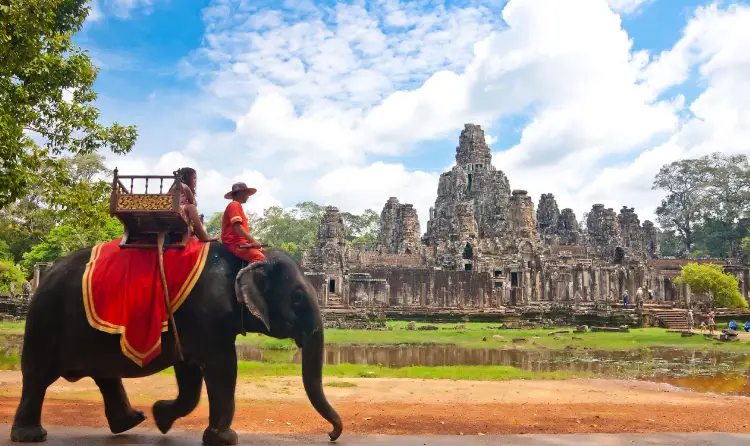
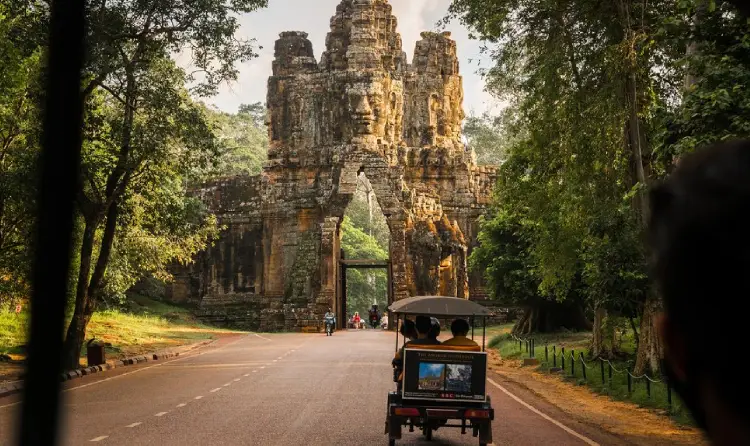
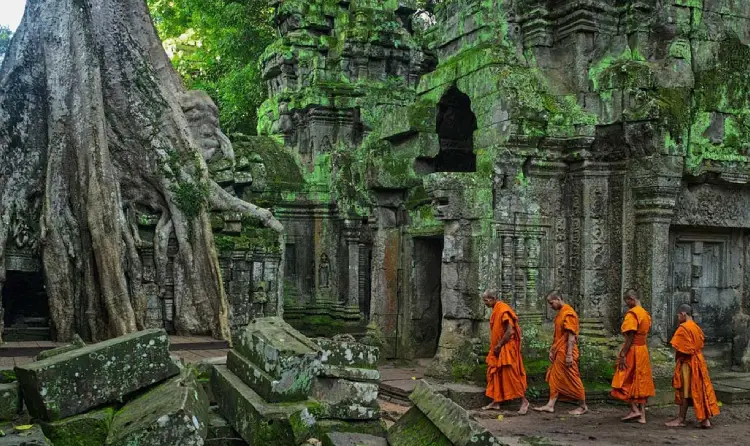
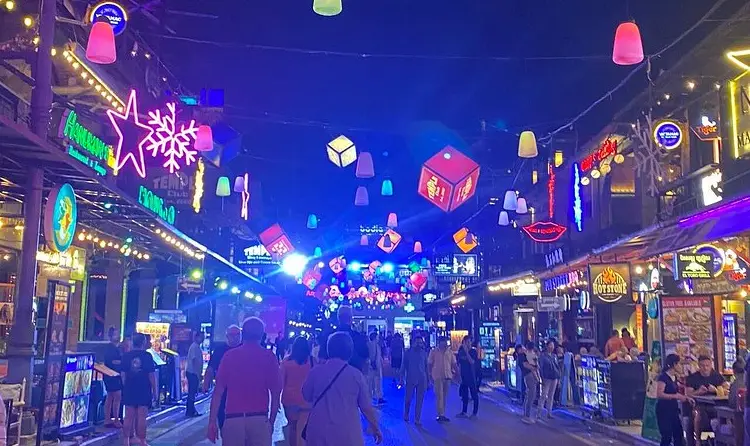
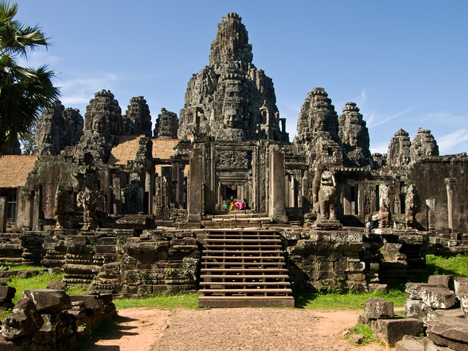
Siem Reap is Cambodia’s top tourist destination and the gateway to the world-famous Angkor Archaeological Park. Here, travelers can explore Angkor Wat, Bayon Temple, Ta Prohm, and many more majestic ruins. The city itself offers a mix of night markets, cultural shows, and luxury resorts.

Phnom Penh – The Historic Capital

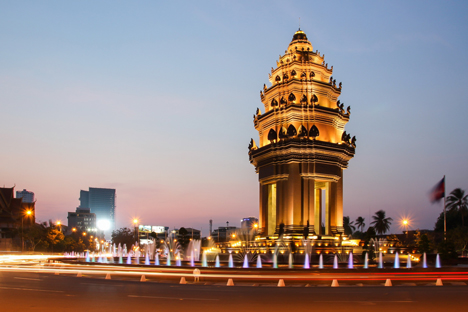
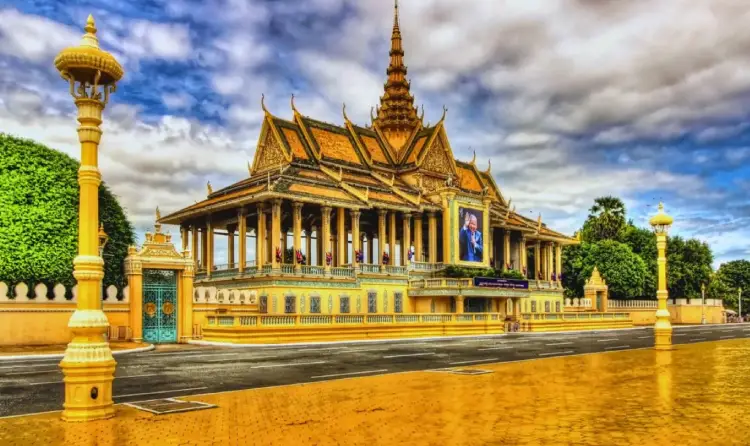
Phnom Penh is a lively capital city located at the junction of the Mekong and Tonlé Sap rivers. Highlights include the Royal Palace, Silver Pagoda, and National Museum. For those interested in Cambodia’s recent history, the Tuol Sleng Genocide Museum and Killing Fields offer a powerful look at the country’s past.

Sihanoukville – Sun, Sand, and Sea

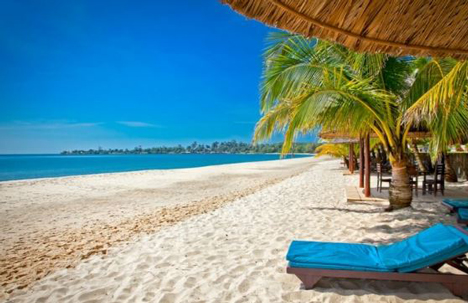
Located along the southern coast, Sihanoukville is known for its white-sand beaches and nearby islands like Koh Rong and Koh Rong Samloem. It’s the perfect spot for a relaxing beach escape, water activities, or island hopping.

Battambang – Colonial Charm & Creativity

Battambang is a charming riverside town known for its French colonial architecture, vibrant art scene, and traditional Khmer villages. It’s also home to the Bamboo Train and impressive temples like Wat Banan and Wat Ek Phnom.

Tonlé Sap Lake – Floating Communities

Tonlé Sap is the largest freshwater lake in Southeast Asia and home to many floating villages, where people live and work on the water. It’s a great place to learn about Cambodia’s rural life and enjoy unique boat rides.

Must-Do Experiences in Cambodia

Explore Angkor's Ancient Temples

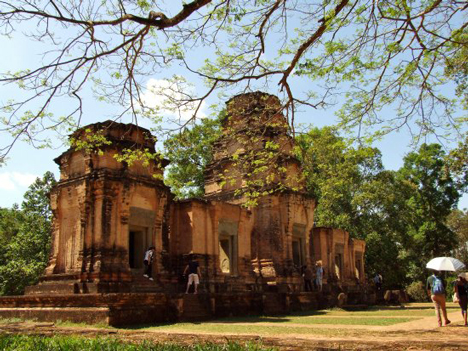
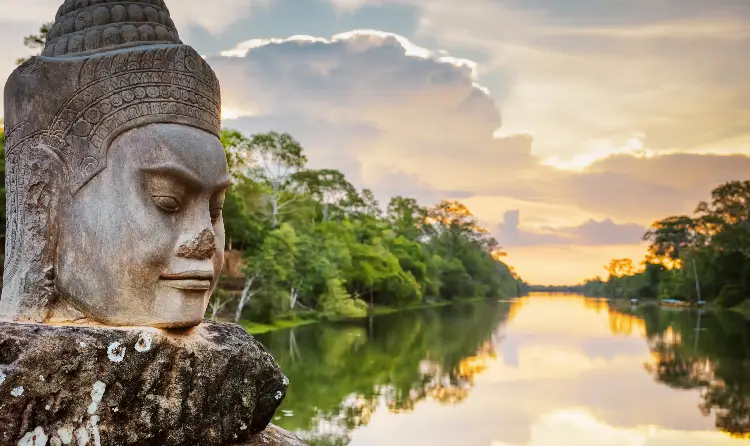
A visit to Cambodia is incomplete without touring the awe-inspiring Angkor Wat, Bayon, and Ta Prohm. These temples, built between the 9th and 15th centuries, reveal the architectural mastery of the Khmer Empire.

Cruise on the Mekong River

Mekong River cruises offer a slow and scenic way to enjoy Cambodia’s countryside, wildlife, and floating villages. Cruises often pass through Phnom Penh, Tonlé Sap, and even cross into Vietnam.

Savor Cambodian Street Food

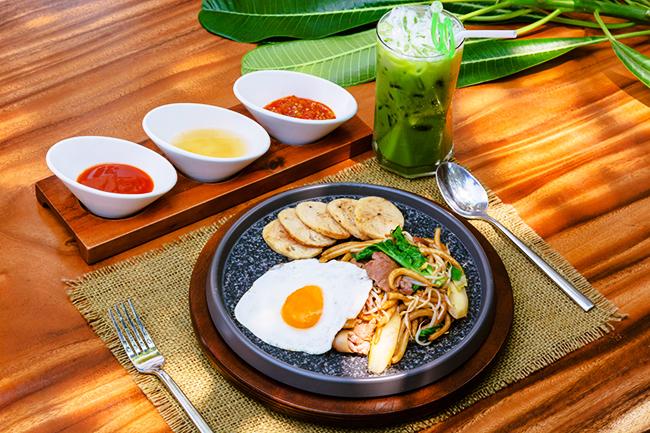
Head to local markets in Siem Reap or Phnom Penh and taste Cambodian specialties like Amok (coconut curry), Nom Banh Chok (Khmer noodles), and grilled skewers. Don’t forget to try local desserts and tropical fruits!

Watch a Traditional Apsara Dance

The Apsara Dance is a classical Khmer art form featuring graceful hand movements and colorful costumes. Many cultural shows in Siem Reap include dinner and performances.

Go Rural with Eco-Tours

Explore Cambodian villages on a bicycle or ox cart, meet local farmers, and learn how rice is grown. Eco-tourism offers a sustainable and authentic look at rural Cambodia.

FAQs Tonle Sap Lake Trip

Q. Why is Tonlé Sap Lake important in Cambodia?

Ans. Tonlé Sap Lake is the largest freshwater lake in Southeast Asia and holds immense ecological, economic, and cultural importance in Cambodia. It serves as a vital source of livelihood for millions of people who live along its shores and depend on fishing, agriculture, and tourism.

During the rainy season, the lake expands to over five times its dry-season size due to the unique reverse flow of the Tonlé Sap River, which causes the lake to swell. This flooding brings nutrient-rich sediments, making the surrounding land fertile and ideal for rice farming.

The lake is also a UNESCO Biosphere Reserve, home to diverse wildlife, including rare bird species, fish, and reptiles. Floating villages, such as Kampong Phluk and Chong Kneas, showcase traditional Cambodian water-based lifestyles, offering visitors a glimpse into an authentic way of life. Visiting Tonlé Sap is not only an incredible natural experience but also an opportunity to understand the deep-rooted connection between the lake and Cambodian identity.

Q. What are the best floating villages to visit on Tonlé Sap Lake?

Ans. Tonlé Sap is famous for its floating villages, and three of the most visited are Chong Kneas, Kampong Phluk, and Kampong Khleang.

  • Chong Kneas: The closest to Siem Reap, making it ideal for short trips. However, it’s also the most touristy and commercialized.
  • Kampong Phluk: Known for its stilted houses, mangrove forest boat rides, and slightly more authentic feel. Best visited during the rainy season when the forest is navigable by boat.
  • Kampong Khleang: Farther from Siem Reap but the most authentic and less crowded. Offers a deeper look at daily life with minimal tourist influence.

Each village has its charm, but for a more meaningful and culturally rich experience, Kampong Khleang is often recommended. Consider guided tours with responsible tourism operators to ensure respectful engagement with local communities.

Q. When is the best time to visit Tonlé Sap Lake and why?

Ans. The best time to visit Tonlé Sap Lake is during the wet season, which runs from June to October. During this period, the lake dramatically expands, and the floating villages and mangrove forests are fully navigable by boat.

The reverse flow of the Tonlé Sap River causes the lake to swell, creating beautiful aquatic landscapes and improving access to stilted homes, schools, and markets that appear to float on the water. Bird watching is also ideal during this time, with migratory birds visiting the Tonlé Sap Biosphere Reserve.

While it is possible to visit in the dry season (November to May), the water levels are significantly lower, making some areas inaccessible. The floating villages appear more grounded, and boat rides are limited or replaced with tuk-tuk and walking tours. However, the dry season does bring sunny weather and clear skies, which are ideal for photography.

Plan your visit based on your interest—lush scenery and authenticity in the wet season or better weather conditions in the dry season.

Q. How can I visit Tonlé Sap Lake from Siem Reap?

Ans. Tonlé Sap Lake is easily accessible from Siem Reap, making it a popular day-trip destination. The most common way to visit is by booking a half-day or full-day guided tour that includes round-trip transport, a boat ride, and sometimes a local lunch experience.

Most tours will pick you up from your hotel and take you to the selected floating village, such as Chong Kneas (closest, about 30 minutes away), Kampong Phluk (around 1 hour), or Kampong Khleang (about 1.5 hours).

If you prefer an independent visit, you can hire a tuk-tuk or private car from Siem Reap to the boat docks. From there, you can rent a boat to explore the villages and mangroves. It’s advisable to go with a licensed operator to ensure safety and support ethical tourism.

The best times to depart are in the morning or late afternoon to avoid midday heat. Always check weather conditions, especially in the wet season, and bring essentials like sunscreen, water, and a camera.

Q. Is it ethical to visit the floating villages on Tonlé Sap Lake?

Ans. Visiting floating villages on Tonlé Sap can be a meaningful cultural experience if done ethically and respectfully. These villages are real communities—not tourist attractions—so it’s essential to approach with sensitivity and awareness.

Here are a few ethical tips for visiting:

  • Choose responsible tour operators: Look for those who support local communities and avoid exploitative practices, such as turning schools into photo ops.
  • Do not give gifts or money directly to children: It encourages dependency and may discourage school attendance.
  • Ask permission before taking photos: Be mindful of personal space and respect people’s privacy.
  • Support local businesses: Eat at floating restaurants or buy handmade crafts to contribute to the local economy.

When done right, a visit to Tonlé Sap can foster understanding and provide meaningful income for locals. Always strive to travel responsibly and leave a positive impact behind.

Get a Free Quote within 24 Hr.