Search Destination

Siem Reap Tour Packages

Tailor-Made Itineraries Expert Local Guides Best Price Guarantee

Explore Siem Reap, the gateway to Angkor Wat and ancient Khmer heritage. Book your unforgettable Cambodian journey today!

Enquire Now!
Home » Cambodia » Siem Reap

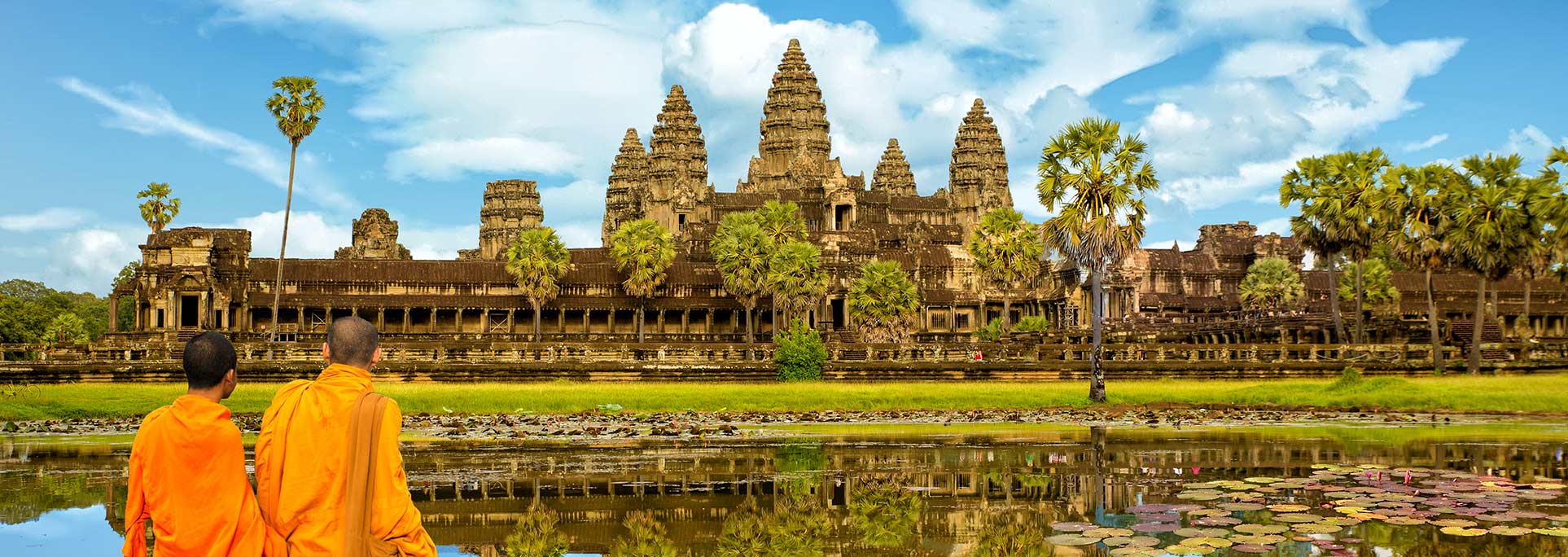
Nestled in northern Cambodia, Siem Reap is a traveler’s paradise offering a gateway into the majestic world of the Angkor Archaeological Park. As the cultural heart of Cambodia, the city offers everything from centuries-old temples to bustling night markets and lively performances of traditional Apsara dance.

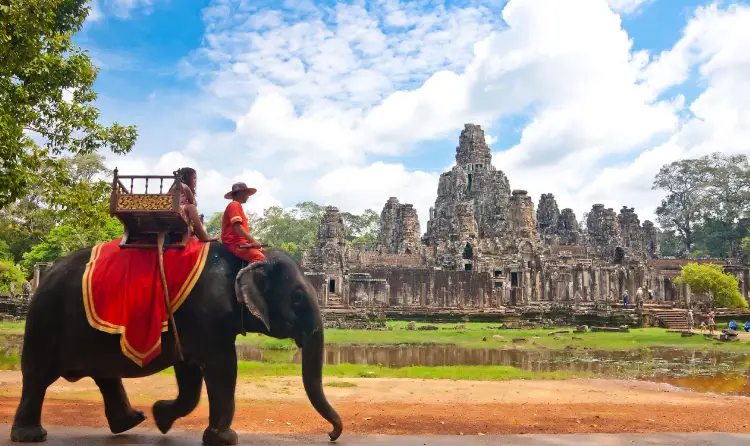
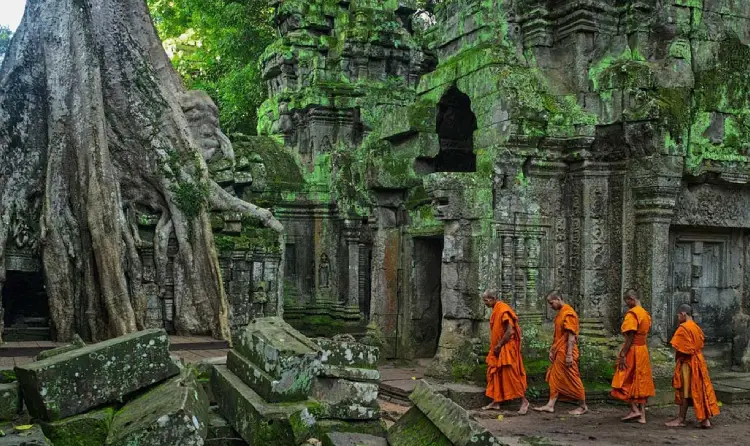
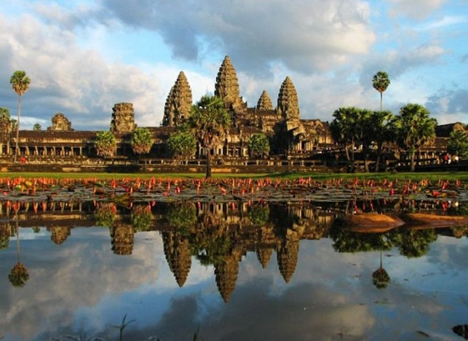
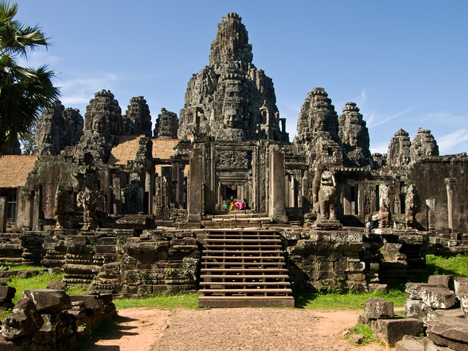
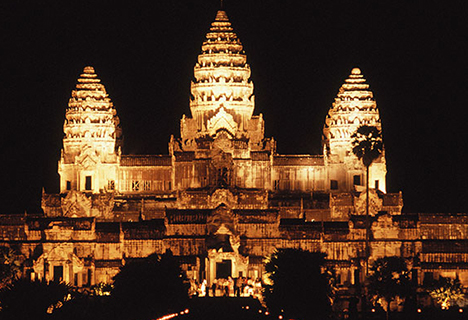
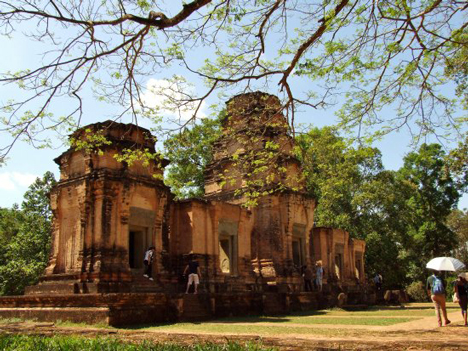
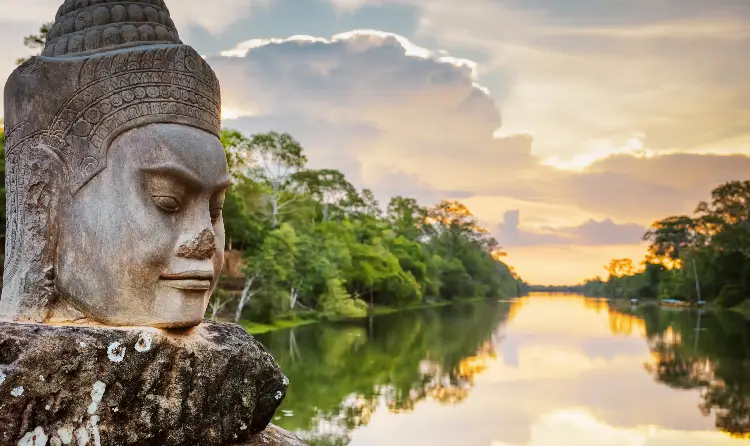
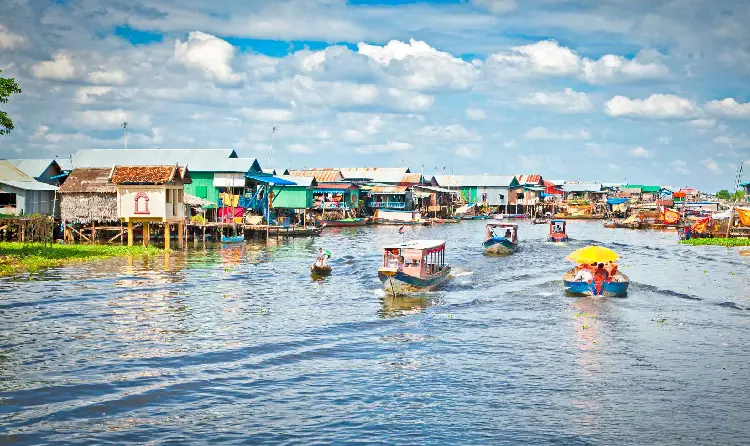
Tourists from around the world come to marvel at Angkor Wat, explore the jungle-clad ruins of Ta Prohm, and discover the enigmatic faces of Bayon Temple. Siem Reap also serves as a launchpad to explore Tonlé Sap Lake, where floating villages give you a glimpse of authentic life on water.

With Tusk Travel’s Siem Reap tour packages, you can enjoy expertly curated experiences—from sunrise temple tours and cultural workshops to street food tasting and countryside cycling. Whether you're seeking romance, history, or family fun, Siem Reap will enchant and inspire.

Things to Do in Siem Reap

  • Watch the sunrise over Angkor Wat with a guided tour.
  • Take a boat ride to the floating villages of Tonlé Sap Lake.
  • Attend a traditional Apsara dance performance with dinner.
  • Cycle through the Angkor complex or rural villages.
  • Join a Khmer cooking class and taste local street food.
  • Explore artisan workshops and support local crafts.

Best Time to Visit Siem Reap

The best time to visit Siem Reap is during the cool and dry season from November to March. This period offers pleasant temperatures, ideal for temple-hopping and outdoor adventures. April and May are hotter, while June to October brings lush landscapes and fewer tourists due to the rainy season.

More Inspiring Siem Reap Itineraries

Browse our curated collection of tours to make the most of your Cambodia vacation.

3 Days Angkor Temples Tour
  • Siem Reap – Angkor Wat – Angkor Thom – Ta Prohm

3 Days Angkor Temples Tour
  • Siem Reap - Tonle Sap - Phnom Penh - Siem Reap

9 Days Cambodia Heritage and Beach Tour
  • Siem Reap – Phnom Penh – Kep – Sihanoukville

5 Days Cambodia Cultural Experience
  • Phnom Penh – Oudong – Siem Reap

6 Days Cambodia Explorer Tour
  • Phnom Penh – Siem Reap – Angkor – Tonlé Sap

7 Days Cambodia Nature and Culture Tour
  • Siem Reap – Prek Toal – Phnom Penh – Silk Island

Romantic Siem Reap Honeymoon Packages

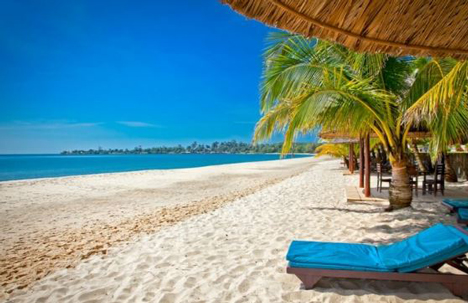
Fall in love again as you explore Siem Reap dreamy temples, quiet beaches, and magical sunsets together.

Siem Reap Family Tour Packages

Explore Siem Reap with your loved ones! These tours are designed for fun, comfort, and unforgettable family memories.

Top Destinations in Cambodia

Discover the most beautiful cities, ancient temples, and beach escapes Cambodia has to offer.

Your First Trip to Siem Reap – A Complete Travel Guide

Siem Reap is the heart of Cambodia’s tourism and the gateway to the majestic Angkor Archaeological Park, home to the world-renowned Angkor Wat. But beyond the temples, Siem Reap is a city teeming with life, culture, cuisine, and warmth. It blends the ancient and modern so seamlessly that one moment you might be admiring thousand-year-old carvings, and the next you’re sipping locally brewed craft beer at a trendy café.

Why Siem Reap Should Be on Your Bucket List

Siem Reap is much more than a temple stop. Here, ancient ruins, local crafts, floating villages, and culinary delights meet warm hospitality and natural beauty. Visitors come for Angkor Wat but leave with memories of smiling locals, quiet countryside, traditional dances, and unexpected adventures.

  • Marvel at Angkor Wat’s sunrise – a once-in-a-lifetime sight
  • Get lost among the enigmatic faces of Bayon Temple
  • Witness the jungle embrace at Ta Prohm
  • Float past stilted homes on Tonlé Sap Lake
  • Watch a local Apsara Dance while dining on Khmer cuisine

Getting to Siem Reap

Siem Reap International Airport (SAI) welcomes direct flights from major Asian cities such as Bangkok, Kuala Lumpur, Hanoi, and Singapore. Visa-on-arrival is available for most nationalities, or you can apply online for an e-visa.

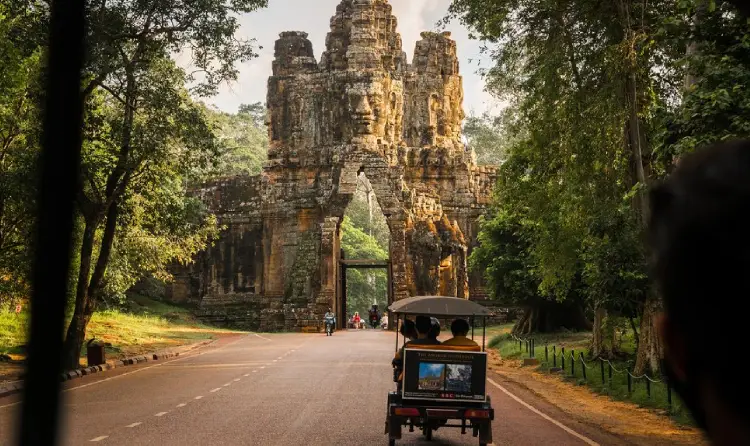
Once landed, transport to the city center is easy. Tuk-tuks are the most authentic and economical option, costing around $7–12. Taxis are quicker and cost about $15–20. Many hotels offer free pick-up services if booked directly.

How to Get Around

Siem Reap is compact and tuk-tuks are ideal for getting around. Renting bicycles is popular, especially for exploring temples at a relaxed pace. You can also hire private drivers with air-conditioned cars, particularly helpful during hot months or for longer excursions.

Top Temples to Visit in Angkor Archaeological Park

  • Angkor Wat: The crown jewel – visit at sunrise for breathtaking views
  • Bayon Temple: 216 smiling stone faces watch over visitors
  • Ta Prohm: Known for its photogenic roots and jungle mystique
  • Preah Khan: A massive monastic complex worth exploring
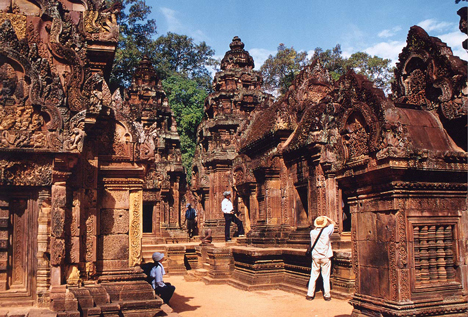
  • Banteay Srei: The "Pink Temple" with intricate carvings
  • Angkor Thom: The great walled city that was once the Khmer Empire’s capital

Angkor Pass & Temple Etiquette

Visitors need an Angkor Pass to access temples. Prices are: 1-day ($37), 3-day ($62), and 7-day ($72). Dress modestly: shoulders and knees must be covered. Hats should be removed before entering shrines, and shoes must be taken off in certain areas. Avoid climbing fragile structures to help preserve them.

Beyond the Temples – More Things to Do in Siem Reap

  • Phare Cambodian Circus: A socially impactful performance combining theater, music, and acrobatics
  • Floating Villages: Tour Kampong Phluk or Chong Kneas to see stilted homes and floating schools
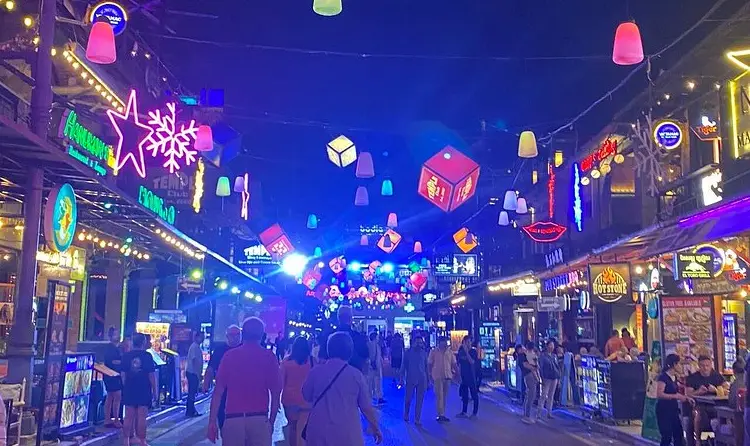
  • Pub Street: Enjoy food, cocktails, and shopping in the bustling nightlife district
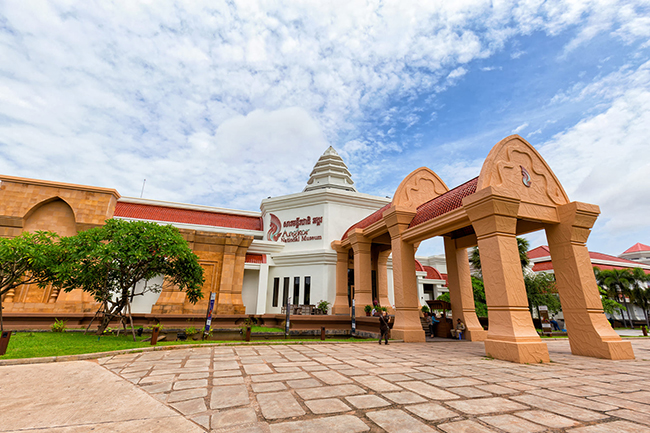
  • Angkor National Museum: Offers an insightful introduction to Khmer culture and history
  • Artisans Angkor: Watch local artisans make silk, stone carvings, and lacquerware

Where to Stay

Siem Reap offers a range of accommodations:

  • Budget (under $25/night): Hostels and local guesthouses, mainly in Pub Street area
  • Mid-range ($30–70/night): Boutique hotels and riverside stays
  • Luxury ($100+/night): Resorts with pools, spas, and private temple tours

Local Cuisine & Where to Eat

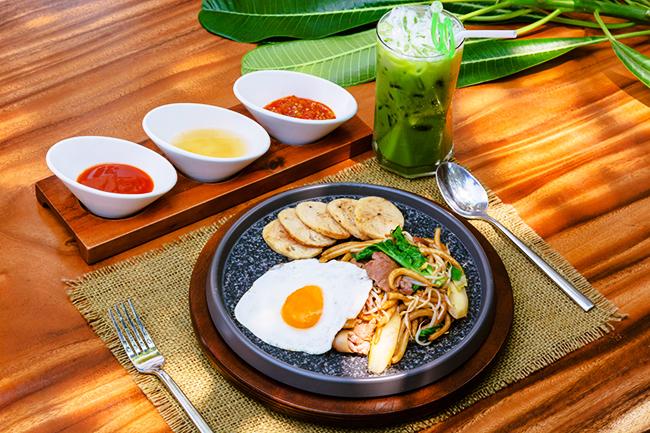
Don't miss out on Fish Amok (steamed curry), Lok Lak (stir-fried beef), and Khmer red curry. Enjoy meals at local restaurants or street food stalls in the night market. For upscale dining, visit Sugar Palm or Malis.

Best Time to Visit

  • November–February: Cool, dry season; perfect for temple visits
  • March–May: Hot and dry; fewer crowds, bring sunscreen
  • June–October: Wet season; lush scenery, occasional afternoon rain

Practical Travel Tips

  • Carry small US dollar bills – Cambodia uses USD alongside Riel
  • Always negotiate tuk-tuk fares beforehand
  • Download offline maps and translation apps
  • Use bottled water and avoid ice at street stalls

Siem Reap is more than just temples – it’s a journey through time, a vibrant city full of life, and a destination that blends history, hospitality, and adventure. From spiritual moments at sunrise to culinary delights after dark, every traveler finds something special here. Whether you're on your first Southeast Asia trip or a return visit, Siem Reap never fails to impress.

FAQs Cambodia Trip

Q. How many days should I spend in Siem Reap to see the main attractions?

Ans. For most travelers, spending 3 to 4 days in Siem Reap is ideal to cover the main attractions at a comfortable pace. This allows enough time to explore the top temples within the Angkor Archaeological Park, including Angkor Wat, Bayon, and Ta Prohm, without feeling rushed.

Here's a suggested breakdown:

  • Day 1: Angkor Wat sunrise, Angkor Thom, and Ta Prohm
  • Day 2: Banteay Srei, Pre Rup, and other outlying temples
  • Day 3: Visit Tonlé Sap Lake or take a cultural tour in the countryside
  • Day 4 (optional): Relax at your resort or join a cooking class or Apsara dance show

If you enjoy slower travel or photography, adding an extra day or two allows you to explore hidden gems and interact more deeply with local life.

Q. What is the best time of year to visit Siem Reap for weather and festivals?

Ans. The best time to visit Siem Reap is from November to March during the cool and dry season. The weather is pleasant with lower humidity and temperatures ranging from 22°C to 30°C—perfect for temple-hopping and outdoor excursions.

Key festivals and events:

  • Bon Om Touk (Water Festival): Celebrated in November with boat races and local festivities.
  • Angkor Festival: Traditional music, dance, and drama performances take place near the Angkor temples.
  • Khmer New Year (April): A lively time with water fights and cultural shows, though it’s also quite hot.

While May to October is the rainy season, it’s also a good time for lush green scenery and fewer tourists. Early mornings during this season can still be quite enjoyable with light showers typically occurring in the afternoons.

Q. Which temples in the Angkor complex are must-see besides Angkor Wat?

Ans. While Angkor Wat is the star attraction, the Angkor Archaeological Park is home to dozens of equally fascinating temples worth exploring. Here are some must-see sites:

  • Bayon Temple: Known for its serene stone faces and central location within Angkor Thom.
  • Ta Prohm: The famous "Tomb Raider" temple wrapped in giant tree roots—great for photos.
  • Banteay Srei: A beautifully carved pink sandstone temple located 30 km from Siem Reap.
  • Preah Khan: A sprawling complex once used as a monastery and school.
  • Neak Pean & Ta Som: Lesser-visited gems with tranquil settings and beautiful architecture.

Many visitors prefer a mix of well-known and off-the-beaten-path temples, so consider hiring a guide or joining a small group tour to maximize your experience.

Q. How do I get around Siem Reap and to the Angkor temples?

Ans. Getting around Siem Reap and visiting the Angkor temples is easy and affordable thanks to a wide range of transport options. The city is compact, making short distances convenient to cover.

Popular transportation methods include:

  • Tuk-tuks: The most common and cost-effective way to tour both the town and the Angkor temple circuit. Drivers often offer full-day rates and suggested itineraries.
  • Bicycles: An eco-friendly way to explore the temples and rural areas; many hotels and rental shops offer bikes for daily use.
  • Private cars or vans: Comfortable for families or groups, especially during hot weather. Air-conditioned transport can be arranged through hotels or tour operators.
  • Motorbike taxis (moto-dop): Ideal for solo travelers needing quick rides, though not always suited for temple visits.

Most travelers opt for a tuk-tuk driver or private car with local knowledge to help navigate temple routes efficiently. Booking a guided tour also ensures a deeper understanding of each site’s history and cultural significance.

Q. Are there unique cultural experiences in Siem Reap beyond visiting temples?

Ans. Yes, Siem Reap offers a wealth of cultural experiences beyond its temple complexes. These immersive activities let you connect with the local people, traditions, and creative arts of Cambodia.

Top cultural experiences include:

  • Phare, The Cambodian Circus: A captivating social enterprise that blends theater, acrobatics, and music performed by young Cambodian artists.
  • Khmer Cooking Classes: Learn how to prepare traditional dishes like Fish Amok and Nom Banh Chok under the guidance of skilled local chefs.
  • Artisans Angkor: A renowned workshop where you can witness stone carving, silk painting, and lacquerware while supporting fair trade practices.
  • Village Tours: Cycle or ride through surrounding rural villages to see rice paddies, water buffaloes, and traditional wooden houses.
  • Apsara Dance Shows: Enjoy an evening performance showcasing Cambodia’s classical dance form, often paired with a buffet dinner.

These cultural experiences are ideal for families and curious travelers looking to go deeper than sightseeing and leave with a better appreciation of Khmer heritage.

Q. What are the highlights of Tonlé Sap Lake and how can I visit the floating villages?

Ans. Tonlé Sap Lake is the largest freshwater lake in Southeast Asia and a unique ecosystem that supports floating communities and rich biodiversity. It's one of the most authentic cultural and environmental experiences near Siem Reap.

Main highlights of Tonlé Sap include:

  • Floating Villages: Places like Kompong Phluk, Kompong Khleang, and Chong Khneas offer insights into life on water, complete with floating houses, markets, and schools.
  • Prek Toal Bird Sanctuary: A haven for migratory birds, especially during the dry season. It's a must-visit for nature lovers and birdwatchers.
  • Sunset Cruises: Tranquil boat rides on the lake, offering breathtaking sunset views over the water and stilted villages.

You can book half-day or full-day guided tours to Tonlé Sap from Siem Reap. These tours typically include round-trip transfers, a local guide, and boat rides. Visiting the lake also provides a deeper understanding of Cambodia’s traditional lifestyles and environmental challenges.

Q. Is Siem Reap safe for tourists, and are there any common scams to watch out for?

Ans. Yes, Siem Reap is generally safe for tourists, and locals are known for their warmth and hospitality. Violent crime is rare, but like in any tourist hub, petty crimes such as pickpocketing or overcharging can happen.

Common scams to watch for include:

  • Overpriced tuk-tuk rides: Always agree on a price before starting your journey.
  • Fake orphanage visits: Some places exploit tourists by claiming to support children—do proper research before donating or visiting.
  • Gem and souvenir scams: Avoid buying expensive items from street vendors without verification.

Basic precautions like avoiding poorly lit areas at night, securing your valuables, and using reputable tour providers will ensure a safe and enjoyable visit.

Q. What should I wear when visiting temples and religious sites?

Ans. When visiting temples in Cambodia, including Angkor Wat, it's important to dress modestly out of respect for local customs and religious beliefs. Appropriate temple attire includes:

  • Covered shoulders and knees: Wear t-shirts or blouses with sleeves and long pants or skirts.
  • No tank tops or short shorts: These are considered disrespectful, especially in sacred spaces.
  • Light, breathable fabrics: Ideal for Cambodia’s tropical climate while maintaining modesty.

Some temples may deny entry if you’re not dressed appropriately. Bringing a lightweight scarf or sarong is a good option for covering up when needed. Comfortable shoes are also recommended due to walking and climbing stairs.

Q. What types of accommodations are available (budget, boutique, family-friendly)?

Ans. Siem Reap offers a wide range of accommodation options to suit every budget and travel style:

  • Budget Guesthouses: Clean and affordable with basic amenities, perfect for backpackers.
  • Boutique Hotels: Stylish, mid-range options often with traditional Khmer decor and personal service.
  • Luxury Resorts: 5-star stays with pools, spas, and views—ideal for honeymooners and luxury travelers.
  • Family-Friendly Hotels: Spacious rooms, kids’ pools, and play areas for families with children.

Most accommodations are conveniently located near Pub Street, the Angkor Night Market, or just a short ride from Angkor Wat. Many hotels offer free tuk-tuk service to town or the temples, making travel easy and accessible.

Get a Free Quote within 24 Hr.