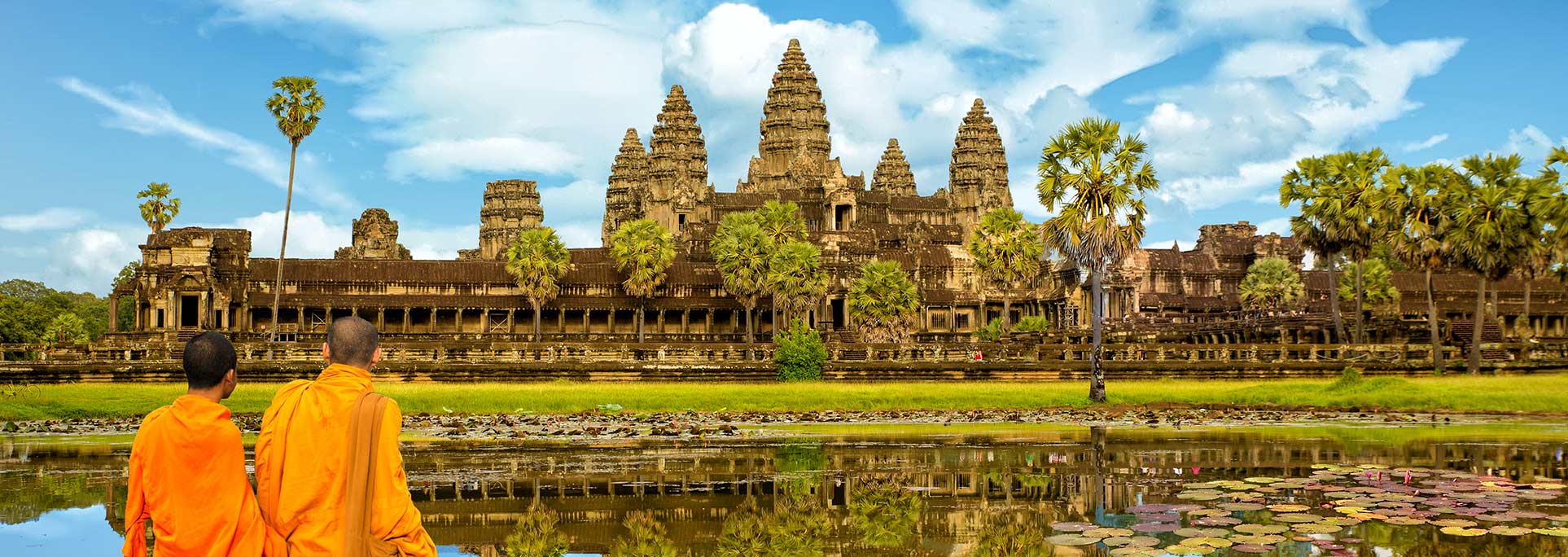
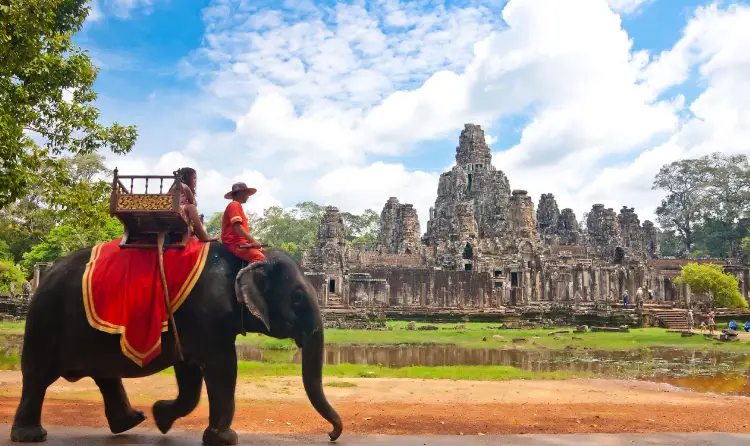
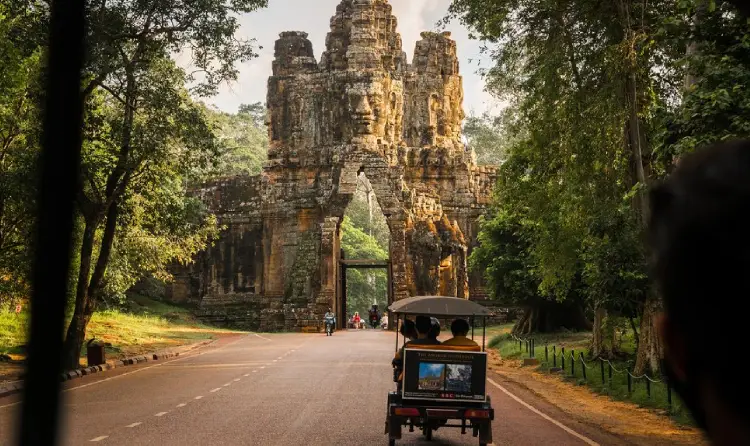
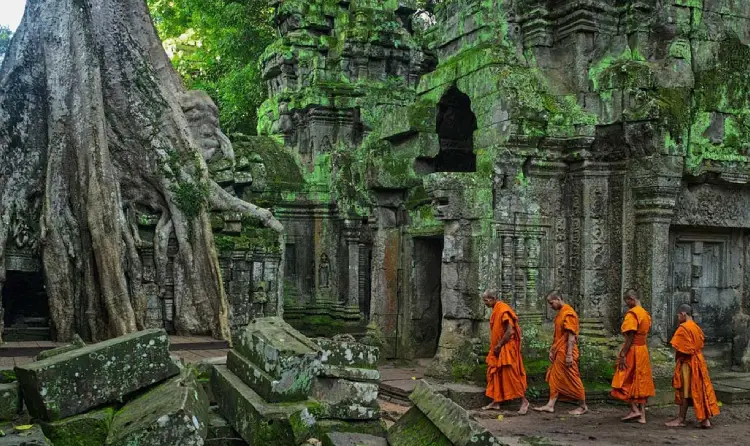
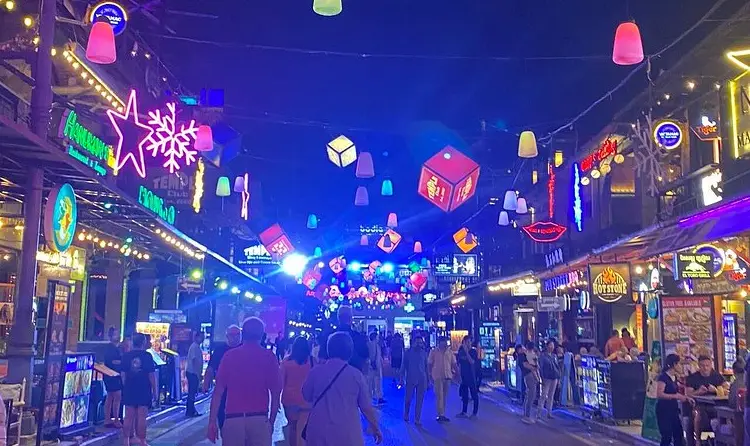
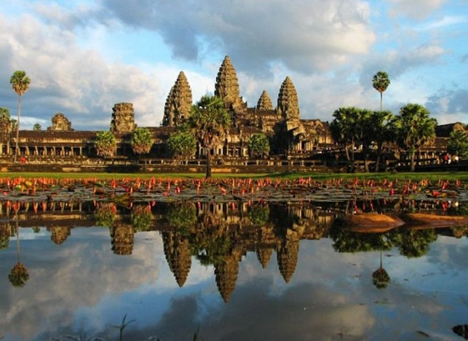
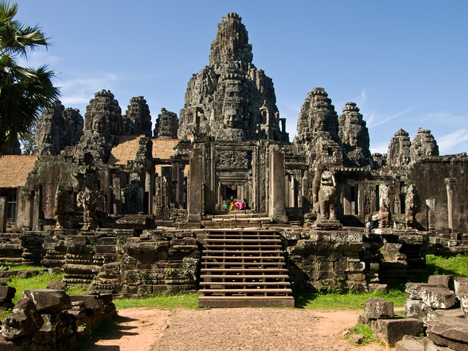
Phnom Penh, Cambodia's capital, stands as a powerful blend of history, resilience, and modern charm. With its scenic riverside boulevards, golden-spired temples, and French colonial architecture, this city invites travelers into its past and present with open arms. Whether you're tracing the legacy of Khmer kings, exploring bustling local markets, or cruising at sunset on the Mekong, Phnom Penh offers a compelling introduction to Cambodia's soul.
Phnom Penh began as a legend – the story of an old woman named Penh who discovered sacred statues in a tree floating down the river. She built a shrine on a hill, now Wat Phnom, and the city was born. It became the capital in the 15th century and grew rapidly during French colonial rule, earning the nickname "Pearl of Asia" for its elegance and charm.
The city witnessed deep tragedy during the Khmer Rouge regime (1975–1979), a time that reshaped Cambodia’s modern identity. But Phnom Penh endured. Today, it pulses with energy – tree-lined boulevards, motorbikes zipping past golden stupas, and a new generation determined to honor the past while building a brighter future.
Must-Visit Attractions: Experiencing Phnom Penh's Diverse Facets
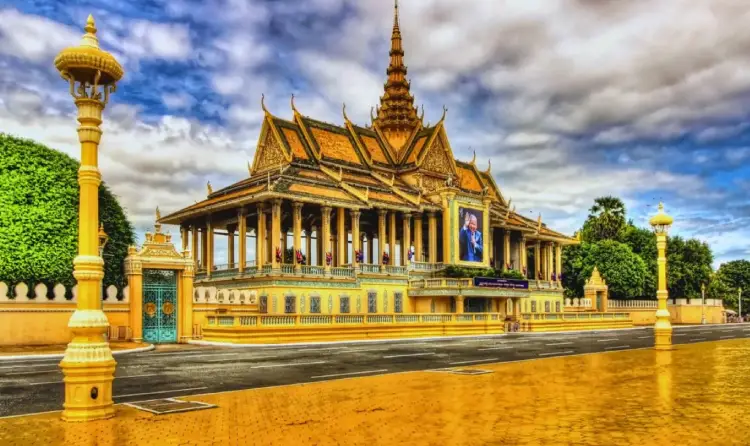
- Royal Palace & Silver Pagoda: Explore the residence of Cambodia’s king, famous for its Khmer roofs and the Emerald Buddha surrounded by silver tiles.
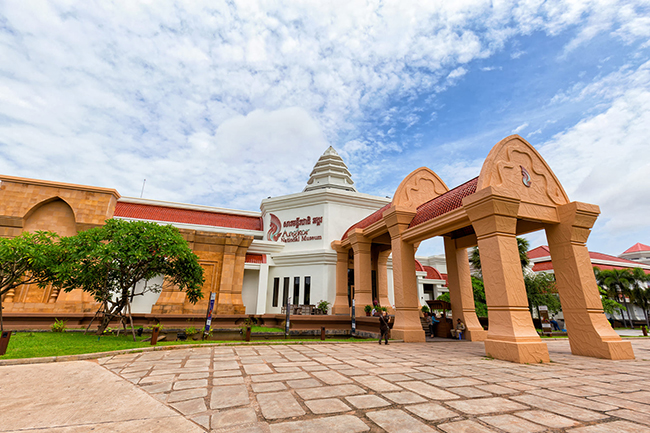
- National Museum of Cambodia: Home to the world’s finest collection of Khmer artifacts and a perfect introduction to the grandeur of Angkor and beyond.
- Wat Phnom: The spiritual heart of the city and the site of Phnom Penh’s founding legend. Enjoy its quiet gardens and historical charm.
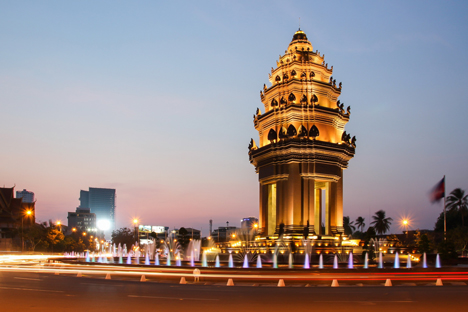
- Independence Monument: Built in 1958, this lotus-shaped stupa marks Cambodia’s independence from France. Best viewed at night when it's beautifully lit.
- Tuol Sleng Genocide Museum (S-21): Once a school turned into a prison during the Khmer Rouge era, now a somber museum preserving memory and history.
- Choeung Ek Genocidal Center: Located outside the city, this site, known as the Killing Fields, serves as a place of remembrance and reflection.
- Central Market (Phsar Thmey): An iconic yellow-domed building offering everything from souvenirs to electronics in Art Deco surroundings.
- Russian Market (Psar Tuol Tom Poung): Popular for handicrafts, fabrics, antiques, and delicious street food.
- Sisowath Quay (Riverside Promenade): A lively boulevard along the Tonlé Sap River, ideal for walking, people-watching, and catching riverboat sunsets.
Immersive Local Experiences: Beyond the Tourist Trail
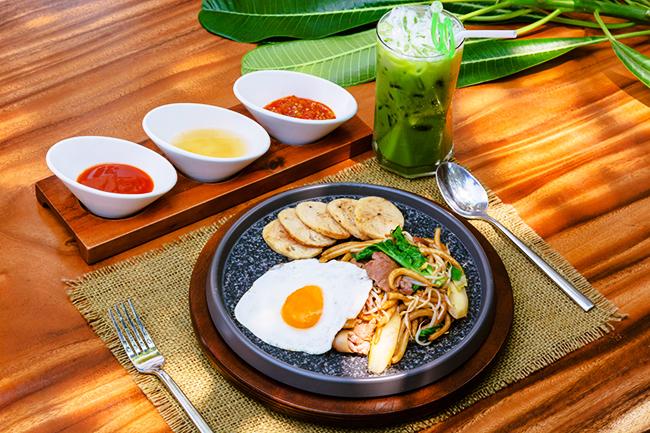
- Street Food Tours: Sample everything from spicy noodles to grilled meats at local markets and roadside vendors.
- Khmer Cooking Classes: Learn to make traditional Cambodian dishes using fresh local ingredients with a hands-on class.
- Cambodian Living Arts: Watch traditional dance performances and support cultural preservation through these captivating shows.
- Apsara Dance Shows: Graceful, meaningful, and spiritual – a must-see to appreciate Cambodia’s classical art.
- Silk Island (Koh Dach): Take a short ferry ride to see traditional silk weaving, rural homes, and village life untouched by the city's rush.
- Sunset River Cruises: Sail along the Tonlé Sap and Mekong Rivers as golden hour lights up the city skyline.
- Explore Cafes & Art Galleries: Discover Phnom Penh’s growing creative scene through cozy cafes and contemporary art spaces.
Practical Travel Tips for Phnom Penh
- Best Time to Visit: November to May is dry and sunny, perfect for sightseeing. The wet season (June–October) sees fewer tourists and lush landscapes.
- Getting Around: Tuk-tuks are easy to use and affordable. Use apps like PassApp or Grab for fair pricing. Motorbike taxis (moto-dops) are cheaper but best for short trips. Walking is pleasant in the riverside areas.
- Currency: USD is widely accepted. Cambodian Riel is used for small purchases. Carry small bills and expect change in a mix of currencies.
- Visa: Most travelers need a visa. Apply online (e-visa) or get a visa on arrival. Check requirements by nationality before travel.
- Safety: Phnom Penh is generally safe. Guard your bags on tuk-tuks and respect cultural norms, especially at religious sites.
- What to Pack: Light clothes, sunblock, insect repellent, a hat, and modest attire for temple visits. Comfortable shoes are essential for walking.
- Language: Khmer is the official language, but English is spoken at most tourist spots, hotels, and restaurants.
Phnom Penh is more than a capital – it's a symbol of Cambodia’s spirit, endurance, and blossoming future. With every temple visit, market stroll, and riverside sunset, you'll experience a place where history lives on and new stories are being written every day. Come and feel the rhythm of this captivating city for yourself.