
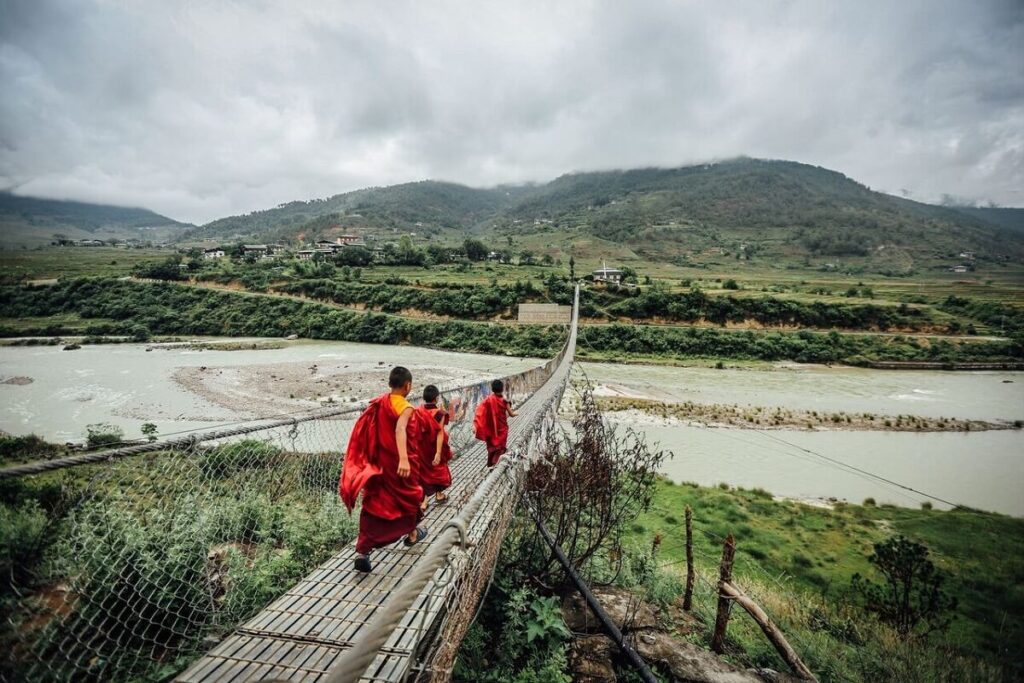
Set amid lush valleys and the confluence of two sacred rivers, Punakha is one of Bhutan’s most beautiful and spiritually rich destinations. Once the capital of the kingdom, this serene town remains a cultural and historical gem, drawing travelers with its iconic dzong, breathtaking scenery, thrilling outdoor activities, and peaceful rural charm.
Whether you’re a history buff, nature lover, or spiritual seeker, Punakha offers something unforgettable. This complete travel guide highlights the 13 best things to do in Punakha, Bhutan, including where to go, what to see, and essential tips for your journey.
Punakha Travel Guide – 13 Best Things to Do:
1. Visit the Majestic Punakha Dzong
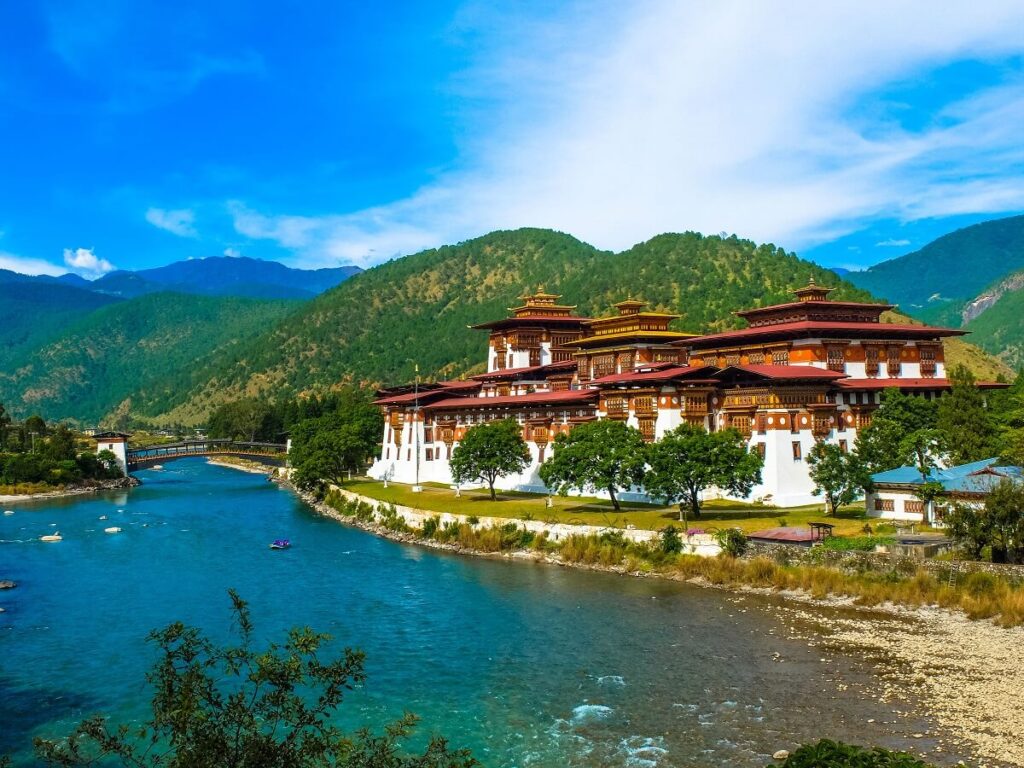
The highlight of any trip to Punakha is undoubtedly the iconic Punakha Dzong, considered the most beautiful dzong in Bhutan. Located at the confluence of the Pho Chhu (Father River) and Mo Chhu (Mother River), this 17th-century fortress-monastery is a masterpiece of traditional Bhutanese architecture.
- Admire the intricately carved woodwork and whitewashed walls.
- Cross the traditional cantilever bridge to reach the entrance.
- Witness monks in red robes chanting prayers in the peaceful courtyards.
- Visit during spring to see the jacaranda trees in full purple bloom around the dzong.
This site is also home to the sacred relics of Bhutan’s founding father, Zhabdrung Ngawang Namgyal. A visit here offers deep insight into Bhutanese spirituality and governance.
2. Walk Across the Longest Suspension Bridge in Bhutan
For those seeking a touch of adventure, head to the Punakha Suspension Bridge. Stretching over 160 meters, it is one of the longest suspension bridges in the country and connects the town with villages across the Pho Chhu River.
- Enjoy panoramic views of the river, rice fields, and mountains.
- Watch prayer flags flutter in the wind as you walk across.
- Ideal for photography and a bit of adrenaline, especially on windy days.
This bridge not only serves as a vital link for locals but also offers a unique way to soak in Punakha’s stunning riverine landscape.
3. Hike to Khamsum Yulley Namgyal Chorten
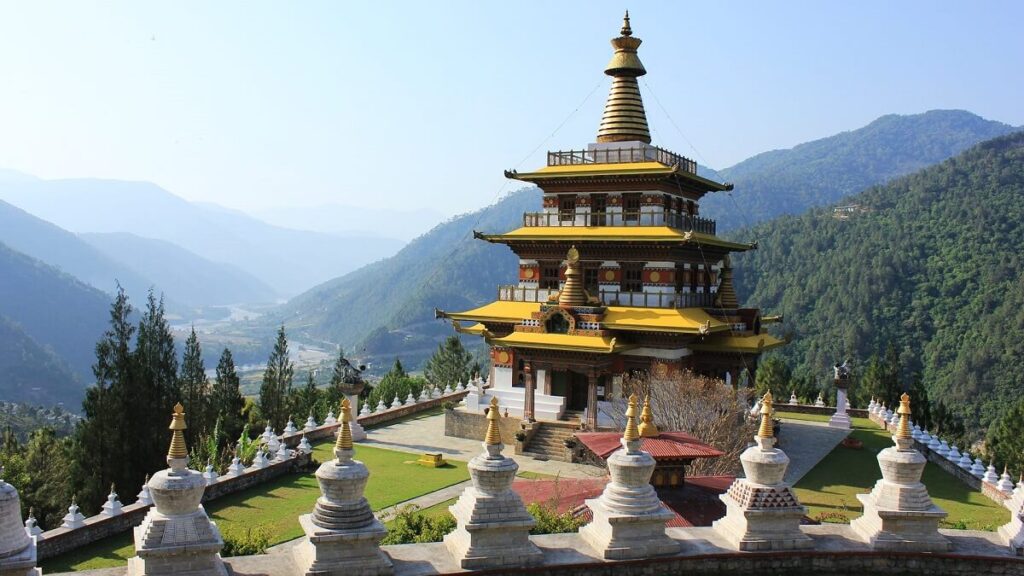
Set atop a ridge and surrounded by rice paddies and forests, the Khamsum Yulley Namgyal Chorten is a striking example of Bhutanese spiritual architecture. Commissioned by the Queen Mother for peace and harmony, this stupa offers both spiritual and scenic rewards.
- The 45-minute hike begins near the Mo Chhu River and winds through idyllic countryside.
- The temple’s design is based on sacred tantric architecture.
- Climb to the rooftop for breathtaking views of the Punakha Valley.
It’s one of the most photogenic and tranquil hikes you can take in Bhutan.
4. Explore the Fertility Temple – Chimi Lhakhang
One of the most unique places in Bhutan, Chimi Lhakhang is dedicated to the “Divine Madman”, Lama Drukpa Kunley. Known for his unorthodox methods of teaching, he is associated with fertility and spiritual liberation.
- The walk to the temple takes about 20 minutes through rice fields and a picturesque village.
- The temple is especially popular among couples seeking blessings to conceive.
- Inside, you’ll find paintings of phalluses—symbols of protection and fertility in Bhutanese culture.
This unusual and revered site blends humor, mythology, and deep-rooted faith in the most Bhutanese way possible.
5. Enjoy River Rafting on the Mo Chhu and Pho Chhu Rivers
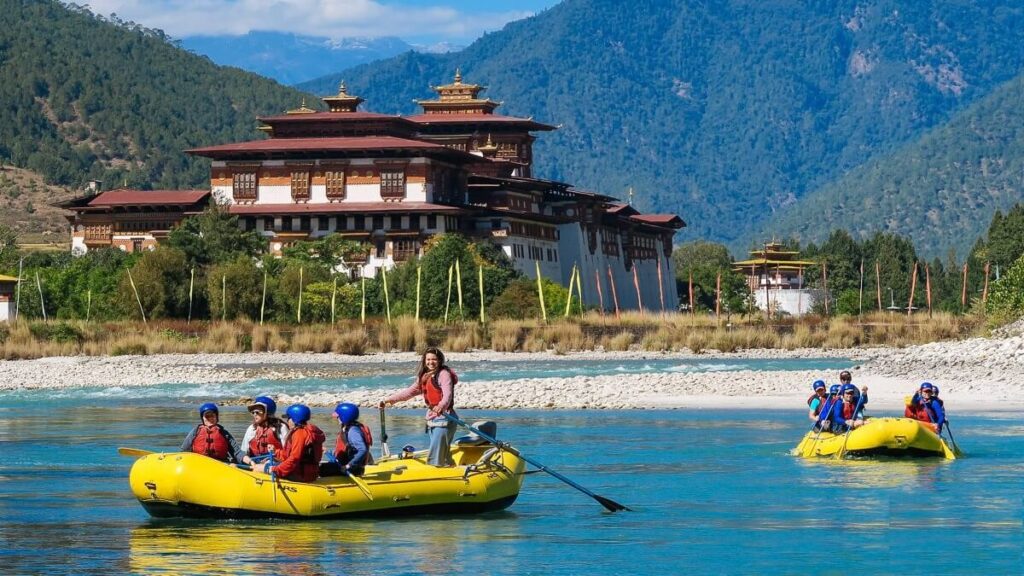
Looking for adventure in Punakha? River rafting is an exciting way to experience the region’s natural beauty. The Mo Chhu and Pho Chhu rivers offer gentle to moderate rapids, suitable for beginners and families.
- Raft past lush forests, traditional houses, and under Punakha Dzong.
- Enjoy a safe yet thrilling ride with trained guides and well-equipped rafting operators.
- Best time: March to May and September to November when the water levels are ideal.
It’s a refreshing way to connect with Bhutan’s pristine nature.
6. Visit Sangchhen Dorji Lhuendrup Nunnery
Perched atop a ridge overlooking the Punakha and Wangdue valleys, this spiritual site is both a monastery and a nunnery, offering a peaceful escape from the world below.
- Home to a large bronze statue of Avalokiteshvara (Chenrezig).
- Learn about the lives and education of Bhutanese nuns.
- Enjoy the serene ambiance, panoramic views, and surrounding gardens.
This nunnery also provides traditional education and life skills to young women in a safe, sacred setting.
7. Discover the Talo Monastery and Village Life
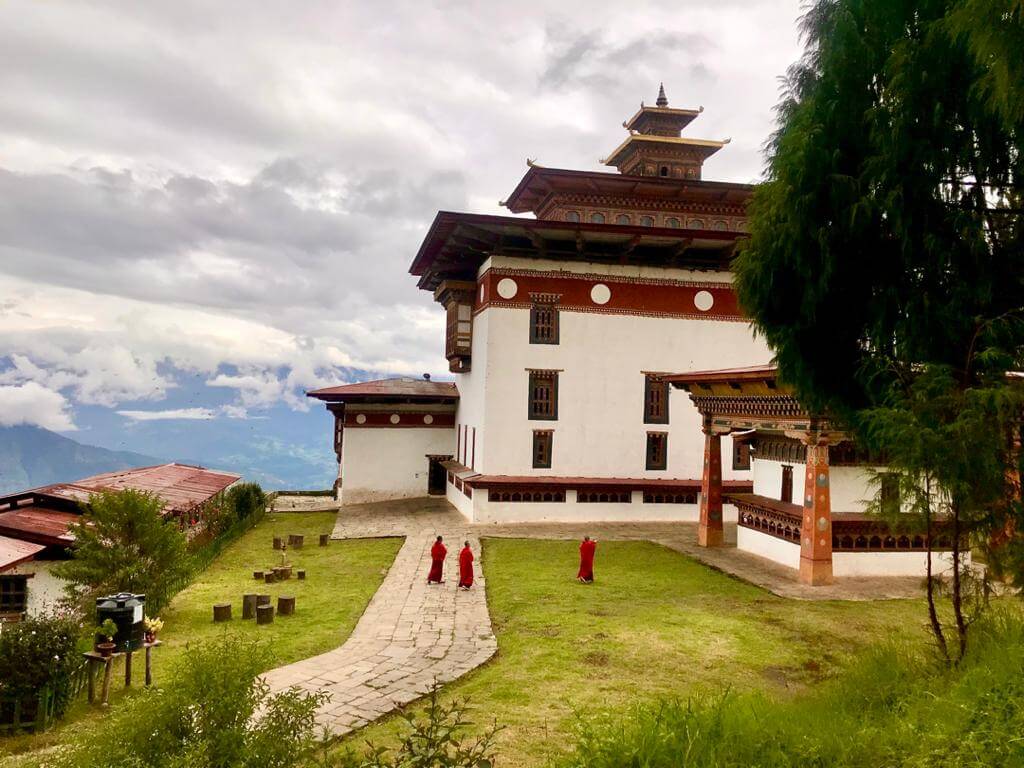
Talo Monastery, located in the quiet village of Talo, is known for its scenic location, floral gardens, and deep spiritual significance. At an elevation of 2,800 meters, the monastery offers stunning views of Punakha Valley.
- Enjoy a scenic drive through winding mountain roads and quaint villages.
- Interact with locals and observe traditional Bhutanese farming practices.
- Visit during the Talo Tshechu (festival) to witness masked dances and cultural performances.
This destination combines rural charm, community spirit, and devotional beauty.
8. Hike to Limbukha Village
For a cultural and scenic trek, visit Limbukha Village, known for its peace-loving people and traditional lifestyle. It’s an excellent day hike or bike ride from Punakha.
- Walk through rhododendron forests and terraced rice fields.
- Learn about the peace-promoting Limbu warriors who once refused violence.
- Experience Bhutanese hospitality with a home-cooked meal if arranged in advance.
Limbukha is perfect for travelers seeking meaningful cultural connections and countryside tranquility.
9. Stroll Through Punakha Ritsha Village
Ritsha Village is often called the “Rice Bowl of Bhutan” thanks to its fertile plains and thriving rice production.
- Take a leisurely walk among rice paddies and traditional houses built with rammed earth and bamboo.
- Learn about rice farming and Bhutanese rural life.
- Visit during harvest season (October-November) for vibrant landscapes and lively local activity.
It’s an authentic, off-the-beaten-path destination showcasing Bhutanese agricultural traditions.
10. Attend the Punakha Tshechu and Drubchen Festivals
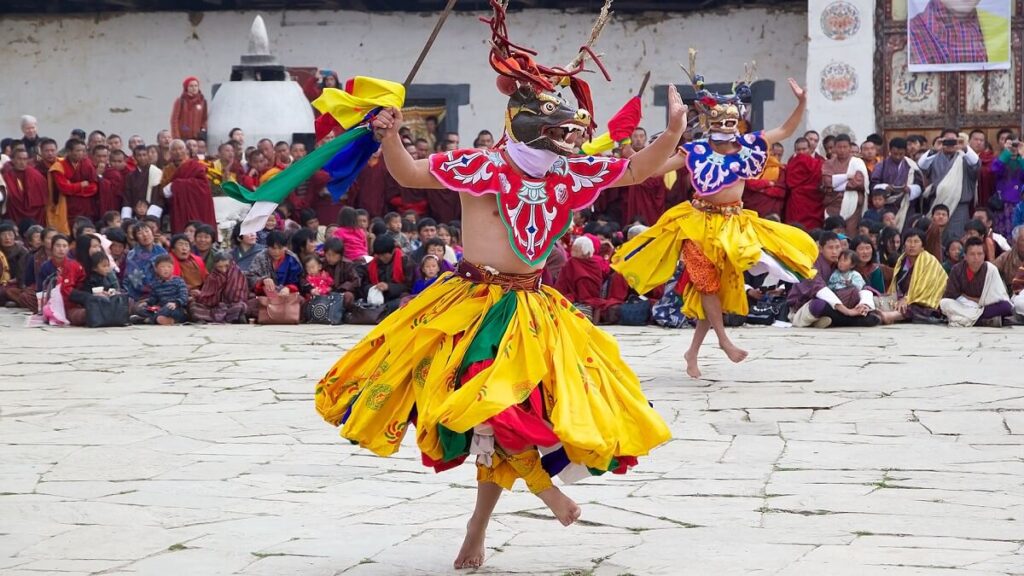
If your visit coincides with these grand annual festivals, you’re in for a spectacular cultural experience. Held in Punakha Dzong, these events are deeply spiritual yet joyfully vibrant.
- The Punakha Drubchen commemorates Bhutan’s victory against Tibetan invaders and features a dramatic recreation of the ancient battle.
- The Punakha Tshechu celebrates Bhutanese deities through masked dances, blessings, and rituals.
- Locals wear their finest attire, making it an explosion of color and community spirit.
Plan ahead, as these events draw both locals and international visitors.
11. Try Traditional Bhutanese Cuisine in Punakha
Punakha offers some delightful spots to try Bhutan’s fiery and hearty cuisine. Some specialties include:
- Ema Datshi (chili and cheese stew), the national dish.
- Red rice, momos (dumplings), and spicy pork curry.
- Ara, a traditional distilled rice or maize liquor, often homemade.
Visit local restaurants like Chimi Lhakhang Cafeteria or enjoy a farm-to-table meal arranged by a local homestay for a more immersive culinary experience.
12. Experience a Bhutanese Farmstay
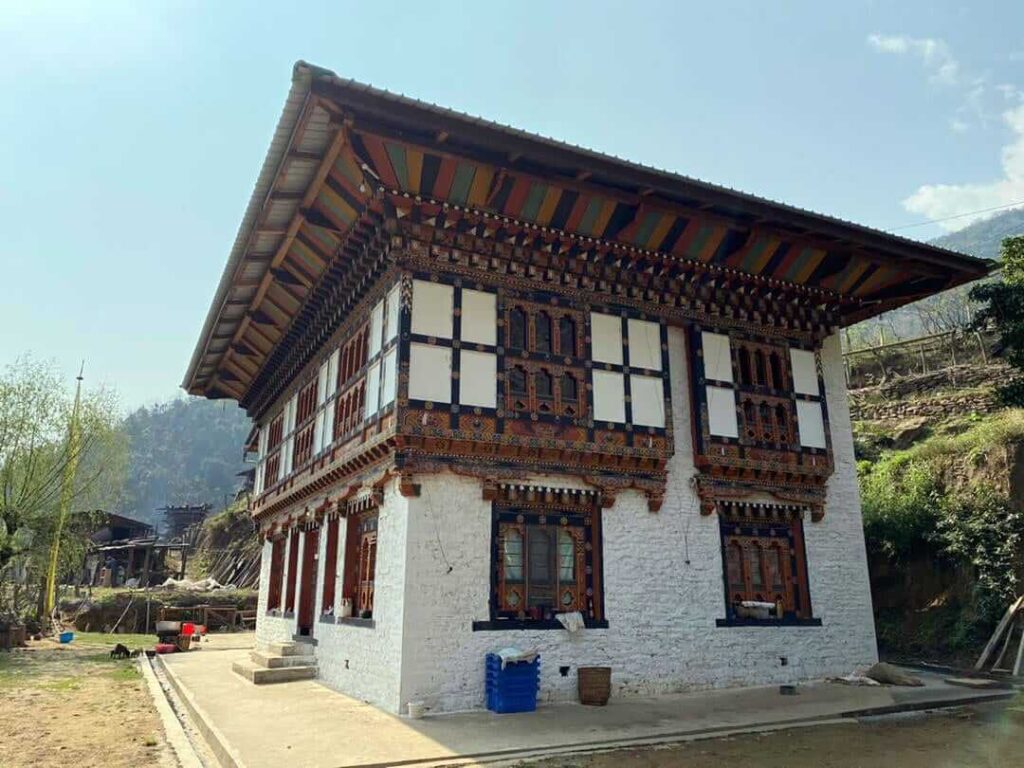
A farmstay in Punakha is an excellent way to connect deeply with Bhutanese culture, hospitality, and cuisine.
- Sleep in traditional homes with intricate woodwork and clay walls.
- Participate in daily farming activities like rice planting or cattle herding.
- Share local meals with your hosts and learn Bhutanese customs and folklore.
Popular villages offering farmstay experiences include Talo, Limbukha, and Ritsha.
13. Visit the Royal Botanical Park at Lamperi (En Route to Punakha)
Although technically outside Punakha, the Lamperi Botanical Garden is a scenic stopover on your way from Thimphu to Punakha.
- Explore over 46 species of rhododendrons, orchids, and native plants.
- Picnic by the tranquil Baritsho Lake inside the park.
- Spot birds and butterflies in this protected nature zone.
It’s a wonderful introduction to Bhutan’s rich biodiversity and perfect for a relaxing break on your road trip.
Best Time to Visit Punakha
Punakha enjoys a temperate climate, warmer than Thimphu or Paro, making it accessible almost year-round.
- Spring (March to May): Ideal for blooming flowers, rafting, and trekking.
- Autumn (September to November): Clear skies, ideal for festivals and scenic views.
- Winter (December to February): Mild and pleasant; Punakha is one of the warmest places in Bhutan during winter.
- Monsoon (June to August): Lush greenery, but occasional landslides and rain may affect travel.
How to Reach Punakha
Punakha does not have an airport. Here’s how to get there:
- Nearest Airport: Paro International Airport (120 km).
- By Road: Most visitors travel by road from Thimphu (approx. 2.5 to 3 hours via the Dochula Pass).
- Private vehicles or tour operators are recommended as public transport is limited and irregular.
Don’t forget to pause at the Dochula Pass for panoramic Himalayan views en route.
Where to Stay in Punakha
Accommodation options in Punakha range from luxury hotels to cozy guesthouses and authentic farmstays:
- Luxury: Dhensa Boutique Resort, RKPO Green Resort
- Mid-Range: Zhingkham Resort, Damchen Resort
- Budget & Farmstays: Local homestays in Ritsha or Talo
Booking in advance is advisable during festival season or peak travel months.
Travel Tips for Visiting Punakha
- Travel Permit: Foreign tourists need a Bhutanese visa and must book through a licensed tour operator. Indian nationals require entry permits.
- SIM & Connectivity: TashiCell and B-Mobile offer decent mobile connectivity.
- Respect local customs: Dress modestly, remove shoes in temples, and avoid pointing at sacred objects.
- Photography: Be mindful—photos inside temples are usually prohibited.
- Footwear: Comfortable walking shoes are a must for hikes and uneven paths.
- Weather: Carry layers even in warmer months as temperatures can vary.
- Water: Always drink bottled or filtered water.
Final Thoughts
From sacred monasteries and lively festivals to countryside hikes and river adventures, Punakha is a treasure trove of culture, spirituality, and natural beauty. Unlike the more touristy spots in Bhutan, Punakha retains a calm, lived-in authenticity that leaves a lasting impression.
Whether you’re walking through golden rice fields to a hidden temple or savoring homemade chili cheese at a village farmstay, Punakha promises an experience that is as enriching as it is beautiful.
So pack your bags and add these 13 best things to do in Punakha to your Bhutan travel itinerary—this tranquil valley is ready to inspire your soul.
Must-Read Guides:
- Places to See in Bhutan in September
- Bhutan Travel October for Best Places
- Places in Bhutan to Visit in November
- Bhutan Destinations to See in December
- Famous Restaurants in Bhutan
- Bhutan Nightlife Places to Explore
- Wildlife National Parks in Bhutan
- Bhutan Most Popular Treks
- Popular Temples in Bhutan
- Bhutan Travel in June 2026
- Wildlife National Parks in Bhutan
- Bhutan Most Popular Treks
- Places to See in Bhutan in November
- Hill Stations to Visit in Bhutan
