
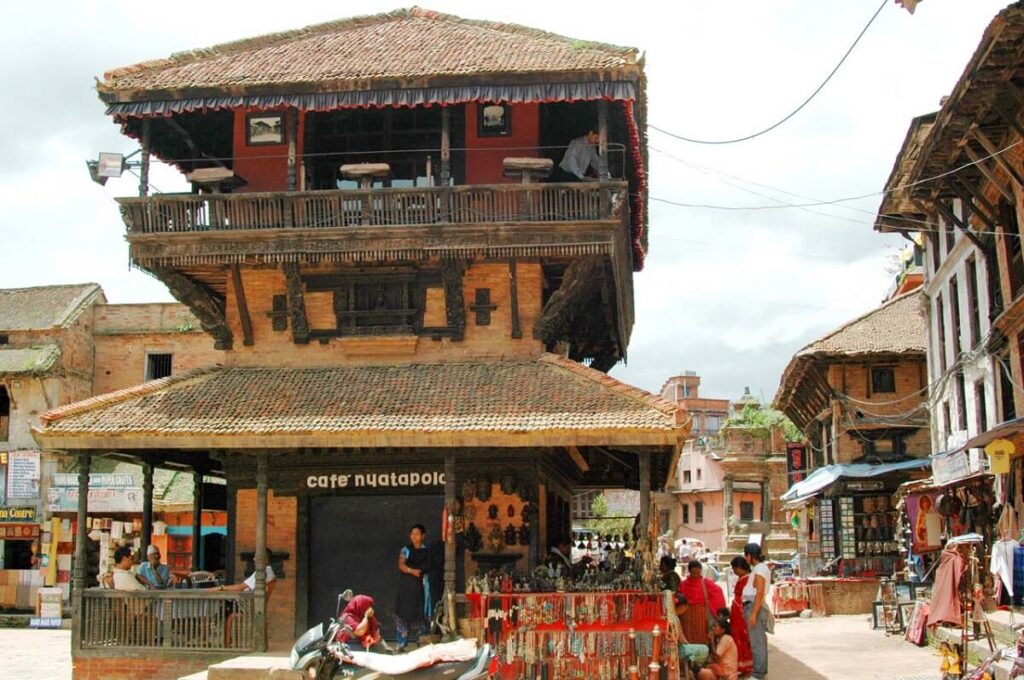
Bhaktapur is one of the most rewarding heritage cities in Nepal for travellers who enjoy architecture, temples, traditional crafts and places that are best explored slowly on foot. Located about 12 km east of Kathmandu, the old city forms one of the seven monument zones of the UNESCO-listed Kathmandu Valley World Heritage property.
The appeal of Bhaktapur goes far beyond a single Durbar Square. Within the historic core you can walk between royal courtyards, the five-storey Nyatapola Temple, Taumadhi Square, Pottery Square and Dattatreya Square, while nearby places such as Changu Narayan, Madhyapur Thimi and Nagarkot make it easy to turn a half-day visit into a full-day or overnight cultural trip.
This guide focuses on the best places to visit in Bhaktapur and nearby attractions. If you are looking for experiences such as pottery workshops, Newari food, heritage walks and festival activities, see our separate things to do in Bhaktapur guide.
Bhaktapur at a Glance
| Distance from Kathmandu | About 12 km east of Kathmandu |
| Best for | Heritage, architecture, temples, crafts and Newari culture |
| Minimum time | 4–5 hours for the historic core |
| Better experience | 1 full day, or 1 night when combining Nagarkot |
| Best walking area | Durbar Square → Taumadhi → Pottery Square → Dattatreya Square |
| Popular combination | Kathmandu → Bhaktapur → Nagarkot |
10 Best Places to Visit in Bhaktapur, Nepal
1. Bhaktapur Durbar Square
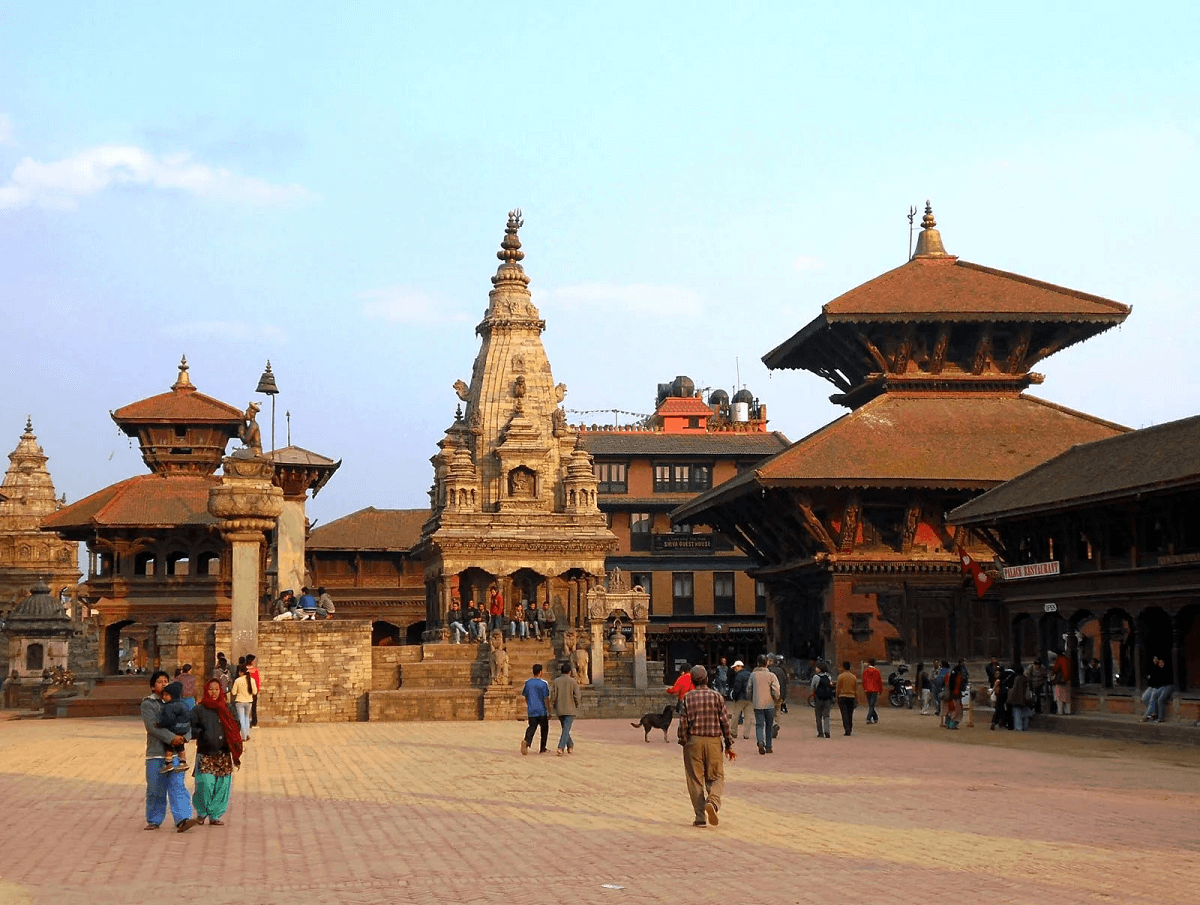
Bhaktapur Durbar Square is the natural starting point for a first visit. The square forms part of the UNESCO-listed Kathmandu Valley World Heritage property and brings together palaces, temples, courtyards, stone sculpture, woodcarving and metalwork from Bhaktapur’s royal past.
Important landmarks around the square include the Palace of Fifty-Five Windows, the Golden Gate, Vatsala Temple, the statue of King Bhupatindra Malla and a series of smaller shrines and courtyards.
Do not rush straight through the square toward the next monument. The details are what make Bhaktapur special: carved windows, brick paving, temple struts, metal doors and the way religious life continues around historic buildings.
Morning is particularly pleasant if you want softer light and fewer day-trip groups. A local guide is worthwhile if you are interested in the history and symbolism behind the architecture rather than simply taking photographs.
2. Palace of Fifty-Five Windows and the Golden Gate
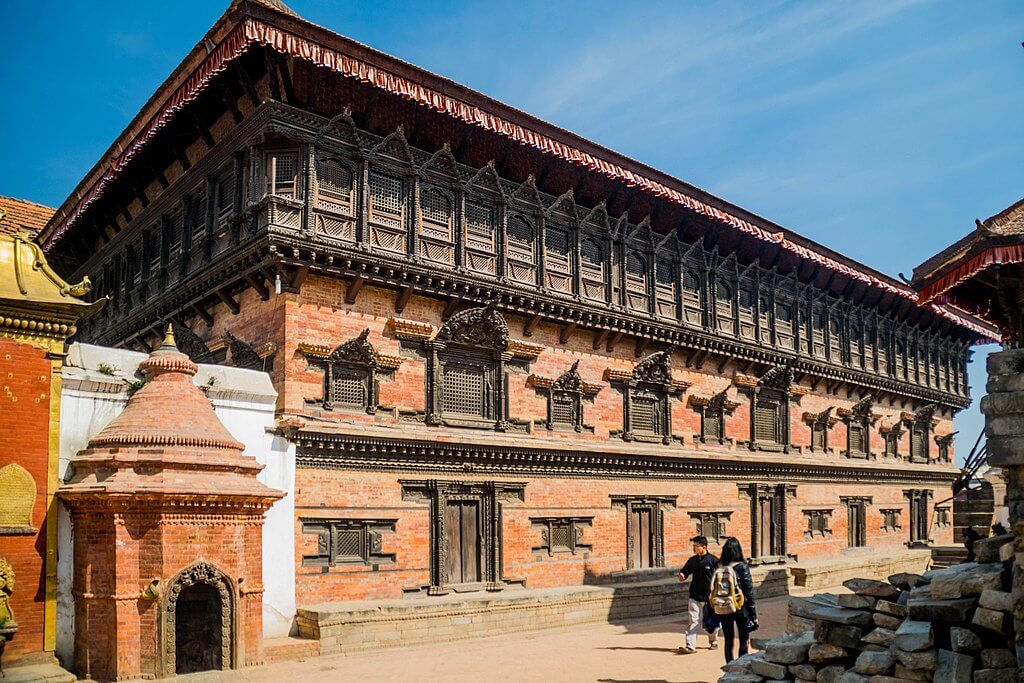
The Palace of Fifty-Five Windows is one of the best-known buildings in Bhaktapur Durbar Square. Its long wooden façade demonstrates the detailed craftsmanship for which the city is famous.
Beside the palace, the Golden Gate is one of Bhaktapur’s most impressive examples of metalwork. It provides access toward the palace courtyards and Taleju temple area, although access to individual sacred spaces may be restricted.
The previous version of this article repeated a popular story that the 55 windows represented 55 wives of a king. We have removed that claim because it is not needed to appreciate the building and is not supported by the official tourism description of the palace.
Allow time here for the architectural details rather than treating the palace as a separate long sightseeing stop. It works naturally as part of your Durbar Square walk.
3. Taumadhi Square and Nyatapola Temple
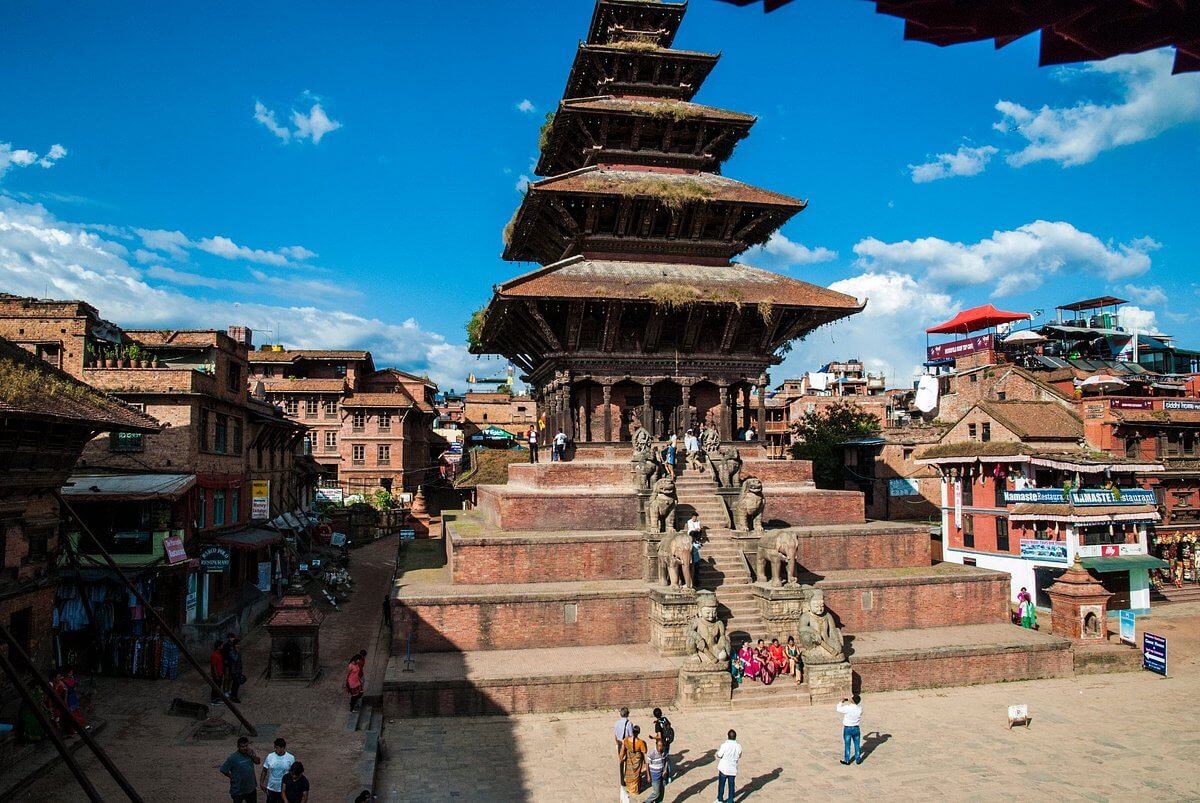
A short walk from Durbar Square brings you to Taumadhi Square, dominated by the five-storey Nyatapola Temple.
Built during the Malla period, Nyatapola is one of Bhaktapur’s defining landmarks. Its tall stepped base is lined with pairs of guardian figures that increase symbolically in strength as you climb toward the temple.
The upper steps provide a good view across Taumadhi Square, but remember that the temple itself is an active sacred structure rather than simply a viewing platform. Follow local access rules and avoid disturbing worship.
Taumadhi becomes especially lively during festivals such as Bisket Jatra, but even on an ordinary day it is a good place to observe how a historic square remains part of daily city life.
4. Bhairavnath Temple
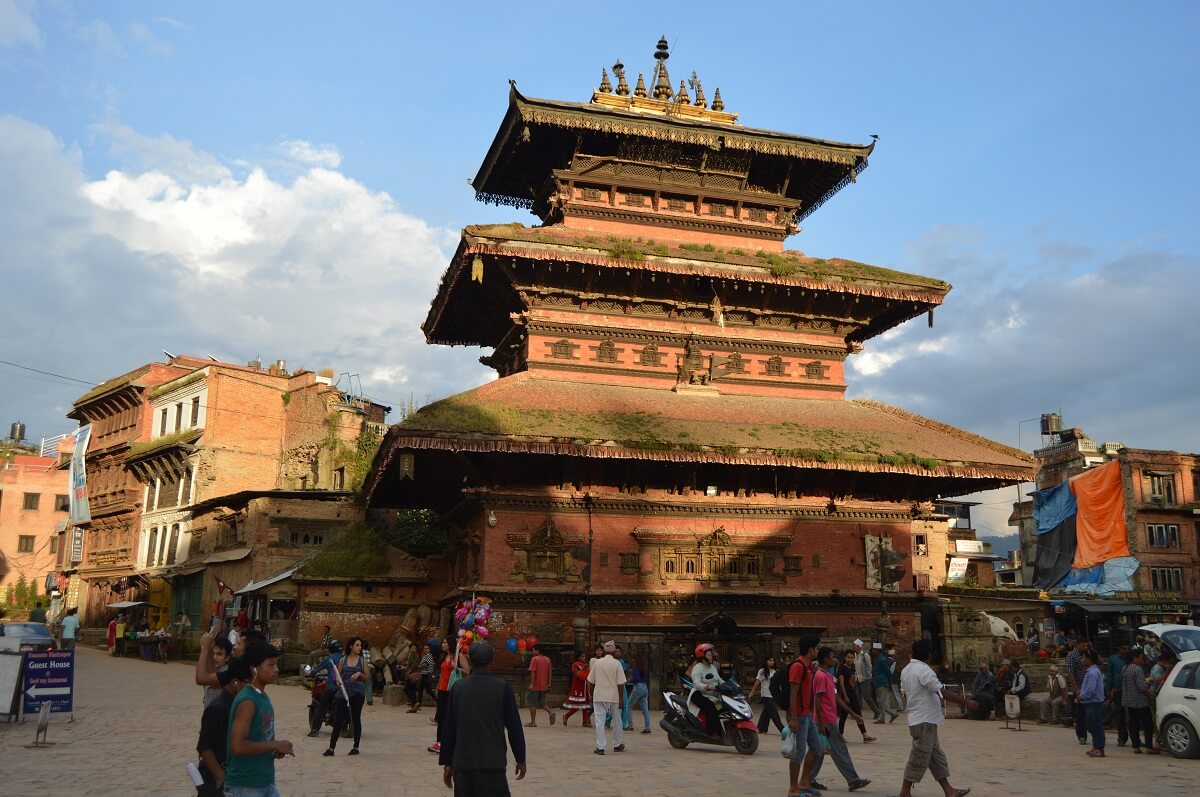
Bhairavnath Temple stands beside Nyatapola in Taumadhi Square and is dedicated to Bhairav, a fierce manifestation of Shiva.
The three-storey pagoda-style temple adds another layer to the square because its religious traditions are closely tied to Bhaktapur’s festival calendar and living Newari culture.
You do not need to visit Nyatapola and Bhairavnath as two separate journeys. Explore both slowly as part of the same Taumadhi Square stop, paying attention to the woodwork, rooflines, ritual spaces and local activity around the temples.
5. Pottery Square
Pottery Square is one of the places that most clearly shows Bhaktapur as a living craft city rather than an open-air museum.
Depending on the day and weather, you may see potters shaping clay, finished vessels drying in the open square and shops selling locally made ceramics. The rhythm changes during the rainy season, when outdoor drying becomes more difficult.
Pottery has long been associated with Bhaktapur and nearby Thimi. If you want a hands-on experience, use our Bhaktapur things-to-do guide for workshop and activity ideas rather than trying to turn this places guide into a long activity list.
Pottery Square is easy to include on a walking route between Taumadhi and other parts of the historic city.
6. Dattatreya Square and the Peacock Window
Dattatreya Square is one of Bhaktapur’s most important historic spaces and should not be omitted from a serious first-time itinerary.
The square takes its name from Dattatreya Temple, dedicated to the combined form of Brahma, Vishnu and Shiva. The surrounding area is also known for traditional Newari houses, woodcarving and the famous Peacock Window.
The nearby woodcarving displays help explain why Bhaktapur’s timber architecture is as important as its temples. If you enjoy craftsmanship, this part of the city may be more rewarding than simply spending additional time in the main Durbar Square.
Dattatreya Square is usually quieter than Taumadhi and works well later in your walking tour.
7. Siddha Pokhari
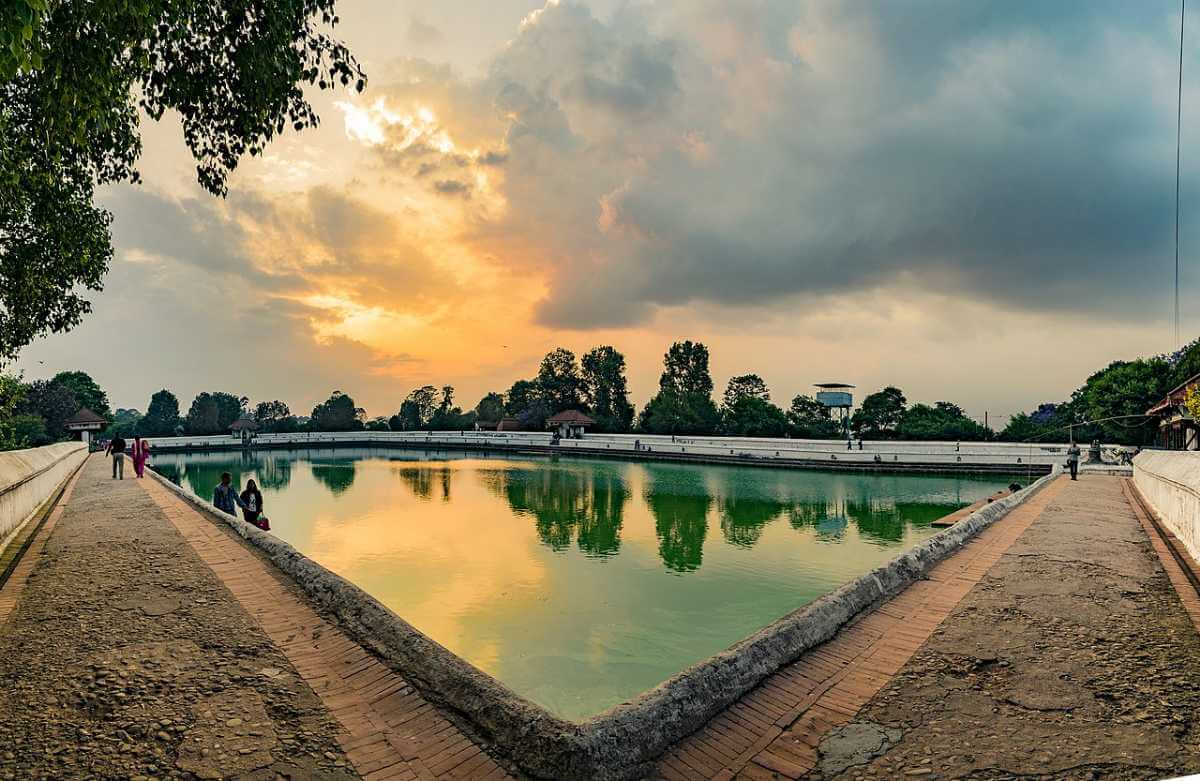
Siddha Pokhari, also known as Ta-Pukhu, is a large historic pond close to the old city. Nepal Tourism Board notes that Bhaktapur contains an unusually large number of public water tanks, and Siddha Pokhari is among the best-known examples.
The pond offers a quieter pause after several hours of temples and palace architecture. Local people use the surrounding area for walking and socializing, while religious activity increases during particular festivals.
If you are searching for a peaceful place within Bhaktapur rather than another monument, Siddha Pokhari is one of the easiest additions to the itinerary.
8. Changu Narayan Temple
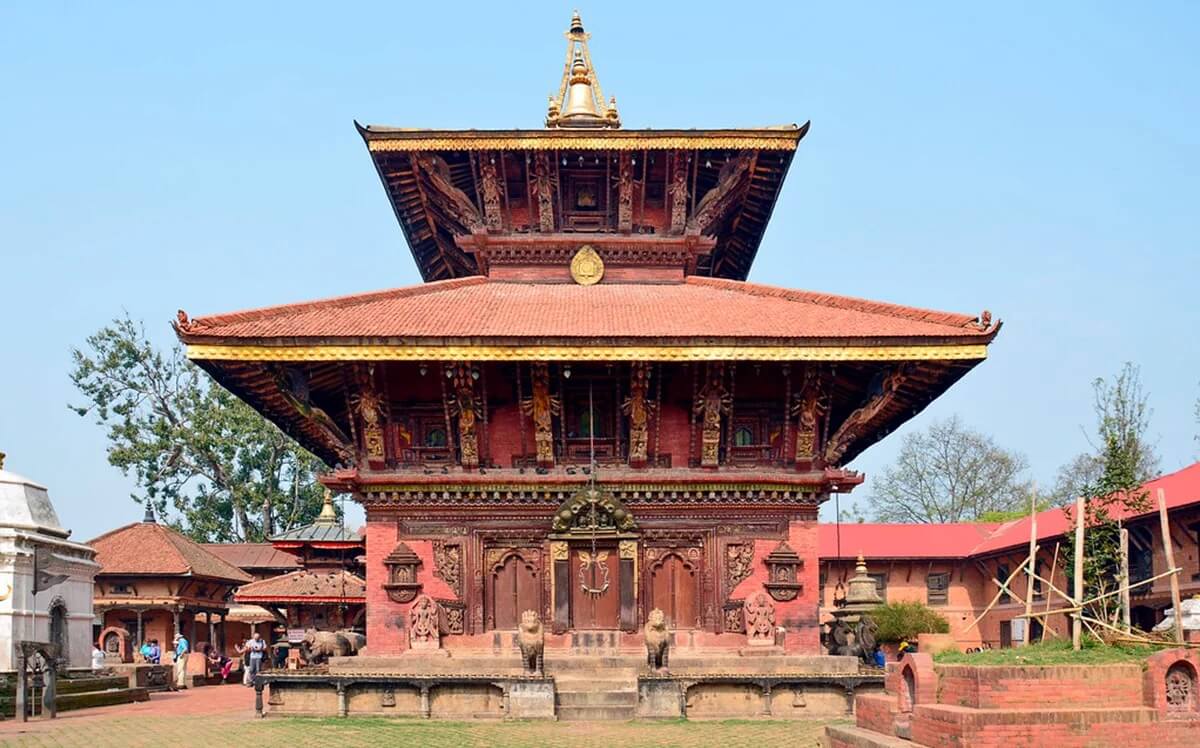
Changu Narayan is not in Bhaktapur’s central old-city walking zone, but it is one of the most important nearby heritage sites and deserves inclusion if you have a full day.
The temple complex is one of the seven monument zones included in the UNESCO Kathmandu Valley World Heritage property. UNESCO highlights Changu Narayan for its traditional Newari settlement, Hindu temple complex and some of the earliest inscriptions in the Kathmandu Valley, including material from the fifth century.
The hilltop setting and village atmosphere make the visit feel very different from Bhaktapur Durbar Square. It also combines naturally with a longer route toward Nagarkot.
Allow additional driving or walking time rather than trying to squeeze Changu Narayan into a short two-hour Bhaktapur stop.
9. Madhyapur Thimi
Madhyapur Thimi lies between Kathmandu and Bhaktapur and is particularly known for pottery and Newar traditions. Nepal Tourism Board describes Thimi as a Newar town where pottery remains an important household craft.
Thimi is a useful stop for travellers who want to see a less-touristed working town rather than another major monumental square. It is especially interesting during local festivals, although festival dates should be checked before arranging a visit.
If you have limited time, prioritize central Bhaktapur first. Add Thimi when you have a full day, a private vehicle or a strong interest in crafts and local culture.
10. Nagarkot
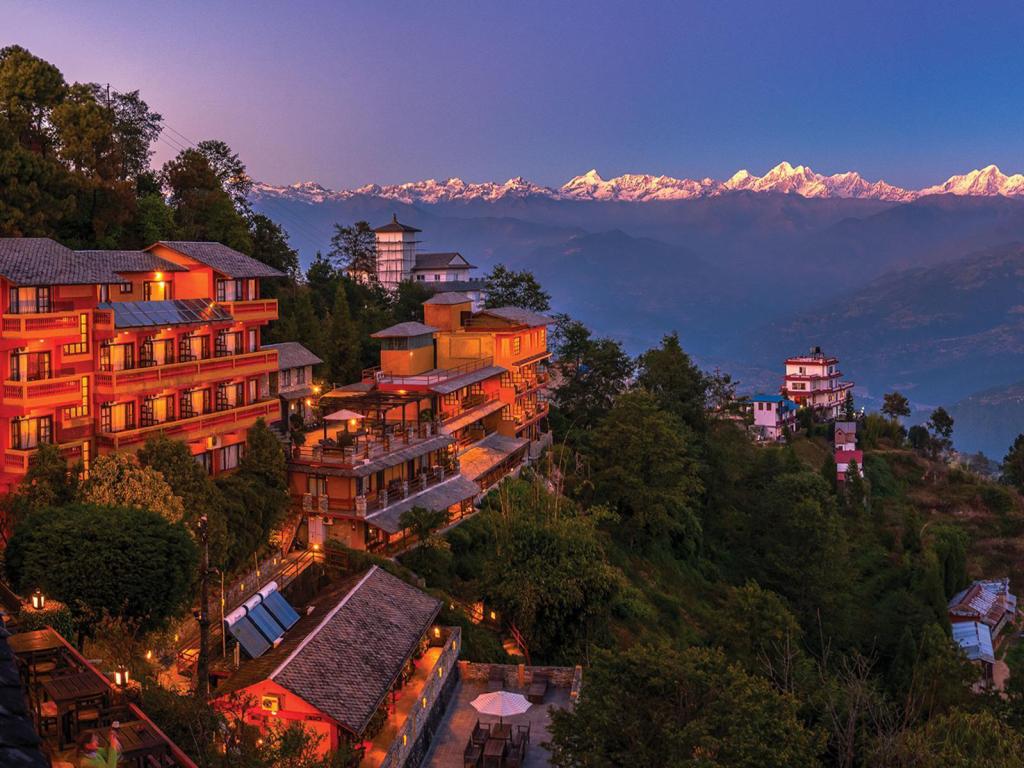
Nagarkot is a hill destination east of the Kathmandu Valley known for Himalayan views, sunrise, sunset, short walks and a cooler, quieter atmosphere than the valley cities.
It is best treated as a nearby extension to Bhaktapur, not as another monument inside Bhaktapur city. A practical route is:
Kathmandu → Bhaktapur → Nagarkot
Spend the day exploring Bhaktapur and continue to Nagarkot in the afternoon. Staying overnight gives you the chance to see sunrise without making an extremely early drive from Kathmandu.
If Nagarkot is important to your trip, read our Kathmandu to Nagarkot travel guide or explore Nagarkot tours.
What Is Bhaktapur Famous For?
Bhaktapur is famous for Newari architecture, royal squares, temples, carved wooden windows, pottery, traditional crafts, festivals and local food. The city’s red-brick streets and interconnected public squares make it one of the most atmospheric places to explore in the Kathmandu Valley.
Bhaktapur Durbar Square is part of the UNESCO-listed Kathmandu Valley property, while Changu Narayan forms another UNESCO monument zone nearby.
The city is also closely associated with Juju Dhau, the rich local yogurt often served in traditional clay pots. For travellers, however, Bhaktapur’s strongest attraction is that heritage is not confined to a single monument. Temples, courtyards, workshops, homes and daily religious practices remain woven into the city.
Best Places to Visit Near Bhaktapur
Your historical search visibility also included people looking specifically for places near Bhaktapur. The strongest nearby choices are:
- Changu Narayan: important UNESCO-listed temple complex and traditional settlement.
- Nagarkot: Himalayan viewpoints, sunrise, sunset and short walks.
- Madhyapur Thimi: pottery, Newar culture and local neighborhoods between Kathmandu and Bhaktapur.
- Suryabinayak: a Ganesh temple set in a forested area south of the city, useful for travellers wanting a short religious and greener stop.
If you have only half a day, stay within historic Bhaktapur. If you have a full day, add Changu Narayan. For a two-day route, combine Bhaktapur with an overnight stay in Nagarkot.
Natural Places to Visit in and Around Bhaktapur
Bhaktapur is primarily a cultural destination, so travellers searching for natural places should look slightly beyond the old city.
Nagarkot is the strongest choice for Himalayan scenery and hill walks. Suryabinayak provides a greener forest setting close to Bhaktapur, while the area around Changu Narayan combines hilltop heritage with village and countryside views.
Siddha Pokhari also offers a peaceful waterside break within the city itself, although it should not be confused with a wilderness attraction.
How Much Time Do You Need in Bhaktapur?
Four to five hours is enough to see the main historic core at a comfortable pace.
- 2–3 hours: Durbar Square, Taumadhi Square and a quick walk through the old city.
- 4–5 hours: Add Pottery Square, Dattatreya Square, Siddha Pokhari and time for lunch.
- Full day: Explore central Bhaktapur properly and add Changu Narayan or Thimi.
- 1 night: Best if continuing to Nagarkot for sunset and sunrise.
For travellers interested in photography, architecture and local food, Bhaktapur is worth more than the quick two-hour stop sometimes included in rushed Kathmandu sightseeing tours.
A Practical One-Day Bhaktapur Itinerary
Morning: Bhaktapur Durbar Square
Arrive early and begin at Durbar Square. Explore the Palace of Fifty-Five Windows, Golden Gate, Vatsala Temple and surrounding courtyards before day-trip crowds become heavier.
Late Morning: Taumadhi and Pottery Square
Walk to Taumadhi Square for Nyatapola and Bhairavnath Temple, then continue through the lanes to Pottery Square.
Lunch: Try Newari Food
Stop for a relaxed lunch and try local dishes according to your preferences. Juju Dhau makes an easy Bhaktapur specialty to add without turning lunch into a formal food tour.
Afternoon: Dattatreya Square
Continue to Dattatreya Square and the Peacock Window area. This is a good place to slow the pace and focus on woodcarving and traditional architecture.
Late Afternoon: Choose Your Extension
If returning to Kathmandu, finish around Siddha Pokhari. If staying overnight outside the city, continue toward Nagarkot for sunset and the following morning’s sunrise.
Bhaktapur Entry Fee for Foreign Visitors
Bhaktapur Municipality charges foreign visitors an entrance fee for the protected core area, and the money contributes to heritage conservation and city services.
The municipality’s latest published tourist-service report lists NPR 1,800 for non-SAARC visitors (or US$15 where accepted) and NPR 500 for SAARC and Chinese visitors. Fees can change, so check the current municipal rate before travel rather than relying on an old blog post or screenshot.
Keep your ticket with you while walking around the heritage area because it may be checked at access points.
Best Time to Visit Bhaktapur
October and November are excellent months for comfortable walking and generally clearer skies after the monsoon. March and April are also good for cultural sightseeing, with warmer daytime conditions.
Bhaktapur can be visited year-round because most of its appeal comes from architecture and living culture rather than seasonal scenery. During the monsoon, however, old brick and stone surfaces can become slippery.
If photography is important, early morning and late afternoon usually provide softer light and a calmer atmosphere than the middle of the day.
How to Reach Bhaktapur from Kathmandu
Bhaktapur lies roughly 12 km east of Kathmandu on the Arniko Highway. Actual travel time depends much more on Kathmandu Valley traffic than on the distance itself.
A private vehicle is the most convenient choice for international travellers because it makes it easy to combine Bhaktapur with Changu Narayan or Nagarkot. Local buses are cheaper but require more time and familiarity with the route.
If you are staying in Kathmandu and only want the historic city, Bhaktapur works well as a half-day or full-day excursion. For a slower itinerary, stay overnight in Bhaktapur or continue to Nagarkot.
Is Bhaktapur Worth Visiting?
Yes, especially for travellers interested in heritage, architecture and local culture.
Kathmandu has more famous individual sites, but Bhaktapur offers one of the Kathmandu Valley’s most coherent historic-city experiences. You can move between major squares on foot while passing residential lanes, shrines, workshops and traditional buildings in between.
For a first trip to Nepal, I would normally include Bhaktapur if you have at least two full sightseeing days in the Kathmandu Valley. It is even more worthwhile when paired with Nagarkot or Changu Narayan.
Bhaktapur for Families, Couples and Friends
Families usually find Bhaktapur manageable because the central attractions are relatively close together, although uneven paving and steep temple steps require care with younger children or travellers with limited mobility.
Couples may prefer a slower afternoon visit followed by an overnight stay in Nagarkot, combining heritage with sunset and sunrise views.
Friends can combine the historic squares with food, pottery, photography and an onward trip to Nagarkot.
The key for all three groups is the same: do not try to turn Bhaktapur into a checklist of 15 monuments. The city is better when you leave time to wander.
Where Does Bhaktapur Fit Into a Nepal Itinerary?
Bhaktapur fits naturally into almost any culture-focused Nepal trip because it is close to Kathmandu and pairs especially well with Nagarkot.
A practical short route is:
Kathmandu → Patan → Nagarkot → Bhaktapur → Kathmandu
Tusk Travel’s 5 Days Nepal Tour already combines Kathmandu, Patan, Nagarkot and Bhaktapur, so the destination has a direct connection to a bookable Nepal itinerary rather than being an isolated blog topic.
A private itinerary can give Bhaktapur more time than a standard group day tour and can combine it with Changu Narayan, Nagarkot or other Kathmandu Valley sites according to your interests and pace.
Frequently Asked Questions About Bhaktapur
What are the best places to visit in Bhaktapur?
Start with Bhaktapur Durbar Square, the Palace of Fifty-Five Windows and Golden Gate, Taumadhi Square, Nyatapola Temple, Bhairavnath Temple, Pottery Square and Dattatreya Square. With more time, add Siddha Pokhari, Changu Narayan, Thimi or Nagarkot.
What is Bhaktapur famous for?
Bhaktapur is famous for Newari architecture, temples, palace squares, woodcarving, pottery, traditional crafts, festivals and Juju Dhau. Its historic core forms part of the UNESCO-listed Kathmandu Valley World Heritage property.
Is Bhaktapur Durbar Square a UNESCO World Heritage Site?
Bhaktapur Durbar Square is one of the seven monument zones that together make up the UNESCO World Heritage property called the Kathmandu Valley. Changu Narayan is another of those seven zones.
How far is Bhaktapur from Kathmandu?
Nepal Tourism Board places Bhaktapur about 12 km east of Kathmandu. Driving time varies considerably with traffic.
How much time is enough for Bhaktapur?
Allow at least four to five hours for the historic core. A full day is better if you want to visit Changu Narayan or explore slowly, while an overnight itinerary works well when adding Nagarkot.
What are the best natural places near Bhaktapur?
Nagarkot is the strongest choice for Himalayan scenery and hill walks. Suryabinayak offers a forested temple setting closer to the city, while the Changu Narayan area combines heritage with countryside views.
Is Bhaktapur suitable for a family trip?
Yes. The compact historic core works well for families, but keep in mind that old paving can be uneven and some temple steps are steep.
What is the current Bhaktapur entry fee?
The latest published Bhaktapur Municipality tourist report lists NPR 1,800 for non-SAARC visitors and NPR 500 for SAARC and Chinese visitors. Because municipal fees can change, confirm the current amount before your visit.
Should I visit Bhaktapur or Nagarkot?
They offer different experiences, so combining them is often better than choosing one. Bhaktapur is primarily about heritage and Newari culture, while Nagarkot is known for hill scenery, sunrise and Himalayan views.
Final Thoughts
Bhaktapur is one of the best places in Nepal to slow down and experience the Kathmandu Valley’s architectural and cultural heritage at street level.
Begin with Durbar Square, but do not stop there. Walk to Taumadhi, spend time around Pottery Square, continue to Dattatreya Square and leave enough space in the day for local food, crafts and the smaller details between the major monuments.
If your schedule allows, add Changu Narayan or stay overnight in Nagarkot. That turns a quick Kathmandu day trip into a much more complete heritage-and-landscape experience.
For a private journey, explore our Bhaktapur tours or Nepal tour packages and customize the route around the places you most want to experience.
