Thimphu, the capital of Bhutan, is unlike any other capital city in the world. Instead of skyscrapers and neon lights, you will find monasteries, dzongs, bustling weekend markets, and prayer flags fluttering in the wind. The city is modern yet deeply rooted in tradition, offering a unique experience to travelers who wish to explore both Bhutanese culture and Himalayan landscapes.
This guide covers the top 13 things to do in Thimphu, along with practical details that help you plan your visit effectively. Whether you are interested in monasteries, museums, or local food, Thimphu offers experiences that reflect the heart of Bhutan.
Thimphu Travel Guide: 13 Must-Do Activities
1. Visit Tashichho Dzong
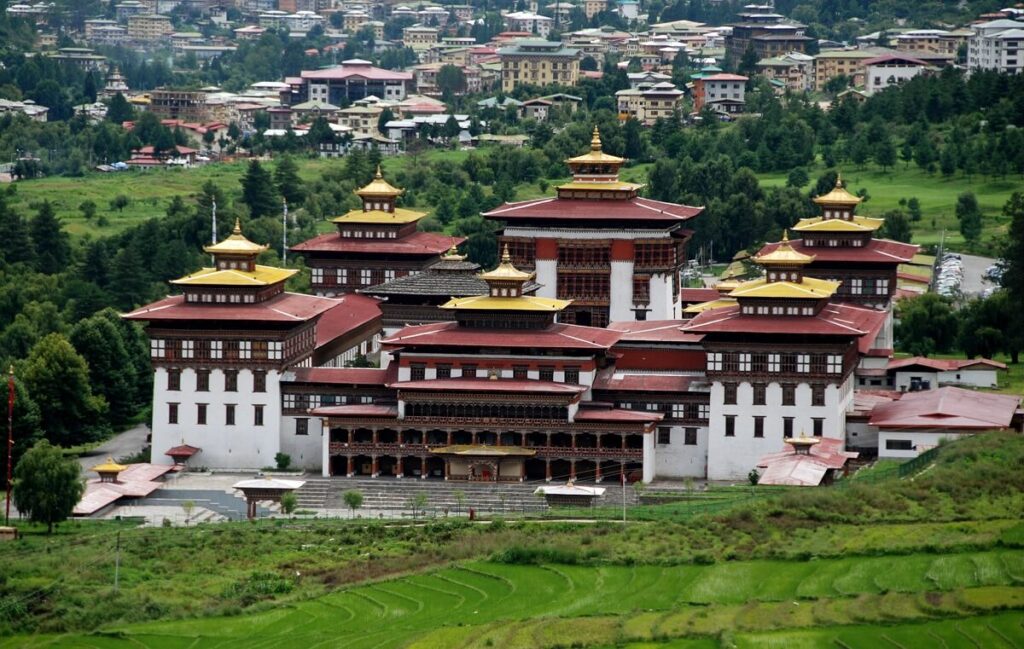
Tashichho Dzong is the most iconic landmark in Thimphu. This massive fortress-monastery serves as the seat of Bhutan’s government and the office of the King. The Dzong has a long history dating back to the 17th century and is an impressive example of traditional Bhutanese architecture.
Why Visit
- See Bhutan’s administrative and religious center.
- Explore the assembly hall and monastic chambers.
- Enjoy the evening illumination when the Dzong glows beautifully against the mountains.
Visitor Information
- Location: North of the city, along the Wang Chhu River.
- Entry: Free for locals, tourists require a guide and permit.
- Best Time: Evening (for the lights) or during the annual Thimphu Tshechu Festival (September/October).
2. Buddha Dordenma Statue
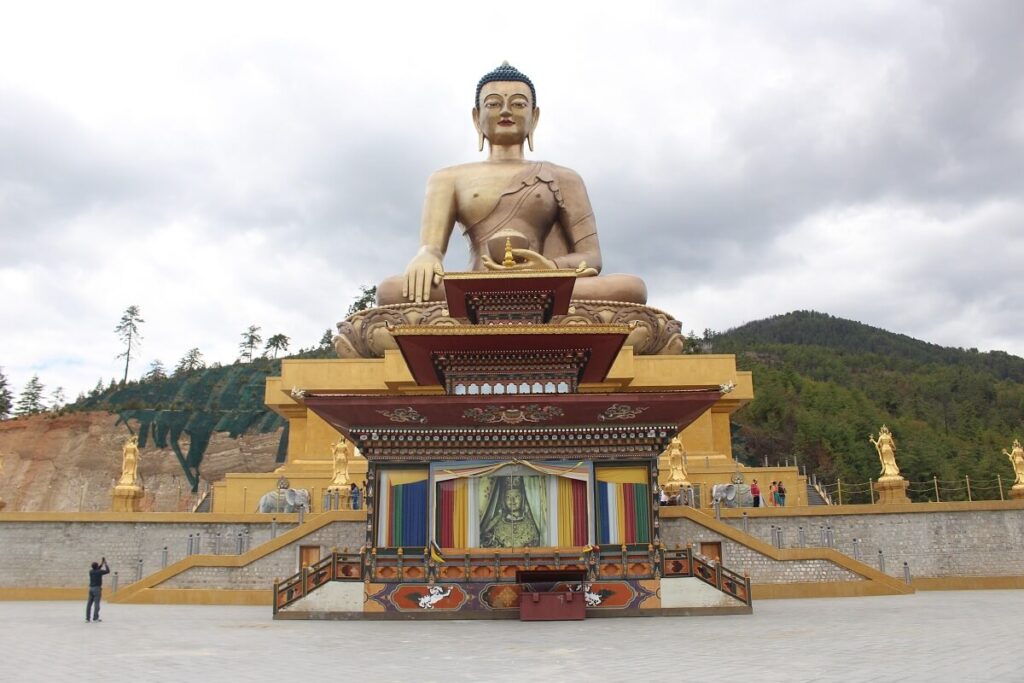
The Buddha Dordenma, sitting atop a hill in Kuensel Phodrang Nature Park, is one of the largest Buddha statues in the world, standing 51 meters tall. The golden figure houses over 125,000 smaller Buddha statues inside, each made of bronze and gilded in gold.
Why Visit
- Offers panoramic views of the Thimphu valley.
- Serves as a powerful spiritual site.
- A great spot for photography at sunrise or sunset.
Visitor Information
- Entry: Free.
- Best Time: Early morning for fewer crowds and clear skies.
- Combine with: A short hike around Kuensel Phodrang Park.
3. Explore the National Memorial Chorten
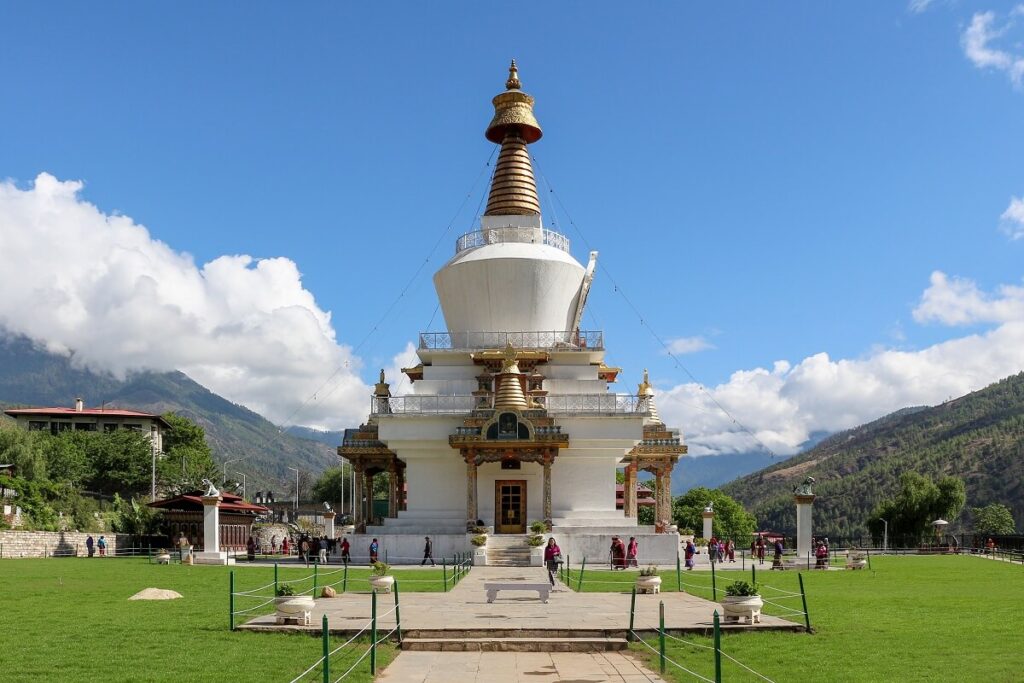
The National Memorial Chorten is a large white stupa built in 1974 in memory of the third king, Jigme Dorji Wangchuck. It is one of the most visited religious sites in Bhutan, where locals gather daily for prayers and circumambulation.
Why Visit
- Experience Bhutanese spirituality in action.
- Watch locals of all ages turning prayer wheels and chanting.
- A perfect place to observe how religion is integrated into daily life.
Visitor Information
- Entry Fee: Around Nu. 300 for foreigners.
- Location: City center, easily accessible.
- Tip: Visit in the morning when locals gather for prayers.
4. Discover Folk Heritage Museum
If you want to understand Bhutanese rural life, the Folk Heritage Museum is the best place to start. Established in a traditional 3-story Bhutanese house, the museum showcases farming tools, household objects, and lifestyle practices of Bhutanese villagers.
Why Visit
- Learn about Bhutan’s agricultural traditions.
- See exhibits of traditional kitchens, oil lamps, and farming tools.
- Experience demonstrations of weaving and food preparation.
Visitor Information
- Entry Fee: Around Nu. 150.
- Location: Kawajangsa, near the National Library.
- Best Time: Weekdays (less crowded).
Suggested Bhutan Vacation Packages:
- Bhutan Tour Itinerary – 5 Nights 6 Days
- Bhutan Itinerary – 4 Nights 5 Days Trip
- 8 Days Complete Bhutan Tour Package
- Bhutan Holiday Package – 6 Nights 7 Days
5. Thimphu Weekend Market
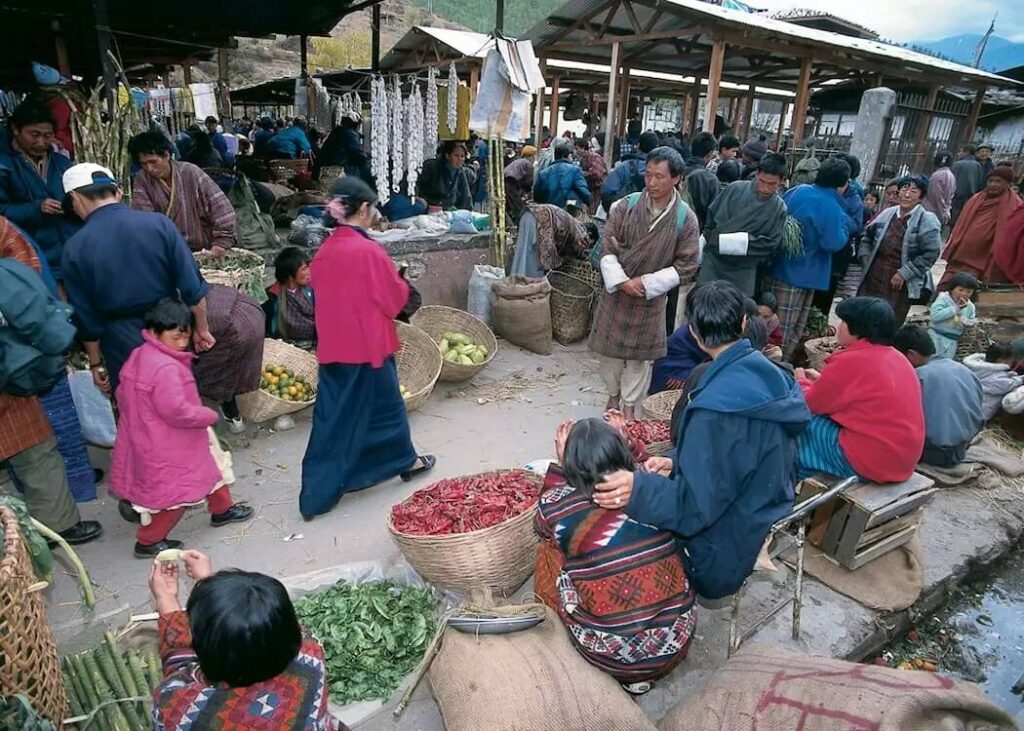
The Centenary Farmers’ Market, held from Friday to Sunday, is the largest market in Bhutan. Farmers from across the country come to Thimphu to sell fresh produce, dried fish, yak cheese, incense, and textiles.
Why Visit
- A lively cultural experience with bargaining and local interaction.
- Perfect spot to try ema datshi (chili cheese), the national dish.
- Buy handicrafts, prayer flags, and souvenirs.
Visitor Information
- Location: Near Wang Chhu River.
- Open: Friday to Sunday, 7 AM – late evening.
- Tip: Visit early for the freshest produce.
6. Experience Changangkha Lhakhang
Perched on a ridge above central Thimphu, Changangkha Lhakhang is one of the oldest temples in the capital, built in the 12th century. It is dedicated to Chenrezig, the Buddhist deity of compassion. Local parents bring their newborns here for blessings.
Why Visit
- Explore murals, statues, and prayer wheels.
- Get a blessing for health and good fortune.
- Admire views of Thimphu from the temple courtyard.
Visitor Information
- Entry: Free, though donations are welcome.
- Location: About 10 minutes from the city center.
- Best Time: Morning for prayers, or evening for sunset views.
7. Visit the National Institute for Zorig Chusum (Arts and Crafts School)
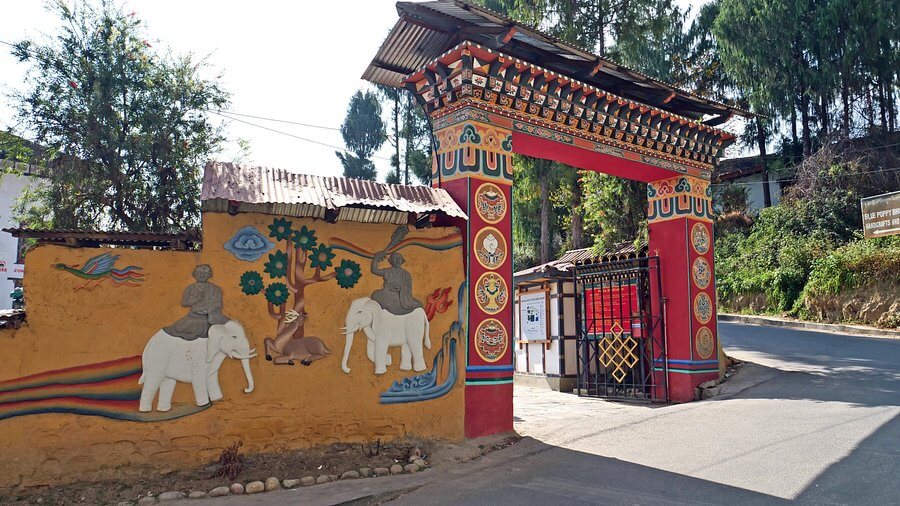
Also called the “Painting School”, the National Institute for Zorig Chusum trains students in the 13 traditional arts of Bhutan. These include painting, woodcarving, embroidery, and statue-making. Watching young artists at work is both inspiring and educational.
Why Visit
- Learn how Bhutan preserves its centuries-old crafts.
- See live demonstrations of painting thangkas and carving.
- Buy authentic student artwork at affordable prices.
Visitor Information
- Entry Fee: Around Nu. 100.
- Best Time: Morning, when classes are in session.
- Location: Near the National Library.
8. Explore the National Library of Bhutan
The National Library of Bhutan houses a rich collection of Buddhist manuscripts, ancient texts, and modern publications on Bhutan’s history and culture. The building itself is built in traditional Bhutanese style, resembling a giant temple.
Why Visit
- See ancient Buddhist texts written on handmade paper.
- Learn about Bhutan’s literary and religious heritage.
- A peaceful environment for reflection and study.
Visitor Information
- Entry Fee: Around Nu. 50–100.
- Location: Kawajangsa area.
- Best Time: Morning hours, when it’s quieter.
9. Discover Motithang Takin Preserve
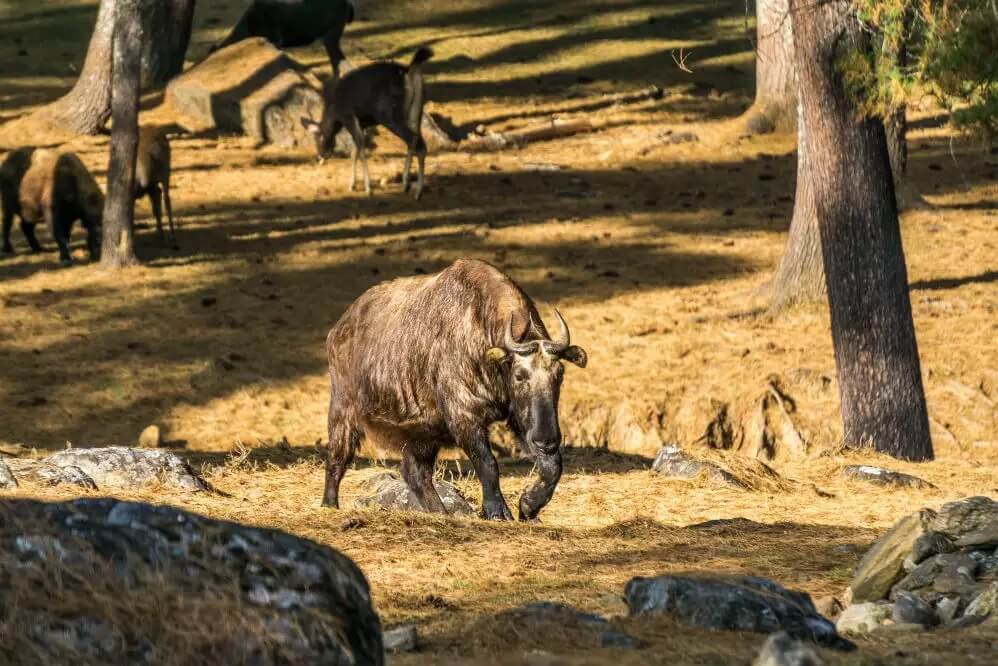
The Takin Preserve is home to Bhutan’s national animal, the Takin. This unique creature, resembling a mix between a cow and a goat, holds a special place in Bhutanese folklore. Legend says it was created by Lama Drukpa Kunley, also known as the Divine Madman.
Why Visit
- Spot the rare and quirky Takin up close.
- Learn about Bhutan’s conservation efforts.
- A family-friendly attraction with a short forest trail.
Visitor Information
- Entry Fee: Around Nu. 300.
- Location: Motithang, about 15 minutes from the city center.
- Best Time: Morning or evening, when animals are more active.
10. Shop at Norzin Lam
Norzin Lam is Thimphu’s main street, lined with shops selling handicrafts, clothes, and souvenirs. It is one of the best places to shop for local items while experiencing the lively atmosphere of the capital.
Why Visit
- Buy authentic handwoven textiles, Bhutanese stamps, and jewelry.
- Visit small cafes and restaurants serving local dishes.
- Experience the local vibe of Bhutan’s busiest shopping street.
Visitor Information
- Location: Central Thimphu.
- Best Time: Evening, when the street is most lively.
- Tip: Bargaining is minimal; prices are often fixed.
11. Enjoy Simtokha Dzong
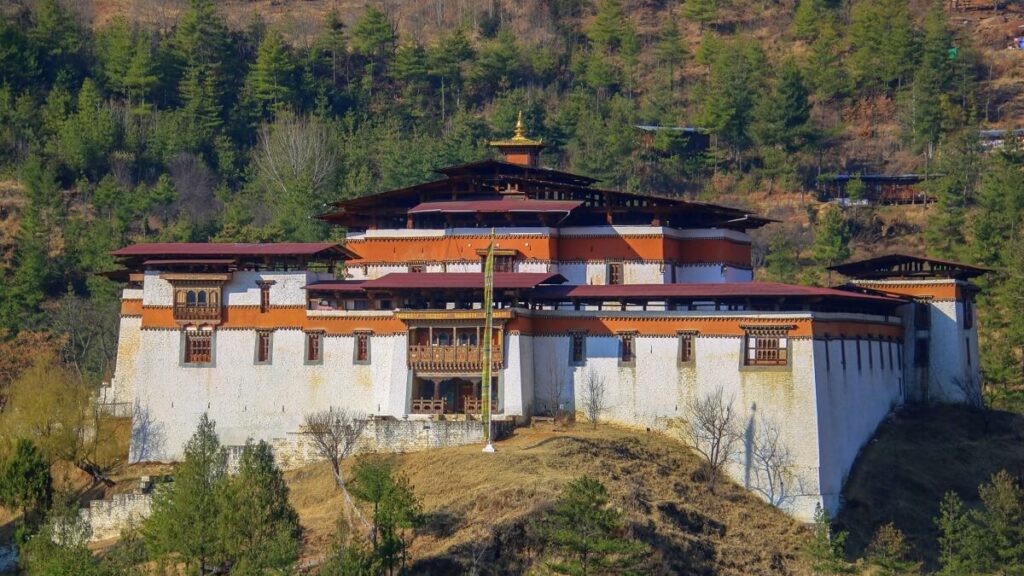
Simtokha Dzong, built in 1629, is the oldest surviving fortress in Bhutan. It now functions as a school for Buddhist studies, preserving the nation’s cultural and spiritual heritage.
Why Visit
- See ancient murals and carvings.
- Learn about Bhutanese script and Buddhist teachings.
- Less crowded than Tashichho Dzong, offering a peaceful experience.
Visitor Information
- Entry Fee: Around Nu. 200.
- Location: 5 km south of Thimphu.
- Best Time: Late afternoon, for good light and fewer visitors.
12. Hike to Tango and Cheri Monasteries
Located north of Thimphu, the Tango and Cheri monasteries are popular hiking destinations. The hike to both monasteries takes around 1–2 hours each, offering panoramic views of the valley and a chance to experience Bhutan’s serene landscapes.
Why Visit
- Enjoy short but rewarding hikes.
- Visit monasteries dating back to the 17th century.
- Meet monks studying Buddhist philosophy.
Visitor Information
- Entry: Free, but you need a guide for cultural explanation.
- Best Time: October–November for clear skies.
- Difficulty: Easy to moderate hikes.
13. Relax at Royal Textile Academy of Bhutan
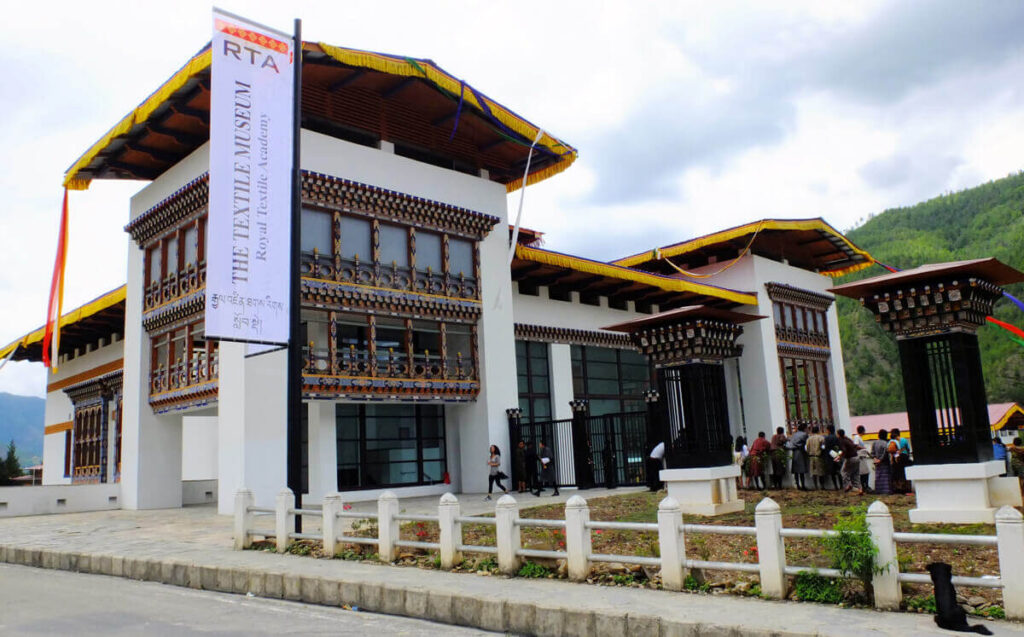
The Royal Textile Academy is dedicated to preserving and promoting Bhutan’s textile traditions. Here, you can see weavers at work, admire exhibitions of ancient fabrics, and understand the importance of weaving in Bhutanese culture.
Why Visit
- Learn about Bhutan’s national dress, the kira and gho.
- Watch live weaving demonstrations.
- A must-visit for those interested in Bhutanese art.
Visitor Information
- Entry Fee: Around Nu. 200.
- Location: Norzin Lam, central Thimphu.
- Best Time: Afternoon, when weaving demonstrations are in progress.
Travel Tips for Thimphu
Best Time to Visit
- Spring (March–May): Clear skies, pleasant weather, blooming flowers.
- Autumn (September–November): Best for festivals like Thimphu Tshechu.
- Winter (December–February): Cold but fewer crowds.
- Summer (June–August): Monsoon rains, not ideal for trekking.
Getting There
- By Air: Fly into Paro International Airport, then drive 1 hour to Thimphu.
- By Road: Well-connected by highways from Paro, Punakha, and Phuentsholing.
Getting Around
- Taxis are widely available but not metered, so agree on fares.
- Walking is easy for central attractions.
- A guide is recommended to access dzongs and monasteries.
Accommodation
Thimphu offers a range of hotels:
- Luxury: Taj Tashi, Le Méridien Thimphu.
- Mid-range: Hotel Osel, Kisa Hotel.
- Budget: Guesthouses and homestays.
Local Food to Try
- Ema Datshi: Chili and cheese stew, Bhutan’s national dish.
- Phaksha Paa: Pork with red chili.
- Suja: Butter tea.
- Momos: Dumplings filled with meat or vegetables.
Conclusion
Thimphu is a city where ancient traditions and modern life coexist in harmony. From the grand Tashichho Dzong to the bustling weekend market, from spiritual hikes to artistic schools, every corner of Thimphu reflects Bhutan’s unique identity.
Exploring these top 13 things to do in Thimphu will give you a deeper understanding of the country’s culture, spirituality, and natural beauty. Whether you are here for a short visit or an extended stay, Thimphu offers experiences that will stay with you long after you leave.
Trending Now:
- Best Places to Visit in Bhutan in July 2026
- Bhutan Travel in August – Top Destinations to Explore
- Where to Go in Bhutan in September 2025
- Top Bhutan Destinations to Visit in October 2025
- Best Places to See in Bhutan in November 2025
- Bhutan Tourist Attractions for December 2025
- Best Nightlife Places and Spots in Bhutan
- Popular Honeymoon Destinations in Bhutan
- Famous Temples to Visit in Bhutan
- Bhutan Travel Guide for June 2026 – Best Places
- Top Wildlife Sanctuaries and National Parks in Bhutan
- Most Popular Trekking Routes in Bhutan
FAQs About Visiting Thimphu
1. Do I need a visa to visit Thimphu?
Yes. All foreign nationals, except Indians, require a visa to visit Bhutan. Travel must be arranged through a licensed Bhutanese tour operator. Indians need a permit, which can be obtained on arrival with a valid passport or voter ID.
2. How many days should I spend in Thimphu?
Two to three days are enough to see the main attractions. If you plan on hiking to nearby monasteries or attending a festival, extend your stay to four or five days.
3. What is the currency in Bhutan?
The Bhutanese Ngultrum (Nu.) is the official currency. The Indian Rupee is also accepted in most places, but higher denomination notes (₹500 and ₹2000) are sometimes not accepted.
4. Is Thimphu expensive for tourists?
Bhutan follows a Sustainable Development Fee (SDF) system. Foreign tourists pay $100 per night (as of 2025), which covers development and sustainability efforts. Indians pay a lower fee. This makes Bhutan a premium destination, but the experience is worth the cost.
5. What should I wear in Thimphu?
Wear modest clothing that covers shoulders and knees, especially when visiting religious sites. Warm clothing is necessary in winter, and comfortable walking shoes are useful for hikes and exploring the city.