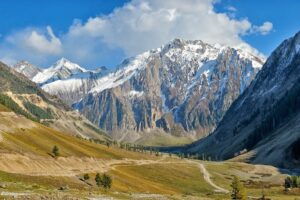
Dachigam National Park, located in the Indian Union Territory of Jammu & Kashmir, stands as one of the most pristine and ecologically significant wildlife reserves in the Himalayas. Situated in the Zabarwan Range, just 22 kilometers from the heart of Srinagar, this 141-square-kilometer protected area is best known as the last stronghold of the critically endangered Kashmir stag, locally called the hangul. Beyond its conservation importance, the park offers a striking natural panorama—lush valleys, dense coniferous forests, alpine meadows, and sparkling mountain streams—all within close reach of the region’s urban center.
The park’s altitudinal range, stretching from 1,600 meters to over 4,200 meters above sea level, provides a remarkable diversity of habitats and species. This gradient creates a mosaic of ecosystems, from temperate broad-leaved forests to alpine pastures, each supporting distinct flora and fauna. For nature enthusiasts, photographers, and conservation-minded travelers, Dachigam offers a rare opportunity to witness the delicate balance of Himalayan biodiversity in a compact, accessible setting.
Historical Background of Dachigam
The name “Dachigam” translates to “ten villages”, a reference to the settlements that once existed within the park’s boundaries. In the early 20th century, these villages were relocated to facilitate the area’s transformation into a protected watershed and wildlife reserve. Initially managed to secure clean drinking water for Srinagar, the park later evolved into a critical conservation zone.
Over the decades, Dachigam has played a central role in the protection of the hangul. Once widespread across the Kashmir Valley, this red deer subspecies faced a steep population decline due to habitat loss, hunting, and fragmentation. Conservation efforts in Dachigam, combined with community awareness programs, have kept the species from the brink of extinction. Today, the park is under the jurisdiction of the Department of Wildlife Protection, Jammu & Kashmir, and is recognized nationally and internationally for its biodiversity value.
Geography and Landscape of Dachigam
Dachigam National Park lies on the eastern flank of the Dal Lake basin, covering terrain that rises from gentle foothills to rugged alpine ridges. The park is divided into two distinct zones:
Lower Dachigam
This section, ranging from 1,600 to about 2,200 meters in altitude, is the most accessible and frequently visited. It consists of riverine forests, meadows, orchards from earlier management practices, and gentle walking trails. The Daghwan River, a glacial stream, flows through this zone, providing both scenic beauty and vital water sources for wildlife.
Upper Dachigam
Above the lower valley, the terrain steepens, and the forest composition shifts towards conifers such as blue pine and silver fir, eventually giving way to birch groves and alpine grasslands. Upper Dachigam extends to elevations over 4,000 meters and is characterized by rocky cliffs, high-altitude meadows, and panoramic views of the surrounding mountains. This zone is less accessible and requires official permission and guided treks.
The park’s diverse topography supports an equally diverse range of habitats, enabling the coexistence of species adapted to both temperate and alpine conditions.
Flora
The vegetation of Dachigam National Park reflects its altitudinal variation. In the lower reaches, temperate broad-leaved forests feature species such as walnut (Juglans regia), willow (Salix spp.), and wild cherry (Prunus spp.). Moving higher, coniferous forests dominate, with blue pine (Pinus wallichiana), silver fir (Abies pindrow), and deodar cedar (Cedrus deodara).
Above the treeline, alpine meadows bloom with a seasonal burst of wildflowers during summer, including species of primulas, gentians, and anemones. Medicinal plants, some endemic to the Himalayas, also thrive in these upper zones. The park’s riparian areas host a variety of ferns and mosses, contributing to the rich biodiversity.
Fauna
The Hangul (Kashmir Stag)
The flagship species of Dachigam, the hangul (Cervus hanglu hanglu), is a subspecies of red deer found only in Kashmir. Males are distinguished by their impressive antlers, which typically have 11 to 16 points. Current estimates place the population at fewer than 300 individuals, with the majority residing within the park. The best time to observe hangul is during the autumn rutting season (September to November), when males are more active and visible in open glades.
Mammals
Apart from the hangul, the park harbors the Himalayan black bear (Ursus thibetanus), Himalayan brown bear (Ursus arctos isabellinus), leopard (Panthera pardus), and occasionally the elusive snow leopard (Panthera uncia) in its upper reaches. Other herbivores include musk deer (Moschus chrysogaster), Himalayan serow (Capricornis thar), and Himalayan goral (Naemorhedus goral).
Avifauna
Birdlife is abundant, with over 150 recorded species. Notable sightings include the Himalayan monal (Lophophorus impejanus), koklass pheasant (Pucrasia macrolopha), bearded vulture (Gypaetus barbatus), and various species of warblers, tits, and flycatchers. The park’s streams attract water-associated birds, including kingfishers and dippers.
Climate and Best Time to Visit Dachigam
Dachigam experiences distinct seasonal variations:
- Spring (March–May): Pleasant temperatures, blooming wildflowers, and active birdlife make this a visually appealing time.
- Summer (June–August): Lush greenery and accessible high-altitude meadows; ideal for trekking in upper Dachigam.
- Autumn (September–November): Crisp air, golden foliage, and the hangul rutting season offer prime wildlife-viewing opportunities.
- Winter (December–February): Snow covers much of the park, restricting access to upper areas but creating serene landscapes in the lower valley.
For wildlife enthusiasts, autumn is considered the optimal period, while trekkers may prefer the summer months for alpine access.
Entry Permits and Regulations
Access to Dachigam National Park requires prior permission from the Jammu & Kashmir Department of Wildlife Protection. Permits can be obtained through the department’s official online booking portal. Visitors must provide identification documents and adhere to group size limitations, generally capped at 15 individuals per booking. Only one booking is permitted per day for each applicant.
Entry is typically restricted to daylight hours, often from 09:00 to 17:00, though exact timings can vary seasonally. Private vehicles are usually prohibited inside the park, necessitating exploration on foot along designated trails. Entry fees are modest, with different rates for domestic and foreign visitors.
Reaching Dachigam National Park:
By Air
The nearest airport is Sheikh ul-Alam International Airport (Srinagar Airport), approximately 40 kilometers from the park. From the airport, taxis are available to reach Srinagar and onward to Dachigam.
By Rail
Srinagar Railway Station, located around 32 kilometers from the park, connects to Jammu and other parts of India. Taxi services are available from the station.
By Road
From central Srinagar, Dachigam is a 22-kilometer drive, taking 45 minutes to an hour. Taxis or app-based ride services are the most convenient options. Public buses operate towards New Theed and Harwan, from where local transport can cover the remaining distance.
Visitor Experience
Most visitors explore the lower Dachigam zone on guided walks. Trails meander along the Daghwan River, through meadows, and into forested areas. Early mornings and late afternoons are best for wildlife observation. Birdwatchers benefit from carrying binoculars, while photographers should be equipped with telephoto lenses to capture wildlife without disturbance.
The upper Dachigam zone is accessible only with special permission and is best suited for physically fit visitors prepared for strenuous trekking. Treks offer opportunities to see high-altitude flora, alpine lakes, and, with exceptional luck, rare mountain species.
Nearby Attractions from Dachigam
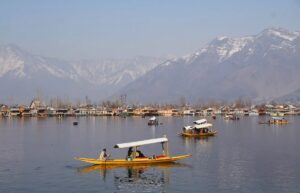
A visit to Dachigam can be complemented with sightseeing in and around Srinagar. The Mughal Gardens—Shalimar Bagh, Nishat Bagh, and Chashme Shahi—display exquisite landscaping and historical architecture. Dal Lake offers iconic shikara rides, while the Shankaracharya Temple provides panoramic views of the city and lake.
Conservation Significance
Dachigam’s primary conservation objective is the protection of the hangul. The park’s management focuses on habitat preservation, anti-poaching patrols, and research on population dynamics. Despite conservation successes, the species remains vulnerable, and continuous efforts are necessary to safeguard its future. Habitat connectivity with adjacent forest areas is critical to maintaining genetic diversity and long-term survival.
Practical Tips for Visitors
- Carry valid identification matching the permit application.
- Wear sturdy, comfortable footwear suitable for uneven terrain.
- Dress in layers, accounting for rapid weather changes.
- Bring water, snacks, and any personal medications, as there are no visitor facilities inside the park.
- Maintain silence and avoid sudden movements to increase chances of wildlife sightings.
- Strictly adhere to park regulations, including waste disposal and restricted area compliance.
Conclusion
Dachigam National Park offers a rare blend of accessibility and wilderness. Its proximity to Srinagar makes it an ideal destination for travelers seeking both natural beauty and insight into high-altitude Himalayan ecosystems. For those passionate about conservation, witnessing the hangul in its native habitat is a profound experience, underscoring the park’s critical role in preserving one of India’s rarest large mammals. Whether explored on a short morning walk or a multi-day trek into its upper reaches, Dachigam remains a testament to the resilience of nature when given protection and respect.
Suggested Articles:
- Kashmir Must-See Places in August
- Places to See Kashmir in September
- Kashmir Destinations to See in October
- Places in Kashmir to Visit in November
- Kashmir Travel in December for Best Places
- Places to See in Kashmir in January 2026
- Kashmir Tourist Places to Visit February
- Srinagar Travel in July 2026
- Best Time to Visit Srinagar – Travel Guide
- Srinagar Travel in March 2026
- Things to Do in Srinagar
- Srinagar Places to See
- August Travel in Srinagar for Best Places