
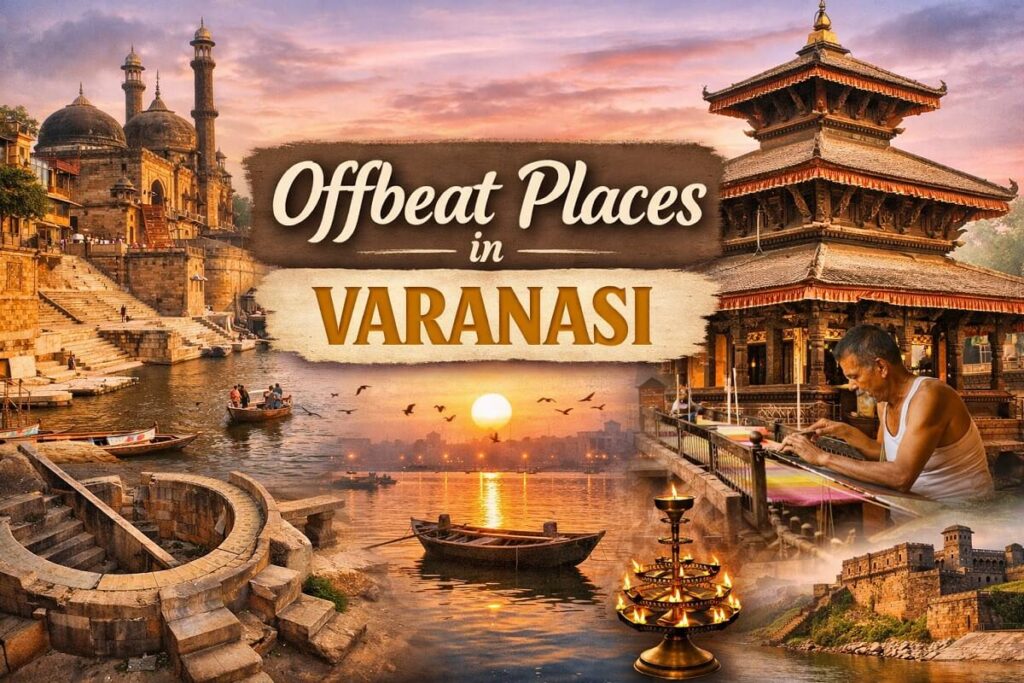
When people think of Varanasi, they picture the crowded ghats, the glow of evening aarti, and the deep spiritual rhythm of the Ganges. But beyond the iconic riverfront and the famous temples lies another side of this ancient city. If you slow down and step away from the main routes, you’ll discover quiet shrines, forgotten forts, artisan neighborhoods, and hidden cultural gems that most travelers never see.
This complete travel guide to offbeat places in Varanasi is designed for curious travelers who want more than the standard checklist. Whether you are visiting for the first time or returning for a deeper exploration, these hidden places in Varanasi reveal stories that go beyond postcards.
Let’s explore the top 12 offbeat places to visit in Varanasi that will transform your journey into something personal and unforgettable.
Top 12 Lesser-Known Places to Visit in Varanasi:
1. Ramnagar Fort
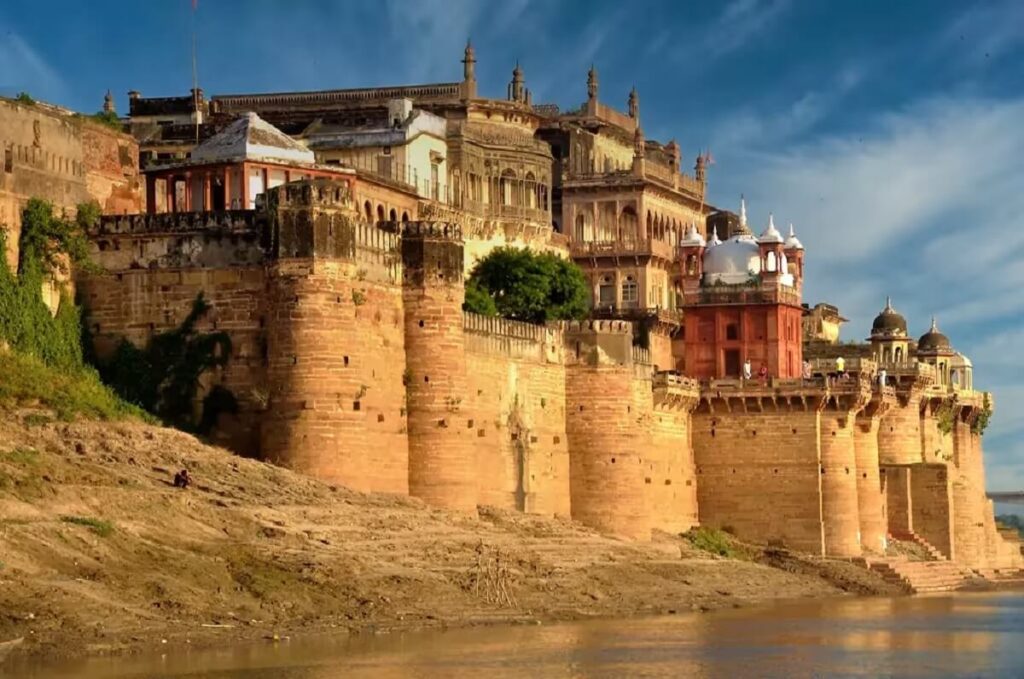
Located across the Ganges from the old city, Ramnagar Fort feels worlds away from the bustle of central Varanasi. Built in the 18th century by the Kashi Naresh, this sandstone fort combines Mughal and Indian architectural styles.
Inside, the museum houses royal palanquins, vintage cars, old manuscripts, and rare weapons. The atmosphere is slightly faded and nostalgic, which only adds to its charm. Unlike the crowded temples, this space gives you time to wander quietly.
Why visit:
- Peaceful environment
- Stunning river views
- A glimpse into royal Banaras history
Best time to visit: October to March
2. Tulsi Manas Temple
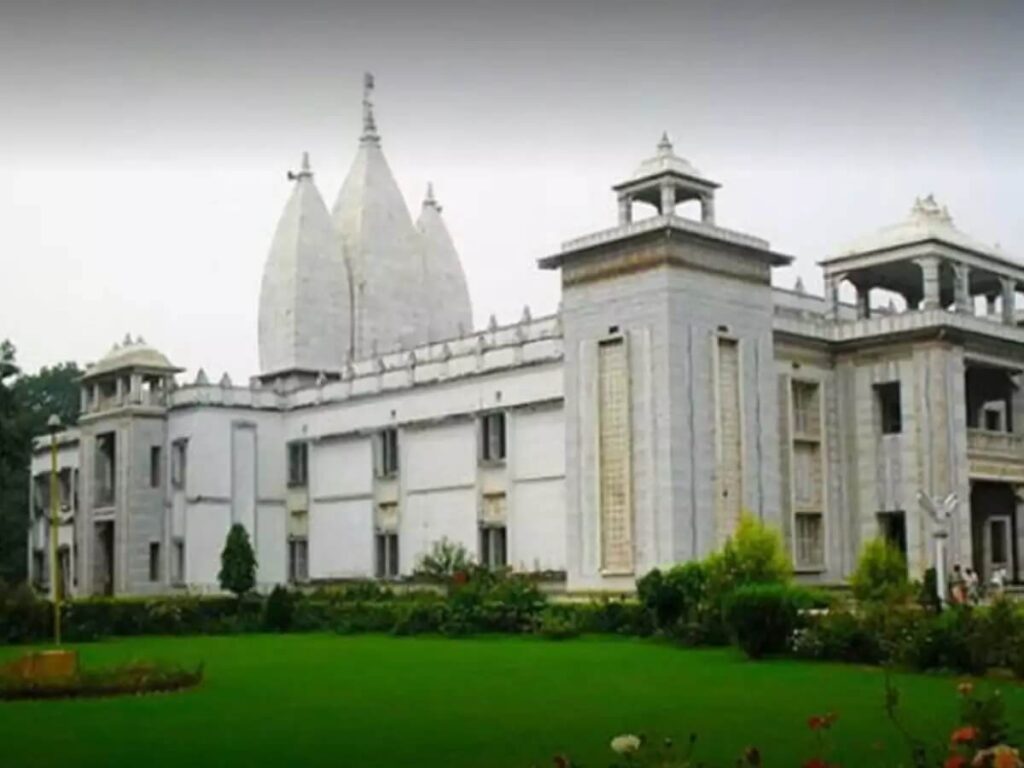
Most tourists head straight to the more famous temples, but Tulsi Manas Temple offers something quieter and culturally rich. Built where poet Tulsidas is believed to have written the Ramcharitmanas, the temple walls are engraved with verses from the epic.
The white marble structure feels calm and reflective. It’s not about ritual intensity here; it’s about literary devotion.
Travel tip: Combine this with a visit to nearby Durga Kund for a relaxed half-day cultural walk.
3. Sarnath
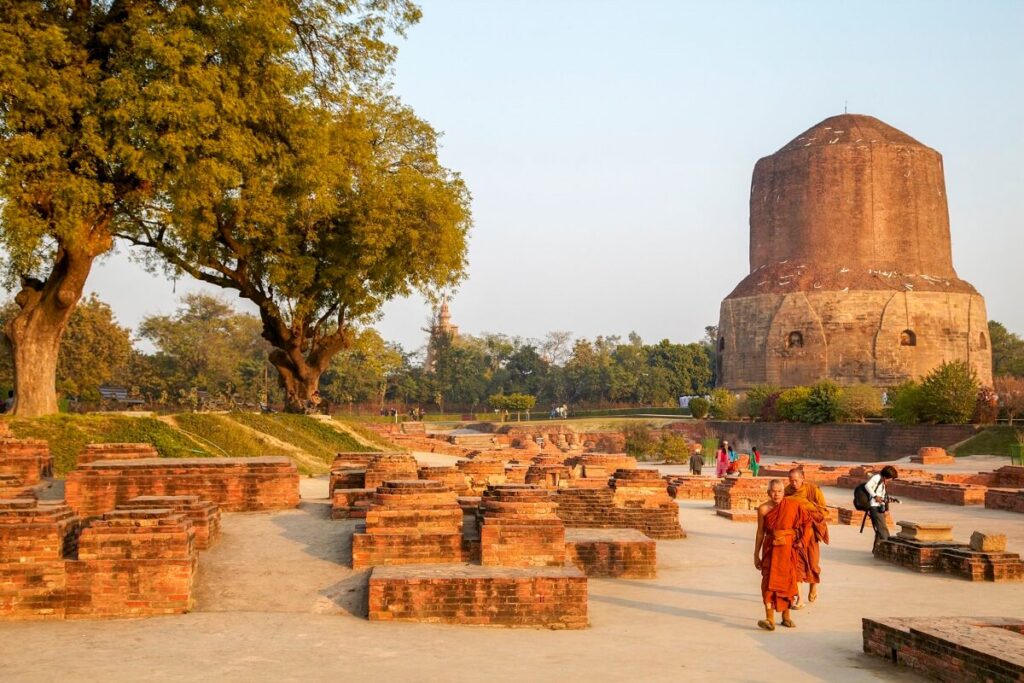
Just 10 kilometers from Varanasi, Sarnath is where the Buddha gave his first sermon. The Dhamek Stupa stands tall amid peaceful gardens and archaeological ruins.
The atmosphere here is strikingly different from Varanasi’s intensity. Monasteries from different countries surround the site, adding international flavor to this quiet retreat.
Perfect for:
- History lovers
- Photography enthusiasts
- Travelers seeking calm
4. Raja Ghat
If you walk north along the river away from the busy stretch of Dashashwamedh and Manikarnika, you’ll slowly notice the crowds thinning. Eventually, you’ll reach Raja Ghat. This is where Varanasi breathes differently.
Unlike the ceremonial energy of the central ghats, Raja Ghat feels local and unfiltered. Early in the morning, you’ll see residents bathing quietly, priests performing personal rituals, and elderly men sitting on stone steps discussing philosophy and politics. There are no loudspeakers, no organized boat sales pitches, and no large tour groups.
The architecture here is also worth noticing. Old sandstone buildings rise directly from the steps, their balconies slightly leaning over the river. Some structures are centuries old and carry an understated elegance.
Why this is offbeat:
Most travelers stay near Assi Ghat or Dashashwamedh Ghat. Few venture further north unless they are intentionally exploring.
Best time to visit:
Sunrise between 5:30 AM and 7:00 AM.
Travel tip:
Walk along the ghats instead of taking a rickshaw. The slow walk itself becomes the experience.
5. Bharat Kala Bhavan
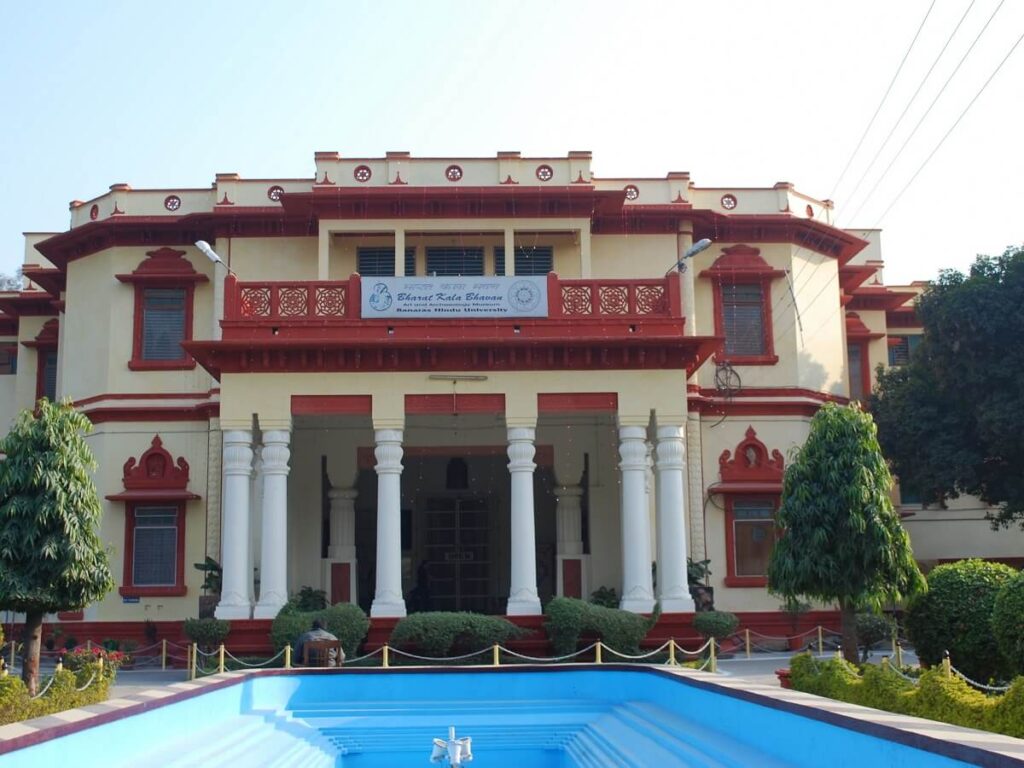
Inside the sprawling campus of Banaras Hindu University lies Bharat Kala Bhavan, one of India’s finest yet least visited museums.
The museum houses an extraordinary collection of miniature paintings, ancient sculptures, rare manuscripts, textiles, and decorative arts. The Mughal and Rajput miniature paintings alone are worth the visit. You can spend hours observing the fine brushwork and storytelling in these artworks.
Unlike many busy museums in India, this one feels calm and scholarly. Students move quietly between galleries, and the atmosphere encourages reflection rather than quick sightseeing.
Why this is offbeat:
Most Varanasi itineraries focus on temples and ghats. Museums rarely make the top list.
Best time to visit:
Late morning, when natural light fills the galleries.
Travel tip:
Combine your visit with a peaceful walk around the BHU campus. The greenery provides a refreshing contrast to the dense old city.
Varanasi Tour Packages:
- 3 Days Varanasi & Sarnath Trip Itinerary
- 5 Days Varanasi Prayagraj Ayodhya Pilgrimage Tour
- Varanasi Temple Tour for 2 Nights 3 Days
- 8 Days Golden Triangle with Varanasi Tour Package
6. Alamgir Mosque
Standing dramatically above the Ganges, Alamgir Mosque presents a powerful visual. Built during the reign of Aurangzeb in the 17th century, the mosque sits on a high plinth overlooking the river.
Its tall minarets create a striking silhouette against the sky, especially during sunset. From the upper level, the panoramic river view is exceptional. You can see boats drifting below and the ghats stretching into the distance.
The site represents the layered history of Varanasi, where architecture reflects different eras and influences.
Why this is offbeat:
Many travelers hesitate due to lack of awareness or simply miss it while focusing on temple visits.
Best time to visit:
Late afternoon for golden-hour photography.
Important note:
Dress modestly and respect local customs.
7. Nepali Temple
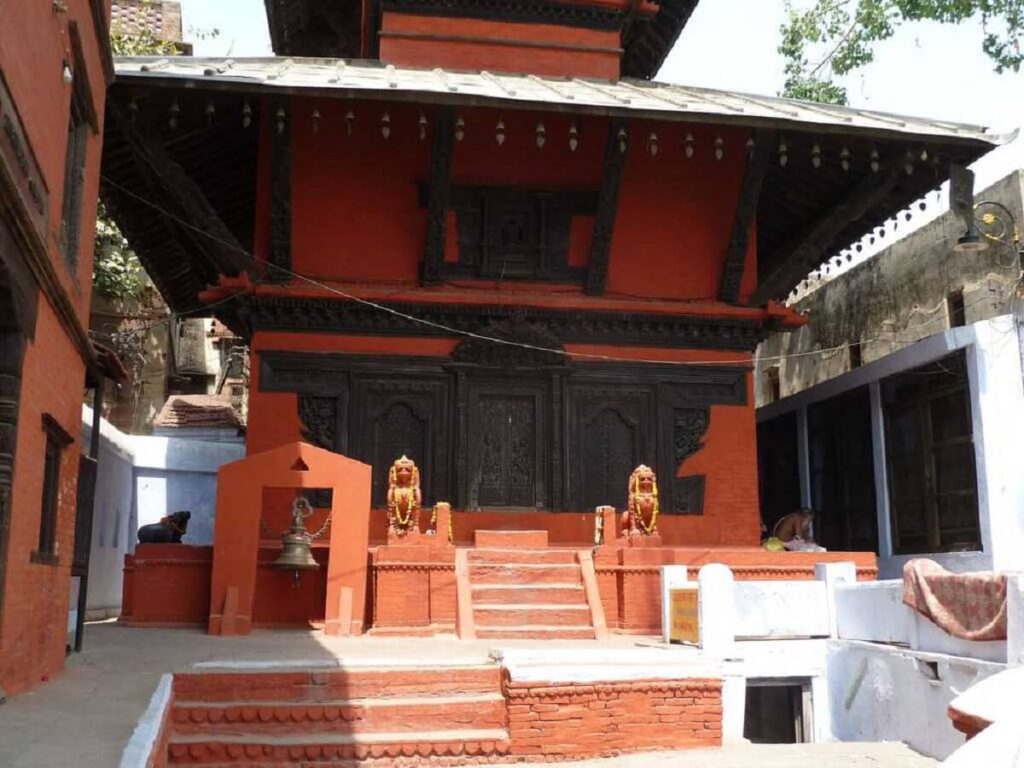
Hidden near Lalita Ghat, the Nepali Temple feels like a piece of Kathmandu quietly placed in Varanasi. Built in traditional Nepalese pagoda style, it is constructed primarily from wood.
The carvings are intricate and detailed. Mythological figures, floral motifs, and symbolic patterns decorate the beams and pillars. The craftsmanship stands out sharply against the stone-heavy architecture of most Varanasi temples.
The temple is peaceful and rarely crowded. You can sit in its courtyard and simply observe the detailing.
Why this is offbeat:
It is tucked inside narrow lanes and not prominently marked on standard tourist routes.
Best time to visit:
Mid-morning after exploring the ghats.
8. Chunar Fort
Located about an hour from Varanasi, Chunar Fort is one of the most underrated attractions near the city.
Perched on a rocky hill overlooking the Ganges, this fort has witnessed rulers from Sher Shah Suri to the British. Walking through its gateways and courtyards feels like stepping into a lesser-known chapter of North Indian history.
The view from the fort walls is breathtaking. The river curves below, surrounded by rural landscapes.
Why this is offbeat:
Most visitors stay within Varanasi city limits.
Best time to visit:
Winter months, especially November to February.
Travel tip:
Hire a private cab for convenience.
9. Man Singh Observatory
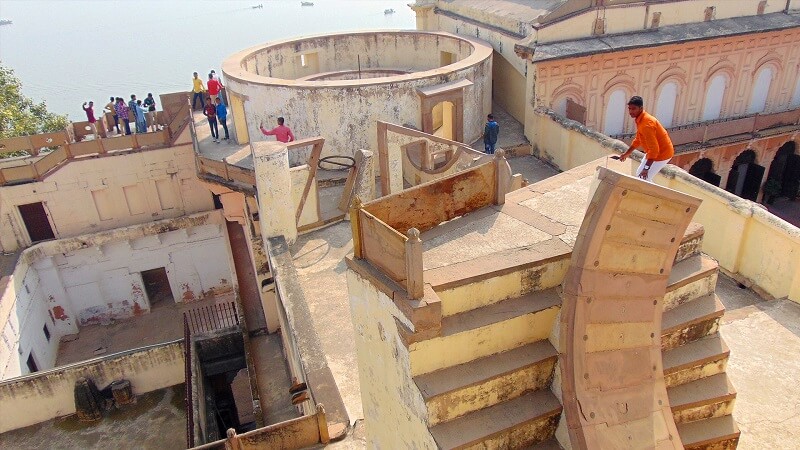
Most visitors to Varanasi stand along the ghats looking at the river. Very few climb upward to see the city from above. That’s exactly what makes Man Singh Observatory one of the most underrated and offbeat places to visit in Varanasi.
Built in the early 17th century by Raja Man Singh of Jaipur and later enhanced by Sawai Jai Singh II, this observatory once played a serious role in tracking celestial movements. It contains stone instruments designed to measure time, calculate planetary positions, and observe solar declinations. These instruments may look simple today, but they were advanced scientific tools of their time.
What truly sets this place apart is its terrace view. From here, you get a sweeping panorama of the Ganges and the densely packed ghats below. Boats appear smaller, rituals seem quieter, and the chaos of the streets softens into a moving pattern.
Standing here creates a fascinating contrast. Below you, thousands gather for spiritual practices. Above, centuries ago, scholars studied the cosmos. In Varanasi, science and spirituality were never separate.
Why it feels offbeat:
Most travelers don’t even realize it exists because it blends into the surrounding buildings near Dashashwamedh Ghat.
Best time to visit:
Late afternoon, when golden light enhances both the instruments and the river view.
Travel tip:
Combine this with an evening walk toward the ghats, transitioning from observation of the sky to the rituals by the river.
10. Weavers Colony
Varanasi is globally known for Banarasi silk sarees, but what most visitors see are finished products displayed in polished showrooms. The real story lives inside narrow residential lanes where families have woven silk for generations.
A visit to a weavers’ colony offers a rare look at this living craft. Inside modest homes, wooden looms dominate small rooms. The rhythmic clacking sound of weaving fills the air. Threads of silk and zari move with astonishing precision under skilled hands.
Creating one detailed Banarasi saree can take weeks or even months depending on the complexity of the pattern. Floral motifs, Mughal-inspired designs, and intricate borders are carefully mapped and woven thread by thread.
What makes this experience powerful is its authenticity. There are no staged demonstrations. You witness real artisans at work, sustaining a tradition that dates back centuries.
Why this is truly offbeat:
It requires intention and local connection. It’s not a monument but a living community.
Best time to visit:
Late morning or early afternoon when most artisans are actively working.
Travel tip:
Arrange your visit through a responsible local guide to ensure you’re supporting genuine artisans and not middlemen.
11. Gyanvapi Well
Close to the Kashi Vishwanath temple area lies Gyanvapi Well, a site deeply tied to Varanasi’s long and complex history. Though not a conventional tourist attraction, it holds religious and historical importance.
The well is believed by many devotees to be sacred. Over centuries, it has become part of narratives that reflect the city’s evolving cultural landscape. Visiting this site requires awareness and respect, as access regulations and sensitivities may change.
Unlike grand monuments, the well itself is architecturally simple. Its significance lies not in visual grandeur but in what it represents. In Varanasi, history is layered rather than erased. Structures from different eras coexist, sometimes peacefully, sometimes contentiously.
Standing near Gyanvapi Well encourages reflection rather than photography. It reminds visitors that Varanasi is not just ancient, but continuously shaped by time.
Why it remains offbeat:
Many travelers avoid the area due to security restrictions or lack of information.
Best time to visit:
Early morning hours, when the surrounding area is calmer.
Important note:
Always follow local guidelines and avoid intrusive photography.
12. Assi Ghat at Sunrise
Assi Ghat is one of the most visited ghats in Varanasi. Yet, its personality changes dramatically depending on the hour.
Arrive before sunrise, around 5:00 AM, and you’ll see a completely different atmosphere. The sky begins to soften into pale pink and gold. A few yoga practitioners gather quietly. Devotional music plays gently. The river appears almost still.
This is when Assi Ghat feels intimate rather than touristic.
Locals perform morning rituals, students read scriptures, and elderly residents sip tea while watching the sun rise above the Ganges. Instead of loud evening ceremonies, the mood is calm and reflective.
For photographers, this is one of the best sunrise spots in Varanasi. For spiritual seekers, it’s a chance to experience the city without distraction.
Why it qualifies as offbeat:
The place itself is famous. The timing is what transforms it into a hidden experience.
Best time to visit:
5:00 AM to 7:00 AM.
Travel tip:
Take a short sunrise boat ride from Assi toward the central ghats for a peaceful river perspective before the crowds gather.
Travel Tips for Exploring Hidden Places in Varanasi:
- Hire a local guide for deeper stories
- Start early to avoid crowds
- Dress modestly at religious sites
- Carry cash for small local purchases
- Respect photography rules
Final Thoughts
Varanasi is not just about grand rituals and crowded ghats. Its soul lives in quiet courtyards, fading forts, artisan homes, and peaceful riverbanks. Exploring these offbeat places in Varanasi allows you to experience the city beyond the surface.
If you truly want to understand Banaras, step away from the obvious. Walk into the narrow lanes. Listen to the silence between temple bells. That’s where the real Varanasi waits.
Explore More Reads:
- Ramnagar Fort, Varanasi – History, Timings & Travel Guide
- Manikarnika Ghat Varanasi History, Cremation Rituals & Why It Is Sacred
- Durga Temple Varanasi Timings, Entry Fee & Complete Visitor Guide
- Bharat Mata Mandir Varanasi Architecture, History & Visiting Hours
- Varanasi to Sarnath Distance, Travel Options & One Day Trip Plan
- Varanasi Travel Guide for First-Time Visitors – Complete Trip Planner
- Top Tourist Places to Visit in Varanasi for 1, 2 & 3 Days
- Why Visit Varanasi? 10 Powerful Reasons to Plan a Trip
- Best Street Food in Varanasi – Famous Dishes & Where to Try Them
- Best Restaurants in Varanasi Near Ghats – Budget & Fine Dining
- Dev Diwali 2026 Varanasi Date, Celebration Highlights & Travel Tips
- How to Reach Varanasi from Mumbai by Train, Flight & Road
- Best Time to Visit Varanasi for Festivals, Weather & Fewer Crowds
- Ganga Aarti Varanasi Timings & Dashashwamedh Ghat Ceremony Guide
- Best Budget Hotels in Varanasi Near Ganga Ghats (3-Star Options)
- Shopping in Varanasi – Best Markets for Banarasi Sarees & Handicrafts
- Interesting Facts About Varanasi You Probably Didn’t Know
- Best Museums in Varanasi for History & Art Lovers
- Kashi Vishwanath Temple Varanasi Darshan Timings, Entry & Travel Guide
- Luxury Hotels in Varanasi Near Ghats – Top 5-Star Stays
- Delhi to Varanasi Distance, Travel Time & Best Route Options
- List of Famous Ghats in Varanasi with History & Significance
- Best Things to Do in Varanasi – Ghats, Temples & Cultural Experiences
- Famous Temples in Varanasi for Pilgrimage & Spiritual Travel
