
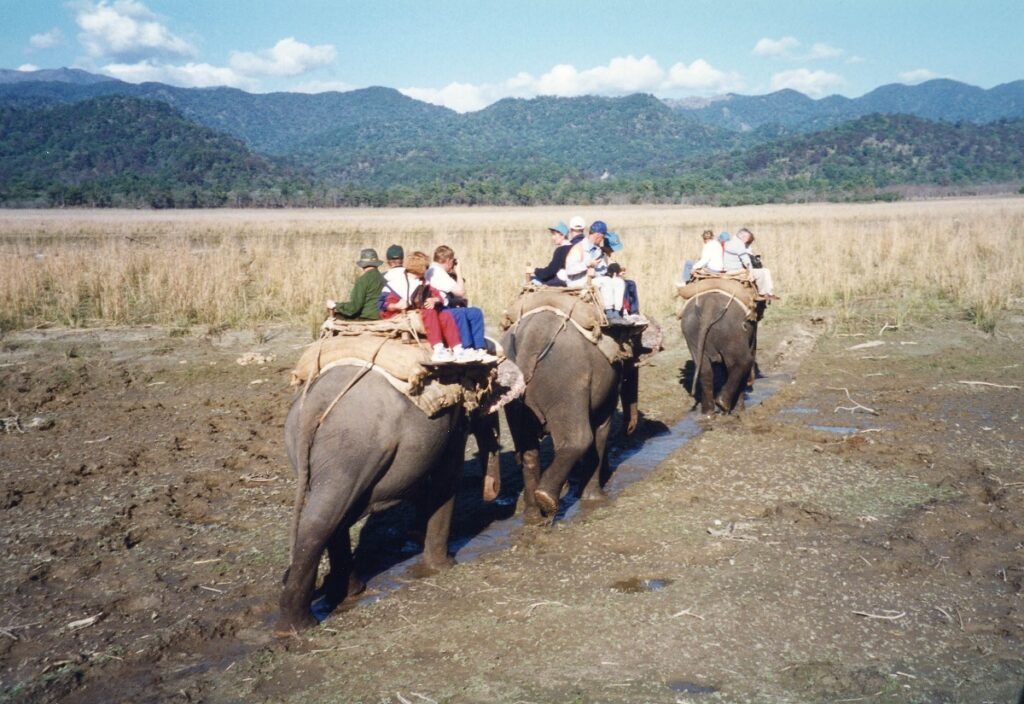
Wildlife tourism in Uttarakhand has received a major revival. After almost seven years, elephant safaris have officially resumed in the world-famous Jim Corbett Tiger Reserve and Rajaji Tiger Reserve. This update has created major excitement among travellers looking for authentic jungle experiences, deeper forest access and eco-friendly wildlife adventures.
If you’re planning a trip to Corbett or Rajaji, this guide covers everything you need: safari zones, timings, booking rules, safety guidelines, best seasons and helpful travel tips.
Where Elephant Safaris Are Now Open
1. Jim Corbett Tiger Reserve – Dhikala & Jhirna Ranges
Elephant safaris have restarted in:
- Dhikala Range (one of the most biodiverse zones)
- Jhirna Range (open year-round with great wildlife viewing)
These zones are among the top choices for travellers planning a Corbett trip. To explore the park better, read about the Safari Zones in Jim Corbett National Park on Tusk Travel.
2. Rajaji Tiger Reserve – Cheela Range
The Cheela zone is known for:
- Large wild elephant herds
- Quiet forest landscapes
- Rich birdlife
- Close proximity to Rishikesh and Haridwar
For travellers planning a visit, the Tusk Travel blog has an in-depth resource on Rajaji National Park Uttarakhand.
What Led to the Ban & Why the Restart Took 7 Years
Elephant safaris were banned in Uttarakhand on 3 August 2018 by the High Court. In January 2019, the Supreme Court lifted the ban, but a lengthy process followed, including:
- Legal and wildlife welfare reviews
- Approval from the Uttarakhand Wildlife Advisory Council
- Final clearance from the Chief Minister and Forest Minister
- Updated guidelines for responsible elephant tourism
After all regulations were re-evaluated, elephant safaris finally resumed for the 2025 tourist season.
Why Elephant Safaris Matter for Tourism & Conservation
According to Uttarakhand’s Chief Wildlife Warden:
- Elephant safaris help connect young travellers and families with wildlife.
- Elephants can access deep forest routes that jeeps cannot enter.
- The experience encourages conservation awareness among visitors.
- Eco-tourism benefits local communities and supports forest protection.
For travellers, the restart means a rare chance to explore untouched jungle zones that were inaccessible for years.
Jim Corbett National Park Packages:
- 3 Days Delhi to Jim Corbett Safari Tour
- Jim Corbett 3-Day Wildlife Adventure Package
- 2 Days Dhikala Forest Exploration Itinerary
- 4 Days Nainital–Jim Corbett Hills & Wildlife Trip
What Travellers Experience During an Elephant Safari
A deeper forest connection
Elephant safaris move slower than jeeps, letting travellers enjoy the forest’s natural rhythm and sounds.
Better wildlife viewing opportunities
Since elephants can enter dense forest paths, sightings may include:
- Tigers (in Dhikala)
- Elephants
- Sambar deer, spotted deer
- Wild boar
- Reptiles and crocodiles
- More than 600 bird species
Perfect for photography
The elevated seating on elephants provides wide, unobstructed views.
Safari Timings, Duration & Best Season
- Morning Safari: 6:00 AM – 8:00 AM
- Evening Safari: 3:00 PM – 5:00 PM
- Duration: 45–90 minutes
- Season: October to June (closed in monsoon)
For weather planning, travellers can check the Tusk Travel guide on the Best Time to Visit Corbett National Park.
How to Book Elephant Safaris in Corbett & Rajaji
Since elephant safari seats are very limited, advance booking is strongly recommended.
Booking channels include:
- Forest entry gates (on-spot limited permits)
- Registered safari operators
- Hotels and resorts near Corbett and Rajaji
- Official forest department approvals (zone-specific)
Before planning your trip, read Tusk Travel’s detailed guide on How to Reach Corbett National Park.
Expected Safari Charges
Updated pricing will be released by the Forest Department. The fee generally includes:
- Forest entry permit
- Elephant ride charge
- Mahout and guide
- Camera fees (if applicable)
Carry an original photo ID for forest verification.
Best Time of Year for Elephant Safaris
Top wildlife months:
- November to April: Maximum wildlife activity
- December to February: Best season for birdwatching
- March to May: Enhanced visibility around riverbeds and watering points
Monsoon months remain closed for safety and breeding reasons.
Traveller Tips for a Safe and Enjoyable Safari
- Wear neutral-colored clothing
- Avoid strong perfumes
- Stay silent during animal sightings
- Carry light snacks, sunscreen and drinking water
- Follow all instructions from your guide and mahout
- Do not feed animals or try to touch wildlife
- Respect forest rules at all times
If you want to extend your stay in comfort, check the Tusk Travel list of Luxury Hotels & Resorts in Jim Corbett.
Hungry after your safari? Don’t miss the local cafés and dining options around the park. Explore the blog on Best Restaurants & Cafes in Jim Corbett.
Why Jim Corbett & Rajaji Are Ideal for Elephant Safaris
Jim Corbett Tiger Reserve
- India’s first national park
- Home to Bengal tigers, elephants, gharials and birdlife
- Varied landscapes: rivers, grasslands, woodlands
- Dhikala’s riverside views are unmatched
Learn more about Corbett tourism zones through the Tusk Travel resource: Safari Zones in Jim Corbett National Park.
Rajaji Tiger Reserve
- Close to Rishikesh and Haridwar
- Known for large elephant herds
- Peaceful forest environment, less crowded than Corbett
- Ideal for bird watchers and family travellers
For a complete travel guide, read the Tusk Travel blog on Rajaji National Park Uttarakhand.
Final Takeaway
The long-awaited return of elephant safaris in Jim Corbett and Rajaji marks one of the biggest wildlife tourism developments in Uttarakhand. With responsible regulation, improved conservation practices and high traveller demand, 2025 promises to be a remarkable year for jungle experiences in North India.
Travellers planning a wildlife holiday can now combine elephant safaris with jeep safaris, nature walks, luxury stays and local cuisine to enjoy a complete Corbett–Rajaji wilderness journey.
Also, read:
