
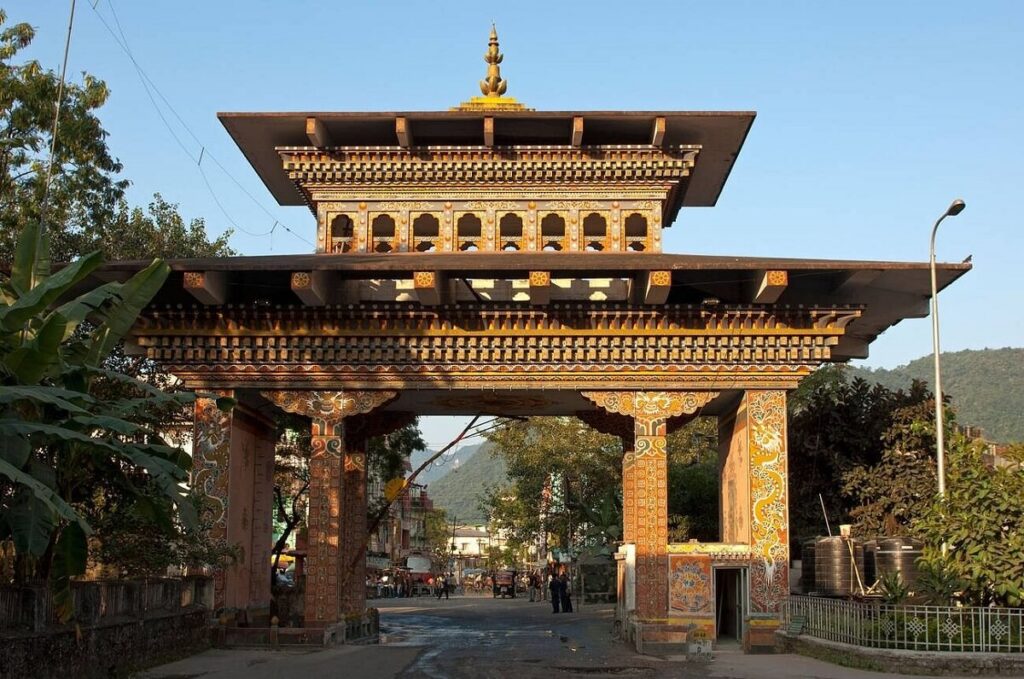
Bhutan’s southwestern gem, Samtse, often slips under the radar of most tourists — and that’s exactly what makes it so special. Nestled near the foothills bordering India, this serene district is where spirituality, simplicity, and scenic beauty meet.
If you want to discover Bhutan beyond Paro and Thimphu, Samtse offers lush greenery, diverse culture, sacred temples, friendly locals, and an atmosphere of calm that feels rare today.
This complete travel guide will walk you through 14 unforgettable things to do in Samtse, with travel tips, best time to visit, how to reach, local food, and more.
About Samtse, Bhutan
Samtse lies in the subtropical region of southwestern Bhutan, bordered by India’s West Bengal to the south. Unlike the cold highlands of Paro or Bumthang, Samtse enjoys a warmer, greener climate filled with rice fields, mango orchards, cardamom plantations, and forested hills.
This diversity extends to its people too. The district is home to the Lhotshampa, Doya (Lhop), and other ethnic groups — each preserving unique customs, dress, and language. The harmony of Buddhism and Hinduism here shapes Samtse’s cultural identity, reflected in its temples, festivals, and daily life.
Samtse Travel Guide – 14 Activities You Must Try:
1. Visit Shivalaya Mandir
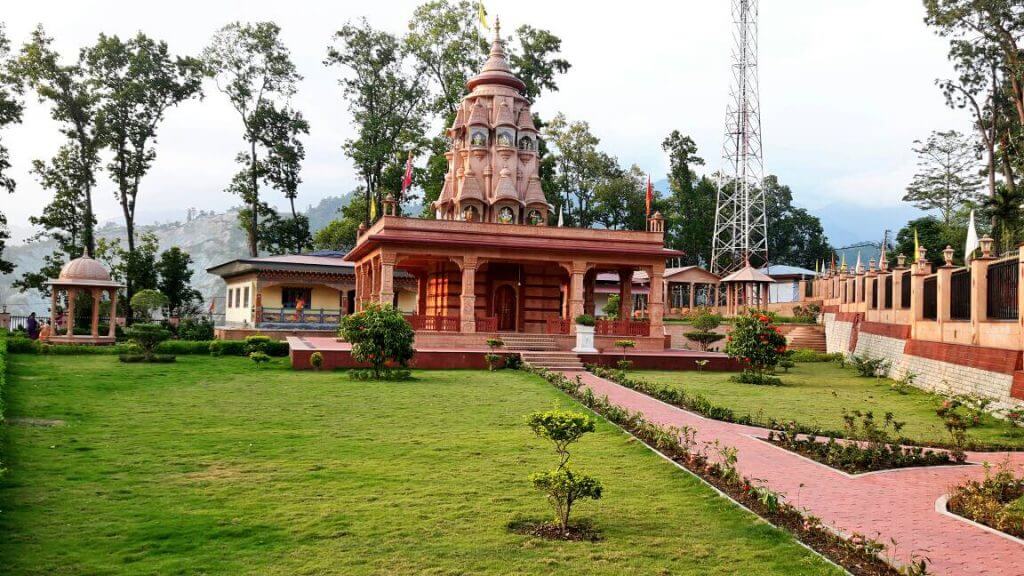
One of the most famous landmarks in Samtse is the Shivalaya Mandir, dedicated to Lord Shiva. It holds the title of Bhutan’s first Hindu temple, symbolizing the country’s religious inclusiveness.
The temple stands beautifully adorned with Bhutanese and Indian architectural elements — a serene space where both locals and visitors come to offer prayers or simply sit in peace.
Highlights:
- Intricate carvings and sculptures brought from Rajasthan, India.
- Peaceful setting surrounded by greenery.
- Often visited during festivals like Maha Shivaratri and Diwali.
Travel Tips:
- Visit in the early morning or before sunset for the most tranquil atmosphere.
- Dress modestly and remove shoes before entering.
- Photography is usually allowed outside the main sanctum.
2. Explore Sidhok Khorlo Chorten
A short distance from Shivalaya Mandir stands the Sidhok Khorlo Chorten, a stunning white Buddhist stupa. It’s a perfect contrast to the Hindu temple and showcases the religious balance Samtse embodies.
Locals come here daily to spin prayer wheels, light butter lamps, and walk clockwise around the stupa for blessings.
Why Visit:
- Beautiful example of Bhutanese Buddhist architecture.
- Peaceful environment ideal for meditation or quiet reflection.
- Great opportunity to observe daily spiritual life.
Tip: Early morning visits are best to see monks and devotees performing rituals.
3. Samtse Town and Local Markets
Samtse’s town center may not have flashy cafes or shopping malls, but its local markets are full of color and energy. Vendors sell fresh produce, spices, and handmade crafts, while small eateries serve delicious Bhutanese dishes.
What to Expect:
- Markets filled with oranges, ginger, cardamom, rice, and textiles.
- Friendly locals who are always ready to chat or pose for photos.
- Authentic Bhutanese daily life without tourist crowds.
Travel Tip:
Visit the market early in the morning to see the town at its liveliest and catch great photographs of local interactions.
4. Take a Nature Walk Through Rice Fields & Forest Trails
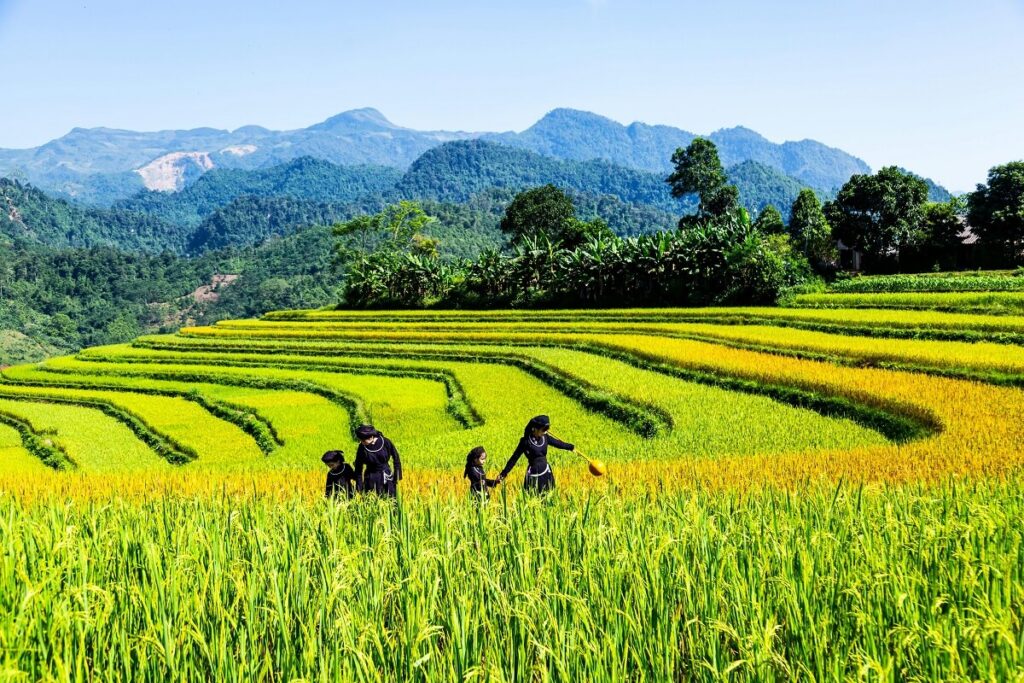
Samtse’s natural setting makes it perfect for leisurely walks. The green rice paddies, bamboo groves, and cardamom fields create a peaceful backdrop. The district’s subtropical forests are also home to exotic plants and colorful birds.
Things to Enjoy:
- Short hikes through farmlands and small villages.
- Observing farmers at work or locals tending cardamom plantations.
- Birdwatching opportunities in the early morning.
Pro Tip:
Carry water, wear sturdy shoes, and start early to avoid midday heat. You can ask your guesthouse about local guides for safe routes.
5. Walk Across the Daina Suspension Bridge
For a small thrill, visit the Daina Suspension Bridge, one of Samtse’s hidden gems. It stretches across a scenic river valley, swaying gently as you walk over it — offering lovely views of the forested landscape.
Why You’ll Love It:
- Perfect spot for photos and short nature walks.
- Unique chance to experience Bhutan’s rural engineering marvels.
- Less crowded and peaceful compared to popular bridges in Paro or Punakha.
Safety Tip:
Hold onto the railings and wear shoes with good grip, especially during or after rain.
Top Bhutan Tour Packages & Travel Itineraries
- 5 Nights / 6 Days Bhutan Trip – Explore the Highlights
- 4 Nights / 5 Days Bhutan Itinerary – Perfect Short Tour
- 8 Days in Bhutan – Complete Cultural & Scenic Tour
- 6 Nights / 7 Days Bhutan Holiday Package
6. Visit Chengmari Tea Estate
Located on the outskirts of Samtse, the Chengmari Tea Garden is among the largest tea-producing areas in Bhutan. Rows of lush tea bushes roll over gentle hills, making it a scenic delight.
Experience Includes:
- Guided tours of tea plantations and processing units.
- Learning how Bhutanese tea is cultivated, plucked, and produced.
- Sampling fresh black and green teas straight from the source.
Traveler’s Tip:
Visit during harvest season (March–May) for the most activity. Buy a packet or two of local tea as a souvenir.
7. Attend a Local Festival or Tshechu
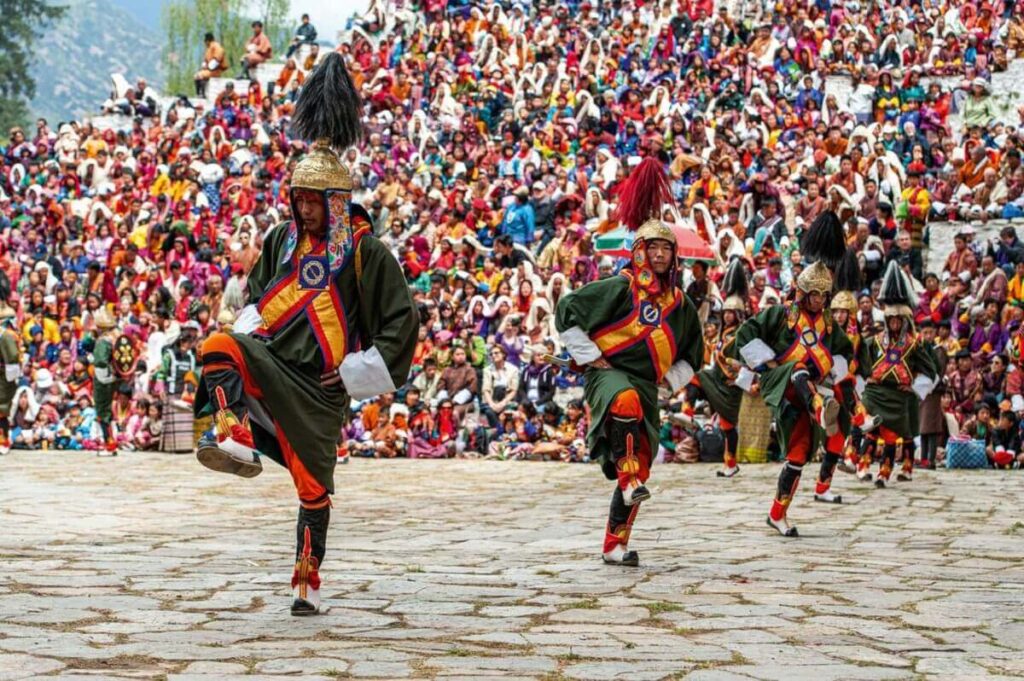
Festivals in Samtse are a spectacle of colors, music, and spirituality. Since it’s a culturally diverse district, both Buddhist Tshechus and Hindu festivals are celebrated here with equal enthusiasm.
Popular Events:
- Losar (Bhutanese New Year): Traditional mask dances and community feasts.
- Diwali: Lamps, sweets, and colorful rituals in Hindu neighborhoods.
- Lomba & Thrue Festivals: Local celebrations marking harvest and seasonal changes.
Insider Tip:
Ask your local host or hotel about upcoming events. Always be respectful when taking photos or joining rituals.
8. Visit Local Farms – Cardamom, Ginger, and Orange Plantations
Agriculture is the heartbeat of Samtse. Spending time on local farms gives you an intimate look at the district’s rural life. You’ll see farmers drying cardamom pods, picking oranges, or tending to paddy fields.
What Makes It Special:
- Learn how cardamom and ginger are grown and harvested.
- Enjoy the aroma of spices drying under the Bhutanese sun.
- Support local farmers by buying directly from them.
Travel Tip:
Wear light clothing and a hat — many farms are open fields with little shade.
9. Go Birdwatching and Explore Subtropical Wildlife
Samtse’s forests are alive with the songs of birds and the buzz of forest life. The region’s lower altitude makes it home to species you might not find in the high mountains.
Expect to See:
- Sunbirds, bulbuls, and drongos flitting through the trees.
- Colorful butterflies and seasonal migratory birds.
- Occasional sightings of small mammals and reptiles.
For Nature Lovers:
Bring binoculars and a camera. Early mornings are best, when the forest is cool and active.
10. Explore Gomtu Industrial Town
A short drive from Samtse lies Gomtu, an industrial town that offers a fascinating look at Bhutan’s evolving economy. Here, factories process cement and minerals — providing contrast to the otherwise agricultural lifestyle of Samtse.
Why Visit:
- Understand Bhutan’s balance between nature and development.
- Interact with locals working in the industrial sector.
- See a side of Bhutan that most tourists never witness.
Note:
Always seek permission before photographing industrial areas, and expect some noise and dust.
11. Experience Village Life and Stay with the Doya or Lhop Communities
For the most immersive experience, spend a night or two in a village homestay. The Doya (Lhop) people, considered one of Bhutan’s oldest indigenous groups, live in the southern parts of Samtse.
What You’ll Learn:
- Traditional weaving and bamboo crafts.
- Home-cooked meals made with local ingredients.
- Folk tales, songs, and customs passed down generations.
Travel Tip:
Homestays in Samtse are simple but welcoming. Bring a small gift (like tea or sweets) for your hosts — it’s a kind gesture appreciated by families.
12. Savor Bhutanese Cuisine in Samtse
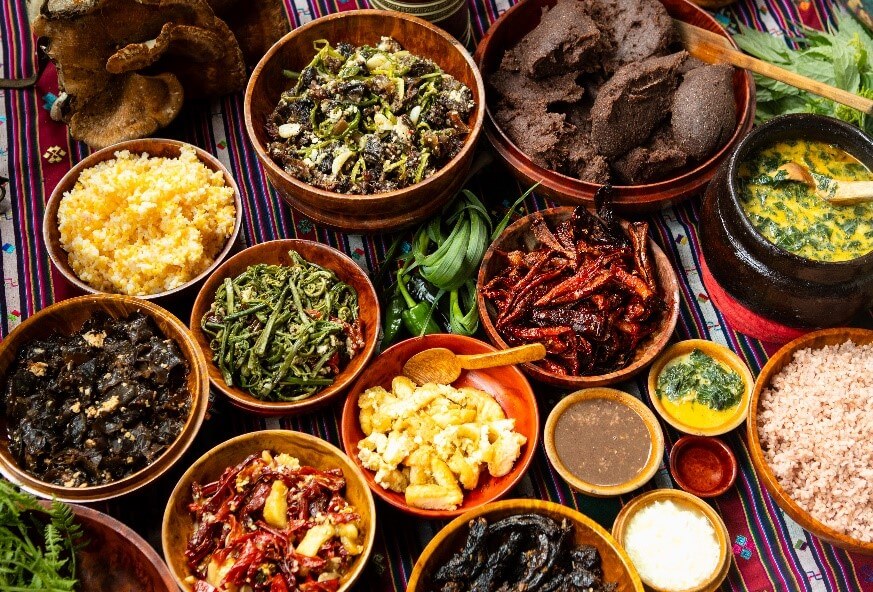
Food in Samtse is flavorful and comforting, influenced by both Bhutanese and Indian traditions. Most dishes are spicy, hearty, and made from local produce.
Must-Try Dishes:
- Ema Datshi: Bhutan’s national dish — chilies cooked with local cheese.
- Kewa Datshi: Potatoes with cheese and butter.
- Phaksha Paa: Pork cooked with radishes and chili.
- Suja (Butter Tea): A salty tea that fuels Bhutanese mornings.
In Samtse’s border areas, you’ll also find Nepali and Indian snacks like momos, samosas, and chai.
Tip:
If you prefer milder food, politely ask for “less spicy” when ordering — locals are used to adjusting for visitors.
13. Capture Stunning Sunrises and Sunsets
Samtse’s open landscapes make for breathtaking sunrise and sunset views. You don’t need a famous viewpoint — even a simple hilltop or riverbank provides magical light and misty colors.
Best Spots:
- Viewpoints near the Daina Bridge.
- Hillocks around Sidhok Chorten.
- Village rooftops surrounded by rice fields.
Photography Tip:
Use the golden hour (30 minutes after sunrise or before sunset) for soft, warm tones. Carry a light jacket; evenings can get cool.
14. Unwind and Embrace Slow Travel
Perhaps the greatest joy of Samtse lies not in doing, but in simply being. The district invites you to slow down, disconnect from screens, and connect with nature and people.
Spend an afternoon sitting by a stream, chatting with locals, or sipping butter tea on a verandah while children play nearby. This kind of experience — calm, real, and human — is what makes Samtse unforgettable.
Best Time to Visit Samtse
The ideal months to visit Samtse are March to May (spring) and September to November (autumn). During these periods:
- The weather is warm and clear.
- Forests are lush, and farms are active.
- Festivals often take place.
Avoid:
June to August (monsoon season) due to heavy rain and roadblocks, and December to February if you dislike cooler mornings.
How to Reach Samtse:
By Air
The nearest international airport is Paro International Airport, about 250 km away. From Paro, you can drive to Samtse in roughly 8–10 hours.
By Road (from India)
Samtse is accessible through Phuentsholing, one of Bhutan’s main border entry points. From Siliguri or Jalpaiguri (West Bengal), travelers can cross the border and continue by taxi or local bus to Samtse.
Note:
Foreign nationals require a Bhutan visa or permit to travel beyond border towns. Indian citizens can enter with a passport or voter ID.
Where to Stay in Samtse
Samtse offers small hotels, guesthouses, and family-run homestays. While luxury options are limited, hospitality is genuine and warm.
Popular Choices:
- Hotel Lhaki: A comfortable stay with Bhutanese décor and basic amenities.
- Samtse Guest House: Centrally located, great for budget travelers.
- Village Homestays: For an immersive cultural experience.
Always book ahead during festival seasons or winter months when accommodation is limited.
Local Food and Shopping
When it comes to shopping, Samtse isn’t about high-end souvenirs — it’s about local produce and handicrafts.
What to Buy:
- Dried cardamom and ginger.
- Handmade bamboo baskets and woven mats.
- Locally produced tea from Chengmari.
Markets are your best bet to buy directly from producers, ensuring authenticity and fair pricing.
Suggested 4-Day Samtse Itinerary
Day 1:
Arrive in Samtse. Walk through the local market, try Bhutanese tea, and visit Shivalaya Mandir at sunset.
Day 2:
Morning at Sidhok Khorlo Chorten. After breakfast, head for nature walks around the rice fields. Visit Daina Suspension Bridge in the evening.
Day 3:
Day trip to Chengmari Tea Estate. Explore village life or attend a local festival if one is happening. Stay overnight at a village homestay.
Day 4:
Birdwatching in the forest, visit Gomtu Industrial Town, enjoy local food, and capture the sunset before departure.
Practical Tips for Travelers
- Currency: Bhutanese Ngultrum (BTN). Indian Rupees (INR) are widely accepted.
- Connectivity: Internet may be slow in remote areas — plan offline maps.
- Health: Carry personal medicines; clinics are available but basic.
- Respect Customs: Remove shoes before entering temples and stupas.
- Sustainability: Use reusable water bottles; avoid littering.
Why Visit Samtse?
- Cultural Diversity: Coexistence of Buddhist and Hindu traditions.
- Authenticity: Real Bhutanese life untouched by heavy tourism.
- Natural Beauty: Green valleys, forests, and birdlife.
- Peace and Warmth: Locals’ hospitality makes you feel at home.
- Offbeat Experience: Perfect for travelers seeking calm and culture instead of crowds.
Final Thoughts
Samtse may not appear on the typical Bhutan itinerary, but for those who value authenticity, culture, and quiet landscapes, it’s a destination worth exploring.
Here, the temples are humble yet spiritual, the forests sing at dawn, and smiles come easily from everyone you meet.
Traveling to Samtse isn’t about ticking sights off a list — it’s about experiencing Bhutan’s heart in its simplest, most genuine form.
Bhutan Travel Guides & Experiences
- Top 15 Restaurants in Bhutan – Best Places to Eat
- Beautiful Places to Visit in Bhutan – July 2026 Guide
- Bhutan in August – Top Destinations to Explore
- Best Tourist Places to Visit in Bhutan – September 2026
- Top Bhutan Destinations to Visit – October 2026
- Famous Places to Visit in Bhutan – November 2026 Edition
- Bhutan in December 2026 – Best Winter Travel Spots
- Top Nightlife Places & Entertainment Spots in Bhutan
- Most Romantic Honeymoon Destinations in Bhutan
- Famous Temples to Visit in Bhutan – Spiritual Guide
- Bhutan in June 2026 – Best Travel Destinations
- Top National Parks & Wildlife Sanctuaries in Bhutan
- Most Popular Trekking Routes & Adventure Trails in Bhutan
FAQs about Samtse, Bhutan
Q1: Is Samtse safe for solo travelers?
Yes, Samtse is safe. Bhutan generally has low crime rates. Still, travel during daylight hours and inform someone about your itinerary.
Q2: Do I need a guide?
A guide isn’t mandatory but is highly recommended. Local guides can help with permits, translation, and deeper insights into the region’s traditions.
Q3: Can I combine Samtse with other Bhutan destinations?
Absolutely. You can easily pair Samtse with Phuentsholing, Haa Valley, or Thimphu for a mix of culture and nature.
Q4: Is vegetarian food available?
Yes. Many locals are vegetarian, so finding plant-based meals isn’t difficult. Try red rice, dal, and vegetable datshi.
Q5: How many days do I need in Samtse?
Three to four days are ideal to cover the main attractions and enjoy slow-paced local life.
