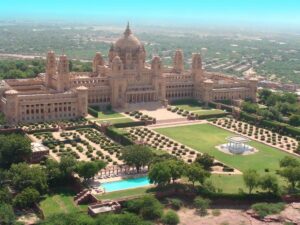
Rajasthan is often described as the “Land of Kings”, filled with majestic forts, grand palaces, and timeless traditions. While destinations like Jaipur, Jodhpur, and Udaipur dominate most travel plans, the quieter district of Rajsamand offers an equally rewarding experience. Situated about 67 km from Udaipur, Rajsamand is a destination where history, culture, spirituality, and nature meet beautifully.
Known for its enormous artificial lake, historic battlefields, UNESCO World Heritage forts, and exquisite temples, Rajsamand is an underrated gem for travelers who wish to explore beyond Rajasthan’s popular tourist circuit.
In this travel guide, we’ll explore the top 13 things to do in Rajsamand in detail, covering history, highlights, practical tips, and why each spot deserves a place in your itinerary.
Rajsamand Travel Guide – 13 Things to See & Do:
1. Rajsamand Lake
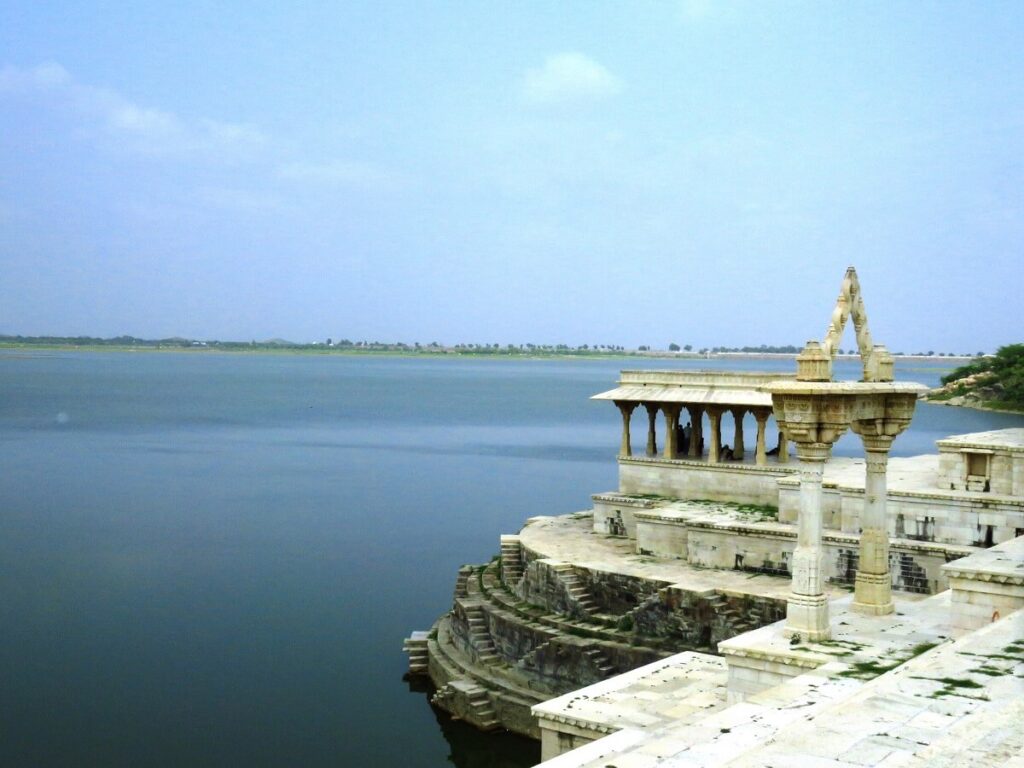
Rajsamand Lake, built in 1660 by Maharana Raj Singh I, is one of the largest artificial lakes in Rajasthan. Its marble ghats, known as Nau Chauki, are decorated with intricate carvings and pavilions that tell tales of Mewar’s history.
The lake also features the famous Raj Prashasti inscription, a massive Sanskrit record carved into stone slabs. Visitors today can enjoy boating, jet skiing, or simply watching a breathtaking sunset from the ghats, where spirituality and beauty blend seamlessly.
Highlights
- Nau Chauki Ghats: White marble ghats line the southern banks of the lake, where kings once performed rituals and ceremonies. Each ghat has intricate carvings of elephants, sun motifs, and gods.
- Raj Prashasti Inscription: Etched into 25 black marble slabs, this is one of the longest Sanskrit stone inscriptions in the world, chronicling the glory of the Mewar dynasty.
- Water Sports: Today, Rajsamand Lake is also a hub for adventure, offering speed boating, jet skiing, and parasailing for visitors.
Why Visit
Rajsamand Lake offers both serenity and grandeur. It is as much about peaceful sunsets and temple bells as it is about history and heritage.
Travel Tip
Visit in the evening when the reflection of the marble ghats in the still waters creates a mesmerizing view.
2. Kumbhalgarh Fort
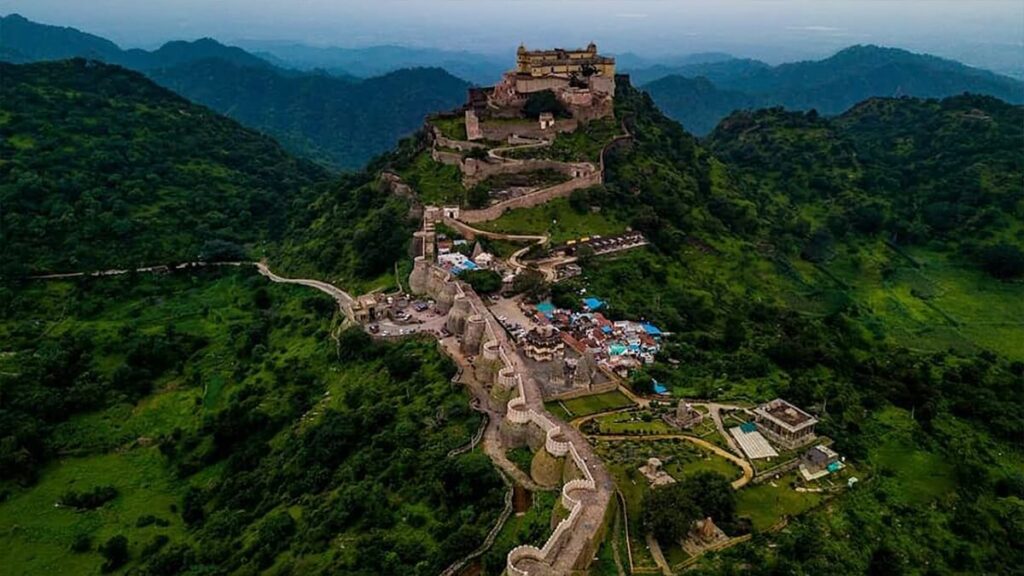
Kumbhalgarh Fort, a UNESCO World Heritage site, is famous for its colossal 36-kilometer wall, often called the “Great Wall of India”, Built in the 15th century by Rana Kumbha, the fort also marks the birthplace of Maharana Pratap.
Inside, more than 360 temples—both Hindu and Jain—showcase stunning craftsmanship. Perched on the Aravalli Hills, the fort offers spectacular panoramic views of the rugged landscape. For travelers, it is a living museum of Rajput valor and architecture, best enjoyed with a guided tour. Read More: What to See in Kumbhalgarh – Complete Guide
Highlights
- Birthplace of Maharana Pratap: The fort holds special importance as the birthplace of the legendary Rajput warrior.
- 360+ Temples: Scattered within its walls, these temples include both Hindu shrines and Jain temples, each showcasing intricate carvings.
- Panoramic Views: From the ramparts, you can see the rugged Aravallis stretching into the horizon.
Why Visit
Kumbhalgarh is not just a fort—it is a storybook of Mewar’s resilience, architectural genius, and spiritual devotion.
Travel Tip
Attend the Kumbhalgarh Festival (December), when the fort is illuminated, and traditional performances bring the walls to life.
3. Haldighati and Chetak Smarak
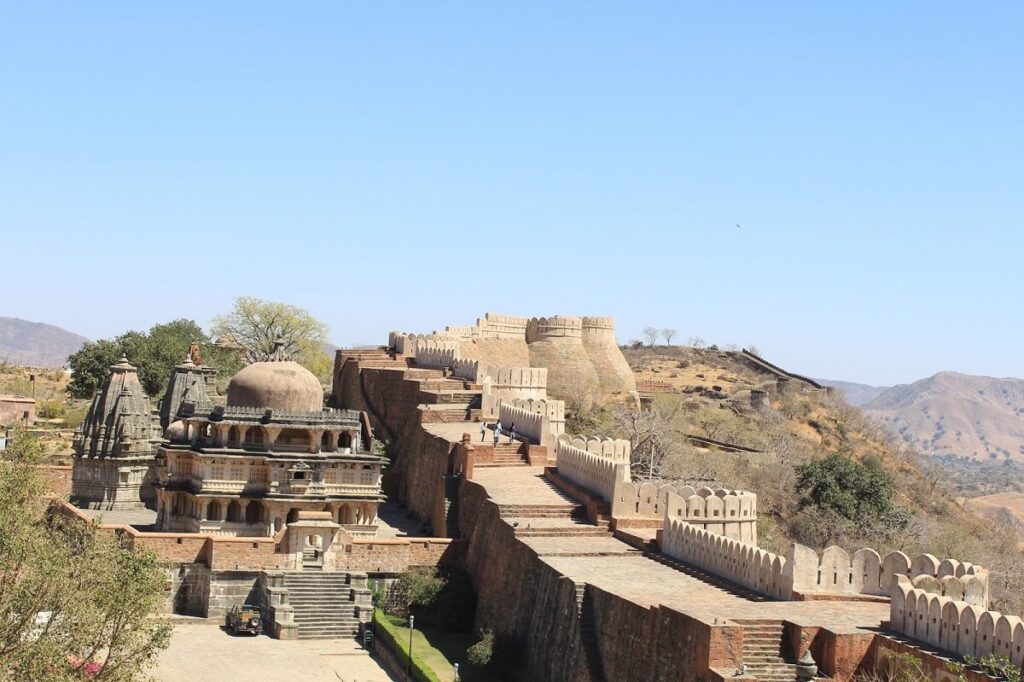
Haldighati is remembered for the legendary 1576 battle between Maharana Pratap and the Mughal army of Akbar. Its soil has a natural turmeric-like hue, giving the valley its name. The Chetak Smarak, built in honor of Maharana Pratap’s loyal horse, symbolizes sacrifice and loyalty.
Nearby, the Maharana Pratap Museum brings the battle alive through dioramas and historical exhibits. Walking through this valley, visitors are reminded of Rajput courage, making Haldighati a destination that combines history, emotion, and pride.
Highlights
- Haldighati Pass: The soil here is naturally yellow like turmeric (haldi), giving the place its name.
- Chetak Smarak: A memorial for Maharana Pratap’s beloved horse, Chetak, who despite being injured, carried his master to safety.
- Maharana Pratap Museum: Displays weapons, paintings, and dioramas that recreate the bravery of the Rajputs.
Why Visit
Haldighati is not just a battlefield—it is a symbol of courage, loyalty, and sacrifice.
Travel Tip
Pair your visit with local rose farms nearby, famous for rose water and gulkand.
4. Shrinathji Temple, Nathdwara
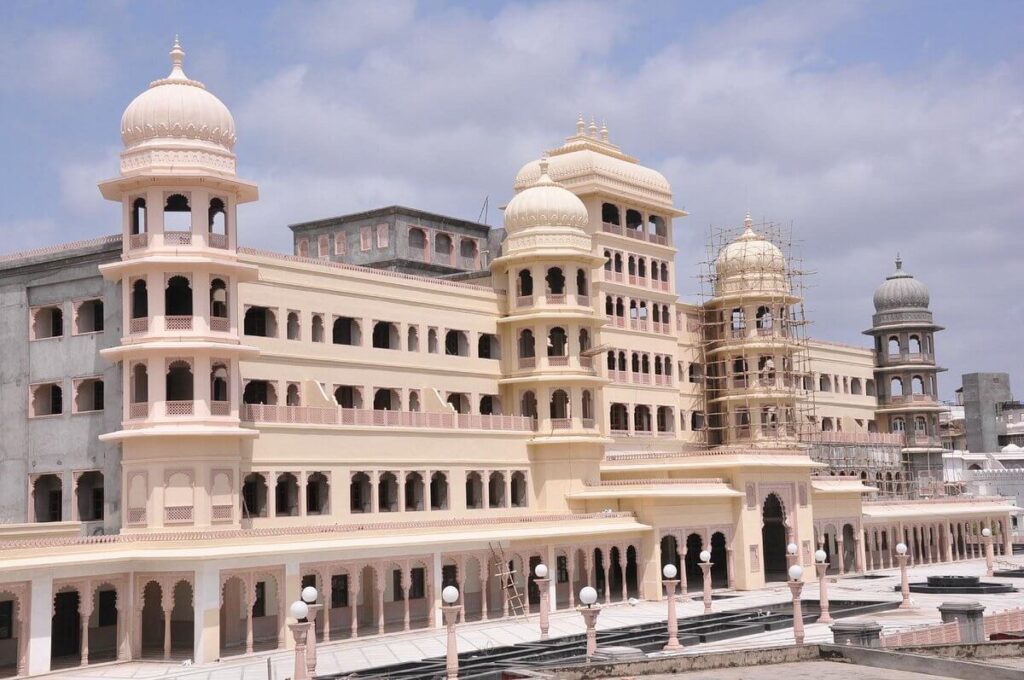
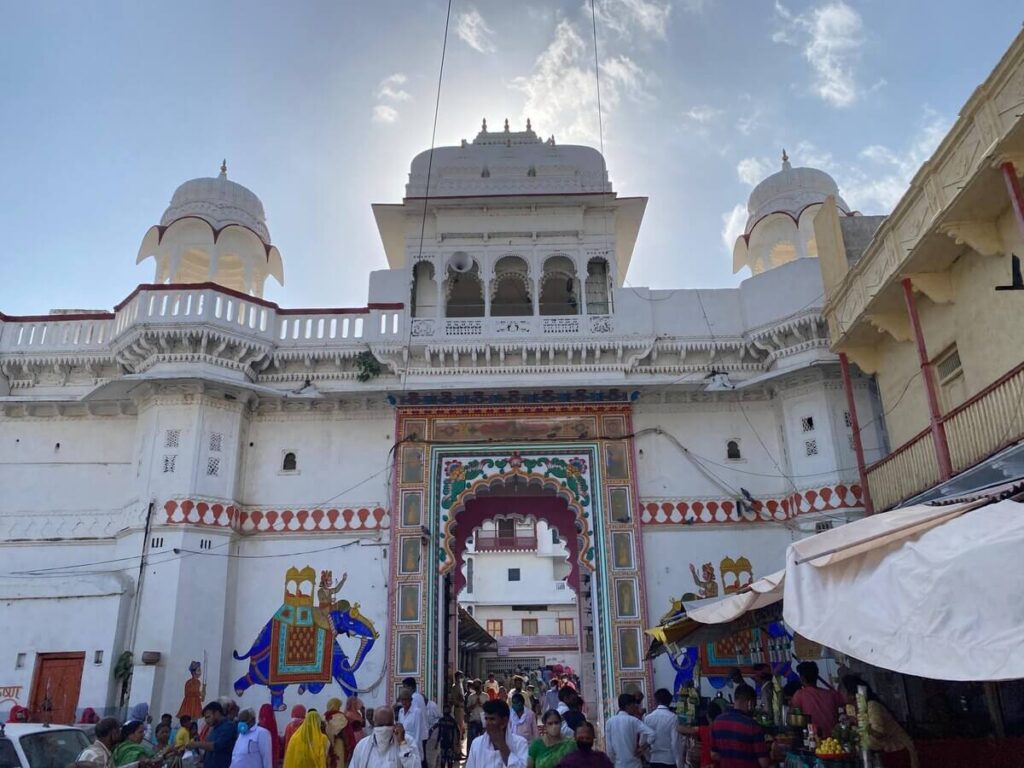
The Shrinathji Temple in Nathdwara is one of the most revered Krishna shrines in India. Built in 1672, it houses a black marble idol of Shrinathji, believed to be self-manifested. The temple rituals include eight daily darshans, each presenting the deity in different attire and ornaments.
Nathdwara is also famous for Pichwai paintings—exquisite artworks inspired by Krishna’s life. Pilgrims and travelers are drawn not only to the temple’s devotion but also to its vibrant cultural heritage, which thrives in this holy town. Read Also: Nathdwara Travel Guide – 10 Must-See Places
Highlights
- Eight Daily Darshans: The deity is adorned in different costumes and ornaments throughout the day, each darshan offering a unique experience.
- Pichwai Art: Nathdwara is famous for its hand-painted cloth art that depicts stories from Krishna’s life.
- Festivals: Janmashtami and Diwali transform the temple into a sea of devotion and festivity.
Why Visit
This temple is the spiritual heart of Rajsamand and a must for anyone interested in Vaishnava traditions.
Travel Tip
Visit early in the morning to avoid heavy crowds and experience a quieter darshan.
Best Rajasthan Tour Packages to Explore:
- Rajasthan Tour Plan – 12 Day Itinerary
- 8 Day Rajasthan Tribal Culture Tour
- 10 Day Rajasthan Trip – Complete Package
- Rajasthan Holiday Package – 15 Day Journey
- 15 Day Rajasthan with Mumbai & Goa Tour
- 14 Day Rajasthan & Varanasi Spiritual Journey
5. Dwarkadhish Temple, Kankroli
The Dwarkadhish Temple in Kankroli, located on the banks of Rajsamand Lake, is dedicated to Lord Krishna as the King of Dwarka. Built in traditional Mewar style, the temple is a serene retreat for devotees and tourists alike. Its location adds to its charm, with calm waters and marble ghats nearby.
This temple serves as an important seat for the Vallabhacharya sect, and festivals bring the whole town alive with devotion. A visit here combines spirituality with the lake’s natural beauty.
Highlights
- Built in Mewar architectural style with detailed carvings.
- Its location by the lake makes it an especially serene spot.
- The temple is associated with the Vallabhacharya sect of Krishna devotion.
Travel Tip
Plan your visit in the evening and attend the aarti on the ghats—an unforgettable experience.
6. Charbhuja Temple
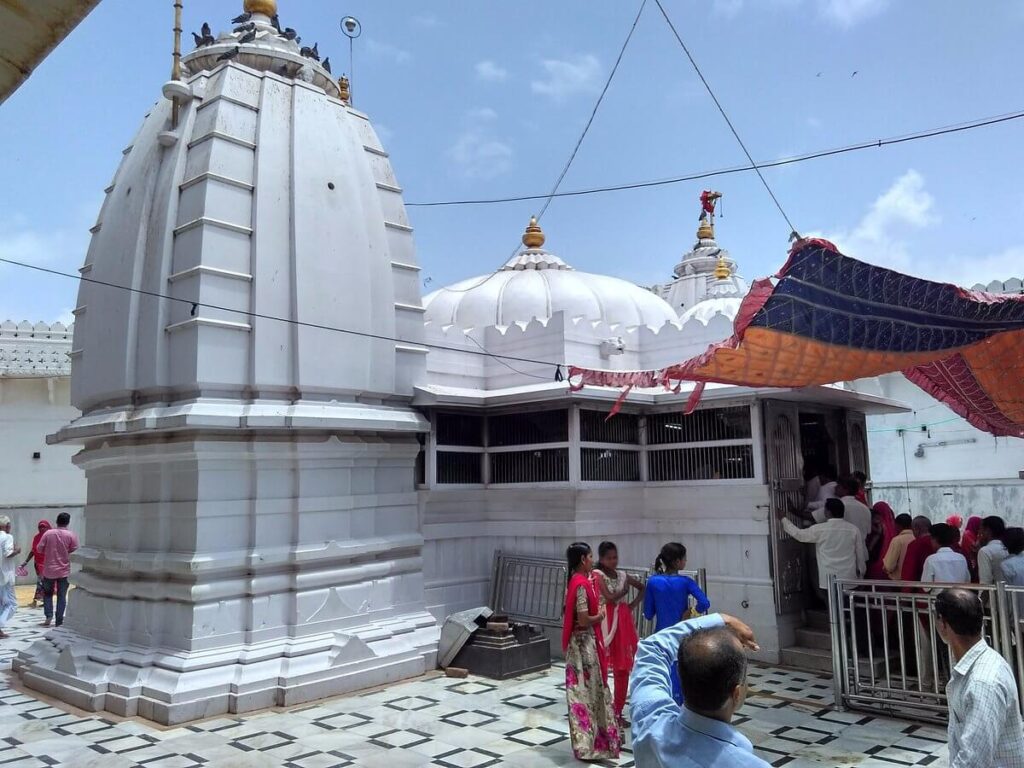
Charbhuja Temple, located in Garhbor village, is one of the four most sacred shrines dedicated to Lord Vishnu in Rajasthan. Built in the 15th century, it is known for its towering spire and grand entrance guarded by stone elephants.
The idol of Charbhuja Nath, with four arms, is believed to have miraculous powers. Legends say the deity was protected during invasions, preserving the faith of devotees. The annual temple fair is a vibrant gathering, making it both a spiritual and cultural highlight.
Highlights
- Known for its tall spire and carved stone elephants at the entrance.
- The idol of Charbhuja Nath is believed to have been hidden during invasions and miraculously preserved.
- The temple fair attracts thousands of devotees every year.
7. Kumbhalgarh Wildlife Sanctuary

Spread around Kumbhalgarh Fort, the Kumbhalgarh Wildlife Sanctuary covers over 600 square kilometers of rugged terrain in the Aravalli Hills. The sanctuary shelters a variety of wildlife, including leopards, wolves, sloth bears, hyenas, and antelopes.
Birdwatchers can spot peacocks, jungle fowl, and migratory species during winter. For adventure lovers, jeep safaris and trekking trails offer opportunities to experience Rajasthan’s wilderness up close. Its proximity to the fort makes it easy to combine history with nature, offering a balanced travel experience. Read Also: Best 7 Places to Explore in Kumbhalgarh Rajasthan
Wildlife
- Leopards, wolves, sloth bears, and hyenas.
- Bird species like grey jungle fowl, peacocks, and golden orioles.
Activities
- Jeep safaris with local guides.
- Trekking through Aravalli trails.
- Birdwatching near seasonal water holes.
8. Molela Terracotta Village
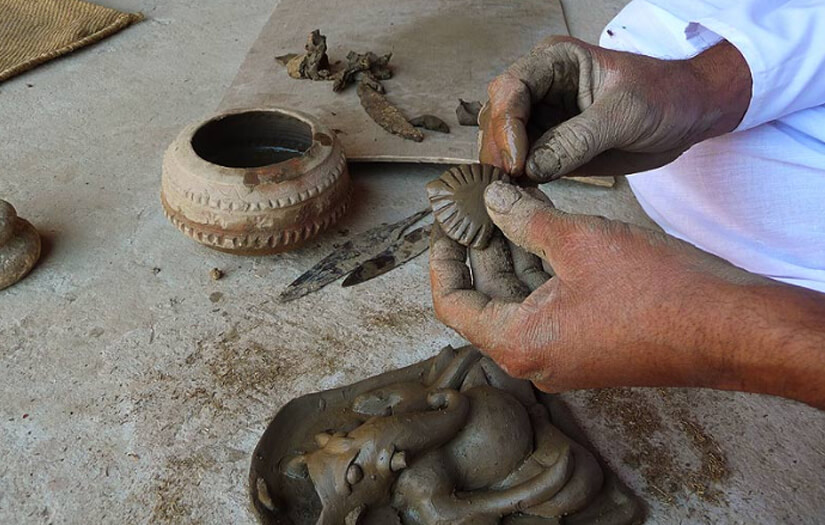
Molela, a small village near Nathdwara, is famous for its distinctive terracotta art. Unlike common pottery, Molela craftsmen create flat-relief clay plaques depicting gods, goddesses, and scenes from folklore. These unique works have earned Geographical Indication (GI) status, highlighting their cultural significance.
Visitors can interact with artisans, watch the crafting process, and purchase authentic souvenirs. The village is not only about art—it represents Rajasthan’s living traditions and resilience, where generations have kept this rare craft alive for centuries.
Highlights
- Artisans create flat-relief clay panels depicting gods, goddesses, and folklore.
- The craft has been awarded a GI (Geographical Indication) tag.
- Visitors can interact with artisans and buy authentic pieces.
Travel Tip
Buy directly from the craftsmen—your purchase supports their livelihood.
9. Rajsamand Panorama
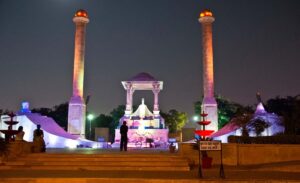
The Rajsamand Panorama, near Rajsamand Lake, is an open-air installation designed to showcase Mewar’s glorious history through sculptures and statues. It includes depictions of Maharana Raj Singh and other rulers, along with significant events from the region’s past.
The site offers an educational experience while also providing scenic views of the lake. It’s a family-friendly stop where history is presented in a visually engaging way. Combining cultural interpretation with photography opportunities, the Panorama is an enriching addition to any Rajsamand itinerary.
10. Dayal Shah Fort and Local Temples
For those who enjoy venturing off the beaten path, the Dayal Shah Fort and nearby temples such as Neelkanth Mahadev and Golerao Jain Temple reveal Rajsamand’s quieter side. Though less famous than Kumbhalgarh, these sites offer a chance to explore without crowds.
The temples showcase traditional carvings and spiritual atmosphere, while the fort carries the echoes of local rulers’ legacies. Visiting these places allows travelers to experience authentic Rajsamand heritage, away from commercial tourism, in a peaceful and reflective setting.
11. Maharana Pratap Museum
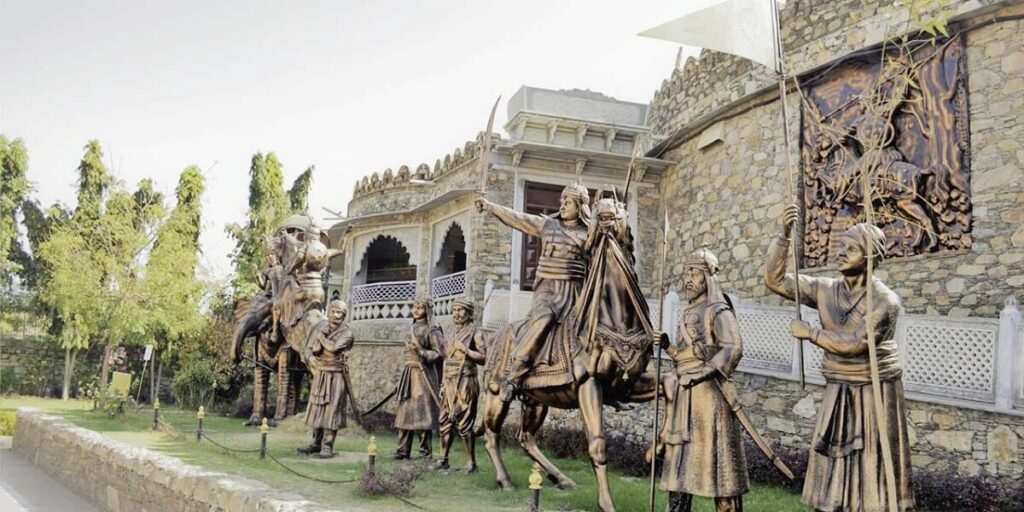
Located near Haldighati, the Maharana Pratap Museum is dedicated to the life and valor of the legendary Rajput king. Inside, visitors can see weapons, armor, paintings, and models depicting scenes from the Battle of Haldighati.
A highlight is the life-sized diorama of Maharana Pratap riding his horse, Chetak, into battle. Audio-visual shows narrate stories of his struggles against Mughal dominance. For families and history enthusiasts, the museum is an immersive way to understand the courage and resilience of Rajput warriors.
Highlights
- Life-sized dioramas of the Battle of Haldighati.
- Rare weapons, armor, and Rajput miniatures.
- Multimedia shows narrating Maharana Pratap’s struggle for independence.
12. Ranakpur Jain Temples
Ranakpur, easily accessible from Rajsamand, is home to one of India’s most celebrated Jain temples. The Chaumukha Temple, dedicated to Lord Adinath, is built entirely of marble and features 1,444 intricately carved pillars, each uniquely designed.
The temple is an architectural marvel, blending spirituality with artistry. Surrounded by hills and streams, it offers a peaceful retreat away from bustling cities. Whether you’re a devotee or an admirer of architecture, Ranakpur Temples provide an awe-inspiring experience that complements a trip to Rajsamand perfectly.
Highlights
- Chaumukha Temple, dedicated to Adinath, with 1,444 intricately carved marble pillars.
- Each pillar has a unique design, making the temple a wonder of art and architecture.
- Peaceful atmosphere surrounded by hills and streams.
13. Rural Trails and Village Walks
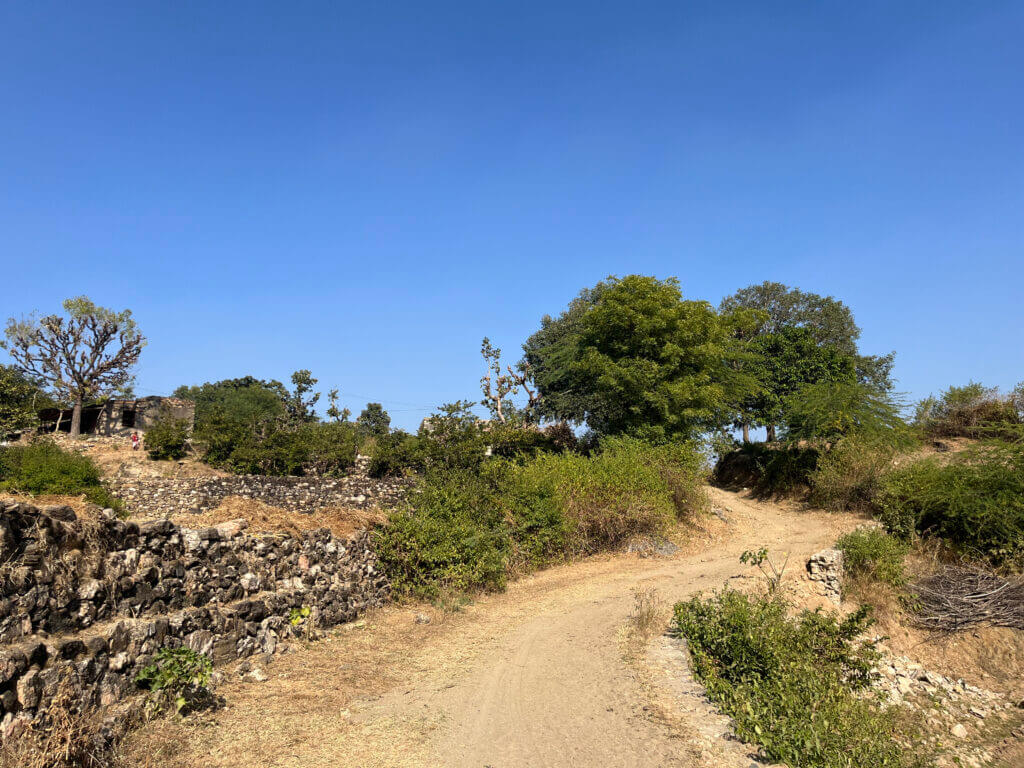
Beyond monuments and temples, Rajsamand’s rural villages offer a window into authentic Rajasthani life. Places like Deogarh allow visitors to explore heritage havelis, meet local farmers, and enjoy folk music and dance. Walking through these villages, you’ll witness traditional crafts, colorful attire, and everyday routines that remain unchanged for centuries.
Rural tourism here is about connection—sharing stories with locals, learning their customs, and savoring home-cooked Rajasthani meals. For travelers seeking immersion, these trails deliver a soulful and unforgettable experience.
Best Time to Visit Rajsamand
- October–March: Pleasant weather, ideal for sightseeing.
- April–June: Hot and dry, avoid unless necessary.
- July–September: Monsoon brings greenery but also heavy rains.
How to Reach Rajsamand
- By Air: Nearest airport is Udaipur (Maharana Pratap Airport), 67 km away.
- By Train: Udaipur and Nathdwara are the best-connected railway stations.
- By Road: National Highway 8 passes through Rajsamand, making it accessible from Jaipur, Udaipur, and Jodhpur.
Suggested Itinerary
Day 1: Rajsamand Lake, Dwarkadhish Temple, Rajsamand Panorama.
Day 2: Kumbhalgarh Fort, Wildlife Sanctuary, Charbhuja Temple.
Day 3: Haldighati, Maharana Pratap Museum, Molela Terracotta Village.
Travel Tips
- Carry comfortable shoes for fort treks and temple visits.
- Dress modestly at religious places.
- Keep cash handy for village markets.
- Hire guides at forts and temples to understand the local legends better.
Conclusion
Rajsamand may not be the most famous name in Rajasthan’s travel map, but it is one of the most rewarding. From the marble ghats of Rajsamand Lake to the mighty walls of Kumbhalgarh, from Krishna temples in Nathdwara to craft villages like Molela, every corner here tells a story.
For those who wish to experience Rajasthan beyond the usual desert safaris and palaces, Rajsamand offers an authentic blend of history, spirituality, art, and rural charm.
If Rajasthan is the crown of India’s heritage, Rajsamand is one of its shining jewels.
Explore These Topics:
- Best Places to Visit in Rajasthan – April 2026
- Rajasthan in May 2026 – Top Tourist Destinations
- June 2026 Rajasthan Travel – Must-See Places
- Tourist Spots in Rajasthan to Visit – July 2026
- August 2026 Rajasthan Trip – Best Places to Explore
- Gagron Fort Jhalawar – Complete Travel Guide
- Shrinathji Temple Nathdwara – Visitor & Travel Guide
- Rajasthan Attractions – Top Picks for February 2026
- January 2026 Rajasthan Travel – Best Destinations
- Rajasthan in December – Top Tourist Places to Visit
- Famous Places to Visit in Rajasthan – November 2026
- Rajasthan Travel Tips for First-Time Visitors