
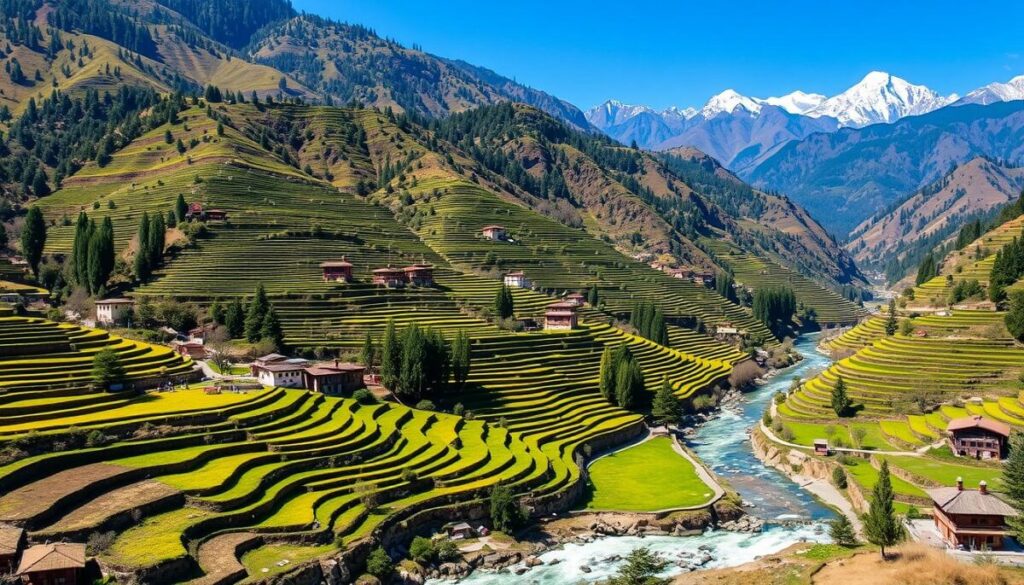
Tucked away in Bhutan’s Wild West, Haa Valley is one of the country’s most unspoiled and soul-stirring destinations. Just a few hours from Paro, this high-altitude valley charms you with slate-roofed hamlets, terraced buckwheat fields, blue pine forests, yak-grazed pastures, and monasteries that feel older than time. If you’re looking for a slower, more authentic slice of Bhutan—far from big tour groups and selfie-sticks—Haa Valley is where the kingdom’s quiet magic truly sinks in.
Whether you come for a day trip over Chele La Pass or linger for nights in a family-run homestay, this complete Haa Valley travel guide covers the top things to do, the best time to visit, permits, what to eat, where to stay, and practical tips to help you plan a smooth, meaningful journey.
Haa Valley Travel Guide: Top 15 Activities & Sights
1) Visit Lhakhang Karpo (White Temple)
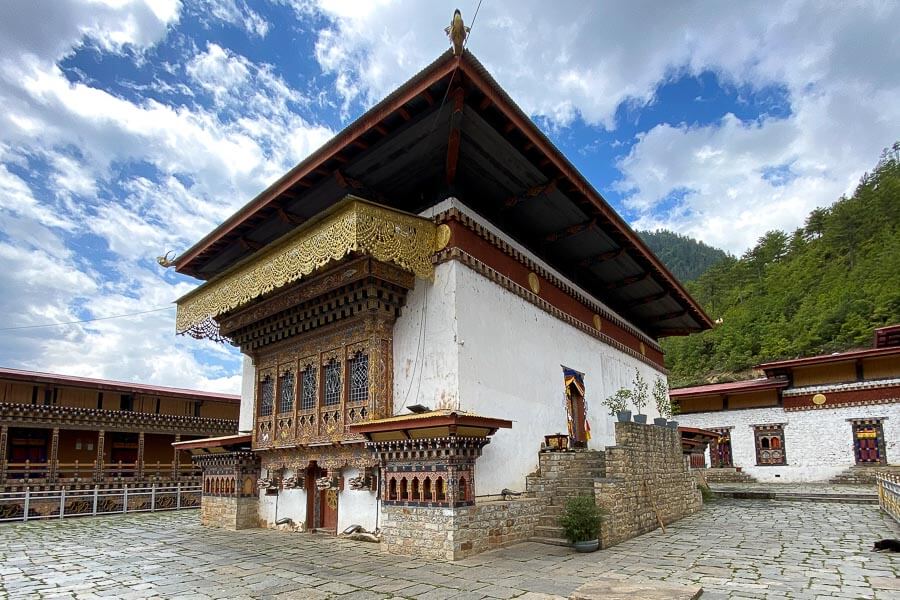
The White Temple is Haa’s spiritual heart. According to local lore, two doves—one white and one black—guided monks to the sites where the valley’s twin temples should be built. Lhakhang Karpo, the white one, sits serenely against a backdrop of evergreens and snow-brushed ridges.
Step inside to see calm prayer halls, butter lamps, and murals that tell centuries of Himalayan Buddhist myth and moral parable. If your timing aligns with morning chants, the low, resonant hum sets a contemplative tone for your entire Haa Valley experience. Dress modestly, move clockwise, and receive blessings from resident monks if invited.
2) Pair it with Lhakhang Nagpo (Black Temple)
Just a short distance away lies the Black Temple, Lhakhang Nagpo, said to be founded on a darker stone and representing complementary energies to the White Temple. Together, the two shrines embody harmony and balance—an elegant metaphor for life in the mountains.
The walk between the twin temples is gentle and photogenic, with prayer flags, farm plots, and village homes along the way. If you enjoy cultural photography, golden hour here is superb.
3) Explore Wangchulo Dzong (Haa Dzong)
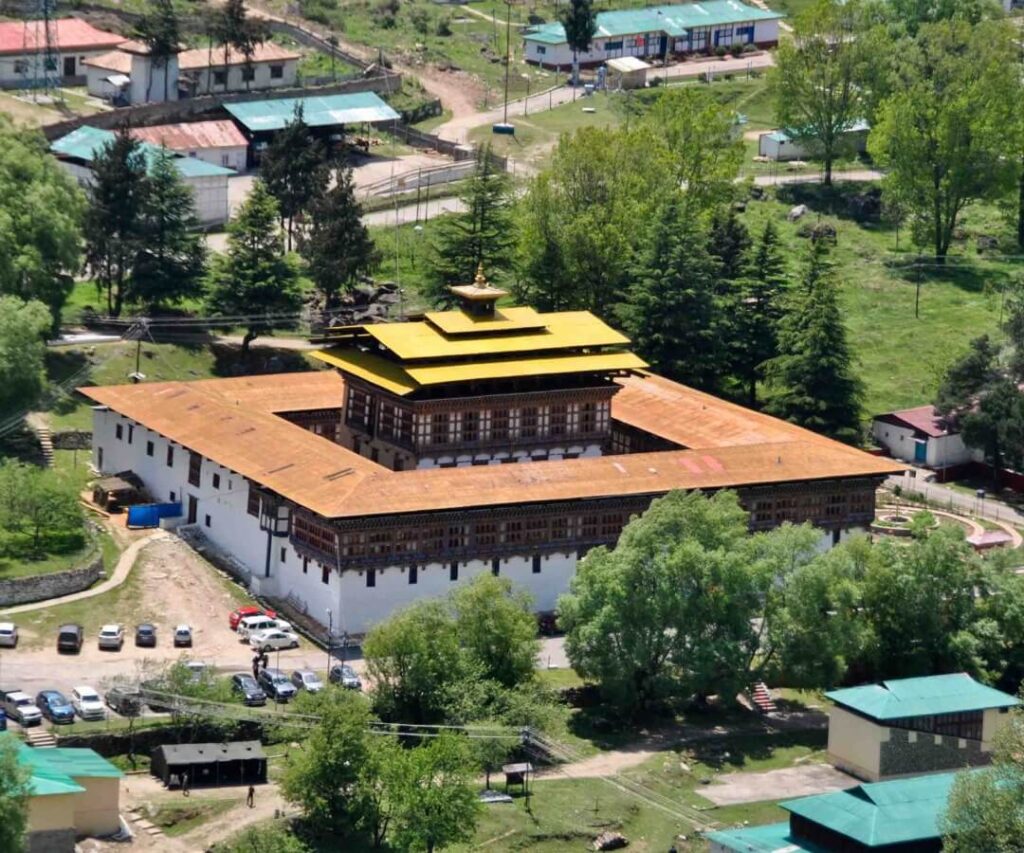
Wangchulo Dzong, often called Haa Dzong, is a stately fortress-monastery with thick whitewashed walls and intricate woodwork. Compared to the dzongs of Paro or Punakha, this one feels more intimate.
You’ll likely notice villagers dropping by for a quick devotion and children skirting the courtyard edges with wide eyes. Ask your guide about the dzong’s history, recent restorations, and any special events during your visit. Views from the surrounding grounds capture the valley’s tranquil scale.
4) Drive (or Ride) Over Chele La Pass
Chele La (3,988 m / 13,083 ft) is among Bhutan’s most spectacular mountain passes, connecting Paro to Haa via a ribbon of switchbacks through conifers and rhododendrons. On clear days you’ll see serrated peaks and miles of prayer flags trembling in the wind—an unforgettable welcome to Haa Valley.
In late spring and early summer, wildflowers bloom, and if you’re lucky, the elusive blue poppy dots the slopes. Photographers: bring layers, as winds at the pass can be icy even on sunny days.
5) Trek the Ancient Trails (Sagala or Chele La–Haa Routes)
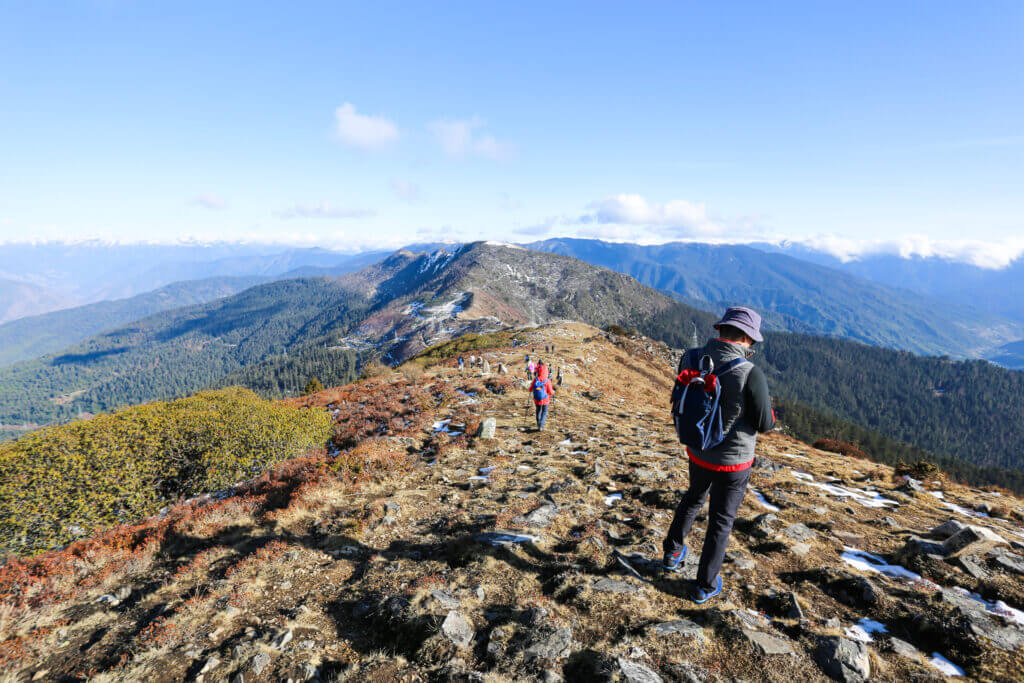
Haa is laced with historic trading and pilgrimage routes. Popular options include the Sagala trek (sometimes written as “Sagala Pass Trek”), rolling through meadows and forests with long-range views of the Haa and Paro regions.
If you’re short on time, half-day hikes from villages to nearby ridgelines still deliver big scenery—yak pastures, alpine flowers, and the occasionally soaring lammergeier. Hire a local guide for navigation, safety, and to glean stories of the land.
6) Ramble Through Katsho & Other Villages
Village walks are arguably the best way to feel Haa’s rhythm. Katsho village is a favorite: stone houses with stacked firewood, kitchen gardens, water-driven prayer wheels, and friendly residents who’ll greet you with shy smiles.
When you pass buckwheat fields in late summer or see chilies drying on rooftops in autumn, you glimpse Bhutan’s seasonal pulse. Stop into a small general store, chat with farmers (with your guide translating), and learn how mountain life is changing—and what endures.
7) Stay in a Homestay (and Try a Hot Stone Bath)
If you only do one thing, stay with a Haa Valley family. Homestays are cozy, often with wood-panel interiors, low tables for communal meals, and steaming hearths. The experience is warm and unhurried, with chances to watch noodles being hand-pulled, butter tea being churned, and chilies being strung.
Many homestays offer traditional hot stone baths (soak in wooden tubs heated with river stones). It’s bliss after a day of trekking and a cherished local wellness ritual.
Popular Bhutan Tour Packages:
- 5 Nights / 6 Days – Classic Bhutan Discovery
- 4 Nights / 5 Days – Highlights of Bhutan Itinerary
- 8 Days / 7 Nights – Complete Bhutan Experience
- 6 Nights / 7 Days – Scenic Bhutan Adventure
8) Haa’s Cuisine: Hoentay, Buckwheat & Yak Dishes
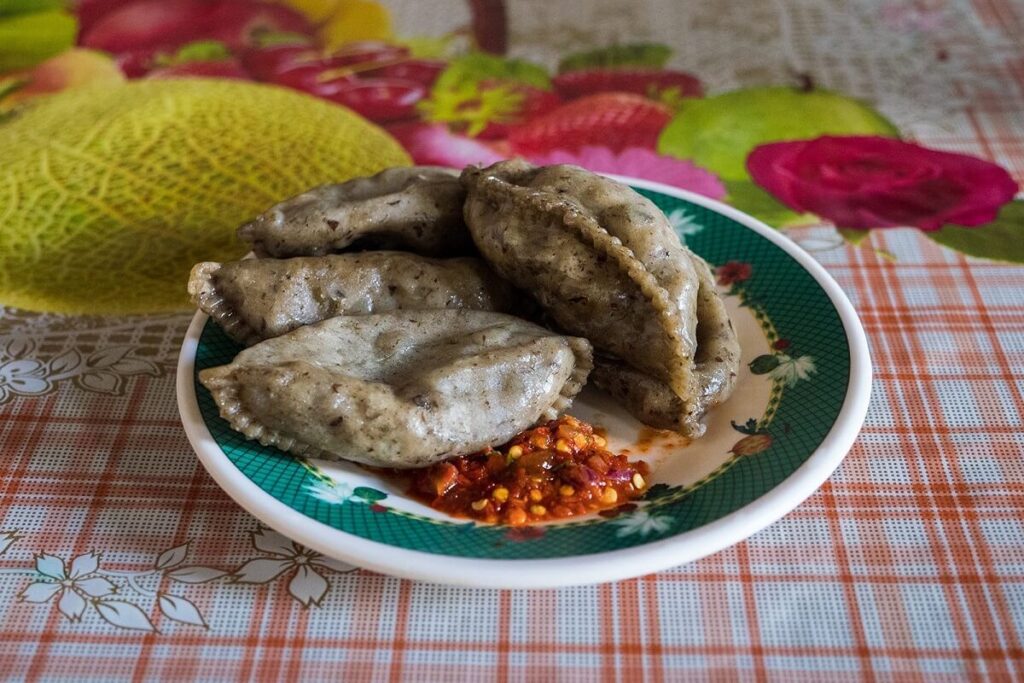
Haa Valley is known for hoentey, buckwheat-dough dumplings stuffed with turnip leaves and cheese—comforting and distinctly local. You’ll also find buckwheat pancakes (khule), hearty stews, and yak-based dairy.
Bhutan’s national dish, ema datshi (chilies and cheese), appears in countless variations; in Haa, it’s often extra robust. Be open to suja (butter tea) and ara (traditional rice or millet spirit) if offered; sip slowly and enjoy the hospitality.
9) Join (or Time Your Trip Around) Haa’s Festivals
Haa hosts seasonal village and valley festivals that spotlight yak herding culture, local food, music, and archery. While exact dates vary year to year, mid-summer events often feature traditional sports, mask dances, and food stalls, celebrating the valley’s agrarian life.
Ask your tour operator to check the current calendar. Arriving during a festival adds depth to your Haa Valley travel experience—more interactions, more flavor, more fun.
10) Practice Archery or Khuru (Dart Throwing)
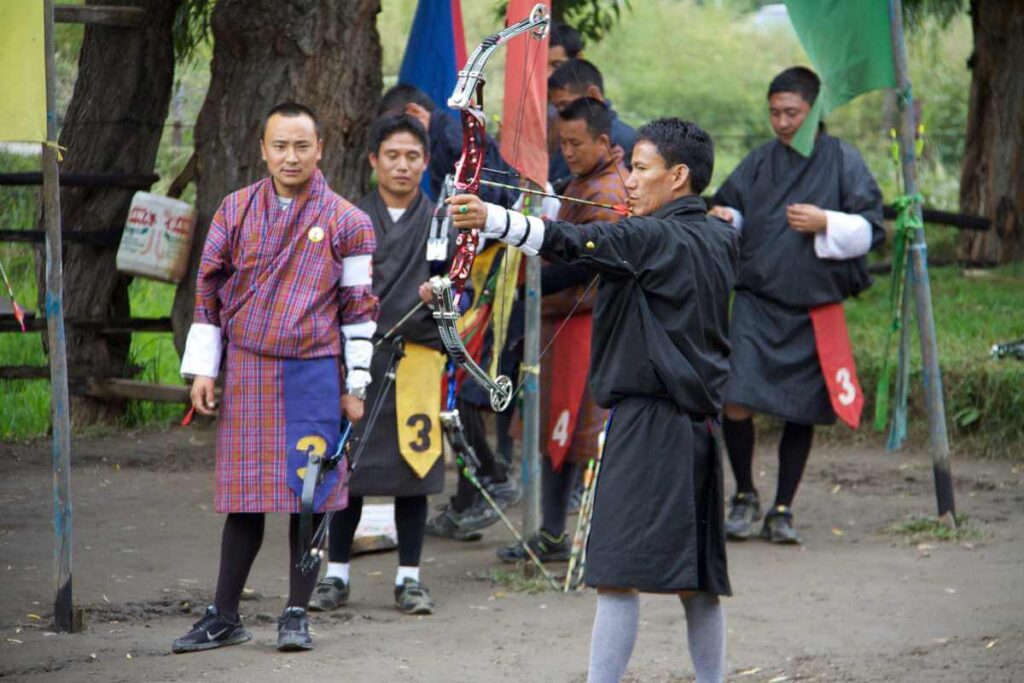
Archery (dha) is Bhutan’s national sport, and khuru (heavy dart throwing) is a rural favorite. In Haa, you can sometimes watch local matches—or even try your hand under guidance.
The banter between teams, bursts of traditional song and dance after a bullseye, and the community’s joyful competitiveness make this a memorable cultural immersion.
11) Birdwatching & Nature Walks in the Jigme Khesar Strict Nature Reserve Fringe
The wilderness west of Haa forms part of Bhutan’s protected networks, home to rich biodiversity—conifers, wildflowers, and birdlife that changes with altitude and season. Hire a naturalist guide if you’re keen to spot blood pheasants, monals, rosefinches, or high-altitude raptors.
Even casual strolls deliver delightful encounters: fluttering prayer flags, fragrant juniper, and the meditative sound of Haa Chhu (the Haa River).
12) Scenic Cycling & Valley Loops
Roads around Haa are quieter than elsewhere in western Bhutan, making cycling an appealing way to explore if you’re comfortable at altitude. Rolling routes connect the twin temples, dzong, villages, and viewpoints.
E-bikes are increasingly available via outfitters; otherwise, plan for a few gentle climbs and glorious glides past fields, stupas, and riverside stretches.
13) Photography: Faces, Flags & Fields
From dawn mists to slate rooftops and prayer flags on ridge lines, Haa Valley photography is about mood and texture. Mornings and late afternoons are soft and cinematic.
Always ask before photographing people, especially monks and elders. If you capture a family portrait during a homestay visit, offer to share it with them (many guides can help you pass along a print later).
14) River Moments by Haa Chhu
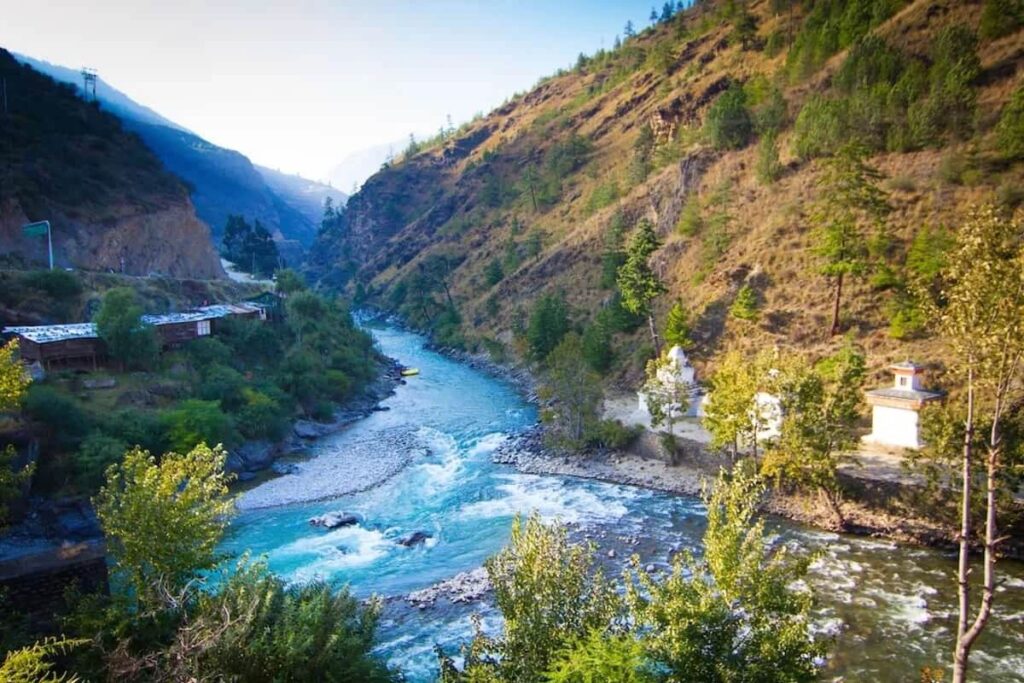
Follow a footpath to the Haa Chhu for quiet river time. In spring the water runs bright and lively; later in the season it’s gentler and ideal for picnics.
Sit and listen, journal, or simply breathe the crisp air. Your guide can explain local river etiquette, seasonal flows, and how the valley’s water shapes crops and herding routes.
15) Day Trip Pairings: Kila Nunnery Viewpoint via Chele La
If you’re traveling between Paro and Haa, consider a stop near Kila Nunnery (on the Paro side of Chele La) for an overlook and short walk to viewpoints (access can vary; always check trail conditions and permissions).
It’s a contemplative, lesser-visited counterpoint to Paro’s famous Tiger’s Nest—and complements the quiet spirituality you’ll feel in Haa.
How Many Days in Haa Valley?
- Day Trip from Paro (Long Day): Cross Chele La, visit the twin temples, the dzong, a village walk, and return. This is doable but rushed.
- 1 Night / 2 Days: Ideal minimum. Arrive via Chele La, visit key sites, sleep in a homestay, enjoy a hot stone bath, and an unhurried village morning.
- 2 Nights / 3 Days: Best for trekkers and slow travelers—add a day hike, cycle loop, river time, and a deeper cultural experience.
Best Time to Visit Haa Valley
- Spring (Mar–May): Rhododendrons and alpine blooms. Crisp mornings, mild days, great trekking weather.
- Summer (Jun–Aug): Lush fields, festival season in some years. Expect some rain; landscapes at their greenest.
- Autumn (Sep–Nov): Clear skies, harvest scenes, prime mountain views, comfortable days and cool nights.
- Winter (Dec–Feb): Quiet and cold; possible snow at higher elevations. Poetic for photography, but plan layers and check road conditions for Chele La.
Tip: If mountain views are your priority, late Sept–Nov often offers the most reliable clarity. For flowers, late May–June is special.
Getting There & Around Haa Valley
- Gateway: Most travelers approach from Paro.
- By Road: The drive over Chele La Pass is the classic route, typically 2.5–4 hours depending on stops.
- By Tour: Under Bhutan’s tourism policy, visitors book through a licensed Bhutanese operator (who arranges vehicle, driver, guide, hotels/homestays, and permits).
- Local Transport: In Haa Valley itself, you’ll get around by private vehicle, bike, and on foot. Roads connect main villages and sites; trails link ridges and fields.
Permits & Travel Formalities (What to Know)
Bhutan regulates tourism to preserve culture and environment. In general:
- Visa & Entry: Most nationalities require a visa arranged via a licensed operator before arrival; Indians, Bangladeshis, and Maldivians typically follow different permit procedures.
- SDF (Sustainable Development Fee): Tourists pay a per-night SDF as part of Bhutan’s tourism model. The amount and any promotional adjustments change over time; check with your operator for the current policy before you book.
- Regional Permits: Certain dzongkhags (districts) and sites require permits beyond your visa. Your guide/operator will arrange route permits if needed for Haa.
- Monastery Etiquette: Shoulders and knees covered; remove hats; no photography where prohibited; move clockwise; speak softly.
Always confirm the latest requirements with your Bhutan operator at the time you book, as policies can evolve.
Where to Stay in Haa Valley
You won’t find big-brand hotels here—and that’s the point. Expect:
- Homestays: The heart of the Haa experience—warm hosts, real Bhutanese life, home-cooked meals, and optional hot stone baths.
- Small Lodges & Farm Stays: Simple rooms, scenic views, and hearty breakfasts.
- Trek Camps: If you’re on a multi-day trek, your operator sets up tents or uses rustic shelters depending on the route.
What to look for: Heated rooms (or extra blankets), hot water availability, proximity to your planned activities, and the possibility to arrange archery or cooking demonstrations.
What to Eat: Haa Valley Food Guide
- Hoentey: Buckwheat dumplings stuffed with leafy greens and cheese—signature Haa comfort food.
- Buckwheat Pancakes (Khule): Earthy, filling, delicious with ema datshi.
- Ema Datshi: Bhutan’s spicy national dish—chilies in cheese sauce. Variations include kewa datshi (potato) and shamu datshi (mushroom).
- Yak Dairy: Depending on season and location, try yak butter or cheese.
- Chilies Everywhere: You’ll see them drying on roofs—autumn scenes are bright red with strings of chilies.
- Butter Tea (Suja) & Ara: Accept with gratitude if offered; sip and savor as part of the cultural exchange.
Haa Valley Itineraries
A) One Day in Haa Valley (from Paro)
- Early: Drive over Chele La (photo stops at prayer flags and viewpoints).
- Mid-Morning: Lhakhang Karpo & Lhakhang Nagpo (walk between them; meet locals).
- Lunch: Village homestay or small eatery—try hoentey.
- Afternoon: Wangchulo Dzong, riverside walk along Haa Chhu.
- Late: Begin return to Paro via Chele La with sunset views.
B) Two Days / One Night
Day 1: Chele La → twin temples → village walk → hot stone bath → homestay dinner.
Day 2: Short trek to a ridge or meadow (Sagala section if time allows) → leisurely lunch → dzong and crafts stop → drive back.
C) Three Days / Two Nights (Slow Travel)
Day 1: Chele La → temples → dzong → farm visit.
Day 2: Full-day trek or cycling loop, picnic by the river, evening archery.
Day 3: Nature walk and local interactions, head out after lunch.
Final Thoughts
Haa Valley is Bhutan at its purest: temples humming with devotion, villages that still farm the old way, and mountains that pull you outside for long, lung-filling breaths. Come for the views over Chele La and the elegant twin temples, but stay for the small moments—tea with a grandmother who’s perfected hoentey, a child’s laughter as an arrow thuds into the target, the hush that falls when the valley’s evening bells ring.
If you’re crafting a Bhutan itinerary that balances iconic highlights with authentic, rural life, Haa Valley is the chapter you’ll remember longest. Pack your layers, bring your curiosity, and give yourself the gift of slow days in a place that has mastered the art of being quietly, beautifully itself.
Top Bhutan Travel & Experience Ideas
- Top Restaurants in Bhutan – 15 Must-Try Spots
- Best Places to See in Bhutan – July 2026
- Bhutan in August – Top Destinations & Activities
- Must-Visit Places in Bhutan – September 2025
- Best Bhutan Destinations – October 2025
- Where to Go in Bhutan – November 2025
- Top Tourist Spots in Bhutan – December 2025
- Explore Bhutan’s Nightlife Hotspots
- Most Popular Honeymoon Destinations in Bhutan
- Famous Temples to Visit in Bhutan
- Bhutan in June 2026 – Travel Highlights
- Best Wildlife & National Parks in Bhutan
- Most Popular Trekking Routes in Bhutan
Haa Valley Travel – FAQ
1) Can I visit Haa Valley on a day trip from Paro?
Yes. It’s a long but rewarding day via Chele La Pass, with time for the twin temples, dzong, and a village ramble. If you can spare a night, a homestay elevates the experience.
2) Is Haa Valley good for trekking?
Absolutely. From half-day hikes to multi-day treks like the Sagala route, walking here is sublime—meadows, forests, ridges, and the chance to glimpse high Himalayan views on clear days.
3) Will I need special permits to enter Haa?
Your Bhutan tour operator arranges required route permits and handles temple access protocols. Visa and SDF rules vary by nationality and may change—confirm the latest before booking.
4) What’s the best season for views?
Autumn (Sep–Nov) often brings the clearest skies. Spring (Mar–May) offers flowers and pleasant temperatures. Summer is lush but wetter; winter is quiet and cold.
5) Are there luxury hotels in Haa?
Expect homestays and small lodges rather than luxury brands. That simplicity is Haa’s charm—authentic hospitality, farm-fresh food, and peaceful nights.
6) Can vegetarians eat well here?
Yes. Bhutanese cuisine offers many vegetarian staples—ema datshi, kewa datshi, buckwheat dishes, rice, lentils, leafy greens, mushrooms in season, and local pickles.
7) How cold does it get?
Evenings are cool year-round; high passes are cold and windy. In winter, temperatures can drop below freezing. Pack layers in any season.
8) Is internet available?
You’ll find basic mobile data and Wi-Fi in some homestays/lodges, though speeds can be slow and outages happen. Consider it an invitation to unplug.
9) Is Haa Valley family-friendly?
Yes—village walks, river picnics, easy nature trails, and cultural activities are great for families. Just plan around altitude and carry layers for kids.
10) What cultural faux pas should I avoid?
Remove hats inside temples, dress modestly, move clockwise around chortens and prayer wheels, and never point your feet at sacred objects when seated.
11) Can I do cycling in Haa?
Yes—quiet roads and gentle valley gradients suit cyclists. Arrange bikes via your tour operator; e-bikes may be available in Paro if not in Haa.
12) What’s unique about Haa compared with Paro or Punakha?
Haa is quieter, less commercial, and more traditional—ideal for slow travel. You’ll meet more farmers than vendors, see more fields than souvenir shops.
13) Are hot stone baths hygienic and safe?
Reputable homestays clean tubs between uses and heat stones separately. Let hosts know your comfort level; avoid very hot soaks if you’re dehydrated or have blood pressure issues.
14) Can I buy local crafts in Haa?
Small shops and homestays sometimes sell woven textiles, wool items, or simple handicrafts. Buying direct supports households and keeps crafts alive.
15) Do I need cash?
Bring some local currency for tips, snacks, and small purchases; card acceptance is limited in rural areas. ATMs may be unavailable or unreliable in the valley.
