Kathmandu, the capital of Nepal, is more than a gateway to the Himalayas. It is a city of temples, courtyards, rituals, and living heritage. Every alley tells a story, and every square holds centuries of history. For travelers, it offers an unmatched mix of culture, spirituality, and adventure. If you are planning a trip, this guide on the best things to do in Kathmandu will help you create an itinerary that covers major attractions, unique activities, and authentic local experiences.
Kathmandu Travel Guide – 15 Must-Do Activities:
1. Swayambhunath (Monkey Temple)
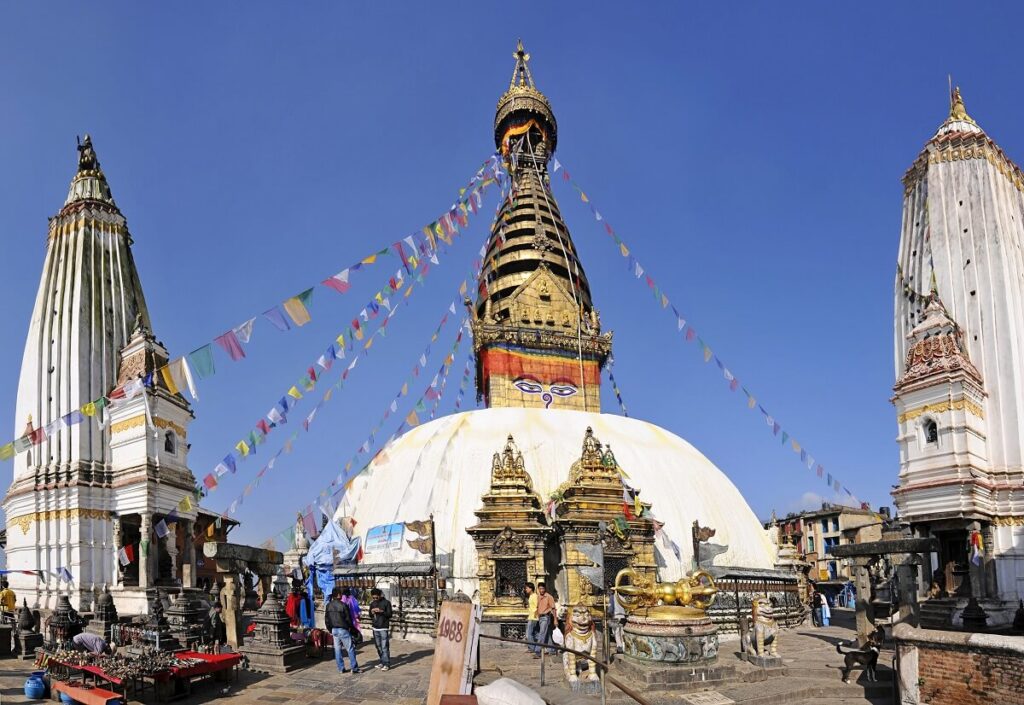
Swayambhunath, perched on a hilltop about 2 km west of central Kathmandu, is one of the city’s most iconic landmarks. The temple is believed to date back more than 1,500 years, making it one of the oldest religious sites in Nepal. Its whitewashed dome and golden spire are topped with the eyes of Buddha, watching over the Kathmandu Valley.
To reach the main stupa, you climb a staircase of 365 steps. Along the way, prayer wheels line the path, and monkeys leap across the railings, giving the temple its nickname—the Monkey Temple. At the top, the site offers panoramic views of the Valley, especially at sunrise or sunset. Smaller shrines, chaityas, and statues of various deities surround the main stupa. Exploring Swayambhunath Stupa – The Monkey Temple in Kathmandu
- Location: 2 km west of Thamel, Kathmandu
- Opening hours: Daily, 5:00 am to 7:00 pm
- Entry fee: NPR 200 (foreign visitors)
- Best time to visit: Early morning for peaceful ambience and clear views
- Tips: Wear comfortable shoes for the climb. Keep belongings safe, as monkeys are playful and sometimes aggressive.
Swayambhunath is not only a Buddhist pilgrimage site but also sacred to Hindus, making it a shared space of worship. Visiting here gives you both spiritual insight and some of the best views of Kathmandu.
2. Visit Boudhanath Stupa
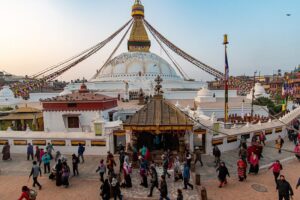
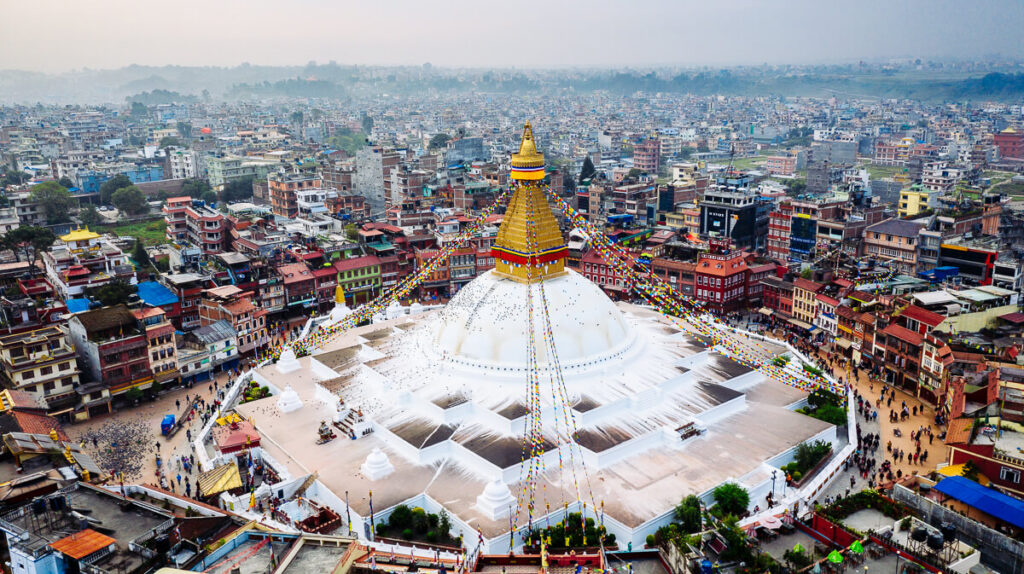
Boudhanath, a UNESCO World Heritage Site, is one of the largest spherical stupas in the world and a center of Tibetan Buddhism in Nepal. Built in the 5th century, the stupa’s massive white dome is topped with a golden spire and painted with Buddha’s all-seeing eyes.
Visitors usually walk clockwise around the stupa, spinning prayer wheels and joining pilgrims in a meditative kora. The atmosphere is particularly spiritual in the early morning or evening, when monks and devotees gather to chant and pray. Rooftop cafés and restaurants surrounding the stupa provide excellent vantage points for observing the rituals.
The area around Boudhanath is home to over 50 monasteries, reflecting the deep Tibetan influence in the neighborhood. Shops sell thangka paintings, Buddhist statues, and handicrafts, making it an excellent place to buy authentic souvenirs. Check more 10 Interesting Facts About Boudhanath Stupa, Nepal
- Location: 7 km northeast of Thamel
- Opening hours: Open 24 hours, though monasteries around close by evening
- Entry fee: NPR 400 (foreign visitors)
- Best time to visit: Sunset, when the stupa glows and devotees gather
- Tips: Visit nearby monasteries for a more immersive experience. Respect the clockwise direction when walking around the stupa.
Boudhanath is more than a tourist attraction—it is a spiritual hub and one of the most peaceful places in Kathmandu.
3. Pashupatinath Temple
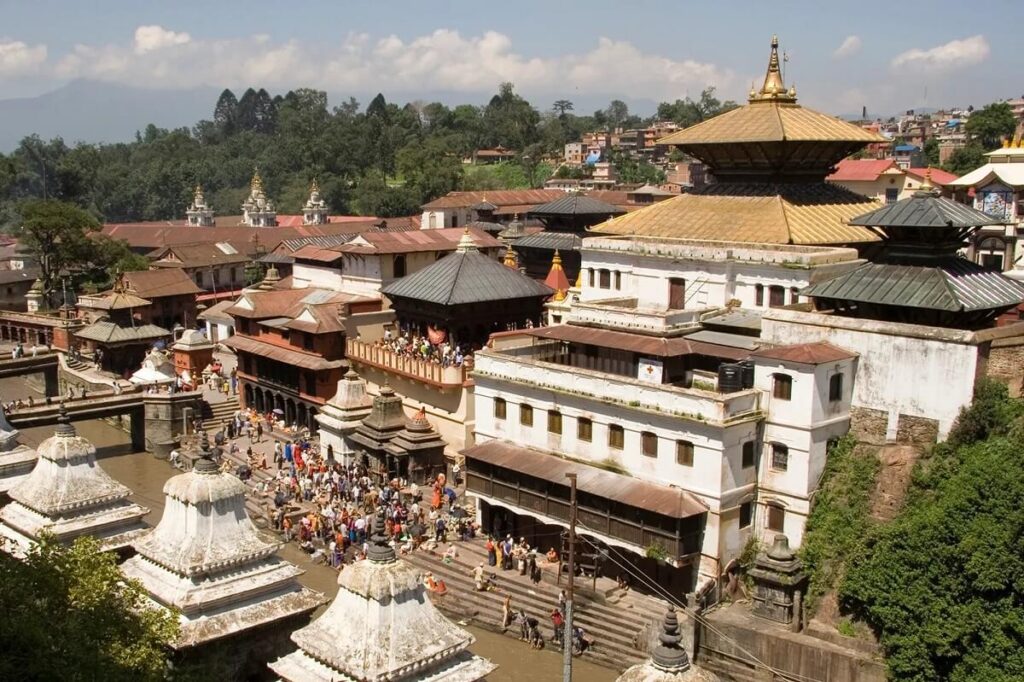
Pashupatinath, located on the banks of the Bagmati River, is Nepal’s most important Hindu temple dedicated to Lord Shiva. This UNESCO World Heritage Site attracts pilgrims from across South Asia, especially during Maha Shivaratri.
The temple complex includes the main golden-roofed pagoda and dozens of smaller shrines, ashrams, and statues. Along the river, you’ll see open-air cremation ghats, where families conduct Hindu funeral rites. Observing these rituals can be emotional but provides deep cultural insight.
While only Hindus are allowed inside the main temple, visitors can explore the surrounding complex and view the temple from across the river. Sadhus (Hindu ascetics) dressed in saffron robes are often seen meditating or blessing visitors. Explore more Pashupatinath Temple, Nepal (Timings, History, Location, and more.)
- Location: 5 km east of Thamel
- Opening hours: 4:30 am to 7:00 pm (main temple rituals vary)
- Entry fee: NPR 1,000 (foreign visitors)
- Best time to visit: Early morning or evening Aarti (6:00 pm)
- Tips: Dress modestly, cover shoulders and knees, and avoid taking intrusive photos during rituals.
Visiting Pashupatinath is not just about sightseeing—it is an intense cultural experience that offers a glimpse into Nepal’s religious traditions and the cycle of life and death.
4. Kathmandu Durbar Square
Kathmandu Durbar Square is the historic royal palace complex and a UNESCO World Heritage Site. Once the seat of the Malla kings, it remains one of the most culturally significant areas in the city. Despite damage from the 2015 earthquake, restoration has preserved many of its iconic temples and courtyards.
Highlights include Hanuman Dhoka Palace, Taleju Temple, and Kumari Ghar, home of the Living Goddess. The Kumari occasionally appears at her palace window, a rare and revered sight. The square also houses intricately carved wooden buildings, stone sculptures, and open courtyards used for festivals and rituals.
- Location: Center of Kathmandu, near Freak Street
- Opening hours: 7:00 am to 7:00 pm
- Entry fee: NPR 1,000 (foreign visitors)
- Best time to visit: Morning to avoid crowds, or during festivals like Indra Jatra for cultural performances
- Tips: Hire a local guide to understand the stories behind the monuments.
Kathmandu Durbar Square is not just an architectural gem but a vibrant part of daily life, with markets, festivals, and local gatherings filling the square throughout the year.
Best Nepal Tour Packages & Itineraries:
- Nepal 10 Days Travel Plan – Complete Itinerary
- Ghorepani Poon Hill Trek Itinerary – 9 Days
- 6 Days 5 Nights Nepal Holiday Package
- Nepal 5 Days Trip – Top Destinations Covered
- Kathmandu, Daman & Dhulikhel Tour Itinerary
- 10 Days Nepal Adventure Tour Package
- Kathmandu and Pokhara Trip Itinerary – 6 Days
5. Patan Durbar Square
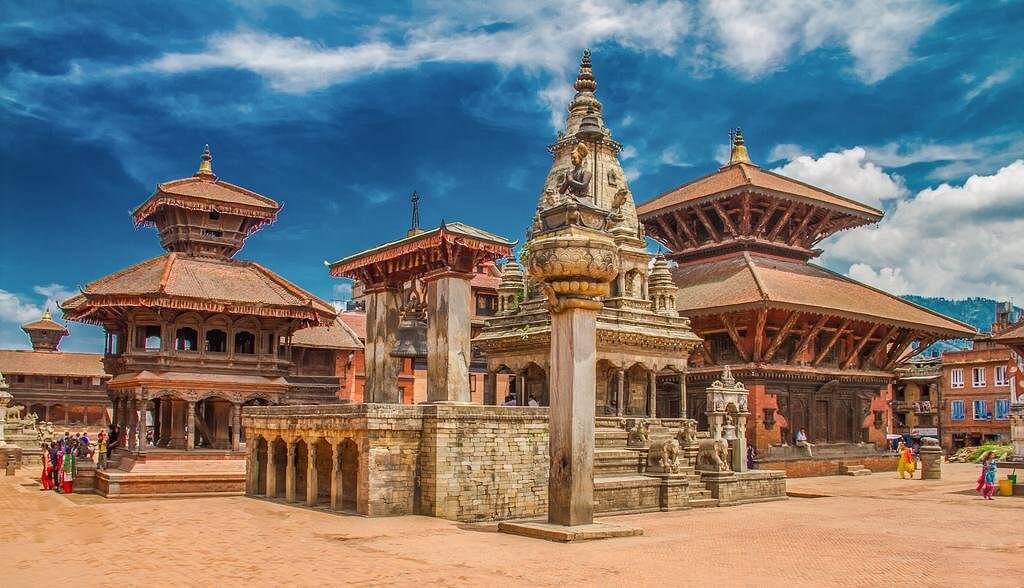
Located in the city of Lalitpur, Patan Durbar Square is another UNESCO site showcasing Newar artistry. It is smaller than Kathmandu Durbar Square but equally rich in history and design.
The Patan Museum is the main highlight, displaying traditional Hindu and Buddhist art in a restored palace. The square itself is home to the Krishna Mandir, a three-tiered stone temple built in the 17th century, and the Hiranya Varna Mahavihar (Golden Temple), a Buddhist monastery.
- Location: Lalitpur, 5 km south of Kathmandu
- Opening hours: 7:00 am to 6:00 pm
- Entry fee: NPR 1,000 (foreign visitors)
- Best time to visit: Mid-morning or late afternoon for good light on the temples
- Tips: Spend time wandering nearby alleys to see artisans creating statues and metalwork.
Patan Durbar Square feels less crowded than Kathmandu’s version and offers a more relaxed atmosphere for appreciating Newar culture.
6. Hike to Nagarkot for Sunrise
Nagarkot is a hill station about 32 km from Kathmandu, famous for its sunrise views over the Himalayas. From here, you can see peaks including Annapurna, Manaslu, Langtang, and even Mount Everest on clear days.
Travelers often stay overnight in one of Nagarkot’s hotels or guesthouses to catch the sunrise. Hiking trails also connect Nagarkot with Bhaktapur and Changunarayan, making it popular with trekkers.
- Location: 32 km east of Kathmandu
- Travel time: 1.5 to 2 hours by car
- Best time to visit: October to March for clear skies
- Tips: Carry warm clothing, as mornings are cold, even in summer.
Nagarkot offers a serene break from the city and is one of the most scenic day trips from Kathmandu.
7. Trek to Phulchowki Hill
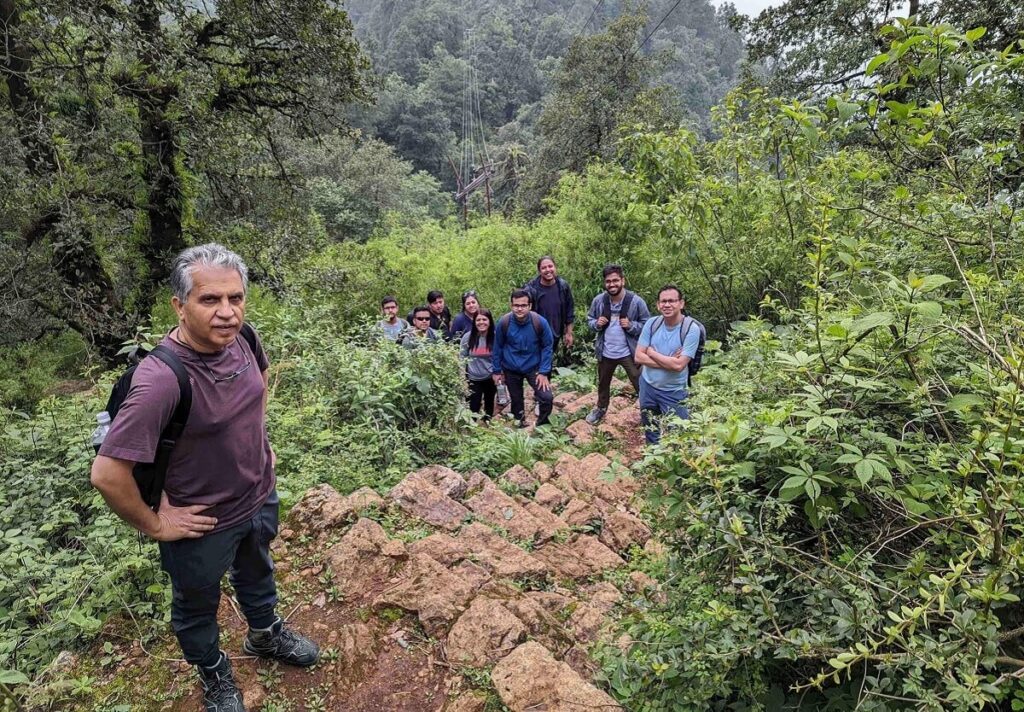
Phulchowki Hill, standing at 2,762 meters, is the highest peak in the Kathmandu Valley. It is a popular spot for hikers and birdwatchers who want to escape the bustle of the city. The name “Phulchowki” means “hill of flowers,” and in spring, its slopes burst into color with blooming rhododendrons, making the trek especially beautiful.
The trail begins near Godavari, about 14 km from Kathmandu. The hike usually takes 5–6 hours round trip, depending on your pace. The path winds through dense forests of oak and pine, alive with birdsong. More than 250 species of birds have been recorded here, so bring binoculars if you enjoy birdwatching. At the summit, you’ll find a small shrine and sweeping views of the Kathmandu Valley below and the Himalayan peaks in the distance on clear days.
- Location: 20 km southeast of Kathmandu, near Godavari
- Entry fee: No official entry fee, but transport costs apply
- Best time to visit: October to April for clear skies and cooler weather
- Tips: Carry water, snacks, and wear sturdy shoes. Hire a guide if you’re not familiar with the area.
Phulchowki is ideal for travelers who enjoy trekking and want to experience Kathmandu’s natural side without going too far from the city.
8. Cycling Around Kathmandu Valley
Cycling is a refreshing way to explore Kathmandu beyond its temples and crowded streets. With rental shops widely available in Thamel, you can easily hire a mountain bike for a day and set off on routes that combine rural landscapes, heritage sites, and village life.
One of the most popular routes takes you from Kathmandu to Bhaktapur and Changunarayan, passing terraced fields, small shrines, and local tea shops along the way. Another scenic option is the loop through Bungamati and Khokana, two traditional Newar villages where you can see age-old farming practices and beautifully carved wooden houses.
Cycling in the Valley lets you move at your own pace, stopping whenever you wish to take photos or interact with locals. It also offers a chance to escape the traffic-heavy city center.
- Bike rentals: Available in Thamel; costs range from NPR 1,000–2,000 per day
- Difficulty: Easy to moderate, depending on the route
- Best time to cycle: October to March when the weather is cooler and drier
- Tips: Always wear a helmet, start early in the morning, and bring cash for roadside snacks.
Cycling blends adventure with cultural immersion, making it one of the most rewarding activities in Kathmandu.
9. Shopping in Thamel
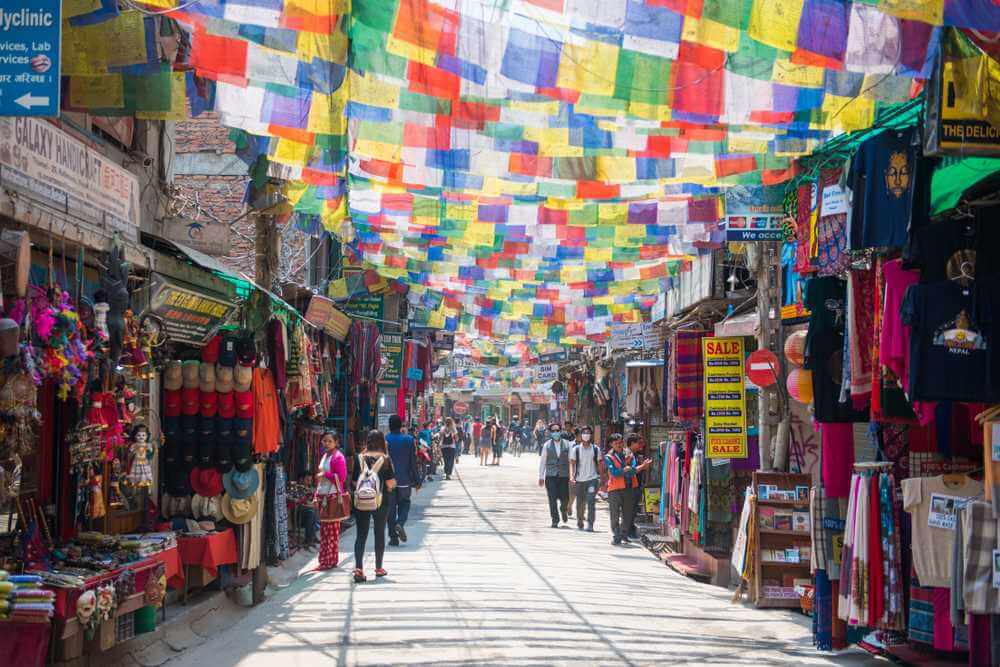
Thamel is Kathmandu’s commercial heart and the best place for shopping. Its narrow lanes are packed with shops selling everything from trekking gear and clothes to handicrafts and souvenirs. You’ll find pashmina shawls, handmade jewelry, prayer flags, singing bowls, and wood carvings.
For trekkers heading to the Himalayas, Thamel is also the place to pick up last-minute gear like jackets, sleeping bags, and boots. While many items are knock-offs, you can find good quality if you know what to look for. The streets are also full of bookstores, tea shops, and music stalls that sell traditional instruments.
Bargaining is part of the shopping culture in Thamel, so don’t hesitate to negotiate prices politely. After shopping, you can take a break in one of the area’s many cafés or try local street food like momos and samosas. Read Also Shopping in Kathmandu- What to Buy & Where to Buy
- Location: Central Kathmandu, about 15 minutes’ walk from Durbar Square
- Opening hours: Shops usually open from 10:00 am to 8:00 pm
- Tips: Carry small cash notes, check the quality of goods before buying, and be cautious of pickpockets in crowded areas.
Thamel can feel chaotic, but its vibrant energy and variety of shops make it a must-visit for every traveler.
10. Taste Nepalese Cuisine
Exploring Kathmandu is incomplete without trying its diverse cuisine. While dal-bhat (rice with lentils, vegetables, and curry) is Nepal’s staple dish, the city offers far more variety, especially from the Newari community.
In local restaurants, try yomari (sweet rice dumplings filled with jaggery), chatamari (a thin rice pancake often called Nepali pizza), and bara (crispy lentil patties). Another must-try is sukuti, dried and spiced meat, often served as a snack. For street food lovers, momos (dumplings) are everywhere and come with fillings like vegetables, chicken, or buffalo.
Kathmandu also has a growing café culture, with places serving fusion dishes, artisan coffee, and craft beer. To get the most out of your culinary journey, join a food tour that combines tastings with insights into Nepal’s food traditions.
- Tips: Eat at busy stalls for fresh food, ask for mild spice if needed, and always drink bottled or filtered water.
Food is one of the simplest yet most memorable ways to connect with Kathmandu’s culture and people.
11. Relax in the Garden of Dreams
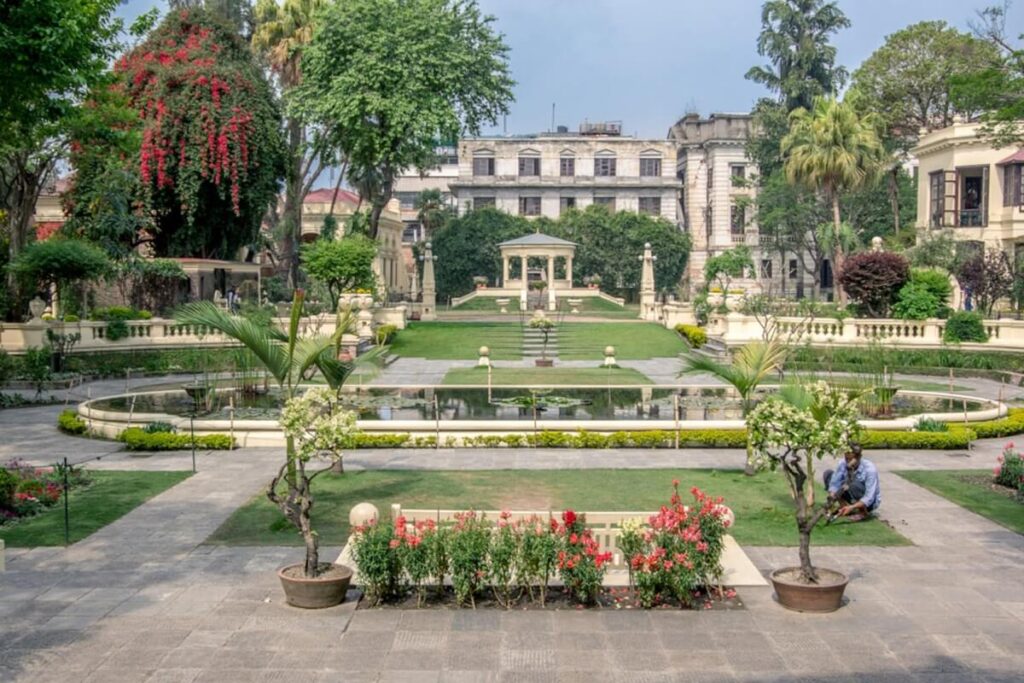
The Garden of Dreams is a neoclassical garden located just outside Thamel. Built in 1920 by Field Marshal Kaiser Sumsher Rana, it was restored with Austrian support and is now one of Kathmandu’s most peaceful places.
Inside, you’ll find fountains, pavilions, ponds, and landscaped lawns. The garden is divided into six pavilions, each representing one of Nepal’s seasons. It’s a great spot to read a book, sip tea at the café, or simply rest after sightseeing.
- Location: Near Thamel, along Tridevi Marg
- Opening hours: 9:00 am to 6:30 pm
- Entry fee: NPR 400 (foreign visitors)
- Tips: Visit in the late afternoon for pleasant light and cooler weather.
The Garden of Dreams is an oasis of calm amid Kathmandu’s chaos, perfect for travelers who want to recharge.
12. Explore Bhaktapur
Bhaktapur, about 13 km east of Kathmandu, is one of the Valley’s three ancient royal cities. Unlike Kathmandu and Patan, Bhaktapur has retained much of its medieval atmosphere, thanks to its brick-paved streets and well-preserved temples.
The Durbar Square here features the impressive Nyatapola Temple, a five-tiered pagoda and the tallest temple in Nepal. Other highlights include the 55-Window Palace and Vatsala Temple. Pottery Square is another fascinating stop, where potters shape clay on traditional wheels.
Bhaktapur is also famous for its yogurt, called “juju dhau”, which you can sample in small clay pots. The slower pace of life here makes it ideal for travelers who want to escape the noise of Kathmandu. Also read Tourist Places to Visit in Bhaktapur
- Entry fee: NPR 1,500 (foreign visitors)
- Best time to visit: Morning or late afternoon for fewer crowds
- Tips: Spend at least half a day to explore thoroughly.
Bhaktapur feels like an open-air museum, and its heritage makes it one of the most rewarding day trips from Kathmandu.
13. Changunarayan Temple
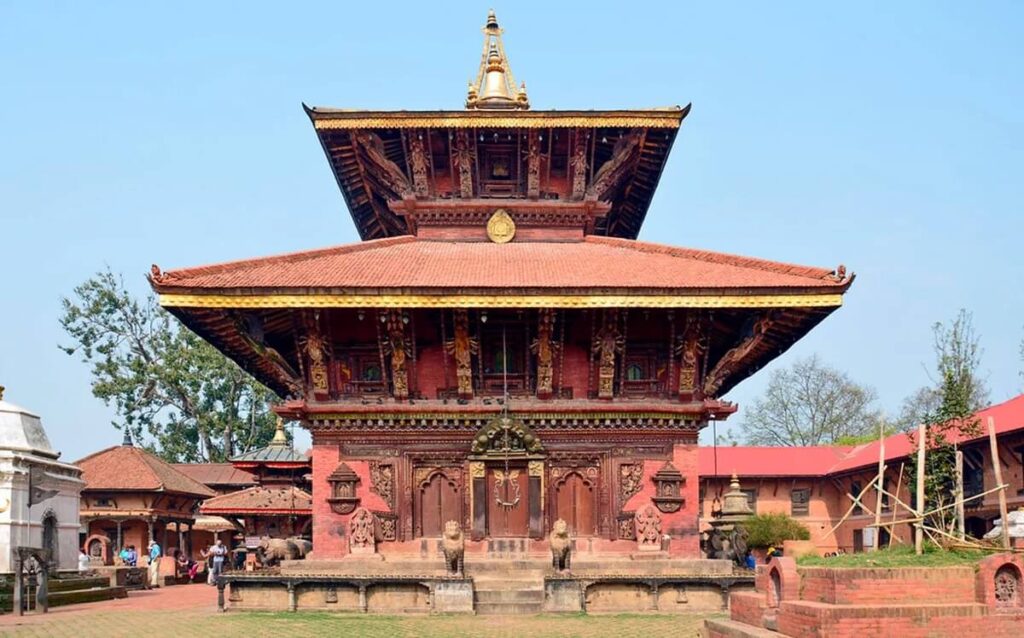
Changunarayan, the oldest Hindu temple in Nepal, sits on a hilltop overlooking the Manohara River Valley. Dedicated to Lord Vishnu, the temple dates back to the 4th century and features some of Nepal’s oldest stone inscriptions.
The main shrine is surrounded by beautifully carved stone figures, including Vishnu in various forms. The temple complex also contains small courtyards and traditional Newari houses.
- Location: 6 km north of Bhaktapur
- Entry fee: NPR 300 (foreign visitors)
- Tips: Combine this visit with Bhaktapur or a Nagarkot trip. Wear modest clothing out of respect.
Changunarayan is less crowded than other sites, making it perfect for travelers who want history and tranquility together.
14. Thangka Painting Workshop
Thangka painting, a traditional Tibetan art form, is deeply spiritual. The paintings usually depict Buddhist deities or mandalas and are used for meditation. In Kathmandu, especially around Boudhanath and Patan, you’ll find workshops where you can watch artists at work or even join a short class.
Workshops often explain the symbolism of colors and figures, giving you deeper appreciation of the art. Some offer half-day lessons where you can try painting under an artist’s guidance, while others provide multi-day courses for serious learners.
- Cost: From NPR 1,000 for short workshops
- Tips: Buy directly from artists for authenticity, and be patient—thangka painting requires precision.
Joining a workshop supports local artisans and leaves you with a unique cultural experience.
15. Take a Cooking Class
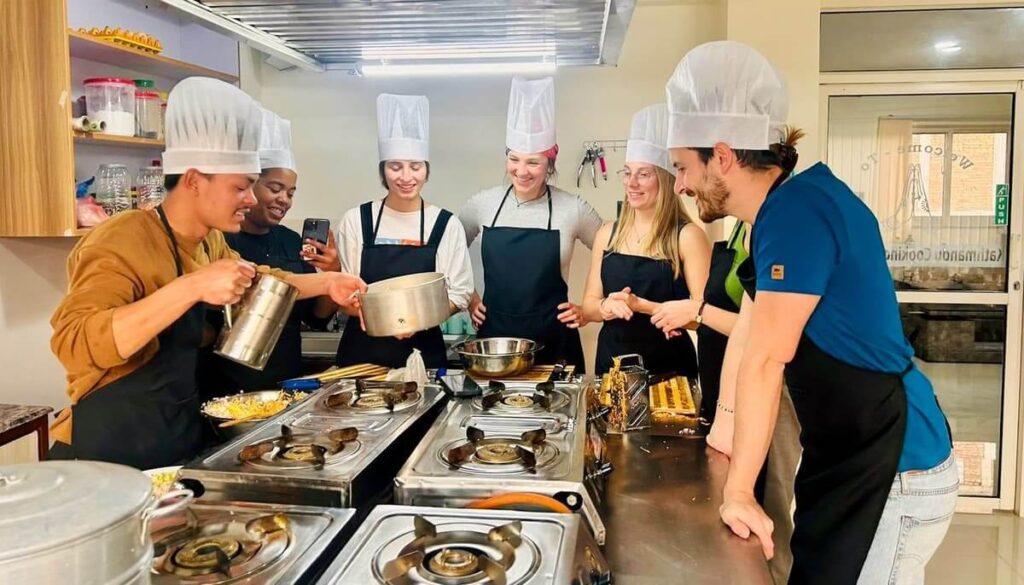
Cooking classes in Kathmandu give you a chance to learn about Nepali food culture in a hands-on way. Classes usually start with a visit to a local market, where you shop for fresh vegetables, spices, and grains. Back in the kitchen, instructors guide you through making staple dishes like dal-bhat, momo dumplings, or Newari specialties.
After cooking, you sit down to enjoy the meal together, making it both a cultural and social experience.
- Duration: 3–4 hours
- Cost: NPR 2,000–3,000
- Tips: Choose classes hosted by local families for an authentic experience. Inform your host in advance about dietary restrictions.
A cooking class is not only fun but also practical—you leave Kathmandu with new skills and a deeper understanding of Nepali hospitality.
Best Time to Visit Kathmandu
Kathmandu is a year-round destination, but the best months are October to December and March to May. During these periods, the weather is clear, and views of the Himalayas are spectacular. Winter (January–February) is colder, especially in the mornings and evenings. The monsoon season (June–September) brings heavy rain, making trekking less pleasant, but cultural sites remain open.
Travel Tips for Kathmandu
- Start your sightseeing early to avoid crowds.
- Dress modestly, especially at temples.
- Carry small cash notes; many places do not accept cards.
- Bargain politely when shopping in markets.
- Use safe drinking water; bottled or purified only.
- Hire licensed guides at major attractions for deeper insights.
- Keep valuables secure and avoid walking alone late at night in unfamiliar areas.
Suggested 5-Day Itinerary
- Day 1: Explore Swayambhunath, Garden of Dreams, and shop in Thamel.
- Day 2: Visit Pashupatinath, Boudhanath, and join a thangka workshop.
- Day 3: Tour Kathmandu Durbar Square and Patan Durbar Square.
- Day 4: Day trip to Bhaktapur and Changunarayan.
- Day 5: Sunrise at Nagarkot or hike Phulchowki, followed by a cooking class.
Conclusion
Kathmandu is a city of contrasts: sacred temples beside busy streets, ancient courtyards next to modern shops, and peaceful gardens hidden within chaos. This list of the 15 best things to do in Kathmandu shows how diverse the city is. Whether you are seeking history, spirituality, food, or adventure, Kathmandu offers experiences that stay with you long after your trip ends.
Must-Read Guides:
- Top Hill Stations Near Kathmandu Valley
- Best Restaurants and Dining Places in Kathmandu
- 10 Best Places to Visit in Nepal in December
- Must-Visit Places in and Around Kathmandu
- Best Time to Visit Kathmandu – Season & Month Guide
- Kathmandu to Pokhara – How to Reach Easily
- 10 Must-Try Traditional Nepalese Dishes and Food
- 10 Best Winter Destinations to Visit in Nepal
- Famous Offbeat Places to Explore in Nepal
- Top 10 Hotels and Stays in Kathmandu Nepal
- Best Time to Visit Nepal – Complete Weather Guide
- 20 Famous Tourist Destinations in Nepal to Explore
- Kathmandu to Chitwan National Park – Travel Guide