
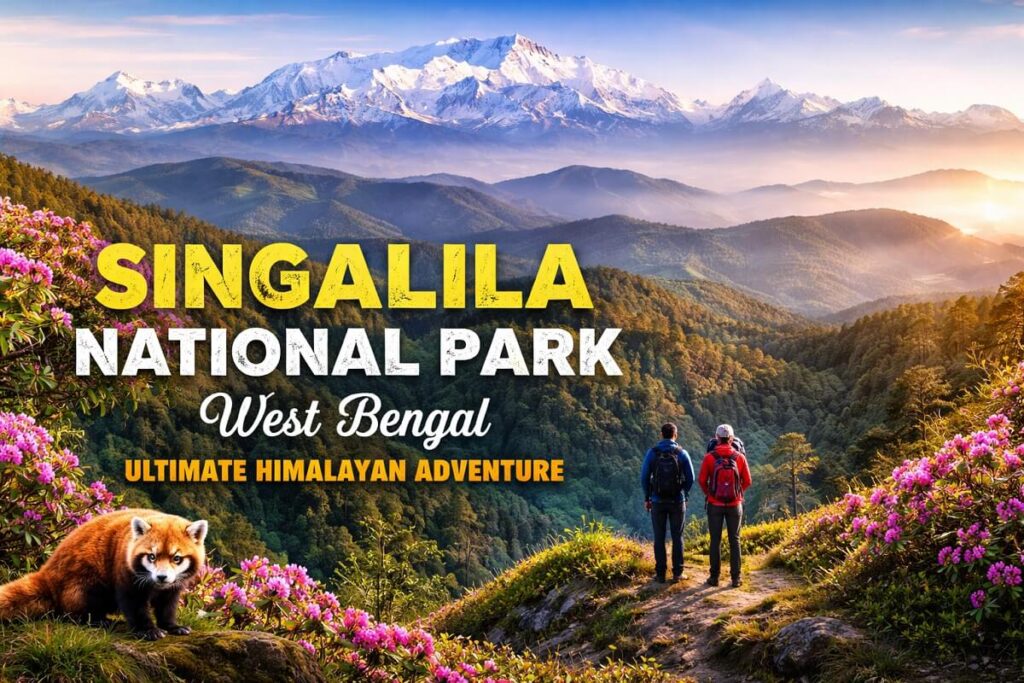
Hidden along the Indo-Nepal border in the Darjeeling hills, Singalila National Park is one of India’s most spectacular high-altitude wilderness areas. Known for its dramatic landscapes, rare wildlife, and iconic trekking routes, this national park offers an unforgettable Himalayan experience for travelers seeking adventure, nature, and serenity.
Perched at elevations ranging from about 2,400 meters to over 3,600 meters, Singalila is the highest national park in West Bengal. What sets it apart from other Himalayan destinations is its unique location along the Singalila Ridge, which provides sweeping views of some of the tallest mountains on Earth—including Mount Everest and Kanchenjunga.
This detailed guide covers everything you need to know—from trekking routes and biodiversity to travel planning and insider tips—making it your complete resource for exploring Singalila National Park.
Overview of Singalila National Park
Singalila National Park was established in 1992, evolving from a wildlife sanctuary to a protected national park to conserve its fragile ecosystem. Spread across approximately 78 square kilometers, the park forms part of the Eastern Himalayas biodiversity hotspot—one of the richest ecological regions in the world.
The park lies within the Darjeeling district of West Bengal and extends along the Singalila Ridge, which separates India from Nepal. This ridge is not just geographically important but also culturally and ecologically significant.
Key Facts:
- Location: Darjeeling district, West Bengal
- Altitude Range: 2,400 m to 3,636 m
- Highest Point: Sandakphu (3,636 m)
- Best Known For: Trekking, red panda habitat, Himalayan views
The terrain is incredibly diverse, ranging from dense forests and bamboo groves to alpine meadows and rocky ridges. This variation creates a unique environment that supports a wide range of plant and animal life.
Why Singalila National Park is a Must-Visit Destination
Singalila is not just a national park—it is a complete Himalayan experience that combines natural beauty, adventure, and culture.
Unmatched Himalayan Views
One of the biggest highlights of Singalila National Park is the breathtaking view of the Himalayan peaks. From vantage points like Sandakphu and Phalut, you can see:
- Mount Everest
- Kanchenjunga
- Lhotse
- Makalu
This rare panoramic view is often called the “Sleeping Buddha” formation, where the peaks resemble a reclining figure.
A Trekker’s Dream
The park is home to the famous Sandakphu–Phalut trek, widely considered one of the most scenic treks in India. Unlike many other treks, this route offers continuous mountain views throughout the journey.
Rich Biodiversity
Singalila is one of the few places in India where you can spot the elusive red panda in its natural habitat. The park is also home to numerous rare plant and bird species.
Cultural Immersion
The villages around the park offer a chance to experience Himalayan culture, traditions, and hospitality, making your journey even more enriching.
Flora of Singalila National Park
The vegetation in Singalila National Park is incredibly diverse due to its wide altitude range.
Forest Types:
- Temperate broadleaf forests
- Coniferous forests
- Alpine meadows
Key Plant Species:
- Rhododendrons (over 20 species)
- Magnolia
- Oak
- Bamboo
- Pine and fir
During spring (March to May), the park transforms into a vibrant landscape filled with blooming rhododendrons and orchids. This is one of the best times for photographers and nature lovers.
Wildlife in Singalila National Park
Singalila is globally recognized for its wildlife diversity, especially its role in conserving endangered species.
Mammals:
- Red Panda (flagship species)
- Himalayan Black Bear
- Leopard
- Clouded Leopard
- Pangolin
- Barking Deer
Birds:
- Himalayan Monal
- Blood Pheasant
- Satyr Tragopan
- Fire-tailed Myzornis
With over 300 bird species, the park is a paradise for birdwatchers.
West Bengal Tour Itineraries:
- 4 Days Darjeeling Sightseeing Tour
- 7 Days Darjeeling & Gangtok Holiday Package
- 6 Days Gangtok, Kalimpong & Darjeeling Itinerary
- 2 Nights 3 Days Sundarban Wildlife Tour
The Sandakphu–Phalut Trek: Complete Guide
The Sandakphu trek is the highlight of Singalila National Park and one of India’s most iconic trekking experiences.
Trek Details:
- Distance: ~50–60 km
- Duration: 5–7 days
- Difficulty: Moderate
Route Breakdown:
Day 1: Manebhanjan to Tonglu
A steep climb through forests and small villages.
Day 2: Tonglu to Kalapokhri
Walk along the ridge with stunning views.
Day 3: Kalapokhri to Sandakphu
The most rewarding section with breathtaking panoramas.
Day 4: Sandakphu to Phalut
A scenic trail offering uninterrupted Himalayan views.
Day 5–6: Return journey
Highlights:
- Walking along the India–Nepal border
- Sunrise views over Everest and Kanchenjunga
- Unique high-altitude landscapes
Things to Do in Singalila National Park:
Singalila National Park offers a wide variety of experiences that cater to adventure seekers, wildlife lovers, photographers, and cultural explorers. Here’s a detailed look at the top things you should not miss:
1. Trekking
Trekking is the main highlight of Singalila National Park and arguably one of the best in India. The famous Sandakphu–Phalut trek takes you along the Singalila Ridge, offering uninterrupted views of the Himalayan giants.
As you walk through dense forests, blooming rhododendron valleys, and quaint mountain villages, the journey itself becomes as rewarding as the destination. The trail also runs along the India–Nepal border, giving trekkers a unique cross-border experience.
Whether you are a beginner or an experienced trekker, this route provides a perfect balance of challenge and scenic beauty. Sunrise at Sandakphu, where the peaks glow golden, is something you will remember for a lifetime.
2. Jeep Safari
For those who prefer comfort over long hikes, jeep safaris are an excellent alternative. Vintage Land Rovers and sturdy 4×4 vehicles operate along the rugged trails from Manebhanjan to Sandakphu.
The journey itself is thrilling, as you navigate steep mountain roads, sharp bends, and forest tracks. Along the way, you’ll pass through scenic villages like Tumling and Kalapokhri.
This option is ideal for families, elderly travelers, or anyone short on time but still eager to enjoy the majestic Himalayan views.
3. Wildlife Spotting
Singalila National Park is one of the best places in India to spot rare Himalayan wildlife. The star attraction is the elusive red panda, often seen among bamboo forests.
Other animals you might encounter include Himalayan black bears, barking deer, and even leopards. Early mornings and late afternoons are the best times for wildlife sightings.
Although spotting animals requires patience, the thrill of seeing a rare species in its natural habitat makes it incredibly rewarding.
4. Birdwatching
With over 300 species of birds, Singalila is a dream destination for birdwatchers. The park’s varied altitude creates diverse habitats that attract rare and colorful species.
You can spot birds like the Himalayan monal, blood pheasant, and fire-tailed myzornis. Spring and autumn are particularly good seasons for birdwatching.
Even if you’re not an expert, simply walking through the forests and hearing the calls of these birds adds a magical touch to your journey.
5. Photography
Singalila offers endless opportunities for photography. From dramatic mountain landscapes and misty forests to vibrant flowers and rare wildlife, every corner of the park is photogenic.
The sunrise from Sandakphu is one of the most iconic photography moments, with Mount Everest and Kanchenjunga visible in a single frame.
If you enjoy landscape or wildlife photography, this park will exceed your expectations.
6. Camping
Camping in Singalila is an unforgettable experience. Imagine spending the night under a sky full of stars, surrounded by complete silence and fresh mountain air.
Many trekking routes include camping options or basic accommodations in huts and homestays. The experience allows you to truly disconnect from city life and connect with nature.
It’s peaceful, refreshing, and deeply rewarding.
Best Time to Visit Singalila National Park (Season-Wise Guide):
Choosing the right time to visit Singalila National Park can greatly enhance your experience. Each season offers something unique:
Spring (March to May)
Spring is one of the most beautiful times to visit. The park comes alive with blooming rhododendrons, magnolias, and orchids, painting the landscape in vibrant colors.
The weather remains pleasant, making it ideal for trekking and photography. This is also a great time for nature lovers.
Autumn (October to November)
Autumn is considered the best time for trekking because of the crystal-clear skies.
Visibility is excellent, allowing you to enjoy uninterrupted views of Everest, Kanchenjunga, and other peaks. The weather is cool and comfortable, making it perfect for outdoor activities.
Winter (December to February)
Winter transforms Singalila into a snowy wonderland. The trails are covered in snow, offering a completely different trekking experience.
This season is ideal for those who enjoy snow trekking and want to see the Himalayas in their raw, frozen beauty. However, temperatures can drop significantly, so proper preparation is essential.
Monsoon (June to September)
The monsoon season brings heavy rainfall, making trails slippery and increasing the risk of landslides.
Visibility is poor, and trekking becomes difficult. It’s best to avoid visiting during this period.
How to Reach Singalila National Park:
Reaching Singalila National Park involves a combination of air, rail, and road travel.
By Air: Fastest Option
The nearest airport is Bagdogra Airport, located about 90 km from the park. It is well-connected to major cities like Delhi, Kolkata, and Guwahati.
From Bagdogra, you can hire a taxi or take a shared vehicle to reach Darjeeling or Manebhanjan.
By Rail: Budget-Friendly Option
The nearest railway station is New Jalpaiguri (NJP), which is a major rail hub in eastern India.
From NJP, you can travel by road to Darjeeling and then continue to Manebhanjan.
By Road: Scenic Himalayan Journey
The most common route is:
Darjeeling → Manebhanjan (approx. 26 km)
Manebhanjan serves as the gateway to Singalila National Park. From here, you can either start your trek or hire a jeep to reach Sandakphu.
Accommodation Options in and Around Singalila
Accommodation in Singalila ranges from basic trekking huts to comfortable hotels nearby.
1. Trekker Huts
Simple and budget-friendly accommodations along trekking routes like Tonglu and Sandakphu.
2. Forest Lodges
Managed by forest authorities, offering a more immersive nature experience.
3. Homestays in Villages
Villages like Tumling and Kalapokhri offer cozy homestays where you can experience local hospitality and cuisine.
4. Hotels in Darjeeling
If you prefer comfort, Darjeeling offers a wide range of hotels, from budget to luxury.
Staying in homestays is highly recommended for an authentic Himalayan experience.
Culture and Local Life
The cultural richness of Singalila adds depth to your travel experience.
Local Communities:
- Sherpa
- Lepcha
- Tamang
These communities have lived in harmony with nature for generations and maintain strong cultural traditions.
What You Can Experience:
- Traditional Himalayan lifestyle
- Local cuisine like momos, thukpa, and butter tea
- Visits to monasteries and prayer flags
- Warm hospitality in village homes
Interacting with locals gives you a deeper understanding of the region beyond its natural beauty.
Travel Tips for a Safe and Enjoyable Trip
Planning ahead is essential for a smooth and enjoyable journey.
Important Tips:
- Carry warm clothing, even in summer
- Acclimatize properly to avoid altitude sickness
- Hire experienced guides for trekking
- Carry basic medicines and first aid
- Keep cash handy (limited network and ATMs)
- Avoid plastic and respect the environment
Being prepared ensures a safer and more comfortable experience.
Permits and Entry Information
To enter Singalila National Park, visitors must obtain permits at Manebhanjan.
Key Points:
- Entry permits are mandatory
- Fees vary for Indian and foreign tourists
- Hiring a guide is usually required for trekking
- Camera fees may apply
It’s advisable to carry valid ID proof and check current regulations before your trip.
Nearby Attractions to Explore:
Enhance your trip by exploring nearby destinations:
1. Darjeeling
Famous for tea gardens, colonial charm, and the toy train.
2. Kalimpong
Known for monasteries, viewpoints, and peaceful surroundings.
3. Mirik
A scenic hill town with a beautiful lake and pine forests.
Tiger Hill
One of the best sunrise viewpoints in India, offering spectacular views of Kanchenjunga.
Conclusion: Why Singalila Should Be on Your Travel List
Singalila National Park offers a rare combination of adventure, natural beauty, and cultural richness. From trekking along the Singalila Ridge to witnessing some of the world’s highest peaks, every moment here is unforgettable.
Whether you are an experienced trekker, a wildlife enthusiast, or a traveler seeking peace in the mountains, Singalila promises an experience that goes beyond ordinary travel.
If you’re planning a Himalayan adventure, this extraordinary destination in West Bengal deserves a top spot on your list.
Reads Also:
- How to Reach Darjeeling: Complete Travel Guide
- Top 10 Must-Try Restaurants in Darjeeling
- Best Places to Visit in Darjeeling for Sightseeing
- Delhi to Darjeeling Travel Guide: Routes & Options
- Best Hotels with Hill Views in Darjeeling
- Tiger Hill Darjeeling: Sunrise Experience Guide
- When to Visit Darjeeling: Month-by-Month Travel Guide
- Best Trekking & Adventure Spots in Darjeeling
- Top Luxury Hotels and Resorts in Darjeeling
- Darjeeling Toy Train Night Ride at Ghum – Full Guide
- Darjeeling Toy Train: Timings, Fare & Experience
- Top Things to Do in Darjeeling During Summer
- Best Time to Visit Darjeeling for Honeymoon Trips
- How to Reach Kalimpong from Kolkata: Travel Options
