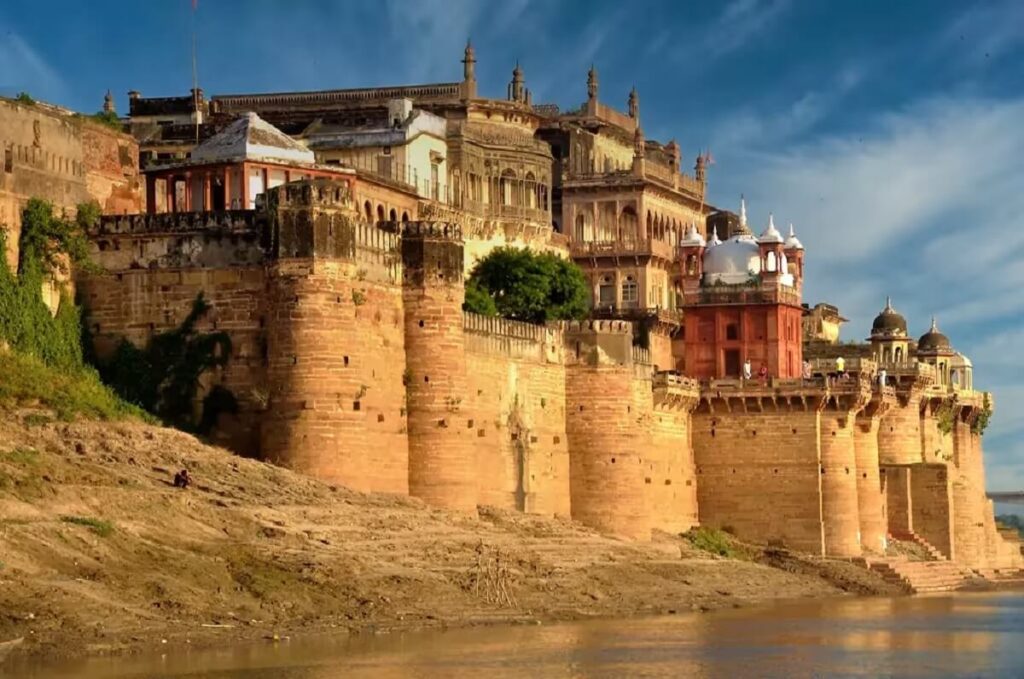
On the eastern bank of the sacred Ganges River, opposite the bustling ghats of Varanasi, stands the majestic Ramnagar Fort. Built in the 18th century, this sandstone marvel is not just a monument but a living legacy of royal traditions, cultural heritage, and spiritual vibrancy. From its carved balconies and courtyards to its eccentric museum and annual Ramlila festival, Ramnagar Fort remains one of the most intriguing places to explore in Varanasi.
This article offers a complete travel guide to Ramnagar Fort—covering its history, architecture, timings, things to do, practical tips, and the best time to visit. Whether you are a history enthusiast, a cultural traveler, or someone simply drawn to the charm of riverside forts, Ramnagar has much to offer.
History of Ramnagar Fort
Foundation and Royal Legacy
Ramnagar Fort was commissioned in 1750 by Kashi Naresh Maharaja Balwant Singh, ruler of the Benares kingdom. Constructed using Chunar sandstone, the fort was designed as both a defensive stronghold and a royal palace. Its location, overlooking the Ganges, symbolized authority, devotion, and the strategic importance of the river.
For centuries, the fort has remained the official residence of the Maharaja of Benares. Even after the abolition of royal titles in 1971, the titular Kashi Naresh continues to reside here, preserving its cultural and historical significance. Today, Maharaja Anant Narayan Singh occupies a part of the fort, while the rest is open to visitors.
Cultural Significance
Ramnagar Fort is not just a palace but a cultural hub. Its association with the famous Ramnagar Ramlila, a theatrical enactment of the Ramayana, has given it worldwide recognition. The annual month-long festival, organized under royal patronage, attracts thousands of devotees and visitors. With its grand processions, decorated chariots, and burning of Ravana’s effigy, the Ramlila transforms Ramnagar into a living stage of mythology.
Architecture of Ramnagar Fort
Design and Layout
Unlike many forts that were purely military, Ramnagar Fort combines the essence of a palace with defensive architecture. It is a cream-red sandstone structure, rising above the riverbank on elevated ground to withstand floods. The design reflects a blend of Mughal and Indian styles, with intricately carved balconies, pillared pavilions, courtyards, and ornate gateways.
The fort also houses several temples, including:
- Veda Vyasa Temple
- Dakshin Mukhi Hanuman Temple
- Chhinnamastika Temple
- Durga Temple
These shrines highlight the spiritual dimension of the royal residence, making it both a cultural and religious site.
Distinctive Features
One of the most striking features of the fort is its white towers, connected by broad staircases, which offer panoramic views of the river. The royal flag is hoisted only when the Maharaja is in residence—an enduring tradition that ties the fort to its regal past.
Inside, the architecture reflects elegance and grandeur. The Durbar Hall, once used for royal assemblies, now serves as a museum filled with artifacts. The sandstone walls, decorated ceilings, and arched windows capture the artistry of the 18th century.
Varanasi Tour Itineraries – Spiritual & Cultural Trips
- Varanasi and Sarnath 3 Day Sightseeing Tour Package
- 5 Day Pilgrimage Tour – Varanasi, Prayagraj & Ayodhya
- Varanasi Temple Tour – 2 Nights 3 Days Itinerary
- Golden Triangle with Varanasi – 8 Day Travel Package
Saraswati Bhawan – The Museum of Ramnagar Fort
At the heart of the fort lies Saraswati Bhawan, a museum that transports visitors into the lifestyle of the Benares royals. The collection is both eclectic and fascinating, offering glimpses of luxury, artistry, and heritage.
Highlights of the Collection
- Vintage Cars & Royal Chariots: American cars from the early 20th century, elaborate royal chariots, and bejeweled sedan chairs.
- Silver Elephant Howdahs: Ornately crafted saddles used in ceremonial processions.
- Royal Costumes & Kimkhwa Silk: Exquisite textiles that showcase the grandeur of Banarasi craftsmanship.
- Weapons & Armory: Swords, shields, and guns sourced from regions as far as Burma, Africa, and Japan.
- Astronomical Clock: A unique 19th-century clock that displays not only time but also planetary positions, lunar phases, and astrological details.
- Manuscripts & Books: Ancient texts, Mughal-style illustrated manuscripts, and works attributed to poet-saint Tulsidas.
The museum is less about polished displays and more about raw authenticity, with dusty glass cases and dimly lit halls that add to its charm.
Timings and Entry Fees
- Opening Hours: 10:00 AM – 5:00 PM daily (winter closing may be 4:30 PM).
- Entry Fee (Museum): ₹20 for Indian visitors, ₹150 for foreign tourists.
- Fort Entry: Free access to the grounds.
- Photography: Allowed in the fort complex but usually restricted inside the museum.
Tip: Visit early in the day to avoid crowds and to experience the calm of the riverside setting.
Things to Do at Ramnagar Fort:
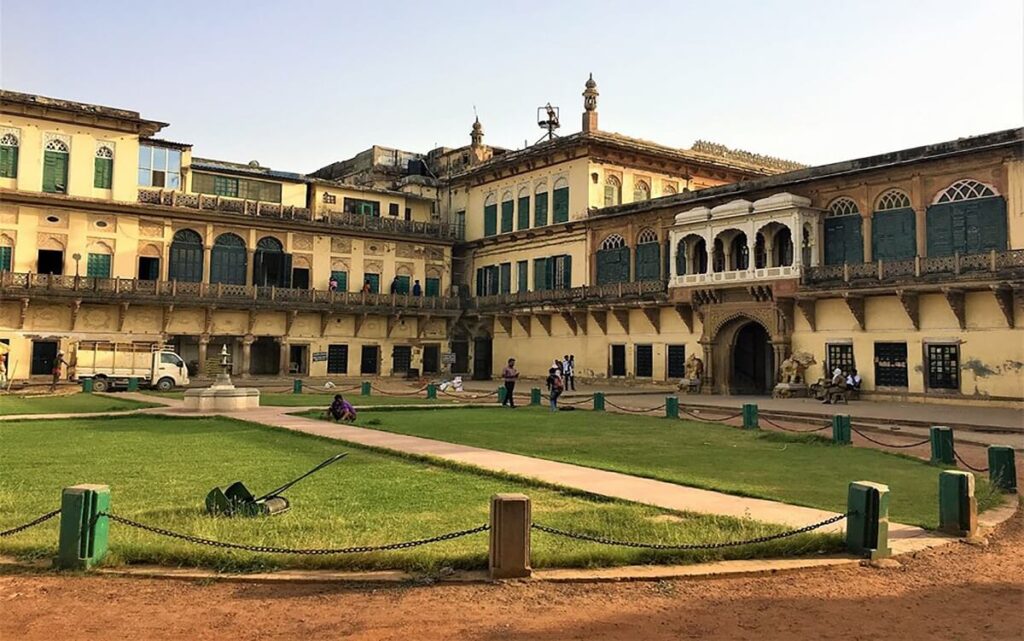
1. Explore the Fort Architecture
Walk through the gateways, courtyards, and balconies to appreciate the Mughal-inspired design. The sandstone walls and carved details make it a photographer’s delight.
2. Visit Saraswati Bhawan Museum
From vintage cars to palanquins, the museum gives a vivid impression of royal life in Benares.
3. Attend the Ramnagar Ramlila
If you are in Varanasi during October (Navratri–Dussehra), witnessing the Ramlila is a once-in-a-lifetime experience. The entire town becomes a stage, and the performances are deeply spiritual and theatrical.
4. Evening Ganga Aarti at Ramnagar Ghat
While Dashashwamedh Ghat is famous for its grand Aarti, Ramnagar Ghat offers a more serene and less crowded version with the fort as a backdrop.
5. Photography by the Ganges
Sunrise and sunset views from the fort are mesmerizing. A boat ride back to the main ghats gives you the best perspective.
6. Local Exploration
The town of Ramnagar has small lanes, temples, and traditional sweet shops. Exploring these adds depth to your visit.
Best Time to Visit Ramnagar Fort
The best time to visit Varanasi and Ramnagar Fort is during the winter months (October to March) when the weather is pleasant and festivals are in full swing.
- October–November: Pleasant weather, cultural festivals like Ramlila and Dev Deepavali.
- December–January: Cold but atmospheric, with temperatures ranging between 9–22°C.
- February–March: Ideal for sightseeing, coinciding with festivals like Mahashivratri.
Avoid visiting in May–June, as temperatures soar above 40°C, making sightseeing uncomfortable. The monsoon season (July–September) brings lush greenery but also heavy rains that may affect boat rides.
How to Reach Ramnagar Fort:
By Road
Ramnagar Fort is around 14 km from Varanasi Junction and 2 km from Banaras Hindu University (BHU). Auto-rickshaws, taxis, and cycle rickshaws are easily available.
By Boat
A traditional and scenic option is to take a boat ride from Dashashwamedh Ghat to the fort. The journey takes about 45 minutes to an hour and offers stunning views of Varanasi’s ghats.
By Air
The nearest airport is Lal Bahadur Shastri International Airport (Varanasi Airport), about 25 km from the city center. From there, you can hire a taxi to the fort.
Travel Tips for Visiting Ramnagar Fort
- Visit early morning or late afternoon for the best lighting and fewer crowds.
- Wear comfortable footwear as the fort involves walking on uneven surfaces.
- Carry water, hats, or umbrellas, especially during summer months.
- Respect local customs, particularly if visiting temples within the complex.
- Photography rules differ in the museum—check before clicking.
- Combine your trip with nearby attractions like Tulsi Ghat, Kashi Vishwanath Temple, and Sarnath.
Suggested Itinerary for a Day Visit
- 9:00 AM: Boat ride from Dashashwamedh Ghat to Ramnagar Fort.
- 10:00–12:00 PM: Explore fort architecture and temples.
- 12:00–1:00 PM: Lunch at a local eatery in Ramnagar.
- 1:00–3:00 PM: Visit Saraswati Bhawan Museum.
- 3:00–4:00 PM: Photography and riverside stroll.
- 4:00–5:00 PM: Witness the evening Aarti at Ramnagar Ghat.
- 5:30 PM: Return boat ride to the main ghats of Varanasi.
Conclusion
Ramnagar Fort is more than a historical monument—it is a living museum of culture, tradition, and spirituality. From its sandstone walls and opulent museum to its iconic Ramlila festival, the fort reflects the grandeur of Benares royalty and the timeless essence of Varanasi.
Visiting Ramnagar Fort is not just about exploring history; it is about immersing yourself in the rhythm of the Ganges, the echoes of mythology, and the heritage of India’s spiritual capital.
Explore More Reads:
- Manikarnika Ghat Varanasi – History, Rituals & Visitor Guide
- Durga Temple Varanasi – Timings, Legends & Travel Tips
- Bharat Mata Mandir Varanasi – Architecture & Visitor Info
- Varanasi to Sarnath Day Trip – How to Plan Your Visit
- Complete Varanasi Travel Guide – Tips & Essentials
- Top Tourist Attractions to Visit in Varanasi
- 10 Reasons to Visit Varanasi at Least Once in a Lifetime
- Varanasi Street Food Guide – Famous Dishes & Where to Eat
- Best Restaurants in Varanasi – Local & Fine Dining Spots
- Dev Diwali 2025 in Varanasi – Festival Highlights & Travel Guide
- How to Reach Varanasi from Mumbai – Flights, Trains & Road
- Best Time to Visit Varanasi – Festivals, Weather & Travel Tips
- Ganga Aarti Varanasi – Dashashwamedh Ghat Ceremony Guide
- Budget Hotels in Varanasi – 3-Star Options Near the Ghats
- Shopping in Varanasi – Famous Markets for Sarees & Handicrafts
- Fascinating and Lesser-Known Facts About Varanasi
- Famous Museums in Varanasi – History & Cultural Guide
- Kashi Vishwanath Temple Varanasi – Darshan & Travel Info
- Luxury Hotels in Varanasi – 5-Star Stays Near the Ghats
- Delhi to Varanasi Travel Guide – Train, Flight & Road Routes
- Famous Ghats in Varanasi – History, Rituals & Importance
- Things to Do in Varanasi – Ghats, Temples, Food & Culture
- Temples in Varanasi – A Spiritual & Pilgrimage Guide