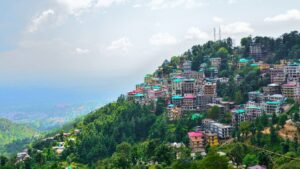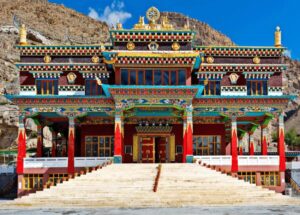
One of the most beautiful destinations in Himachal Pradesh is Kullu, popularly known as the “Valley of Gods.” This tranquil hill village in Northern India is well-known for attracting travellers from all over. The valley, also called “Kulanthapitha”, has long been a favourite destination for travellers seeking to experience the enchanted land and simple way of life.
The well-known International Mega Dussehra event known as Kullu Dussehra, which takes place in October in the Himachal Pradesh state, is one of the most beautiful festivities celebrated in Kullu Valley. The Kullu Valley excitedly awaits and celebrates the festival of Dussehra. Local deities and minor gods are also represented throughout this ceremony.
Kullu’s Dussehra celebrations are entirely unique from those throughout the rest of the nation. How? Read on!
India International Dance and Music Festival & International Kullu Dussehra Festival 2026 Highlights
India International Dance & Music Festival and Kullu Dussehra continues to grow as one of Himachal Pradesh’s most celebrated cultural events. Building on the success of previous editions, the 2026 celebrations are expected to be even more vibrant and internationally diverse.
Location: Kullu Valley, Himachal Pradesh
Festival Period: October (dates to be officially announced)
Key Highlights
- The festival is jointly organized by the Himachal Pradesh Government and the Indian Council for Cultural Relations (ICCR).
• Cultural leader Sunder Singh Thakur has confirmed an expanded international program, with new cultural showcases and larger participation planned for 2026.
What Makes Kullu Dussehra Special
- Centuries-old legacy: The festival dates back to the 17th century, making it one of India’s most historically significant Dussehra celebrations.
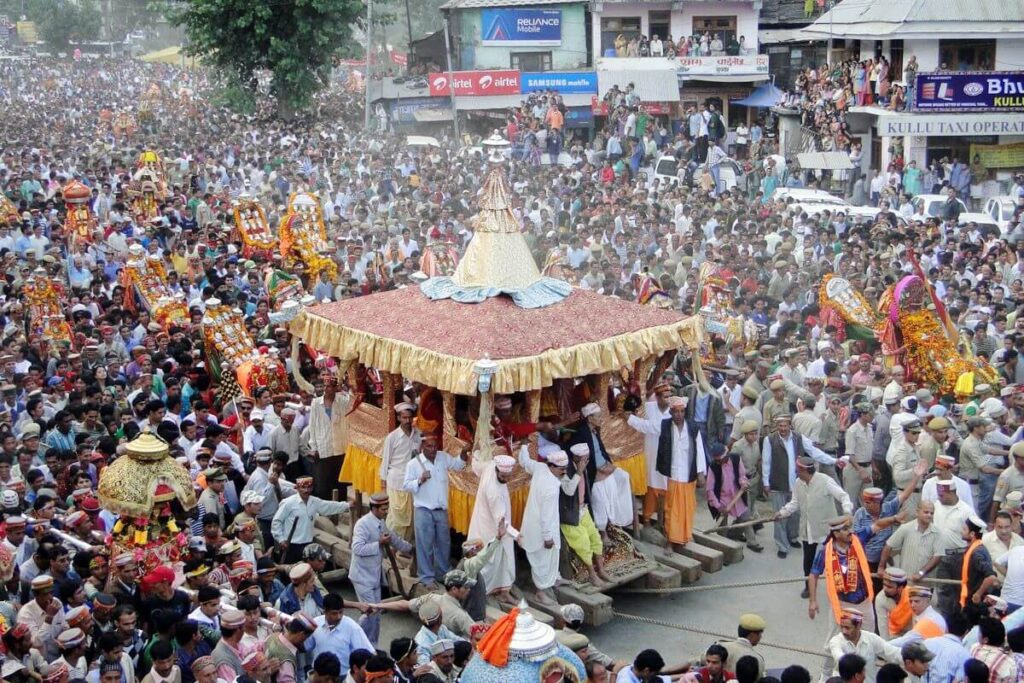
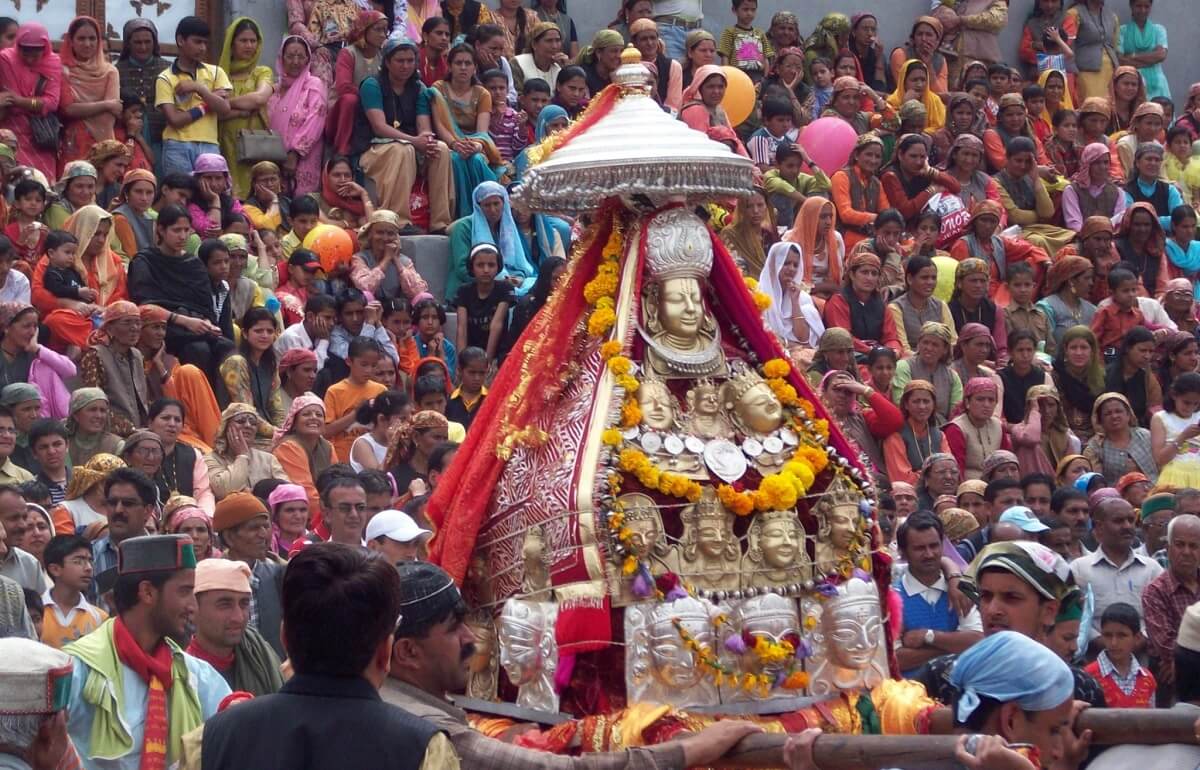
• Rath Yatra of Lord Raghunath Ji: The grand chariot procession remains the heart of the festival, joined by more than 300 local deities from across the Kullu region.
• International Carnival: A major highlight, featuring global performances, parades, and cultural exchanges.
• Kullu Carnival Fest: A colorful celebration with folk music, dance, and local traditions.
International Cultural Presence
The International Dance and Music Festival brings performers from over 20 countries, showcasing folk traditions, classical dances, and contemporary cultural expressions. Previous editions featured artists from Europe, Asia, Africa, and the Middle East, and an equally strong global lineup is expected in 2026.
Improved Travel Connectivity
- Road travel between Chandigarh and Kullu has become faster, with the journey now taking around 4 hours.
• Regular flights from Delhi, Chandigarh, and Amritsar to Kullu make attending the festival more convenient for both domestic and international travelers.
Kullu Dussehra 2026 promises a unique blend of devotion, history, and global culture. It’s more than a festival—it’s a living celebration of tradition and international harmony in the heart of Himachal Pradesh.
The Origins Of Kullu Dussehra
According to legend, Raja Jagat Singh’s reign is when the celebrations first began. From 1637 to 1672, the king ruled Kullu, and it is stated that during that time, he learned that a Brahmin named Durga Dutt had a bowl filled with pearls. He tormented the poor Brahmin when he ordered his men to look for the pearls.
When the Raja visited the village later, the Brahmin confined himself and his family inside the home and set it on fire, stabbing himself with a knife and cursing the king. Eventually, the king appeared haunted by the Brahmin family’s ghost and experienced hallucinations. He saw that his meals contained blood and worms instead of rice and water and soon became ill.
A Bairagi named Krishan Dutt claimed that the kingdom could only be saved by the graces of Lord Rama when no medication could save him. Soon after, the King was able to obtain a statue of Lord Rama from Ayodhya, and with the help of prayers, he was able to begin getting better from his hallucinations.
He was so greatly affected by Rama. He even ceded his kingdom to Raghunathji’s wishes to become his “Chharibardar”. It is when the celebrations for Vijaya Dashami, also known as Dussehra, are said to have started. He then summoned all the Gods and Goddesses to gather in Kullu to celebrate.
How Kullu Dussehra Is Currently Celebrated
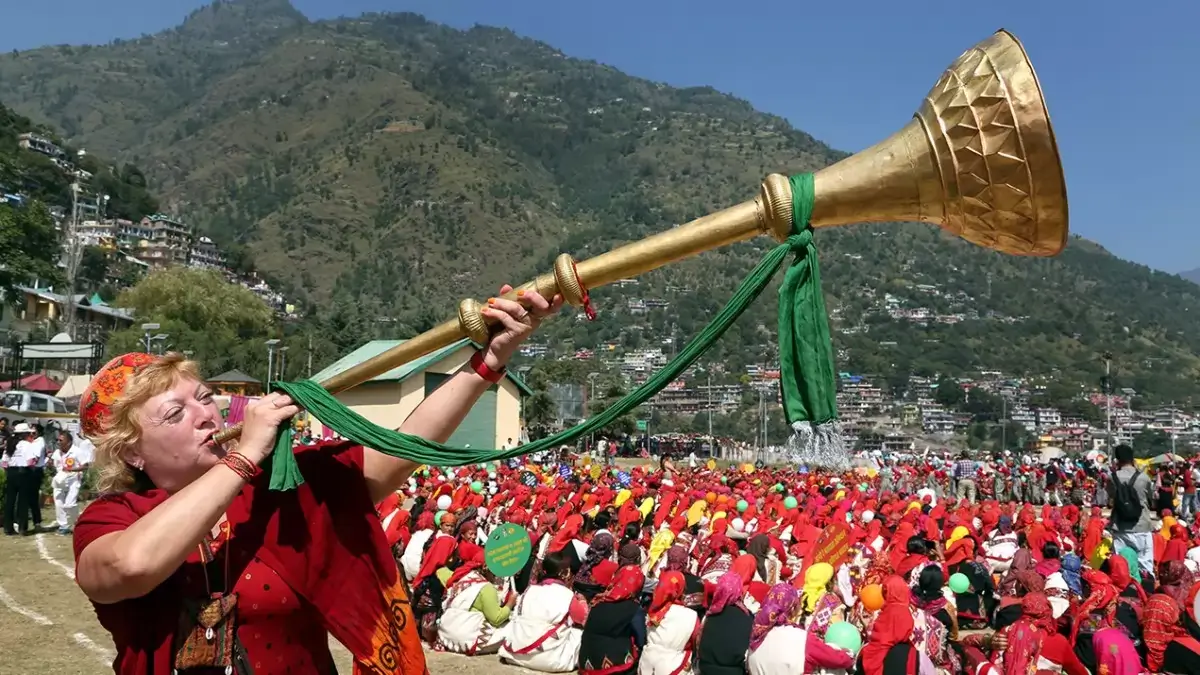
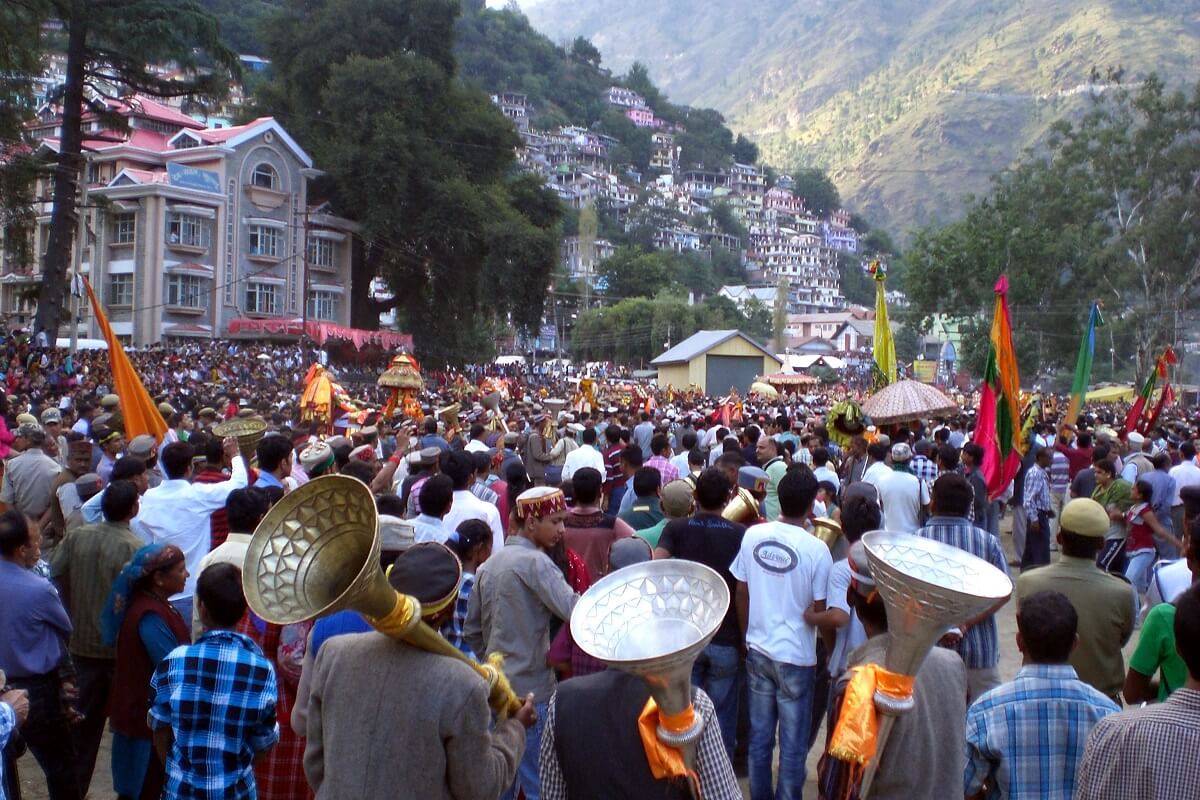
The celebration, unmatched in the Himalayan region, gets bigger every year. To meet Lord Raghunath in the temple, the Kullu devotees parade by him carrying the idols of many gods they have at home on their heads. On the day of Dussehra, hundreds of gods—including Hadimba and Jamlu Rishi—are brought to the temple grounds.
For a week, there is dancing, drinking, eating, and fun while taking in the spectacular vistas of the valley. The festival also features other cultural events, sporting competitions, and small-scale businesses, so it is not simply about the gods and their followers. The final day has symbolic meaning.
The Kala Kendra celebration is held at night, during which the Kullu king watches traditional dances from a high stage beneath a peepal tree. Kullu Dussehra has changed with time, becoming more of a commercial festival than in the past. To experience the lavish celebrations of Dussehra, many tourists worldwide enjoy visiting Kullu.
In fact, the festival attracted 4-5 lac visitors worldwide in 1972, making it an official international event. The celebration is attended and participated in by people from Ladakh, Arunachal Pradesh, Manipur, and other Himalayan states. Devotees gather a pile of wood and light it on fire to symbolize Lanka’s devastation and the powers of good over evil.
Dussehra Celebrations And Processions In Kullu
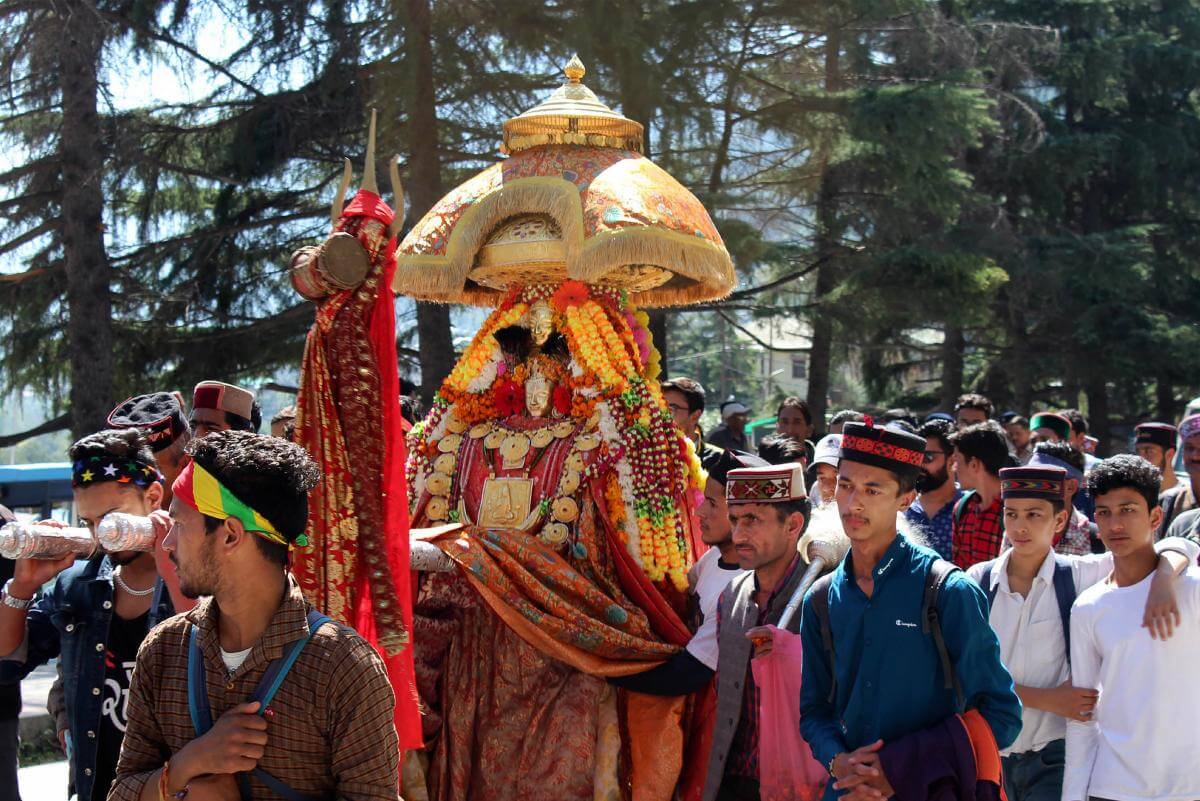
In the Kullu Valley, Dussehra celebrations are enthusiastically anticipated and enjoyed. A march through the town on a Ratha led by Lord Raghunath and other gods marks the start of the seven-day celebration. The local deities and minor gods take part in this ceremony as well. The primary meeting spot is the Dhalpur Maidan.
Together with the festivities, the great weather and spectacular scenery of the valley provide guests with an unending sense of joy and contentment. The festival is made even more enjoyable by a week of dancing, feasting, and drinking. Many events and cultural activities are held at the Kala Kendra festival at night. The festival is really well run, which adds to the enjoyment of the occasion.
How To Get To Kullu
By Air
The airport in Bhuntar, which is about 10 kilometres from Kullu’s city centre, is the one that is nearest to the city. Because Bhuntar is currently not in use, Chandigarh serves as the airport for Kullu Valley.
By Road
The Himachal Pradesh Road Transport Corporation’s state-owned bus facilities are available from Kullu and link to the nearby cities. Kullu is connected to New Delhi (570 km), Pathankot, Chandigarh, and Shimla via Himachal Pradesh Tourist Development Corporation’s luxury tourist buses. These luxurious buses helped passengers who were concerned about getting to Kullu in large part.
By Train
The closest railway station is Jogindernagar, which is around 125 kilometers away and situated close to Kullu. Chandigarh, which is around 270 kilometers from Kullu, has excellent connections from this railway station to all of the country’s major cities and towns. Hence, without giving it much thought, one must board a train to travel to Kullu by rail.
Things Worth Knowing About Kullu Dussehra
The following are some interesting details regarding Kullu Dussehra:
- Lord Raghunath Idol was brought to Kullu in 1651 when the local ruler, Jagat Singh, placed the Lord Raghunath idol on his throne to lift his curse after taking it from Lord Rama’s kingdom, Ayodhya.
- There are estimates that between 5 and 7 lakh people travel to Kullu for Dussehra each year.
- On the first day of “Vijay Dashmi”, or the tenth day of the rising moon, Dussehra begins in Kullu and lasts for seven days. It is seen near Dhalpur Maidan in the Kullu Valley.
- In contrast to the rest of India, which celebrates Dussehra after the nine days of Navratri, Dussehra in Kullu commences on the tenth day itself. It consists of the royal assembly, the Rath Yatra, and the invitation.
- 2014’s Kullu Dussehra ended without any animal sacrifices, which was a first. Animal sacrifice was prohibited by the Himachal Pradesh High Court in 2014, one month before Kullu Dussehra.
- The Guinness Book of World Records lists Kullu Natti as the biggest folk dance in the world. Girls made up the majority of attendees at the huge “Nati”, which was organized under the name “Beti Hai Anmol”. Afterward, Mr. Kanwar revealed that approximately 13,000 women had participated in the event.
- The dummy of Ravana is not burned here, which will surprise you. A pile of wood is gathered and lit on fire on the last day to depict the destruction and burning of Lanka, where Ravana lived.
- Apart from the Rath Yatra, there is more to know about Kullu Dussehra. Here, you can shop, eat your favourite snack, and unwind with friends or family. In each of Dhalpur’s four primary locations, several stalls are put up for the seven-day celebration.
The Bottom Line
Visitors from far away are drawn to the location because of its tranquil beauty and the celebration, which makes the day a joyous occasion for much ceremony and entertainment. In addition to celebrating the Kullu Dussehra festival and taking in the area’s lovely nature, thousands of people travel there from all over the nation and the world.
Related Articles:
- Top 15 Reasons to Plan a Holiday In Himachal Pradesh
- Himachal Pradesh Top 10 Offbeat Destinations
- Himachal 7 Famous Religious Places
- Traditional Food and Cuisines of Himachal
- Himachal Places to Visit in March 2026
- 10 Places to See in Himachal for Snowfall
- Janjehli Valley Himachal Pradesh’s Complete Guide
- Must-Visit Places in Himachal Pradesh in October 2026
- Himachal Famous Places to Visit in November 2026
- 12 Best Places to See in Himachal in September 2026
- 10 Picturesque Temples and Monasteries in Himachal
- 13 Most Interesting Facts About Himachal Pradesh
- Himachal Pradesh Famous Festivals and Celebrations