Spread across the golden heart of Rajasthan, the Desert National Park in Jaisalmer is one of India’s most fascinating natural reserves. It covers over 3,162 square kilometers of the Thar Desert and showcases the fragile beauty of India’s arid ecosystem. From vast sand dunes to rocky hills, from ancient fossils to rare birds like the Great Indian Bustard, this park offers travelers a blend of adventure, nature, and serenity.
Unlike most national parks filled with dense forests and rivers, Desert National Park reveals a world where survival itself is an art. Every plant and creature here has evolved to endure extremes—making your visit both an educational and unforgettable experience.
Whether you’re planning a wildlife safari, a photography expedition, or just want to feel the vast silence of the desert, this guide walks you through everything you need to know — timings, entry fee, safari details, best time to visit, top things to do, and essential travel tips.
Overview of Desert National Park, Jaisalmer
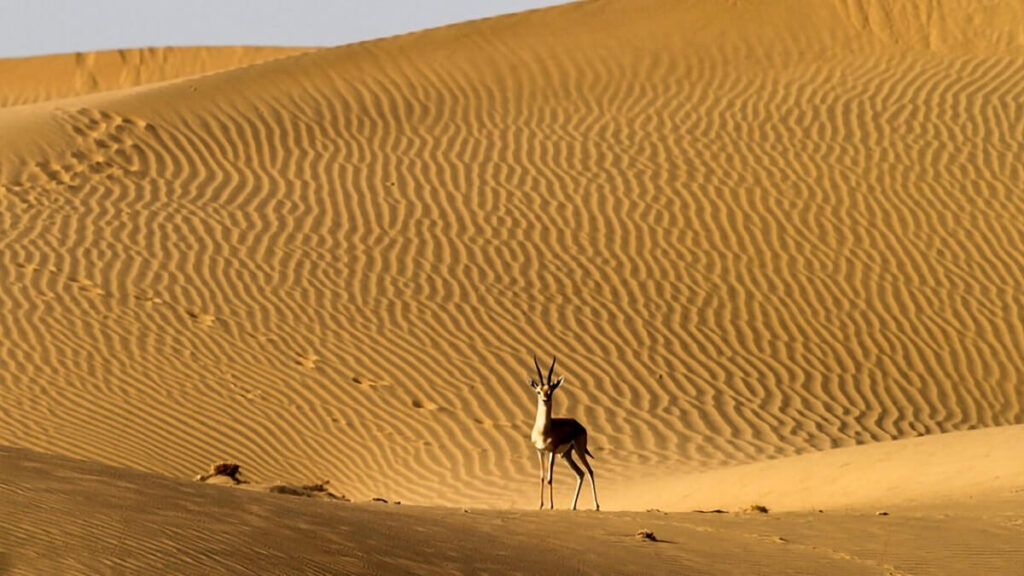
Located in the western part of Rajasthan, about 40 kilometers from Jaisalmer city, Desert National Park is one of the largest national parks in India. It was established in 1980 to protect the unique ecosystem of the Thar Desert and the wildlife species that thrive in such harsh conditions.
The park’s terrain includes:
- Sand dunes (covering about 20% of its area)
- Craggy rocks and salt lake bottoms
- Compact sand plains
- Sparse vegetation zones
Despite its dry, barren appearance, this desert landscape sustains a surprising variety of life. It’s one of the best places in India to observe desert ecology, migratory birds, and the resilience of nature.
Location & How to Reach Desert National Park
Location
- State: Rajasthan
- Nearest City: Jaisalmer (40 km away)
- Coordinates: Between Jaisalmer and Barmer districts
- Accessibility: Well-connected by road from major Rajasthani cities like Jodhpur, Bikaner, and Jaipur.
How to Reach Jaisalmer
a) By Air:
The nearest airport is Jodhpur Airport (around 285 km from Jaisalmer). From Jodhpur, you can hire a private taxi or take a bus to Jaisalmer. Jaisalmer also has a small airport with limited commercial operations during tourist season.
b) By Train:
Jaisalmer Railway Station connects with Delhi, Jodhpur, Jaipur, and other Indian cities. Trains like Ranikhet Express and Delhi-Jaisalmer Express are popular options.
c) By Road:
Jaisalmer is connected by excellent roads and highways. You can drive or take government/private buses from:
- Jodhpur (275 km)
- Bikaner (330 km)
- Jaipur (560 km)
Once you reach Jaisalmer, the park is an easy 40–45 km drive away. Most travelers hire jeeps or book guided tours.
Timings & Entry Fee
Timings
The park remains open all days of the week, but entry is restricted to daylight hours.
| Season | Timings |
| Winter (Oct–Mar) | 7:00 AM – 5:00 PM |
| Summer (Apr–Jun) | 6:30 AM – 6:00 PM |
| Safari Slots | Morning 6:30–10:30 AM / Evening 3:00–6:30 PM |
Early mornings and late afternoons are the best times for safaris, as wildlife is more active and the sunlight is ideal for photography.
Entry Fees
(Subject to change — verify locally before visiting)
| Category | Entry Fee |
| Indian Visitors | ₹100 per person |
| Foreign Visitors | ₹300 per person |
| Jeep Entry | ₹100 per vehicle |
| Camera | ₹200 |
| Video Camera | ₹500 |
Safari Charges (Approximate)
- Jeep Safari: ₹2,000–₹3,000 per jeep (2–3 hours)
- Camel Safari: ₹500–₹1,000 per ride (depending on duration)
- Guide Fee: ₹300–₹500 per group (optional but recommended)
Rajasthan Tour Packages – Explore the Best Itineraries
- 12-Day Rajasthan Tour Covering Major Attractions
- 8-Day Rajasthan Tribal & Cultural Experience Tour
- 10-Day Rajasthan Holiday Itinerary – Complete Package
- 15-Day Grand Rajasthan Tour – Forts, Palaces & Heritage
- 15-Day Combined Tour – Mumbai, Goa & Rajasthan Highlights
- 14-Day Spiritual Journey – Rajasthan with Varanasi
Best Time to Visit Desert National Park
The best time to visit Desert National Park is between October and March, when the weather is pleasant and wildlife activity peaks.
Seasonal Overview:
- October–March: Ideal for safaris; cool mornings, sunny afternoons, and chilly nights. Great for photography and bird-watching.
- April–June: Scorching heat (up to 45°C). Not recommended for sightseeing.
- July–September: Mild monsoon showers bring slight relief and a touch of green, but travel can be difficult in some sandy zones.
Pro tip: For bird enthusiasts, December to February is the best time when migratory birds, including the Great Indian Bustard, arrive in the region.
Flora & Fauna
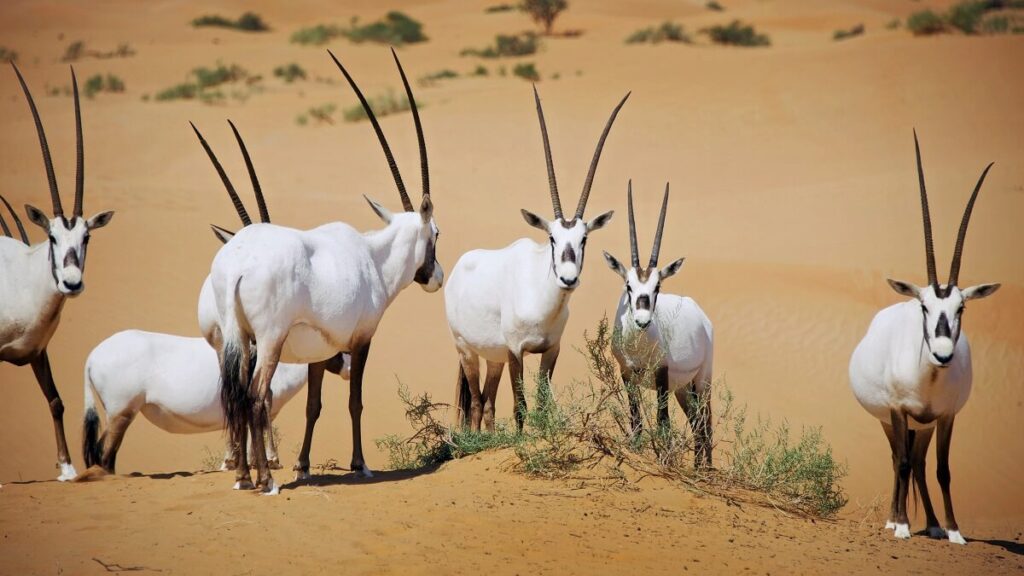
Though barren in appearance, the park supports a rich collection of desert life.
Flora
The vegetation is sparse but specialized. You’ll see hardy shrubs and thorny bushes like:
- Khejri (Prosopis cineraria)
- Ronj
- Sewan grass
- Ber bushes
These plants are drought-resistant and provide crucial food and shade for desert wildlife.
Fauna
Desert National Park shelters a variety of mammals, reptiles, and birds adapted to extreme dryness.
Mammals:
- Chinkara (Indian Gazelle)
- Desert Fox
- Bengal Fox
- Blackbuck
- Desert Cat
- Hedgehog
Birds:
- Great Indian Bustard (critically endangered)
- Demoiselle Crane
- Larks, Shrikes, and Falcons
- Sandgrouse and Partridges
- Vultures and Eagles
Reptiles:
- Spiny-tailed lizards
- Monitor lizards
- Sand boas and other desert snakes
The highlight of any safari is spotting the Great Indian Bustard—a tall, majestic bird that has become the park’s symbol of conservation.
Safari Experience at Desert National Park:
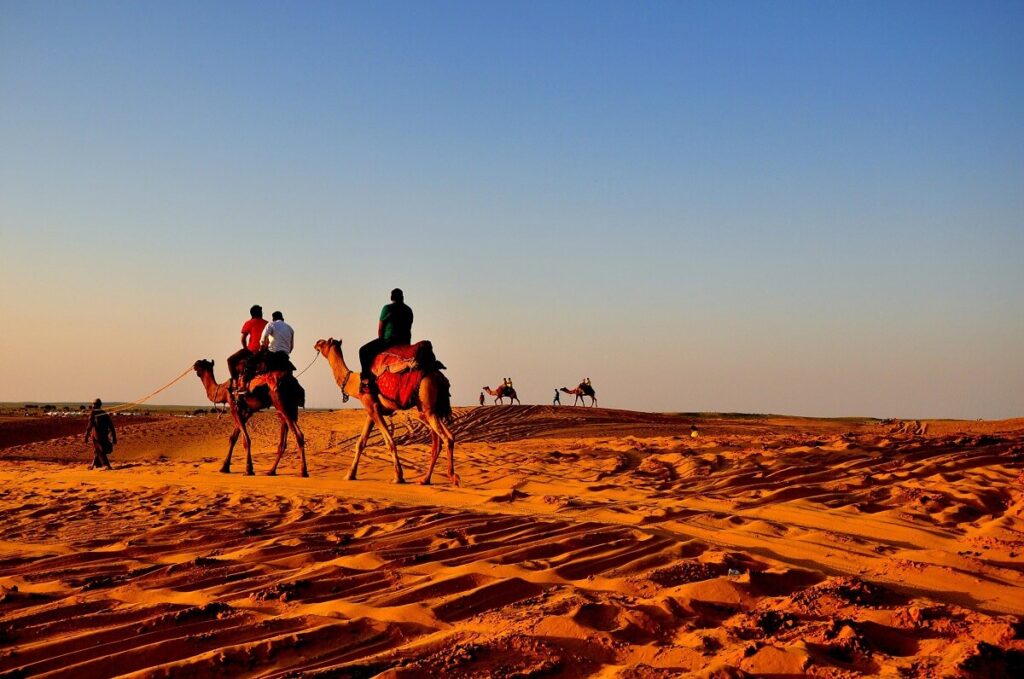
A safari is the most exciting way to explore the park’s diverse terrain. Visitors can choose between jeep safaris and camel safaris.
Jeep Safari
Jeep safaris cover more ground and reach deeper zones of the park. They’re perfect for photographers and wildlife enthusiasts.
Highlights:
- Ride through dunes, rocky plateaus, and salt flats.
- Early morning safaris are best for spotting wildlife.
- Trained drivers and naturalists accompany you.
- Sunset safaris offer magnificent golden-hour views.
Duration: 2–3 hours
Best Time: 6:30 AM–10:30 AM or 3:00 PM–6:30 PM
Camel Safari
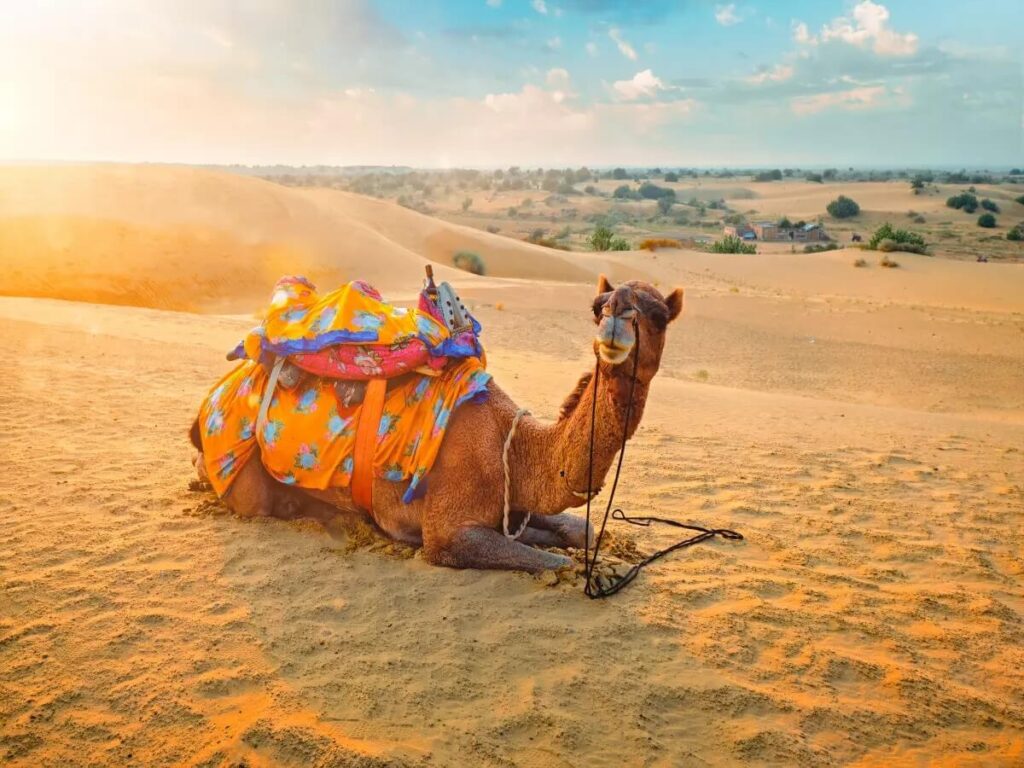
A slower, more traditional way to experience the desert. Camels glide over dunes, giving you time to absorb the vast silence and golden landscapes.
Why Try It:
- Perfect for short rides near the park entrance.
- Offers a glimpse of desert village life.
- Great for sunrise/sunset photography.
Tips for Safaris
- Wear light cotton clothes, sunglasses, and a hat.
- Carry water, sunscreen, and a camera with zoom lens.
- Book safaris through registered operators only.
- Avoid loud noises or littering—this is a fragile habitat.
Top Things to Do in Desert National Park:
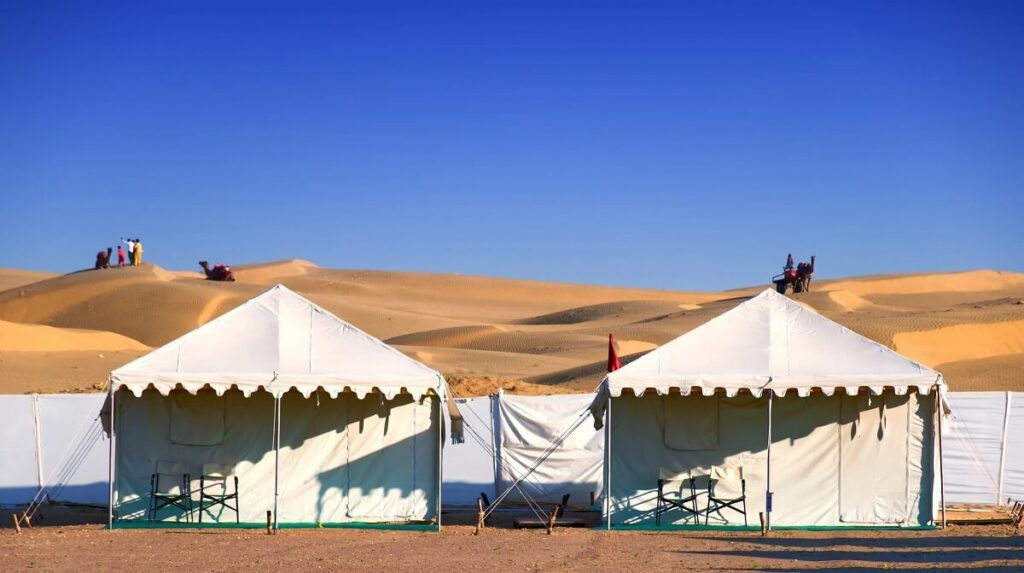
Besides safaris, the park and its surroundings offer plenty to explore.
1. Bird Watching
The park is a paradise for bird lovers, especially in winter. Bring binoculars and visit early morning. You may spot bustards, cranes, falcons, and wheatears across open plains.
2. Visit Fossil Sites
Parts of the park contain fossil remains dating back over 180 million years. You can see preserved wood fossils and ancient marine creatures that prove this desert was once underwater.
3. Dune Photography
Capture the play of light and shadow on golden dunes. The shifting sand patterns at sunrise and sunset create mesmerizing images.
4. Cultural Experiences
Villages around the park like Sam and Khuri host traditional folk performances, Rajasthani cuisine, and local handicrafts. Visiting these communities gives you a glimpse into desert life.
5. Camping & Stargazing
Stay overnight in eco-friendly desert camps on the park’s edge. Enjoy bonfires, Rajasthani dance performances, and clear night skies filled with stars.
6. Visit Nearby Attractions
- Sam Sand Dunes (45 km) – Camel rides and sunset views.
- Kuldhara Village (30 km) – A mysterious abandoned settlement.
- Akal Wood Fossil Park (17 km) – Preserved ancient tree fossils.
- Jaisalmer Fort – The living fort of Rajasthan, a UNESCO World Heritage site.
Travel Tips for Visitors:
(i) What to Carry
- Lightweight clothes for day; warm layers for night.
- Hat, scarf, sunglasses, and sunscreen.
- At least 2 liters of water per person.
- Snacks, camera, binoculars.
- ID proof and cash (ATMs are limited in remote areas).
(ii) Safety & Etiquette
- Don’t disturb animals or their habitats.
- Stay on marked tracks during safaris.
- Avoid plastic bottles and litter.
- Hire guides who respect wildlife norms.
- Keep voices low and avoid playing music in the desert.
(iii) Photography Tips
- Use a zoom lens for wildlife.
- Early morning and late evening light gives the best color.
- Use sand protection covers for cameras.
- Capture wide shots to show the desert’s vastness.
(iv) Health & Comfort
- Protect yourself from heat and dehydration.
- Always wear closed shoes (sand can burn your feet).
- Keep a small first-aid kit handy.
- In winter, temperatures can drop below 10°C at night—carry a jacket.
Where to Stay Jaisalmer City:
You can either stay in Jaisalmer city and do a day trip, or book accommodation near the dunes for a deeper desert experience.
In Jaisalmer City
- Hotel Pleasant Haveli
- The Gulaal
- Hotel Lal Garh Fort and Palace
These hotels offer comfortable stays with modern facilities and quick access to the park.
Near the Desert Park
- Suryagarh Jaisalmer – A luxury desert resort with jeep safaris.
- Prince Desert Camp (Sam Dunes) – Mid-range, traditional tents.
- Mamas Desert Camp (Khuri) – Rustic camp with folk shows.
Most desert camps provide meals, cultural evenings, and stargazing setups. Book in advance during the peak season (Dec–Feb).
Suggested Itinerary:
1-Day Trip from Jaisalmer
- 6:00 AM: Depart for Desert National Park.
- 7:00–10:00 AM: Jeep safari and bird-watching.
- 10:30 AM: Visit Akal Fossil Park or nearby dunes.
- 12:30 PM: Return to Jaisalmer for lunch.
- 4:00 PM: Optional evening camel ride or sunset at Sam Dunes.
2-Day Extended Experience
Day 1:
- Morning safari in DNP.
- Afternoon visit to Kuldhara Village.
- Evening check-in at desert camp (Sam or Khuri).
- Cultural show and stargazing.
Day 2:
- Sunrise camel ride.
- Breakfast and relax at camp.
- Return to Jaisalmer by afternoon.
Conservation Importance
Desert National Park is not just a tourist site—it’s a vital ecosystem conservation zone. It plays a crucial role in protecting the Great Indian Bustard, one of the world’s rarest birds. The park also preserves fragile desert flora, natural dunes, and fossil heritage.
Tourism helps fund conservation, but responsible travel is essential. Visitors are encouraged to:
- Support eco-friendly camps.
- Avoid plastic waste.
- Follow park rules and guides’ advice.
- Donate or participate in awareness programs.
By respecting the park, you contribute to safeguarding one of India’s most unique natural treasures.
Practical Travel Checklist:
✅ Hat or turban to protect from sun
✅ Sunglasses & sunscreen
✅ Lightweight breathable clothing
✅ Jacket for evenings
✅ Water & snacks
✅ Camera/binoculars
✅ ID proof
✅ Cash for entry and safari payments
✅ Comfortable shoes
✅ Scarf or mask to avoid sand inhalation
Final Travel Tips
- Always confirm the latest entry fees and timings locally before arrival.
- Hire licensed guides — they enrich your experience and ensure compliance.
- Keep expectations realistic; the desert’s charm lies in its vast silence and subtle beauty, not dense wildlife.
- Respect local culture when visiting nearby villages.
- If you’re driving yourself, ensure the vehicle is fueled and checked.
- Avoid littering or off-road driving that damages dunes.
- Book your safari or camp in advance during peak season.
Conclusion
The Desert National Park in Jaisalmer is not just about sand dunes — it’s a living museum of time, nature, and adaptation. Here, life thrives against all odds. From gazelles sprinting across dry plains to eagles gliding above ancient fossils, every corner whispers stories of survival.
Visiting this park offers an experience beyond sightseeing. It’s an encounter with silence, space, and nature’s resilience. Whether you go for a day or spend a night under the starlit Thar sky, you’ll leave with a deeper respect for Rajasthan’s wilderness.
If your travels bring you to Jaisalmer, don’t miss this desert gem — where adventure meets tranquility in the sands of time.
Jaisalmer Travel Guides & Experiences
- Kuldhara Village, Jaisalmer – How to Reach, Things to Do & Travel Tips
- 10 Must-Visit Museums in Jaisalmer for History Lovers
- Gadisar Lake, Jaisalmer – Complete Travel & Boating Guide
- Top Restaurants in Jaisalmer Serving Authentic Rajasthani Cuisine
- Best 5-Star Luxury Desert Camps in Jaisalmer
- Unique Heritage Hotels Inside Jaisalmer Fort
- Top Tourist Places to Visit Around Jaisalmer
- Adventure Activities & Thrilling Things to Do in Jaisalmer
- Delhi to Jaisalmer – Best Routes, Travel Options & Tips
- Famous Historical Monuments and Heritage Sites in Jaisalmer
- Best Heritage Hotels in Jaisalmer for a Royal Stay
- Top Desert Camping Experiences in Jaisalmer
- Jaisalmer Tourism Guide – Attractions, Activities & Travel Info
- Jaisalmer Desert Festival – Dates, Highlights & Events
Frequently Asked Questions (FAQs):
1. How far is Desert National Park from Jaisalmer?
The park is about 40 km from Jaisalmer city. It takes around one hour by road.
2. Is it worth visiting Desert National Park?
Absolutely. It’s one of the few places where you can experience the true wilderness of the Thar Desert, spot rare wildlife, and witness breathtaking desert landscapes.
3. Can I visit without a safari?
Yes, but a safari gives you access to deeper zones and improves your chances of spotting wildlife.
4. What is the best time of day for a safari?
Early morning (6:30–10:30 AM) or late afternoon (3:00–6:30 PM). Avoid midday heat.
5. How many hours are needed to explore the park?
A typical safari takes 2–3 hours. Combine it with nearby attractions for a half-day or full-day experience.
6. Are there restrooms or canteens inside?
Basic facilities are available at the entry area, but none inside. Carry essentials with you.
7. Can I stay inside the park?
Overnight stays are not permitted inside the core area, but several eco-camps and resorts are located just outside the park boundaries.
8. Is photography allowed?
Yes, photography is allowed with nominal camera charges. Always respect wildlife distance rules.
9. Is Desert National Park safe for families?
Yes, it’s safe for families and groups. Choose reputable operators and follow safety instructions.
10. What should I wear?
Light cotton clothes in the day, warm layers at night, and closed shoes for walking in sand.