
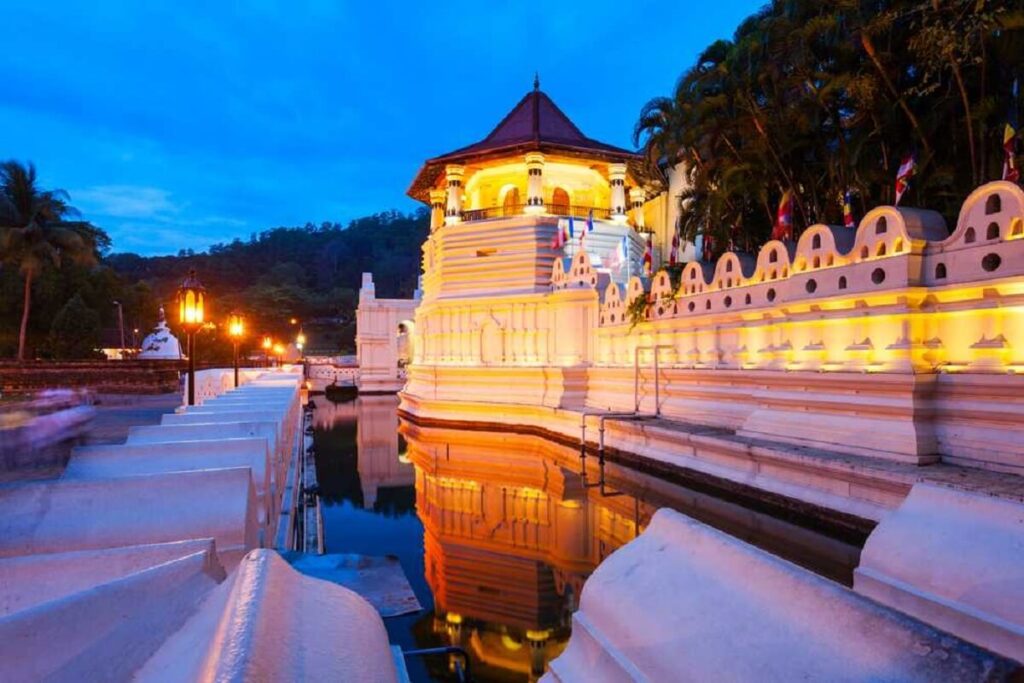
Kandy is not just another stop on a Sri Lanka itinerary. It is a place where spirituality feels lived rather than displayed. Surrounded by forested hills and anchored by an ancient lake, the city carries a quiet intensity shaped by centuries of Buddhist devotion, royal patronage, and everyday ritual.
For travelers seeking a spiritual getaway in Sri Lanka, Kandy offers something rare. Its temples are not isolated monuments. They are part of daily life. Morning chants echo through narrow streets. White-clad devotees arrive with lotus flowers at dusk. Incense drifts across stone courtyards as bells mark the rhythm of prayer.
This guide explores six of the most spiritually significant temples in and around Kandy, going beyond surface sightseeing. Each temple is explained in depth, with history, spiritual meaning, visiting tips, and how it fits into a meaningful journey rather than a rushed checklist.
Top 6 Must-Visit Temples in Kandy for a Spiritual Trip:
1. Temple of the Sacred Tooth Relic (Sri Dalada Maligawa)
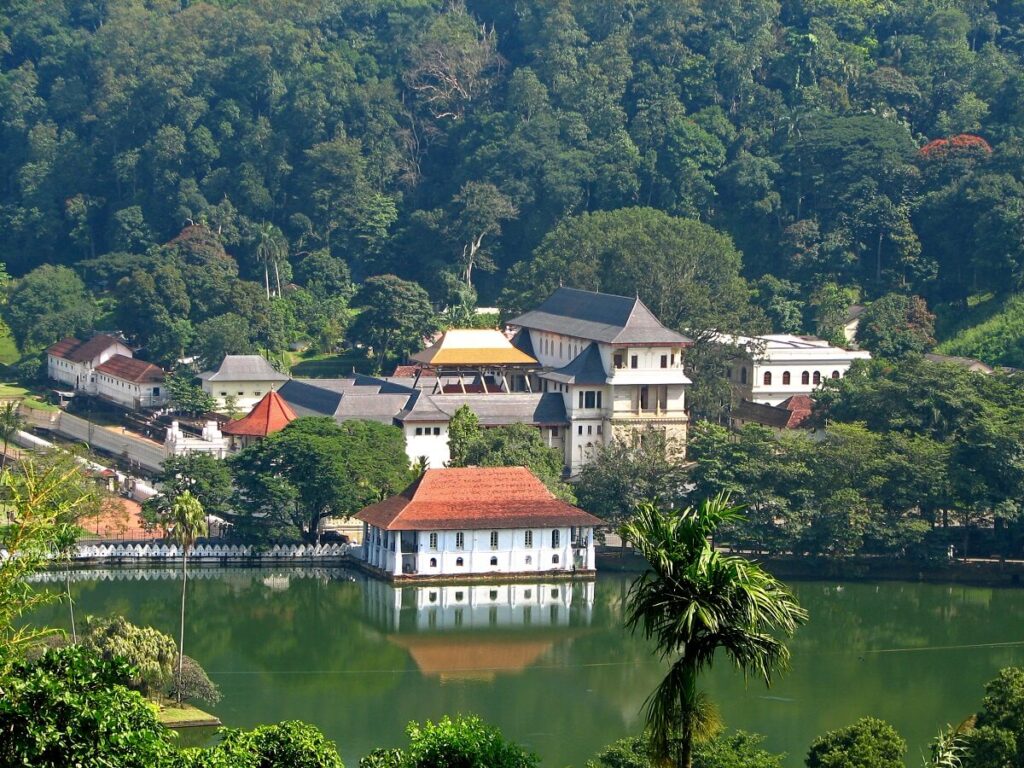
The spiritual heart of Kandy, and arguably of all Sri Lanka, is the Temple of the Sacred Tooth Relic. This is not just the city’s most famous temple. It is one of the most revered Buddhist sites in the world.
Spiritual Importance
The temple houses the Sacred Tooth Relic of Lord Buddha, believed to have been brought to Sri Lanka in the 4th century. For centuries, possession of the relic symbolized the legitimacy of the ruling king. As a result, the temple has always stood close to royal power and national identity.
Even today, the relic represents protection, continuity, and spiritual authority. Devotees do not come here to see it. They come to pay respect to its presence.
What the Experience Feels Like
Entering the complex is an emotional experience, especially during prayer times. Drums beat slowly. Monks chant in deep, steady tones. Offerings of jasmine and lotus flowers are carried with quiet focus. The relic itself is kept within a golden casket and is not openly displayed, which reinforces the idea that faith here is about reverence, not spectacle.
When to Visit
Daily rituals (pooja) take place early morning, midday, and evening. The evening pooja is especially atmospheric, with oil lamps and a strong devotional energy. Full moon days (Poya days) are deeply spiritual but extremely crowded.
Practical Tips
Dress modestly and be patient. Security checks are thorough, but respectful. Shoes must be removed before entering the inner areas.
2. Natha Devalaya
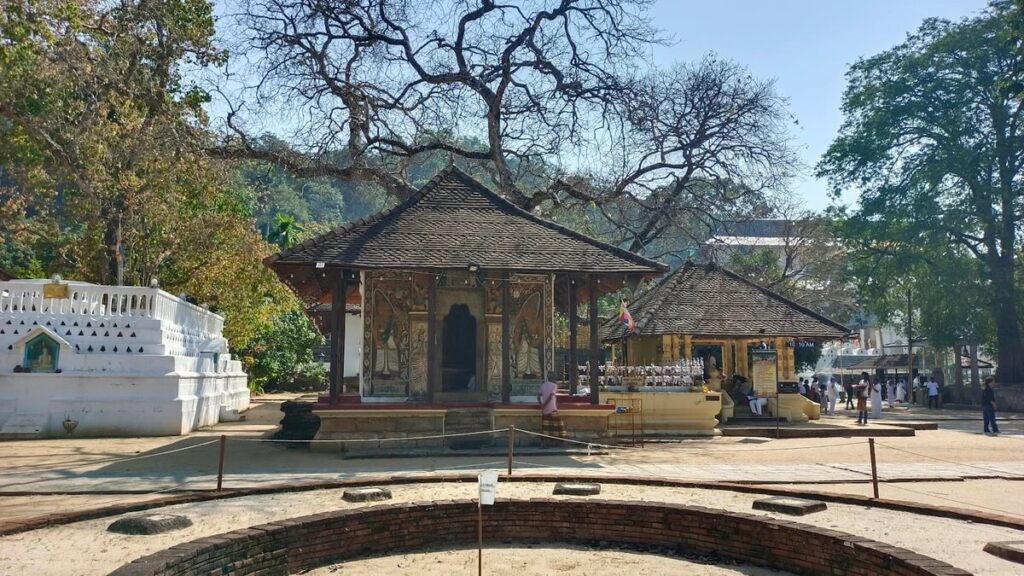
A few minutes’ walk from the Temple of the Tooth lies Natha Devalaya, one of the oldest surviving religious structures in Kandy. Unlike grand complexes, this shrine feels intimate and timeless.
Spiritual Context
Natha Devalaya is dedicated to Natha, a bodhisattva figure associated with compassion and future enlightenment. Many believe Natha to be linked with Maitreya, the future Buddha.
The shrine reflects a transitional period in Sri Lankan religious history, where Buddhist and Hindu influences coexisted naturally.
Why It Feels Different
There is no rush here. Locals come quietly, often alone, to light oil lamps and offer prayers. The architecture is understated but deeply symbolic, with layered roofs and stone foundations that predate the Kandyan Kingdom itself.
Why You Should Not Skip It
For travelers seeking a quieter spiritual moment away from crowds, Natha Devalaya offers space for reflection. It complements the intensity of Sri Dalada Maligawa perfectly.
3. Sri Maha Kataragama Devalaya
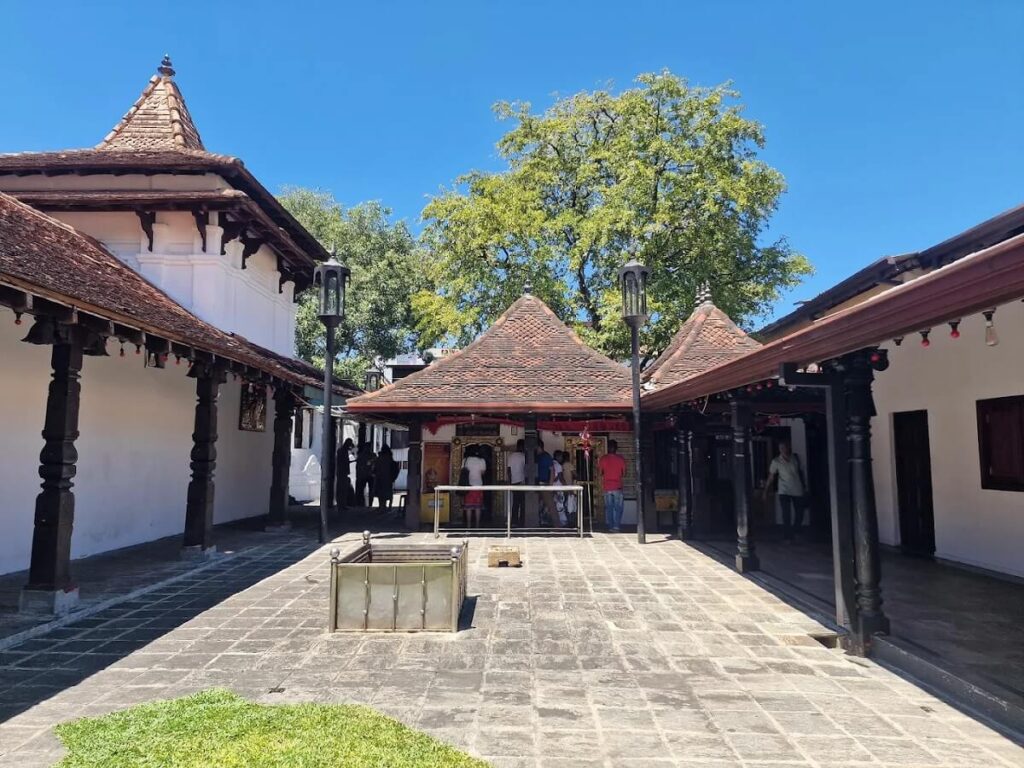
Sri Maha Kataragama Devalaya introduces a very different spiritual rhythm compared to Kandy’s Buddhist monasteries. While Buddhist temples emphasize calm and introspection, this devalaya is charged with emotion, movement, and personal devotion.
Spiritual Significance
The temple is dedicated to Lord Kataragama, known widely as Murugan or Skanda in South Indian traditions. What makes this shrine special is its cross-religious reverence. Buddhists, Hindus, and even indigenous belief followers visit this temple with equal faith.
Lord Kataragama is associated with:
- Protection and strength
- Overcoming obstacles
- Personal vows and life transitions
Many locals believe prayers offered here are particularly powerful during difficult phases of life.
The Atmosphere Inside
The energy here is unmistakable. Drums beat rhythmically during rituals, priests chant mantras, and devotees arrive carrying fruits, flowers, and oil lamps. The air often feels thick with incense and devotion.
Unlike the quiet discipline of Buddhist worship, this temple allows emotional expression. You may see devotees praying intensely, making vows, or offering thanks for wishes fulfilled.
When and Why to Visit
Evening is the best time to experience the temple at its most active. Rituals feel immersive and deeply rooted in tradition. For travelers interested in understanding Sri Lanka’s plural spiritual culture, this temple is essential.
Sri Lanka Tour Packages
- 7 Days Sri Lanka Holiday Package
- Sri Lanka Trip Itinerary for 5 Days
- Sri Lanka 6 Days Travel Package
- Sri Lanka Tour Plan for 8 Days
- 10 Days Sri Lanka Travel Itinerary
4. Sri Vishnu Devala
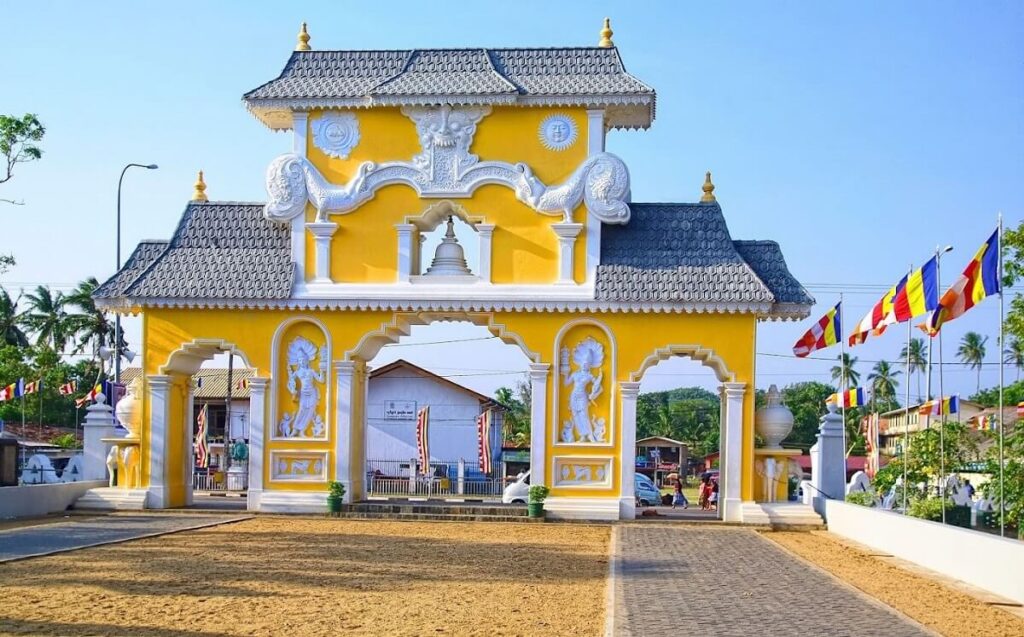
Often overlooked by visitors rushing between major attractions, Sri Vishnu Devala plays a quietly important role in Kandy’s spiritual landscape.
Historical and Religious Role
Lord Vishnu is regarded in Sri Lanka as a protector of Buddhism. Historically, Kandyan kings sought his blessings before wars, coronations, and important decisions. This temple symbolized stability and divine guardianship over the kingdom.
Temple Experience
The shrine is calm and orderly, with a dignified stillness that contrasts beautifully with the nearby crowds around the Temple of the Sacred Tooth Relic. Worship here feels composed and reflective rather than dramatic.
The architecture is traditional, with carved pillars, painted ceilings, and a central sanctum that maintains an atmosphere of reverence.
Why It Belongs on a Spiritual Itinerary
Sri Vishnu Devala is ideal for travelers who appreciate quiet devotion and balance. It provides a spiritual pause between more intense experiences and helps complete the understanding of how Hindu and Buddhist traditions coexist in Kandy.
5. Gadaladeniya Viharaya
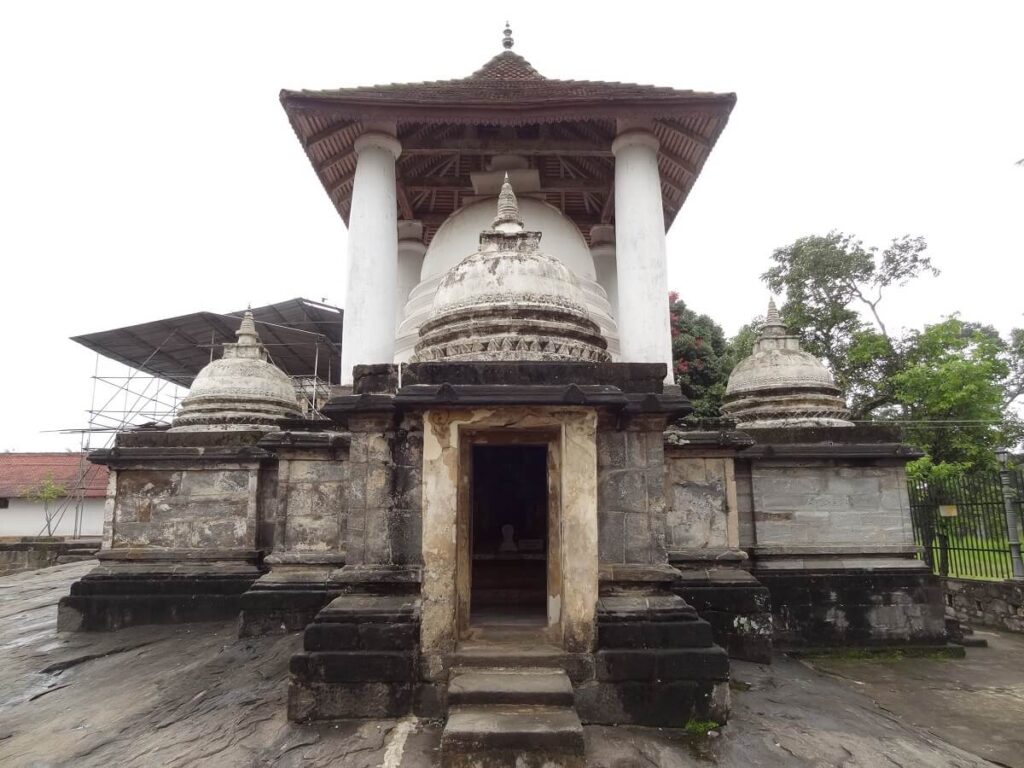
Gadaladeniya Viharaya sits quietly outside the city, offering a spiritual experience shaped by space, elevation, and silence.
Historical Background
Built in the 14th century during the Gampola Kingdom, this temple reflects South Indian architectural influence combined with Sri Lankan Buddhist design. Constructed on a massive rock platform, the structure symbolizes spiritual ascent.
The Spiritual Experience
Reaching the temple requires a short climb, and that journey itself feels symbolic. As city sounds fade, the atmosphere becomes calm and contemplative. From the top, sweeping views of hills and villages create a sense of detachment from everyday concerns.
Inside, the seated Buddha statue beneath a stone arch feels commanding yet peaceful. The temple invites stillness rather than activity.
Who Should Visit
This temple is ideal for:
- Travelers seeking quiet reflection
- Visitors interested in history and architecture
- Those wanting to experience Buddhism outside urban settings
Early mornings or late afternoons are especially rewarding.
6. Embekke Devalaya
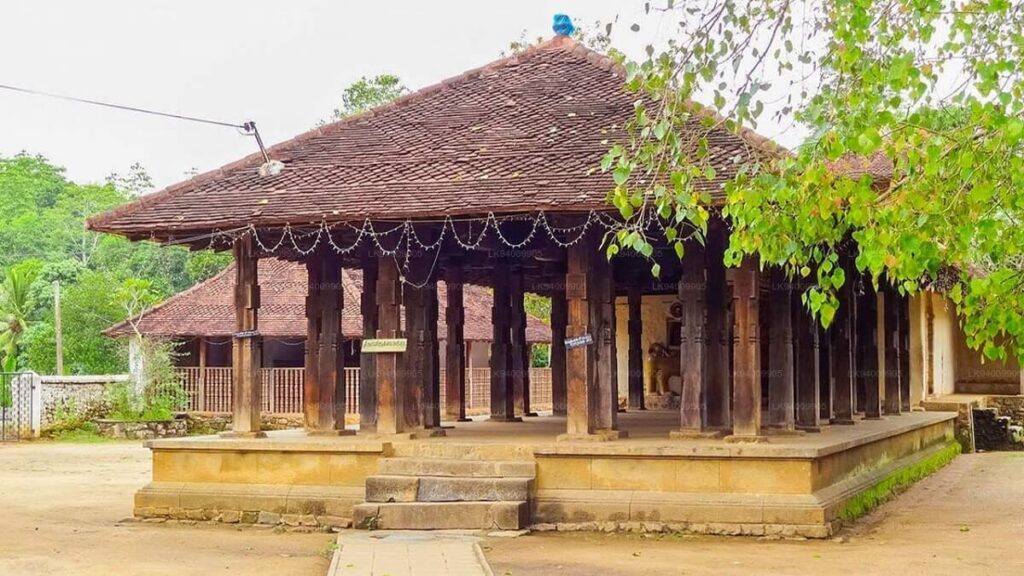
Embekke Devalaya is unlike any other spiritual site near Kandy. While it functions as a place of worship, it is equally a tribute to devotion expressed through art.
Architectural Masterpiece
The temple is world-renowned for its wooden carvings, particularly in the Drummers’ Hall. Each pillar is carved from a single piece of wood and decorated with motifs of dancers, animals, flowers, and mythical beings.
No two pillars are the same. The craftsmanship reflects patience, imagination, and deep symbolic meaning.
Spiritual Interpretation
Embekke suggests that devotion does not always take the form of prayer alone. Here, creation itself becomes worship. The carvings are believed to represent cosmic order, protection, and human harmony with nature.
Visiting Experience
Unlike more crowded temples, Embekke encourages slow observation. Walking through the hall feels meditative, as each carving invites closer attention and interpretation.
Practical Tips
- Visit during daylight for the best visibility of details
- Allow enough time to explore without rushing
- Respect photography guidelines, as this is still an active shrine
Planning Your Spiritual Tour in Kandy:
Visiting these six temples offers a full day or even a multi-day itinerary depending on your pace and interests. Here’s how to make the most of your trip:
Best Time to Visit Kandy
Kandy’s climate is mild year-round, but the spiritual atmosphere is particularly vibrant during Poya days (full moon days), when locals gather for temple rituals. The Kandy Esala Perahera, usually held in July or August, is one of Sri Lanka’s most spectacular cultural processions with dancers, drummers, and elephants moving through the streets in honour of the Sacred Tooth Relic.
How to Get Around Kandy
- Walking is great for temples in central Kandy.
- Tuk-tuks or taxis are useful for hill-top temples like Gadaladeniya, Lankatilaka, and Embekke.
- Local guides can enrich your understanding of history and rituals.
Dress Code and Respect
Most temples have modest dress requirements. Cover your shoulders and knees, remove your shoes before entering sacred spaces, and always ask permission before taking photographs where worshippers are present.
What You’ll Experience
A spiritual getaway in Kandy isn’t just about ticking sites off a list. It’s about feeling the rhythm of daily rituals, watching monks chant at dawn, smelling incense in quiet corridors, and witnessing how ancient beliefs shape daily life here. From the grandeur of the Temple of the Sacred Tooth Relic to the quiet woodwork halls of Embekke Devalaya, each site connects you to centuries of devotion and artistry.
Whether you’re seeking peace, cultural insight, or a deeper connection to Buddhist history, Kandy’s temples offer a rich and rewarding journey.
Final Tips for Travelers
- Start early in the morning to avoid crowds and enjoy serene moments at each temple.
- Pair temple visits with local experiences like traditional Kandyan dance performances or walks around Kandy Lake for balance.
- Respect local customs and participate in rituals with a sensitive and open mind.
Conclusion
A spiritual journey through Kandy is not about how many temples you visit, but about how deeply you experience them. From the emotionally charged devotion at Sri Maha Kataragama Devalaya to the quiet guardianship of Sri Vishnu Devala, the hilltop calm of Gadaladeniya, and the artistic reverence found at Embekke, each temple adds a distinct layer to Kandy’s spiritual identity. Together, they reveal a city where faith, history, and daily life remain inseparably connected, offering travelers not just sacred sites, but moments of reflection, balance, and inner stillness.
Explore More Reads:
- Dambulla Cave Temple Sri Lanka: How to Visit and What to See
- Best Tourist Places to Visit in Galle, Sri Lanka
- Best Places to Visit in Sri Lanka in May 2026
- Sri Lanka Travel Guide for June 2026: Top Destinations
- Top Places to Visit in Sri Lanka in July 2026
- Yala National Park Sri Lanka: Safari Timings, Fees & Tips
- Goa vs Sri Lanka: Which Is Better for Your Vacation?
- Best Places to Visit in Sri Lanka in March 2026
- Sri Lanka in February 2026: Best Destinations to Explore
- Places to Visit in Sri Lanka in January 2026
- Best Wildlife Destinations to Visit in Sri Lanka
- Famous Hill Stations in Sri Lanka You Must Visit
- Top Temples to Visit in Jaffna, Northern Sri Lanka
