Pokhara is more than a gateway to the Himalayas. It is a peaceful, spiritual city where lakes, mountains and ancient traditions blend in perfect harmony. Beyond its adventure sports and postcard landscapes, Pokhara is home to some of the most important temples and religious sites in Nepal. These places are rich in history, culture and devotion, making them must-visit destinations for both spiritual travelers and curious explorers.
In this complete guide, you will discover the 10 most famous temples in Pokhara, including their stories, cultural significance, architecture and practical travel tips.
Whether you seek blessings, photography spots, peaceful meditation areas or cultural immersion, this list will help you design the perfect spiritual journey in Pokhara.
Pokhara Temples – Top 10 Spiritual Places to Explore:
1. Tal Barahi Temple (Tal Barahi Mandir)
Location: Middle of Phewa Lake
Dedicated to: Goddess Barahi (a manifestation of Durga)
Style: Two-tier pagoda
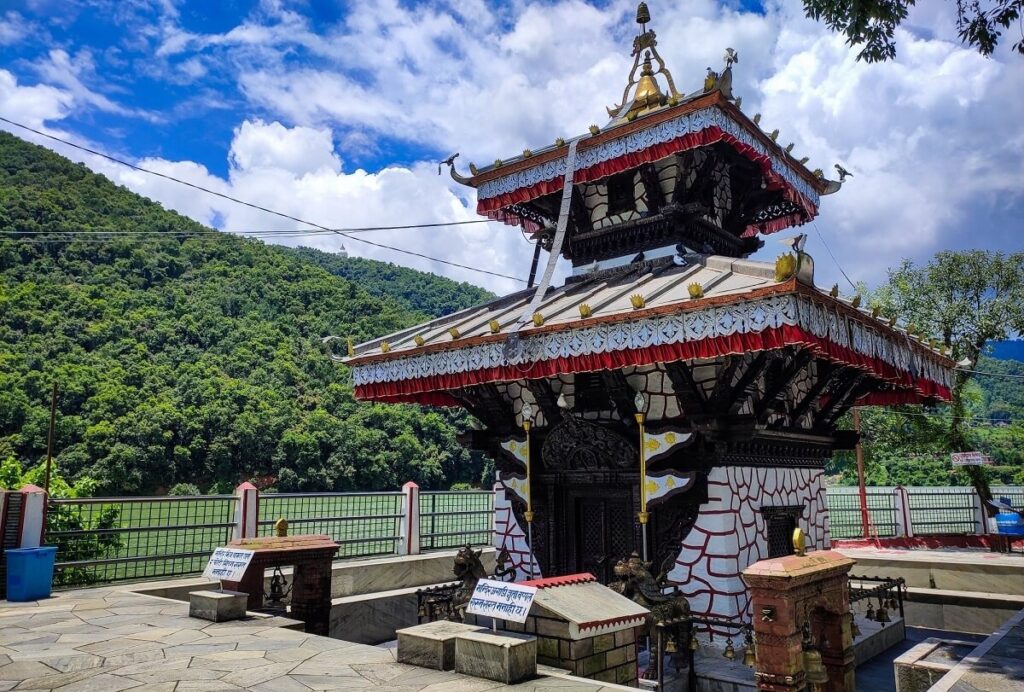
Tal Barahi is the most iconic temple in Pokhara. What makes it truly special is its location on a small island in the center of the Phewa Lake. Reaching it requires a short boat ride, which adds to the charm and makes the visit feel sacred and serene from the very beginning.
The temple honors Goddess Barahi, believed to protect devotees and eliminate negative energies. Pilgrims come here every day to offer flowers, tikas and prayers. For visitors, the peaceful boat journey, the reflection of the temple in the water and the Annapurna range in the background create a picture-perfect, spiritual setting.
Best time to visit: Early morning or sunset.
Tip: Go on weekdays to avoid crowds.
2. Bindhyabasini Temple
Location: Old Bazaar
Dedicated to: Goddess Bindhyabasini (another form of Bhagwati)
Highlight: Oldest temple in Pokhara
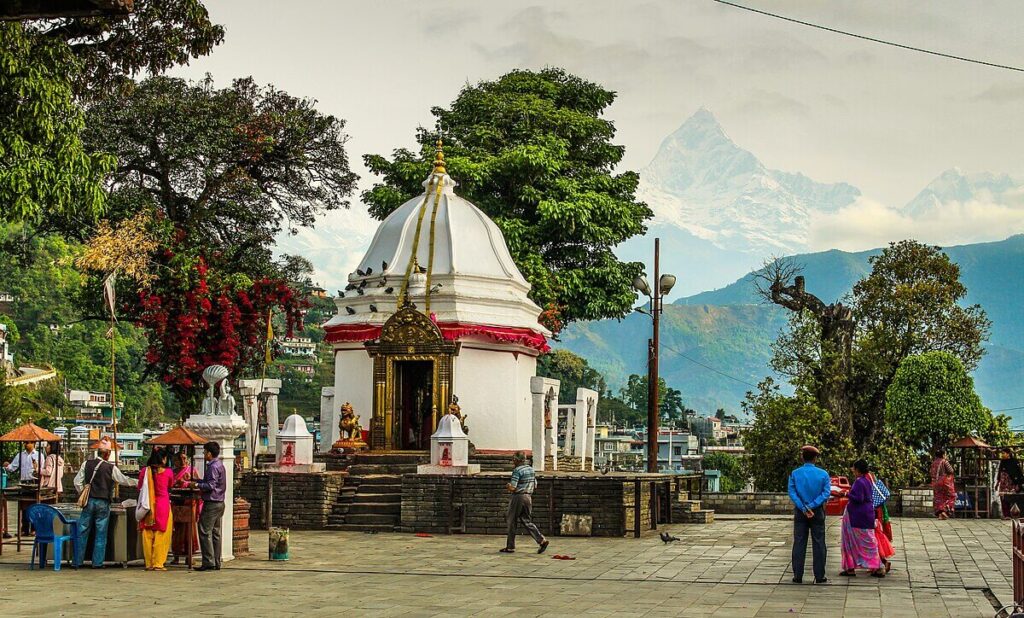
Bindhyabasini Temple stands proudly on a hilltop overlooking the Pokhara Valley. It is one of the city’s oldest religious structures and an extremely important shrine for locals.
The temple is dedicated to Goddess Bindhyabasini, believed to bring protection and victory. Every morning, pilgrims climb the steps to offer prayers and participate in pujas. The atmosphere is peaceful, with bells ringing softly and views stretching across the bustling Old Bazaar.
The pagoda-style architecture and the energy of devotion make this a cultural treasure. Travelers come here to witness authentic local traditions.
Perfect for: Spiritual travelers and those who enjoy cultural immersion.
3. World Peace Pagoda (Shanti Stupa)
Location: Anadu Hill (southern side of Phewa Lake)
Religion: Buddhism
Significance: Built as a symbol of world peace
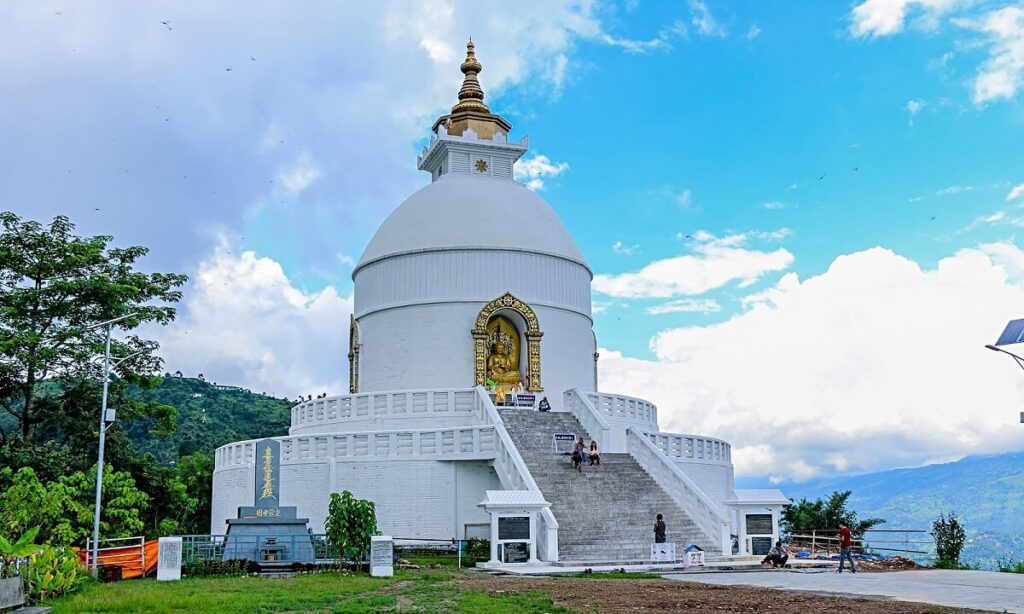
The World Peace Pagoda is not a Hindu temple but is one of the most popular religious places in Pokhara. The brilliant white stupa sits on top of a hill and provides one of the best panoramic views in the city.
Built by Buddhist monks from Japan, the stupa spreads a message of global harmony. It is a favorite spot for meditation, yoga, photography and sunrise viewing. The serene environment, combined with stunning views of Phewa Lake, Pokhara city and the Annapurnas, makes it a must-visit destination.
You can reach the stupa by trekking, cycling or taking a taxi.
Best time: Sunrise for peaceful meditation and golden light.
4. Gupteshwor Mahadev Cave Temple
Location: Opposite Davis Falls
Dedicated to: Lord Shiva
Highlight: Natural cave shrine
Gupteshwor Mahadev is one of Pokhara’s most mystical temples. Found inside a deep natural cave, this shrine to Lord Shiva attracts thousands of devotees each year.
The cave was discovered many decades ago when locals found a naturally formed Shiva lingam inside. Today, a walkway leads down into the cavern, where dripping water, echoing chants and soft lights create a surreal, spiritual atmosphere.
The deeper section of the cave leads to a viewpoint overlooking the waterfalls of Davis Falls. The entire experience feels adventurous, sacred and mysterious.
Note: Not ideal for visitors with claustrophobia or mobility challenges.
Top Nepal Tour Packages to Explore:
- 6 Days Kathmandu & Pokhara Sightseeing Trip
- 7 Days Kathmandu, Pokhara & Dhulikhel Tour
- 5 Days Short Nepal Holiday Package
- 9 Days Ghorepani Poon Hill Trek Experience
- 10 Days Nepal Adventure & Culture Tour
- 6 Days Classic Nepal Travel Itinerary
5. Bhadrakali Temple
Location: Hilltop between Matepani and Kundahar
Dedicated to: Goddess Kali
Experience: Nature + spirituality
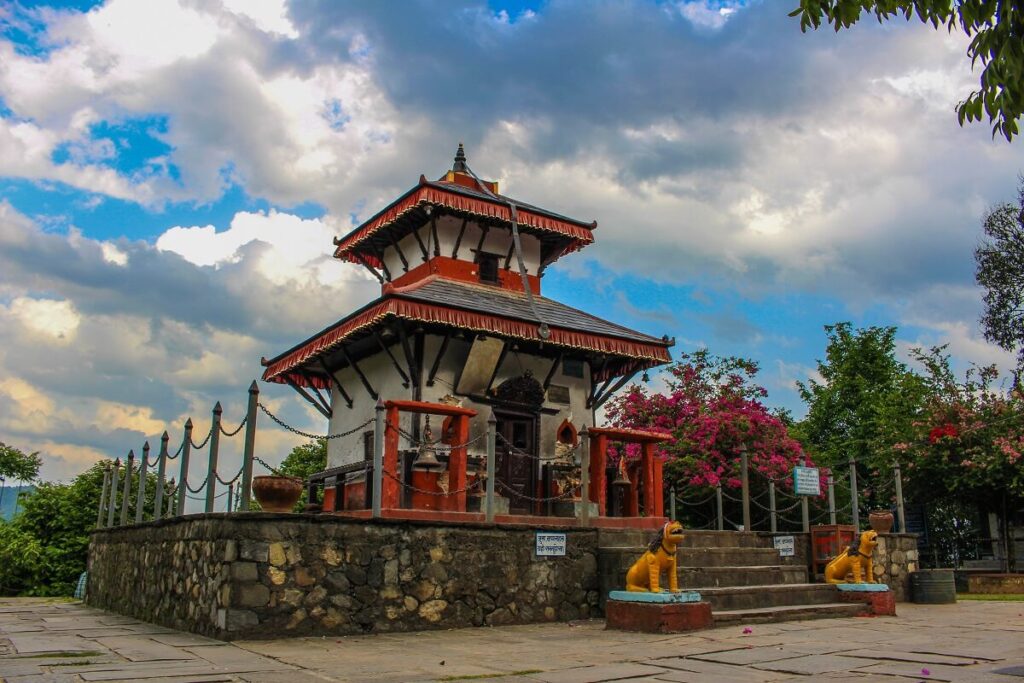
Bhadrakali Temple is located on a lush green hill and requires a short but scenic hike to reach. The trail is peaceful and surrounded by forest, making the journey part of the spiritual experience.
The temple honors Goddess Kali in her benevolent form. During Dashain and other local festivals, the temple becomes a major center of devotion.
Travelers often come for the panoramic views of Pokhara, the quiet environment and the chance to observe local rituals.
Recommended time: Early morning walks for cool weather and scenic light.
6. Matepani Gumba (Matepani Buddhist Monastery)
Location: East Pokhara (Matepani area)
Tradition: Tibetan Buddhism
Highlight: Colorful murals and chanting ceremonies
Matepani Gumba is one of the most visually beautiful monasteries in Pokhara. Established by Tibetan monks, the monastery features vibrant murals, golden statues, intricate artwork and peaceful surroundings.
Inside the main prayer hall, you’ll find incredible wall art depicting Buddhist teachings, cosmic imagery and symbolic figures. Monks perform daily rituals with chants, drums and long Tibetan horns.
Visitors are welcome to meditate, observe rituals or simply enjoy the peaceful atmosphere.
Best experience: Visit during morning prayers to hear the hypnotic chanting.
7. World Peace Gumba (Hyangja Monastery)
Location: Hyangja, near Pokhara Airport
Style: Large Buddhist monastery
Known for: Golden structures and quiet surroundings
World Peace Gumba in Hyangja is another important Buddhist site in Pokhara. Unlike the white stupa World Peace Pagoda, this monastery features golden tones and traditional Tibetan-inspired architecture.
The complex includes spacious courtyards, meditation halls and panoramic viewpoints overlooking the valley. It is a wonderful place for spiritual retreats, meditation sessions or quiet photography.
Since it is less crowded, it appeals to travelers looking for peaceful, non-touristy experiences.
Access: Easy taxi ride from Pokhara Lakeside.
8. Ram Mandir (Ram Temple)
Location: Ram Bazar
Dedicated to: Lord Ram (avatar of Vishnu)
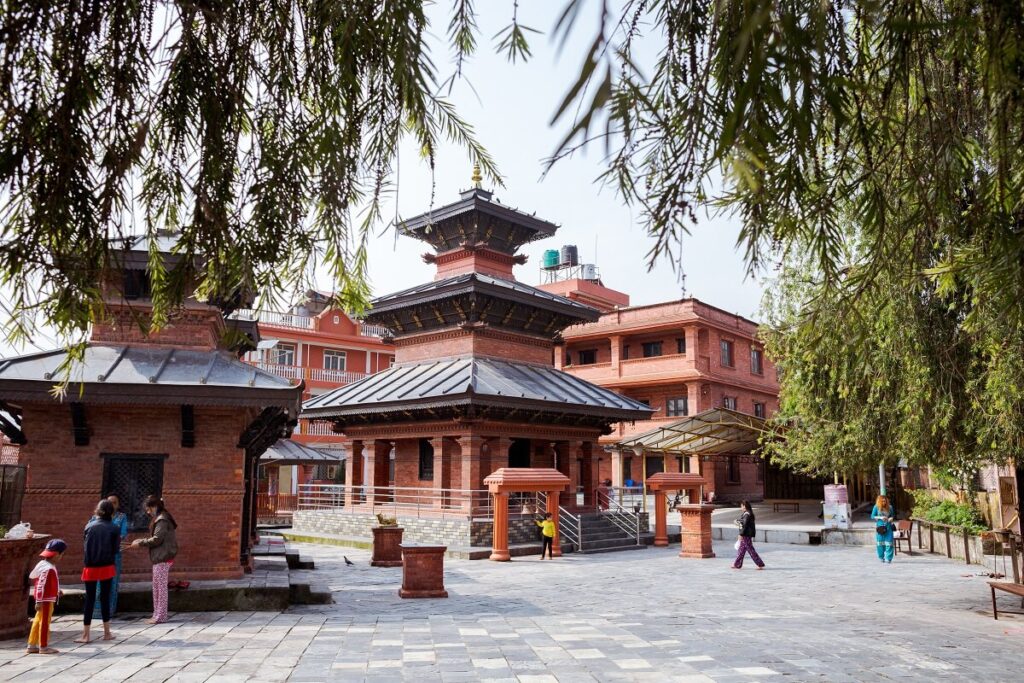
Ram Mandir is one of the most active temples in the city. Local residents visit daily to perform rituals, offer prayers and participate in evening aartis.
During major Hindu festivals like Ram Navami and Dashain, the temple becomes a vibrant center of devotion. Traditional music, flower garlands, rituals and chanting fill the atmosphere.
Travelers visit to see authentic Hindu culture, interact with locals and experience the emotional connection they have with their deities.
Good to combine with: A walk through the nearby traditional market.
9. Akaladevi Temple
Location: Near New Road Market
Dedicated to: Goddess Akaladevi
Vibe: Calm and intimate
The Akaladevi Temple is less famous among tourists but highly respected by the local community. Many people visit it to seek blessings for family well-being, prosperity and protection.
The temple architecture is simple, and the courtyard is peaceful. Because it is close to the main market area, it’s easy to include in a city-walking itinerary.
This is an ideal spot for travelers wanting to experience a more intimate, lesser-known religious site in Pokhara.
Tip: Visit in the morning when daily pujas are performed.
10. Kashinath Temple
Location: Phoolbari, Pokhara
Dedicated to: Lord Shiva
Atmosphere: Quiet, local and spiritual
Kashinath Temple is a peaceful Shiva shrine located in a residential area. It receives fewer tourists, which makes it a great spot to observe the daily spiritual life of local families.
The surroundings include small street shops selling offerings, incense, lamps and flowers. Monday is the busiest day, as it is considered sacred for Shiva devotees.
During Maha Shivaratri, the temple comes alive with lights, music, fasting rituals and hundreds of worshippers.
Why visit: Authentic, low-crowd spiritual atmosphere.
Pokhara’s Religious Heritage: A Spiritual City for Centuries
Pokhara’s religious landscape is incredibly diverse. Hindu temples, Buddhist stupas, natural caves, hilltop shrines and Tibetan monasteries all coexist peacefully in a compact region.
For centuries, people have believed that the natural elements surrounding Pokhara—the Himalayas, the deep caves, the freshwater lakes—are sacred. This belief shaped the identity of the city and attracted pilgrims from all over the region.
This blend of nature and spirituality gives Pokhara a calming energy that many travelers describe as transformative.
Major Religious Festivals in Pokhara:
If you want a deep cultural experience, plan your trip to Pokhara around one of these festivals:
(i) Dashain
The most important Hindu festival. Temples like Bindhyabasini and Bhadrakali hold major rituals.
(ii) Tihar (Deepawali)
Festival of lights where homes, temples and streets glow beautifully.
(iii) Buddha Jayanti
Celebration of Lord Buddha’s birth. Tibetan monasteries host large ceremonies.
(iv) Maha Shivaratri
Huge festival for Shiva devotees at temples like Kashinath and Gupteshwor Mahadev.
(v) Ram Navami
Major celebrations at Ram Mandir with music, puja and crowds of worshippers.
Practical Travel Tips for Visiting Temples in Pokhara:
- Dress modestly
Cover shoulders and knees when entering temples and monasteries. - Remove shoes
Most temples require visitors to leave footwear outside. - Respect rituals
Avoid interrupting pujas or stepping inside the inner sanctum unless allowed. - Photography etiquette
Some shrines prohibit photography inside—always ask or observe signs. - Carry small cash
For offerings, donations or buying ritual items like flowers or incense. - Visit early
Mornings are quieter, cooler and perfect for photography. - Learn a few Nepali words:
- Namaste = respectful greeting
- Dhanyabad = thank you
- Mandir = temple
Suggested 2-Day Itinerary for a Temple Tour in Pokhara:
Day 1 – Iconic and Cultural Sites
- Tal Barahi Temple (boat ride on Phewa Lake)
- Bindhyabasini Temple
- Gupteshwor Mahadev Cave Temple
- Ram Mandir
- Explore Old Bazaar
Day 2 – Spiritual and Scenic Landmarks
- World Peace Pagoda (sunrise or morning)
- Matepani Gumba
- World Peace Gumba (Hyangja)
- Bhadrakali Temple
- Kashinath Temple
This itinerary blends famous temples with peaceful monasteries and lesser-known shrines.
Why Pokhara Is One of Nepal’s Top Spiritual Destinations
Pokhara is a rare place where spirituality blends naturally with nature. You’ll find temples perched on hilltops, mystical caves turned into shrines, monasteries filled with chanting monks, stupas with panoramic views and lakes that shimmer like mirrors.
For spiritual travelers, the city offers:
- Calm surroundings ideal for meditation
- Safe and peaceful spaces to walk and reflect
- A mix of Hindu and Buddhist traditions
- Easy access to holy sites
- Beautiful sunrise and sunset spots
Even if you are not religious, visiting these temples offers cultural insight, architectural beauty and tranquil moments during your journey.
Conclusion
The 10 most famous temples in Pokhara offer a beautiful mix of spirituality, culture, history and natural beauty. From the serene Tal Barahi Temple in the middle of Phewa Lake to the powerful cave shrine of Gupteshwor Mahadev and the breathtaking World Peace Pagoda, each site tells a unique story.
If you’re planning a trip to Nepal, make sure Pokhara is on your list. Its temples and monasteries are not just religious sites—they are experiences that open your mind, calm your heart and connect you with the soul of the Himalayas.
Nepal Travel Guides & Tips:
- Top 10 Hotels in Pokhara – Luxury to Budget Stays
- Complete Guide to Paragliding in Pokhara
- How to Travel from Kathmandu to Pokhara
- Sarangkot Sunrise Viewpoint – Best Spot in Pokhara
- Famous Restaurants to Try in Pokhara
- Top 10 Reasons to Visit Pokhara
- Best Places to Visit in Nepal in August
- Where to Travel in Nepal in September
- Top Destinations in Nepal for October
- Nepal Tourist Places to Explore in November
- Best Cycling & Biking Trails Across Nepal
- Popular Restaurants in Bhaktapur
- Top 10 Dining Spots in Nagarkot
- Must-Do Activities in Bhaktapur
- Kathmandu Trip in December 2025 – Weather, Places & Travel Tips
- Top Places to Visit in Nepal in December 2025
- Best Destinations in Nepal for January 2026
FAQs – Temples in Pokhara
1. What is the most famous temple in Pokhara?
Tal Barahi Temple, located on an island in Phewa Lake, is the most popular.
2. Are temples in Pokhara free to enter?
Most temples are free, though some caves or monasteries may charge a small fee.
3. Do visitors need to follow a dress code?
Yes. Modest clothing covering shoulders and knees is recommended.
4. Which temple offers the best views?
The World Peace Pagoda has the most stunning panoramic views.
5. When is the best time to visit Pokhara’s temples?
October to March provides clear skies and pleasant weather.