Planning a spiritual escape to the Sahyadris? Mahabaleshwar isn’t only about strawberry farms and misty viewpoints—its ancient temples, river-source shrines, and hilltop fort sanctuaries make it one of the Western Ghats’ most soulful destinations. This in-depth guide covers the seven must-visit temples in and around Mahabaleshwar, with practical tips on timings, what to wear, how to reach, where to stay, and how to plan your day so you don’t miss a thing.
Why Mahabaleshwar is a Great Temple Trail
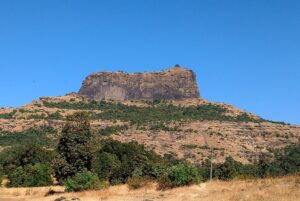
Mahabaleshwar sits high in the Sahyadri range of Maharashtra, wrapped in dense forests and valleys crisscrossed by rivers that literally begin here. The “Old Mahabaleshwar” area (Shiv Temple complex) is the spiritual core: it’s where you’ll find the famous Mahabaleshwar Temple, Panchganga Temple, and Krishnabai Temple—three historic sites clustered a short walk apart, each tied to the origins of major rivers like Krishna and Koyna. Spread out a little farther are hill-fort shrines like the Bhavani Mata Temple at Pratapgad, and riverfront icons like the Dholya Ganpati of Wai. The result? A compact, doable circuit that mixes heritage, mythology, nature, and postcard views.
Quick snapshot
- Ideal trip length: 1–2 days just for temples; 3–4 days if combining with viewpoints, Mapro Garden, and waterfalls.
- Best season: October to March for dry, clear weather; monsoon (June–September) is lush but rainy and slippery.
- Dress & etiquette: Modest clothing (shoulders/knees covered), remove footwear before entering sanctums, avoid photography where restricted.
- Accessibility: Old Mahabaleshwar temples are relatively easy to approach by car with short walks; fort temples involve steps and uneven paths.
The 7 Must-Visit Temples in Mahabaleshwar:
Below are the seven temples you can cover in a thoughtfully planned circuit. The first four sit in and around Old Mahabaleshwar. The remaining three are day-trip friendly and fit nicely into a 2–3 day itinerary.
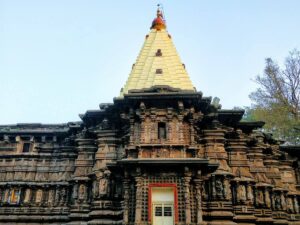
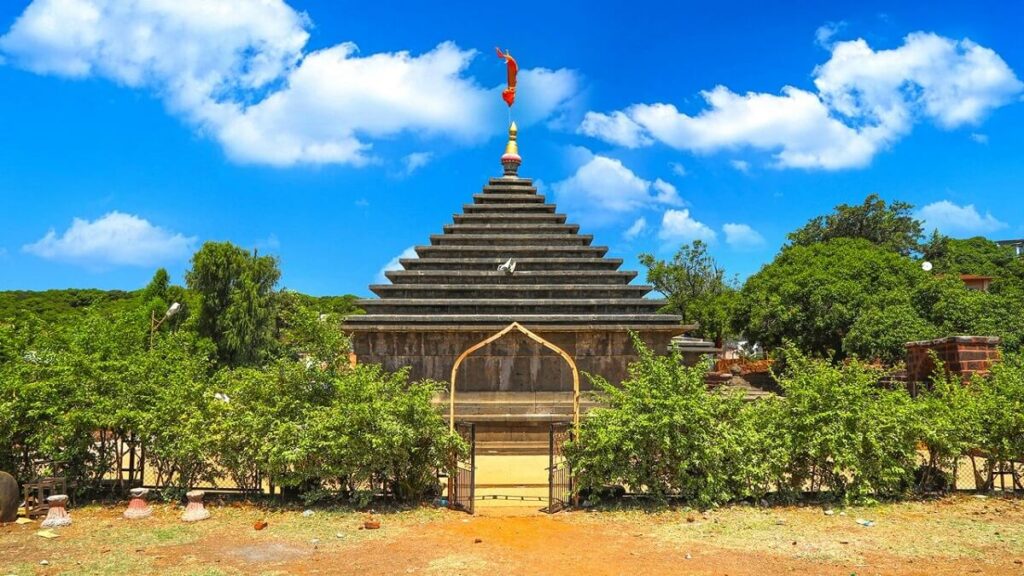
1) Mahabaleshwar Temple

Why visit: The spiritual heart of the hill station. Dedicated to Lord Shiva, this ancient temple is revered for its calm sanctum, classic stone architecture, and deep-rooted legends of divine protection in the mountains. It’s the place most travelers picture when they think “Mahabaleshwar Temple”.
What to look for
- A traditional stone mandapa and sanctum typical of old Deccan temple craft.
- Quiet, incense-laced corridors; a gentle, devotional atmosphere ideal for an unhurried darshan.
- Carvings and lamp-lit niches that photograph beautifully from outside (respect any “no photos” signs inside).
Practical info
- Location: Old Mahabaleshwar village area.
- Timing: Generally early morning till evening; mid-day closures can occur—aim for 6–11 am and 4–7 pm windows.
- Entry fee: None.
- Etiquette: Remove footwear, dress modestly, keep voices low, and do not touch the sanctum structures without permission.
Photography tip: Early mornings are best for soft light and fewer crowds. Bring a light scarf or shawl—hilly breezes can be chilly even on sunny days.
2) Panchganga Temple
Why visit: A rare and fascinating shrine where five rivers—Krishna, Koyna, Venna, Savitri, and Gayatri—are said to originate. Inside, a gau-mukhi (cow’s mouth) spout channels holy water, and you’ll often see pilgrims collecting it.
What to look for
- The sacred spout and channel where devotees fill bottles and perform simple rituals.
- Stone-pillared halls and smaller shrines around the courtyard.
Practical info
- Location: A short walk from Mahabaleshwar Temple (Old Mahabaleshwar).
- Timing: Typically early morning to evening; avoid the heavy rain hours in monsoon if you dislike crowds and puddles.
- Entry fee: None.
- Etiquette: Move gently around rituals, don’t block the pathway to the spout, and avoid stepping on wet puja items.
Good to know: If you’re visiting on an auspicious date or weekend, expect lines. Carry a small towel and a water-safe pouch for your phone.
3) Krishnabai Temple
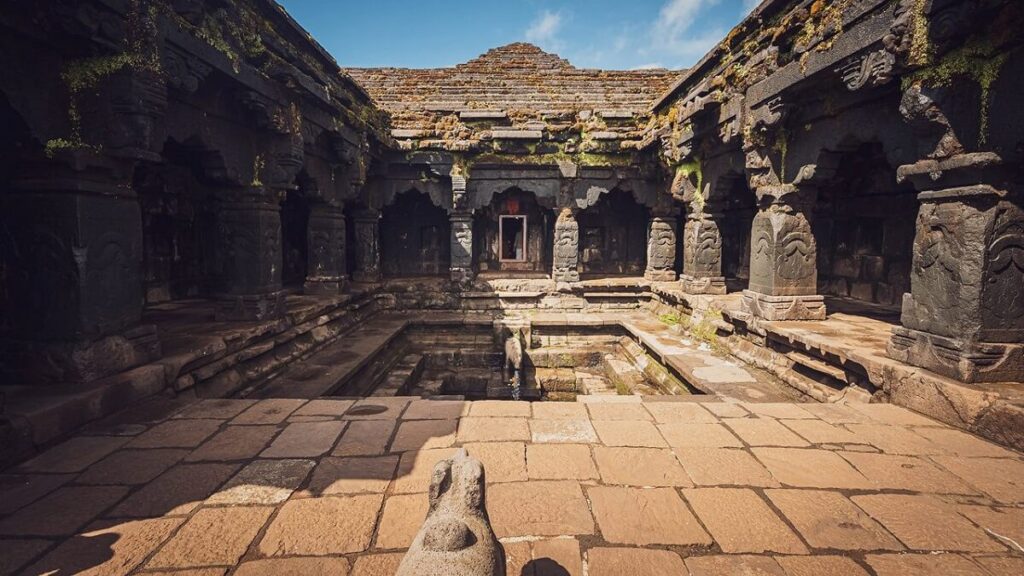
Why visit: A picturesque, older shrine perched on a ridge, often credited as the source of the Krishna River. It’s a photographer’s dream: stone arches framing green valleys, a timeless Nandi statue, and crisp mountain air.
What to look for
- A serene courtyard with views you’ll want to linger over.
- The stone Nandi facing the sanctum—classic and beautifully proportioned.
Practical info
- Location: Walkable from Panchganga/Mahabaleshwar Temple area, though the approach includes uneven stone paths.
- Timing: Best in morning light or golden hour before sunset.
- Entry fee: None.
- Footwear & clothing: Wear grippy shoes—stones get slick in mist or drizzle.
Photo tip: Frame the temple silhouette against the valley; misty monsoon mornings create moody, magazine-worthy shots.
Mahabaleshwar Packages:
4) Atibaleshwar Temple
Why visit: Often overshadowed by its famous neighbors, Atibaleshwar rewards anyone who loves old-world architecture and quiet corners. It’s dedicated to Lord Shiva and is known for its traditional, austere stonework—less crowds, more contemplation.
What to look for
- Rustic stone walls, weathered pillars, and a minimalist sanctum that feels timeless.
- Subtle carvings—bring your eye for detail.
Practical info
- Location: Within the Old Mahabaleshwar temple cluster.
- Timing: Similar to the main temple; mornings and late afternoons are calm.
- Entry fee: None.
- Etiquette: As with the others: modest dress, shoes off near the sanctum, no intrusive photography.
Why it belongs on your list: If your idea of a temple visit is less “queue” and more “quiet,” this is your spot.
5) Bhavani Mata Temple, Pratapgad Fort
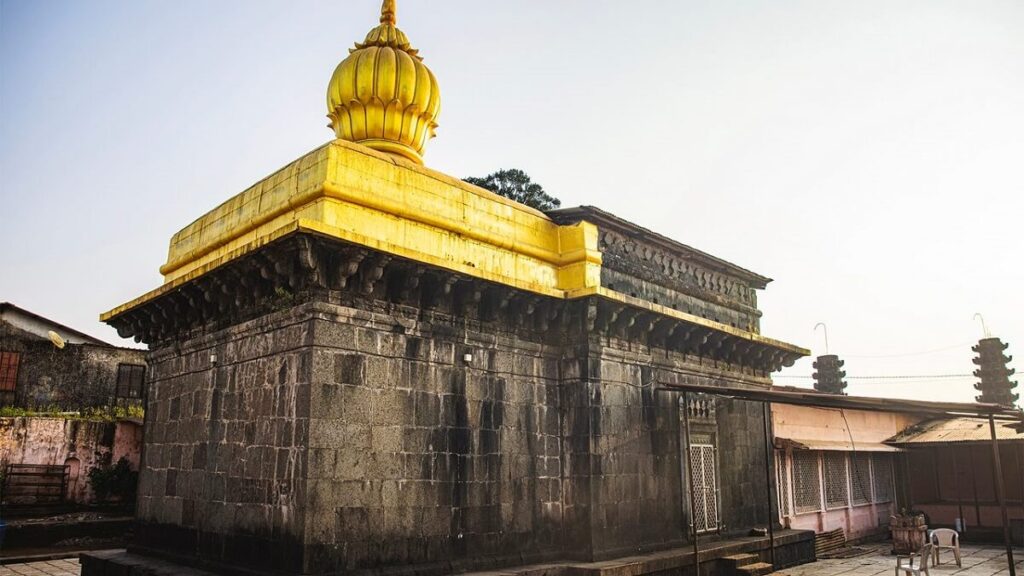
Why visit: Combine history and spirituality at Pratapgad, a majestic hill fort associated with Chhatrapati Shivaji Maharaj. Near the fort’s upper areas sits the Bhavani Mata Temple, a revered site with sweeping views of valleys and forested ridges.
What to look for
- The fort approach itself—stone steps, ramparts, and watchtowers that ignite your inner history nerd.
- The temple’s sanctum and flags fluttering in fort winds—simple, powerful, and atmospheric.
- Valley panoramas on clear days.
Practical info
- Distance: ~20–25 km from Mahabaleshwar (about 45–60 minutes by road, traffic and hairpin bends permitting).
- Timing: Go early to avoid harsh noon sun; monsoon brings fog and slippery steps—walk carefully.
- Entry fee: No temple fee; small fort-area parking/amenity charges may apply.
- Footwear: Comfortably grippy shoes are a must.
- Food & water: Carry water; small stalls are present but not guaranteed in off-hours.
Bonus: You can pair Pratapgad with a lazy lunch on your way back and still make it to a sunset point in Mahabaleshwar.
6) Dholya Ganpati Temple, Wai
Why visit: Down in the plains at Wai, this large stone Ganesha (“Dholya” means “big”) sits right on the Krishna river ghats—postcard-perfect steps, arched pavilions, and drone-worthy views (fly only where permitted). It’s one of the most photogenic temple settings near Mahabaleshwar.
What to look for
- The striking idol of Lord Ganesha and riverside ghats bustling with local life.
- Boats, rituals, and sunset reflections on the water.
Practical info
- Distance: ~35–40 km from Mahabaleshwar (roughly 1–1.5 hours depending on hills and traffic).
- Timing: Sunrise or late afternoon for golden light and cooler temperatures.
- Entry fee: None.
- Etiquette: Be mindful if ceremonies or rites are underway on the ghats; keep a respectful distance when photographing.
Travel pairing: Combine Wai with a food stop (local Maharashtrian thali) and then continue up to Mahabaleshwar for the evening.
7) Shri Datta Mandir (Panchgani / Near Mahabaleshwar)
Why visit: A peaceful Dattatreya shrine (varies by locality; you’ll find a few in and around Panchgani and the Mahabaleshwar–Wai belt) that devotees love for simple puja, bhajans, and panoramic surroundings. It’s a lovely “exhale” stop between viewpoints and cafes.
What to look for
- The trinity form of Dattatreya (Brahma, Vishnu, Mahesh as one).
- Gentle, community-driven rituals—often less crowded, more local.
Practical info
- Distance: Typically 15–20 km radius of Mahabaleshwar, depending on which Datta Mandir you choose en route (drivers and hotel staff can point you to the closest).
- Timing: Mornings or early evenings; check for aarti times if you want the full experience.
- Entry fee: None.
- Etiquette: Modest dress; check if photography is allowed.
Pro tip: Slot this between Table Land (Panchgani) and Parsi/Sydney Point, or as a calm stop after lunch.
How to Reach Mahabaleshwar & Getting Around
By Air:
- Pune Airport is the closest major hub. From Pune, expect 3.5–4.5 hours by road depending on traffic and stops.
- Mumbai Airport is farther (5.5–7 hours by road), but often has better flight options.
By Rail:
- Wathar and Satara are the nearer small stations; Pune is the main railhead with better connectivity. From either, hire a cab or pre-book a car.
By Road:
- Well-connected highways lead to the ghat (hill) climbs. Roads are winding—if you’re prone to motion sickness, pack medication.
- Monsoon brings fog and occasional landslides; drive cautiously.
Local Transport:
- Taxis and private cars are the most convenient for temple-hopping.
- Hotel desks can arrange half-day or full-day temple circuits with fixed fares.
- Public buses exist but aren’t ideal for a tight temple schedule.
Best Time to Visit (Weather, Festivals & Crowds)
October–March (Peak pleasant season):
- Clear views, comfortable days, cool nights—ideal for temple visits and fort walks.
- Festivals like Navratri, Diwali, and Maha Shivratri create lively, devotional atmospheres at Shiva shrines.
April–May (Warm but workable):
- Hotter afternoons, but mornings/evenings remain pleasant at altitude.
- Fewer tourists than winter peak; carry sunscreen and hats.
June–September (Monsoon magic, safety first):
- Emerald landscapes, mist-draped temples, dramatic clouds—stunning for photographers.
- Cons: Heavy rain, slippery steps, leeches in the forest, fog that can reduce visibility. Wear proper shoes, carry a rain jacket, and pad your schedule in case of delays.
Dress Code, Temple Etiquette & What to Pack
Dress modestly: Covered shoulders and knees for all genders; a light scarf for women can be handy.
Footwear: Remove shoes at sanctum areas—pack easy on/off sandals and carry spare socks if you prefer.
Photography: Ask or look for signs. Many temples allow photos outside but not in the inner sanctum.
Donations & prasad: Keep small notes/coins for donations; support local temples respectfully.
Noise & phones: Keep phones silent and voices low.
Sustainability: Carry your bottle, avoid single-use plastic, and don’t litter—these are fragile mountain ecosystems.
What to pack (quick list)
- Lightweight shawl/scarf; modest, breathable clothing
- Rain jacket (monsoon), warm layer (winter evenings)
- Grippy walking shoes
- Small cash, identity proof
- Reusable water bottle, snacks for the road
- Power bank (signal can be patchy)
Combining Temples with Classic Mahabaleshwar Sights
- Viewpoints: Arthur’s Seat, Elphinstone Point, Kate’s Point, and Wilson Point (sunrise). Slot these between temple visits—mornings and late afternoons are best.
- Venna Lake: A relaxed evening after a temple circuit; try boating if lines aren’t long.
- Mapro Garden (near Panchgani): For a quick bite—sandwiches, pizzas, strawberry cream during season.
- Waterfalls (seasonal): Lingmala, Chinaman’s, and Dhobi waterfalls thrum during monsoon and just after.
Where to Stay (Temple-Friendly Bases)
- Old Mahabaleshwar area: Best if your goal is unhurried darshan at Mahabaleshwar/Panchganga/Krishnabai/Atibaleshwar with minimal commute.
- Mahabaleshwar town: More hotel variety, restaurants, and easy access to viewpoints and Venna Lake.
- Panchgani: Calmer vibe, boutique stays, and strategic if you’re pairing with Datta Mandir and Mapro Garden.
- Wai (for photographers): Riverfront mornings at Dholya Ganpati become effortless if you overnight here, then ascend to the hills later.
Booking tip: Weekends and holidays fill quickly—reserve in advance, especially in Oct–Mar and around festivals.
Food & Temple-Hopping Fuel
- Vegetarian options are plentiful; many travelers prefer veg meals on temple days.
- Taste Maharashtrian thalis, misal pav, kanda bhaji, and strawberry-based desserts (in season).
- Keep snacks like chikki, fruits, and nuts for between-site drives.
- Hydration is key—mountain sun and walks can sneak up on you.
Safety & Accessibility
- Monsoon caution: Steps at forts and stone temple courtyards become slick. Move slow; use railings.
- Seniors & kids: Focus on the Old Mahabaleshwar cluster (shorter walks, easier access) and skip or minimize fort climbs.
- Wildlife & strays: Don’t feed monkeys or stray dogs near temple complexes; keep snacks concealed.
- Cash & ATMs: Carry cash for small donations and snacks; ATMs can be limited in rural pockets.
- Network: Mobile coverage fluctuates—download offline maps.
Responsible Travel & Local Respect
- Dress and behave respectfully at all shrines.
- Buy prasad and flowers from local vendors—it supports livelihoods.
- Avoid plastic, carry your waste out, and never leave offerings in natural water bodies.
- Ask before photographing people and rituals.
Suggested 1–2 Day Temple Itineraries
Option A: The “Core Cluster” Day (Minimal Transit, Maximum Soul)
Morning:
- Start early at Mahabaleshwar Temple → Walk to Panchganga Temple → Continue to Krishnabai Temple (linger for views).
Lunch:
- Head into Old Mahabaleshwar or central Mahabaleshwar town for a simple vegetarian meal.
Afternoon:
- Visit Atibaleshwar Temple → Relax at Venna Lake or a nearby viewpoint → Evening aarti back at the main temple if timings match.
Why it works: Everything is walkable or a short drive; you get a satisfying spiritual circuit without rush.
Option B: Temples + Fort Heritage (Action + Atmosphere)
Morning:
- Drive to Pratapgad Fort (Bhavani Mata Temple) — reach by 8–9 am; explore ramparts and temple before noon heat.
Lunch:
- Roadside eatery en route back (simple Maharashtrian meals).
Afternoon:
- A quick rest, then Mahabaleshwar Temple and Panchganga for evening aarti.
- If energy permits, squeeze in Krishnabai at golden hour.
Why it works: Balances a historic fort walk with core shrine darshans.
Option C: Temples + Riverfront (Photogenic & Relaxed)
Morning:
- Drive down to Wai – Dholya Ganpati Temple for sunrise photos and calm ghats.
Lunch:
- Eat in Wai or Panchgani.
Afternoon:
- Shri Datta Mandir near Panchgani → Coffee break → Back to Old Mahabaleshwar for Atibaleshwar or an aarti at the main temple.
Why it works: Gorgeous riverfront morning light and a gentle, do-able day.
Recommended Reads:
- How to Reach Mahabaleshwar – Travel Guide
- Things to Do in Mahabaleshwar in October
- Places to See in Mahabaleshwar
- How to Reach Lonavala & Khandala
- Tadoba-Andhari Tiger Reserve – Travel Guide
- Summer Vacation Places in Maharashtra
- Places to See Near Mumbai in March 2026
- Hill Stations in Maharashtra
- Maharashtra Honeymoon Places
- Places to See in Maharashtra
- Maharashtra Camping Sites
- Winter Places to Visit in Maharashtra
- Places to Visit in Ratnagiri
- Maharashtra Places to See in September
- Popular Caves of Maharashtra
Frequently Asked Questions (FAQs)
1) How many temples can I realistically visit in one day?
If you focus on Old Mahabaleshwar, you can comfortably cover Mahabaleshwar Temple, Panchganga, Krishnabai, and Atibaleshwar in one day with ample time for prayers and photos. Add one out-of-town site (Pratapgad or Wai) only if you start early and keep breaks short.
2) Is there an entry fee for these temples?
No standard entry fees for these seven; occasional parking/amenity charges may apply around Pratapgad or busy town areas.
3) What’s the best time for darshan to avoid crowds?
Early mornings (around opening time) or late afternoons (before evening aarti) are quieter. Weekdays beat weekends and holidays.
4) Can I take photos inside the sanctum?
Usually no. Photos are often fine outside and in courtyards, but always follow posted signs and priest guidance.
5) How challenging is Pratapgad for seniors?
There are steps and uneven paths. With walking sticks and frequent rests, healthy seniors manage it, but if mobility is limited, prioritize the Old Mahabaleshwar cluster instead.
6) Are guides available?
Yes. You can hire local guides at Pratapgad and sometimes near the temple cluster. A guide enriches the visit with legends and architecture notes.
7) What should I wear?
Modest, comfortable clothes; layers for cool mornings/evenings; rain protection in monsoon. Shoes with good grip are essential.
8) Are there locker or shoe-stand facilities?
Basic shoe stands are common. Lockers are rare—carry valuables on you and keep them minimal.
9) Is monsoon a bad time?
Not at all—it’s beautiful. Just plan for rain, slippery paths, and possible fog. Carry rain gear and leave buffer time for slow driving.
10) What are the top festivals to experience here?
Maha Shivratri (Shiva temples), Navratri (Bhavani Mata at Pratapgad), and Datta Jayanti (Datta temples) can be especially vibrant.
11) Can I combine temples with strawberry picking?
Yes—during strawberry season (broadly winter to early spring). Check with farms for timings and availability.
12) Are there vegetarian-only eateries near the temples?
Yes, especially in and around Old Mahabaleshwar and the main town. Ask your hotel for the nearest reliable kitchens.
13) Is a car mandatory?
Not mandatory, but very convenient. Hiring a car for a day lets you visit multiple sites efficiently.
14) Can I do Mahabaleshwar temples as a day trip from Pune?
Yes, but it’s a long day. A 1–2 night stay is far more relaxed and lets you enjoy sunrises, sunsets, and aarti without rushing.
15) Are donations expected?
Not required, but customary if you wish. Keep small notes/coins for the hundi or to support minor temple maintenance.