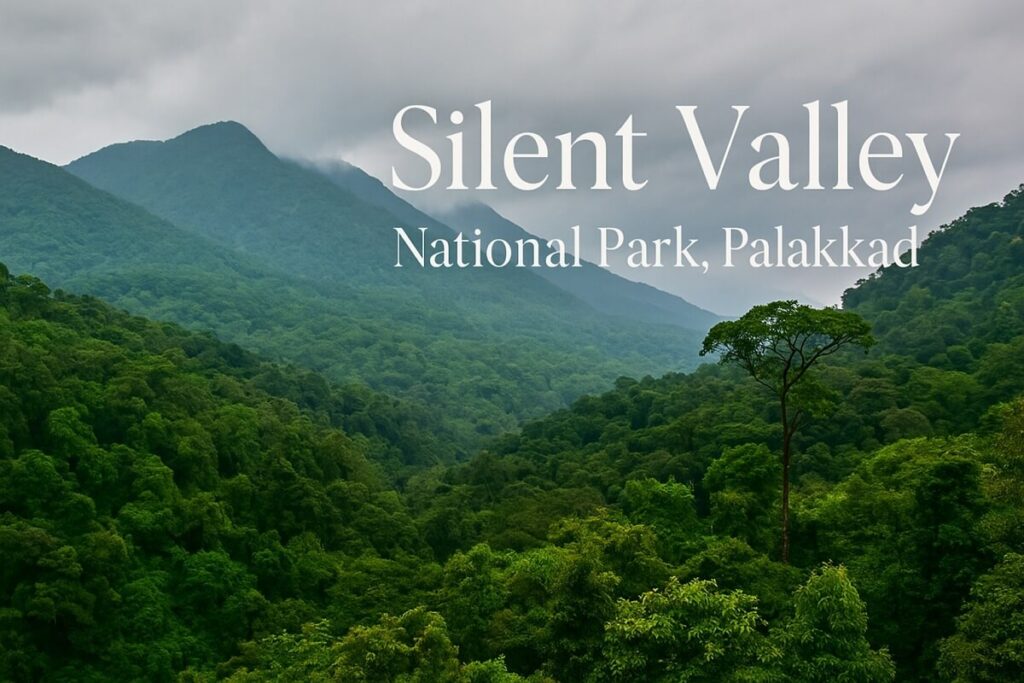
Situated deep in the Nilgiri Biosphere Reserve of Kerala, Silent Valley National Park is one of India’s most untouched tropical rainforests. Spread across nearly 90 square kilometers in Palakkad district, this protected area is a living treasure of the Western Ghats. The park is home to rare species such as the lion-tailed macaque, Malabar giant squirrel, Nilgiri langur, and countless endemic plants and birds. Its thick evergreen canopy, flowing rivers, waterfalls, and trekking trails make it one of the most sought-after destinations for nature lovers, trekkers, and eco-travelers.
Unlike other parks that often feel overrun by tourists, Silent Valley retains an aura of solitude and authenticity. Its very name comes from the stillness of its valleys, where the dense vegetation muffles sound, giving travelers the experience of being lost in a silent, green world. This detailed guide takes you through everything you need to know—its history, geography, flora and fauna, how to reach, when to visit, things to do, and essential travel tips.
History of Silent Valley National Park
Silent Valley is not just a forest but also a symbol of India’s conservation history. In the 1970s, a proposal to build a hydroelectric dam across the Kunthipuzha River threatened to submerge large portions of the valley. This sparked the famous “Save Silent Valley Movement”, one of the earliest and most influential environmental movements in India. Scientists, activists, writers, and local people united to highlight the ecological importance of this rainforest. After years of protests and campaigns, the government of India abandoned the dam project in 1980.
In 1984, Silent Valley was officially declared a national park by Prime Minister Indira Gandhi. Later in 2007, it was designated as part of the Nilgiri Biosphere Reserve, recognized by UNESCO. Today, it remains one of the last expanses of undisturbed tropical evergreen forest in the country and stands as a testament to what collective conservation efforts can achieve.
Geography and Landscape of Silent Valley
Silent Valley lies in the Palakkad district of Kerala, in the Nilgiri Hills of the Western Ghats. The park’s terrain is rugged, with altitudes ranging from about 650 meters in the valley floors to over 2,300 meters at Anginda Peak, the highest point in the park.
The valley is defined by steep ridges, narrow gorges, and dense forests. Flowing through its heart is the Kunthipuzha River, a tributary of the Bharathapuzha River, which provides fresh water for countless species of plants and animals. The river is crystal clear and unpolluted, one of the few remaining pristine rivers in South India.
The unique topography creates micro-climates within the park, from cool highlands to warm valleys, making it a haven for diverse flora and fauna.
Flora: A Living Green Museum
Silent Valley is a botanist’s paradise. More than 1,000 species of flowering plants have been recorded here, including rare orchids, ferns, mosses, and medicinal plants.
The park’s vegetation is mainly tropical evergreen forest, with dense canopies that allow very little sunlight to penetrate. Tall trees such as Cullenia exarillata, Palaquium ellipticum, and Mesua ferrea dominate the canopy. The undergrowth is thick with shrubs, creepers, bamboo, and small herbs.
Silent Valley’s plants play a crucial role in stabilizing the ecosystem, regulating rainfall, and acting as carbon sinks. Many of these species are endemic to the Western Ghats, making the park a globally significant biodiversity hotspot.
Fauna: A Haven for Wildlife
Silent Valley is equally renowned for its incredible wildlife. The star attraction is the lion-tailed macaque, an endangered primate found only in the Western Ghats. The park harbors one of the largest surviving populations of this species. Other primates include the Nilgiri langur, bonnet macaque, and common langur.
Carnivores like the tiger, leopard, leopard cat, and jungle cat inhabit the dense forests, though they are rarely spotted. Herbivores such as gaur (Indian bison), sambar deer, spotted deer, and Nilgiri tahr roam the park’s slopes. Smaller mammals include the Malabar giant squirrel, slender loris, and pangolin.
Birdwatchers find Silent Valley a paradise with more than 200 recorded bird species, including Malabar trogon, Nilgiri wood pigeon, great Indian hornbill, and laughing thrushes. The park is also home to more than 100 species of butterflies and countless insects, amphibians, and reptiles.
This rich biodiversity has earned Silent Valley the reputation of being India’s “last rainforest”.
Popular Kerala Travel Itineraries to Choose From:
- 10 Days Kerala Exploration Package
- 8 Days Kerala Family Tour Itinerary
- 6 Days Kerala Hill Stations & Nature Trip
- 7 Days Kerala Travel Plan Covering Major Spots
- 5 Days Kerala Backwater & Houseboat Journey
- 12 Days Kerala Tour Covering Culture, Temples & Nature
- 5 Days Kerala Scenic Tour to Munnar, Alleppey & Thekkady
Best Time to Visit Silent Valley
The park can technically be visited year-round, but each season offers a different experience:
- Winter (November to March): The best time. Weather is cool and pleasant, skies are clear, wildlife activity is high, and trekking trails are comfortable.
- Summer (April to June): Hot and humid, but still manageable. Early mornings and evenings are good for wildlife sightings.
- Monsoon (June to September): The valley turns lush green, waterfalls are at their best, but heavy rains make trekking difficult. Roads may be slippery, and leeches are common.
For a well-rounded experience with comfortable weather, plan your trip between November and March.
How to Reach Silent Valley National Park:
Silent Valley’s remoteness adds to its charm. Here’s how to get there:
By Air:
- The nearest airport is Coimbatore International Airport (about 91 km away).
- Calicut International Airport is around 117 km away.
- From the airport, taxis or buses can be hired to reach Mukkali, the park’s entry point.
By Train:
- The nearest major railway station is Palakkad Junction (about 60 km away).
- From Palakkad, buses and taxis connect to Mannarkkad and then to Mukkali.
By Road:
- Mukkali is well connected by road from Palakkad (60 km), Mannarkkad (32 km), and Coimbatore (91 km).
- State transport buses and private taxis are available.
Inside the Park:
- Entry into the core area requires prior permission. Visitors must obtain permits from the Kerala Forest Department Office at Mannarkkad or at Mukkali.
- From Mukkali, only authorized jeeps are allowed inside the park, often accompanied by a forest guide.
Attractions in Silent Valley:
1. Sairandhri Visitor Centre
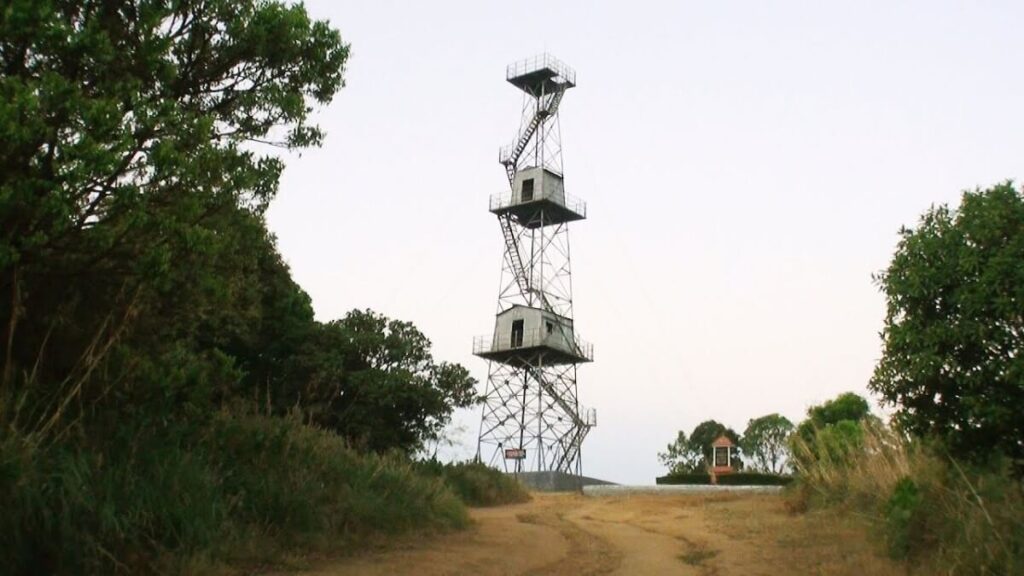
The main hub for visitors. Offers panoramic views, a watchtower, and exhibits about the park’s ecosystem. It is the starting point for many treks.
2. Anginda Peak
At 2,383 meters, Anginda is the highest peak in Silent Valley. Treks to this summit offer breathtaking views of the valley and neighboring forests.
3. Kunthipuzha River
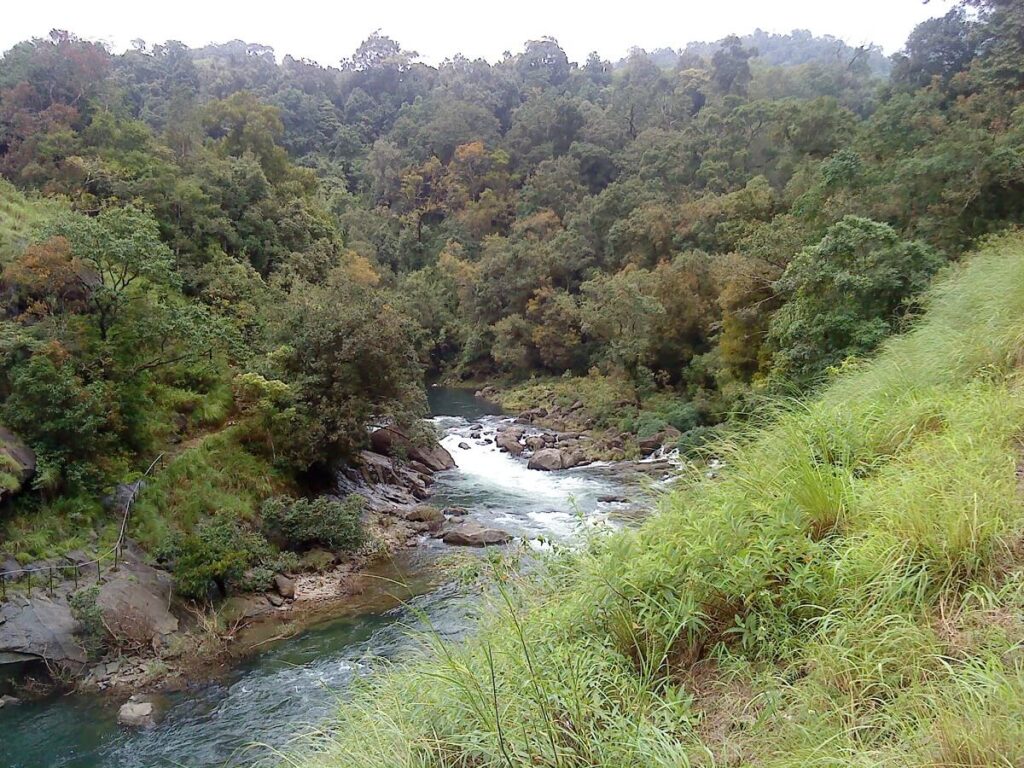
Flowing through the valley, this river provides fresh water and is a serene spot for relaxation and photography.
4. Pathrakadavu Waterfalls
Located near the park’s boundaries, this stunning waterfall is a must-visit, especially during the monsoon.
5. Trekking Trails
From short nature walks to multi-day treks, the park offers diverse options. Popular routes include Mukkali–Sairandhri and Anginda Peak treks.
Activities to Enjoy in Silent Valley
- Wildlife Safaris: Authorized jeep rides inside the park.
- Birdwatching: Ideal for spotting endemic and migratory species.
- Nature Walks: Short guided walks for those who prefer less strenuous activities.
- Photography: Capture the misty landscapes, unique flora, and fauna.
- Cultural Exploration: Interact respectfully with tribal communities like the Irulas and Mudugas in nearby villages.
Accommodation Options in Silent Valley
Silent Valley does not have luxury hotels inside the park. Options include:
- Forest Rest Houses: Basic accommodation managed by the Kerala Forest Department at Mukkali.
- Eco-lodges and Homestays: Found in Mannarkkad and surrounding villages.
- Hotels in Palakkad: For those preferring comfort, Palakkad offers mid-range and premium hotels.
Booking in advance, especially during peak season, is recommended.
Entry Fees and Permits for Silent Valley
- Entry Fee: ₹50 (Indians), higher for foreign tourists.
- Jeep Safari: ₹1,600–₹2,000 per jeep (for groups up to 5–6 people).
- Camera Fee: Extra charges apply for professional cameras.
- Trekking Permits: Required for trails beyond the regular visitor zone.
Permits can be arranged at the Forest Department Office at Mukkali.
Travel Tips
- Carry rain gear even in winter, as sudden showers are common.
- Wear full-sleeved clothing and trekking shoes.
- Carry insect repellent, especially during the monsoon.
- Do not litter. Silent Valley has strict rules against plastics.
- Travel with a guide for safety and better wildlife sightings.
- Mobile connectivity is weak inside the park—inform family before entering.
- Respect local communities and avoid disturbing wildlife.
Conservation Importance
Silent Valley represents one of the last remaining tracts of undisturbed tropical evergreen rainforest in India. The “Save Silent Valley Movement” became a landmark case in environmental activism, ensuring the preservation of this fragile ecosystem. Today, the park is a symbol of balance between conservation and responsible tourism. Every visitor plays a role in keeping this sanctuary pristine for future generations.
Suggested Itinerary
- Day 1: Arrive in Mukkali, visit Pathrakadavu Waterfalls, and stay overnight.
- Day 2: Early morning jeep safari to Sairandhri, visit the watchtower and Kunthipuzha River, guided walk.
- Day 3: Trek to Anginda Peak or nature walk around buffer areas, return to Mukkali or Palakkad.
For longer stays, combine Silent Valley with nearby attractions like Parambikulam Tiger Reserve, Attappadi Hills, or Nilgiri Hills.
Conclusion
Silent Valley National Park is more than a travel destination—it is an experience of being immersed in pure wilderness. Its untouched forests, rich biodiversity, and serene landscapes offer a rare glimpse of what the Western Ghats once looked like. For travelers who crave peace, adventure, and a close connection with nature, Silent Valley is the ultimate destination. A trip here is not only a journey into the forest but also a step into the history of India’s conservation movement.
Visiting Silent Valley is a privilege and a responsibility—one that leaves travelers with unforgettable memories and a deep respect for nature’s resilience.
Essential Reads for You:
- 6–8 Days Kerala Itinerary – How to Plan Your Ideal Vacation
- Best Places to Visit in Kerala in July 2026
- Kerala Tourism in March 2026 – Where to Go
- Top Kerala Destinations for August 2026
- Munnar Sightseeing in August 2026 – Travel Guide
- Best Villages to Visit in Kerala for Rural Tourism
- Famous Lakes in Kerala You Should Explore
- Traditional Boat Races in Kerala – Festival Highlights
- Kerala Travel Tips Every First-Time Visitor Should Know
- Where to Go in Kerala in September 2025
- 24 Must-Visit Kerala Destinations in January 2026
- 9 Best Tourist Spots in Kerala for February 2026
- 10 Top Places to Explore in Kerala in March 2026