Sri Lanka is one of those rare countries where you can go from misty tea hills to palm-lined beaches in a few hours, with ancient temples, wildlife, and food stops in between. Most first-timers follow the classic loop: Colombo, Kandy, Ella, Yala, and Galle. It’s a good route, but it barely scratches the surface.
This guide is for travelers who want the quieter side of the island: places where you can hike without crowds, swim in near-empty bays, sip tea in overlooked valleys, and stay in villages that still feel wonderfully local. These offbeat places in Sri Lanka are not “secret” (locals know them well), but they’re still under-visited compared to the famous hotspots.
You’ll find 12 Sri Lanka hidden gems below, each with: what makes it special, best time to go, how to reach, and what to do. At the end, there are suggested itineraries, transport advice, costs, and common travel questions.
Planning Tips for Offbeat Sri Lanka:
Getting around
- Driver + car is the easiest for offbeat routes (especially for remote beaches and national parks).
- Trains are beautiful but connect only key corridors. Great for hill country, not ideal for lesser-known coastal or deep rural areas.
- Buses are cheap and frequent, but can be slow and crowded on long routes.
- Scooter is possible in some regions (south coast, east coast), but be cautious on mountain roads and after rain.
When to visit Sri Lanka
Sri Lanka’s weather shifts by region.
- South & west coast + hill country: best roughly December to April
- East coast: best roughly May to September
- Cultural Triangle (north-central): good most of the year, hottest around April–September
If you’re doing both coasts in one trip, plan around what you want most: calm seas in the south or the east.
Responsible travel, especially in quiet areas
- Dress modestly near temples and villages.
- Avoid single-use plastics where you can.
- Choose local guesthouses, hire local guides, and don’t chase wildlife for photos.
12 Offbeat Destinations in Sri Lanka You Must Visit:
1) Jaffna
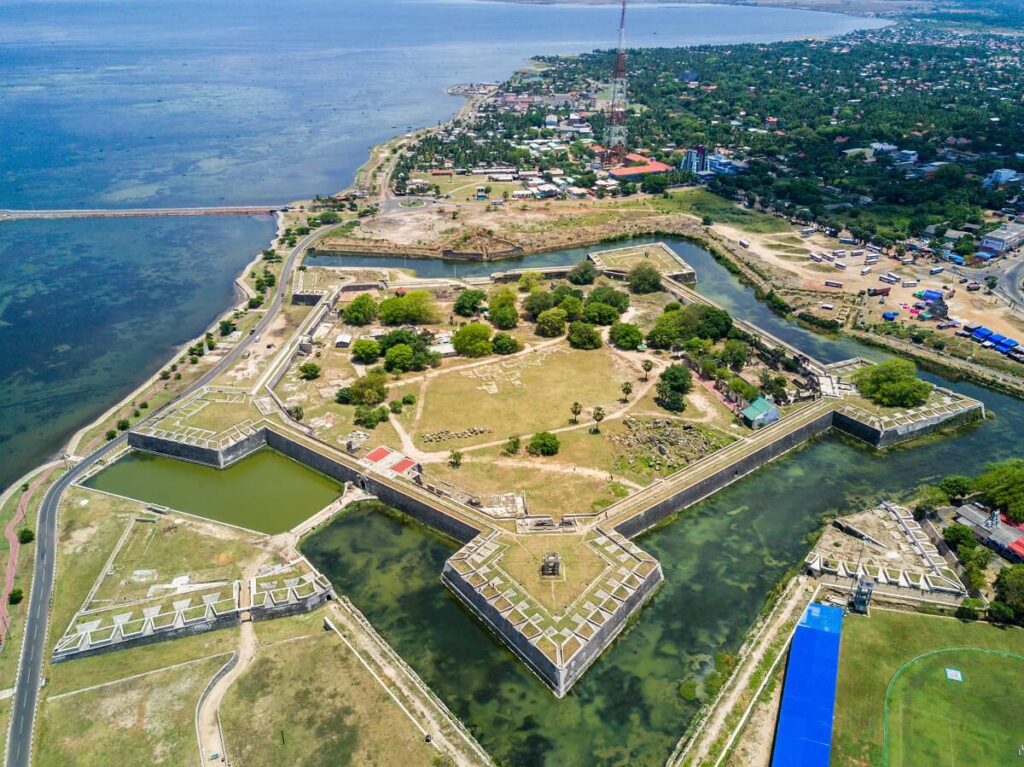
Why it’s offbeat: Jaffna feels like a different Sri Lanka: Tamil culture, distinct food, calm islands, and a slower pace. It’s not just a “destination,” it’s a cultural experience.
Best time: January to September is generally drier; October–December can be wetter.
How to reach:
- Fly or drive from Colombo (or take the long-distance train/bus).
- Many travelers stop in Anuradhapura and continue north.
Top things to do in Jaffna:
- Explore Nallur Kandaswamy Kovil, one of the most important Hindu temples in Sri Lanka.
- Visit Jaffna Fort around golden hour for great light and sea breeze.
- Try a proper Jaffna crab curry (it’s legendary) and local vegetarian “rice and curry” spreads.
- Day trip to Delft Island (wild ponies, coral walls, quiet beaches).
- Visit Nagadeepa (sacred Buddhist site) and island-hop if time allows.
Where to stay: Simple guesthouses in Jaffna town, or homestays for a more local feel.
Local tip: If you’re island-hopping, start early. Boats and local connections run on local rhythms.
2) Mannar
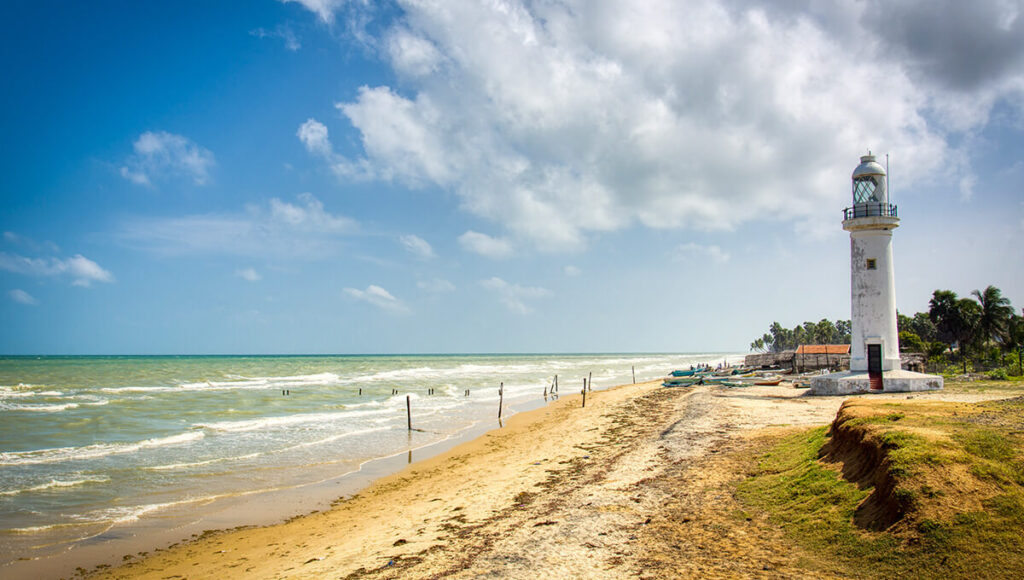
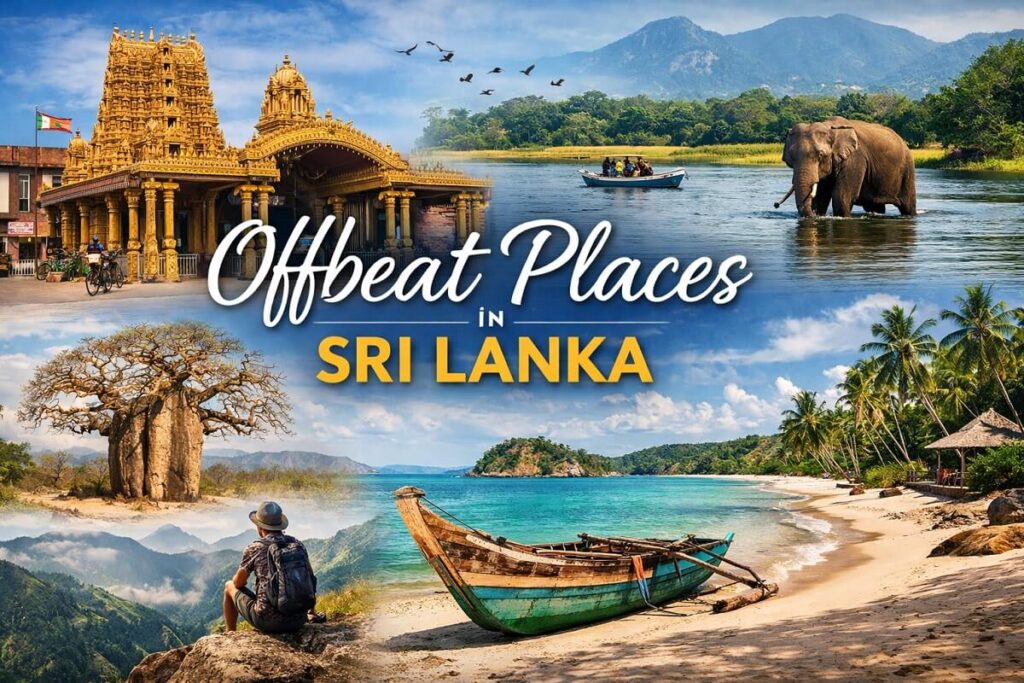
Why it’s offbeat: Mannar is quiet, windswept, and beautiful in a stark way. Think empty beaches, old churches, birdlife, and baobab trees that look like they belong in Africa.
Best time: December to March is best for calmer conditions.
How to reach: Drive from Anuradhapura or Colombo. Public transport exists, but a car/driver makes it much easier.
Top things to do:
- Visit the Mannar Baobab Tree (a must-see oddity).
- Explore Adam’s Bridge viewpoint areas (season and access vary).
- Birdwatching during migratory season.
- Photograph coastal landscapes, salt pans, and fishing villages.
Where to stay: A few small hotels and guesthouses; keep expectations simple.
Local tip: Mannar is for travelers who love open skies and quiet. Pack sun protection and water.
3) Kalpitiya
Why it’s offbeat: Kalpitiya offers marine life and lagoon adventures without the heavy tourism of the south coast.
Best time:
- Dolphins: often best November to April (season can vary)
- Kitesurfing: windy seasons are popular, often May–October and December–March depending on conditions
How to reach: About 3–4 hours from Colombo by road.
Top things to do:
- Early-morning dolphin watching (choose ethical operators).
- Kitesurfing lessons or downwind rides.
- Kayak through the lagoon and mangroves.
- Explore quiet sandbars and beaches.
Where to stay: Eco-lodges, kite camps, and small resorts.
Local tip: Ask operators about responsible wildlife viewing (distance, engine idling, group size). It matters.
4) Knuckles Mountain Range
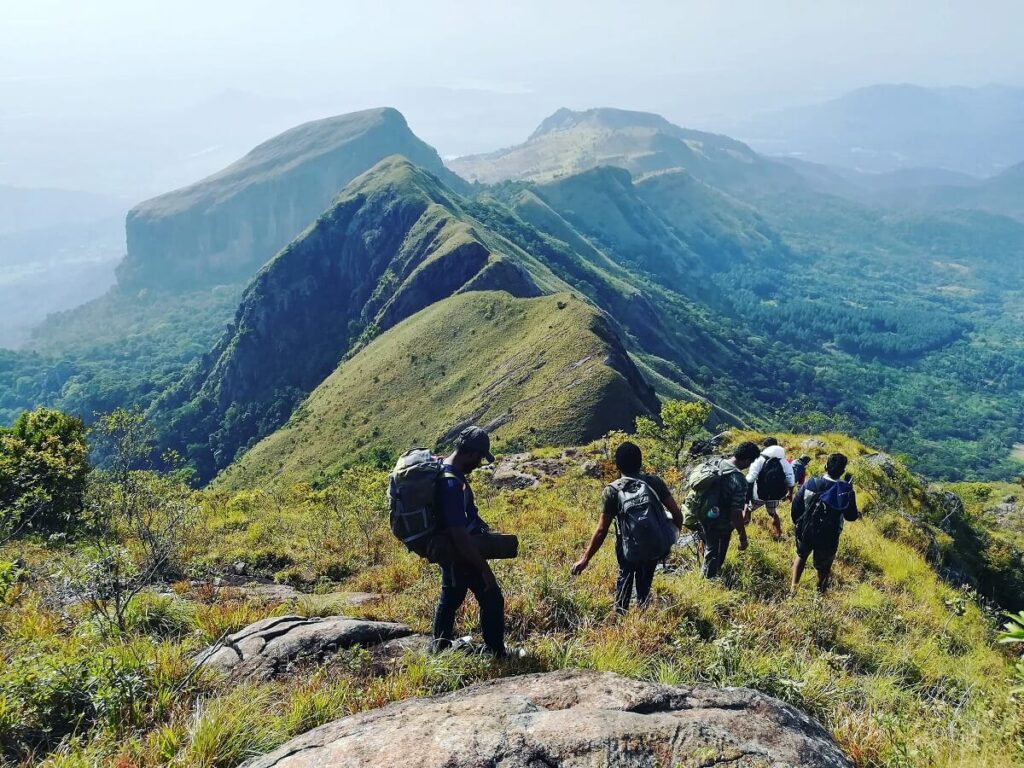
Why it’s offbeat: The Knuckles are raw and green, with cloud forests, ridges, waterfalls, and villages where time slows down. It’s one of the best offbeat places in Sri Lanka for trekking.
Best time: Generally December to April for clearer trails; conditions vary, and rain can happen anytime.
How to reach: Around 2–4 hours from Kandy (depends on where you enter). Best with a driver.
Top things to do:
- Guided hikes (highly recommended) to viewpoints and waterfalls.
- Village walks and nature trails through cardamom and tea patches.
- Swim in safe natural pools (ask locals about currents/levels).
- Birdwatching and photography in the early morning mist.
Where to stay: Simple eco-lodges, homestays, and trekking camps.
Local tip: Go with a guide. Trails can be confusing, weather changes fast, and leeches appear after rain.
Sri Lanka Travel Packages
- 7 Days Sri Lanka Holiday Package
- Sri Lanka Trip Itinerary for 5 Days
- Sri Lanka 6 Days Travel Package
- Sri Lanka Tour Plan for 8 Days
- 10 Days Sri Lanka Travel Itinerary
5) Meemure
Why it’s offbeat: Meemure feels truly remote: limited signal, rugged roads, and a village surrounded by mountains and forests. If you want “disconnect to reconnect,” this is it.
Best time: Drier months are easier for road access; avoid heavy rain periods if you can.
How to reach: Usually via Kandy/Matale region with a 4WD for the final stretch.
Top things to do:
- Swim in rivers and small falls (season-dependent).
- Short hikes to viewpoints.
- Campfires, village meals, and quiet stargazing.
- Learn about rural life and traditional cooking.
Where to stay: Homestays and simple village guesthouses.
Local tip: Bring essentials: snacks, torch, power bank, and cash. It’s not a place for last-minute shopping.
6) Gal Oya National Park
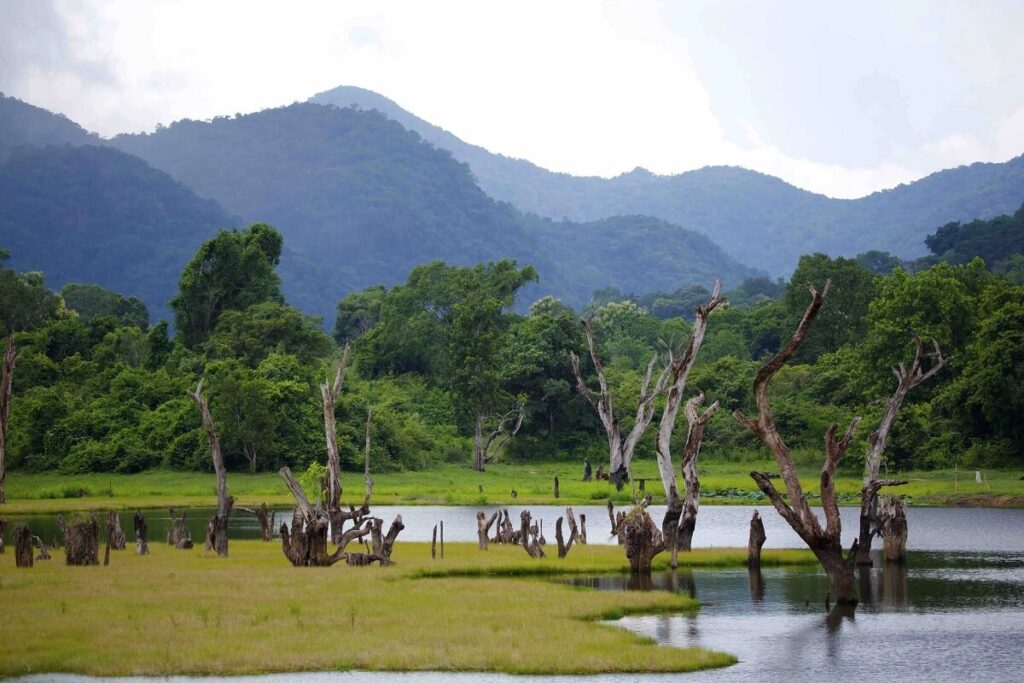
Why it’s offbeat: Most visitors go to Yala or Udawalawe. Gal Oya is different because you can do boat safaris, sometimes spotting elephants swimming between islands.
Best time: Dry season periods are best for wildlife viewing; local operators can advise based on current water levels.
How to reach: Often from Kandy, Ella, or the east coast. It’s remote, so plan at least 2 nights.
Top things to do:
- Boat safari on the reservoir (iconic experience).
- Jeep safari for elephants, deer, birds, and more.
- Visit nearby indigenous community experiences (choose respectful, community-led options).
Where to stay: Eco-lodges and nature camps.
Local tip: Gal Oya is perfect if you want a wildlife experience that feels quieter and more intimate.
7) Madulsima
Why it’s offbeat: Madulsima is a peaceful hill-country pocket with dramatic cliff views, often compared to Horton Plains’ World’s End, but far less visited.
Best time: Early mornings are best for clear views; the area can be misty later.
How to reach: From Ella or Badulla by road.
Top things to do:
- Sunrise hike to viewpoints (clouds often roll in quickly).
- Waterfall visits and countryside walks.
- Tea estate scenery and quiet roads for photography.
Where to stay: Small guesthouses and nature stays.
Local tip: Start before sunrise. Even on clear days, visibility can vanish by mid-morning.
8) Haputale’s Lesser-Known Side
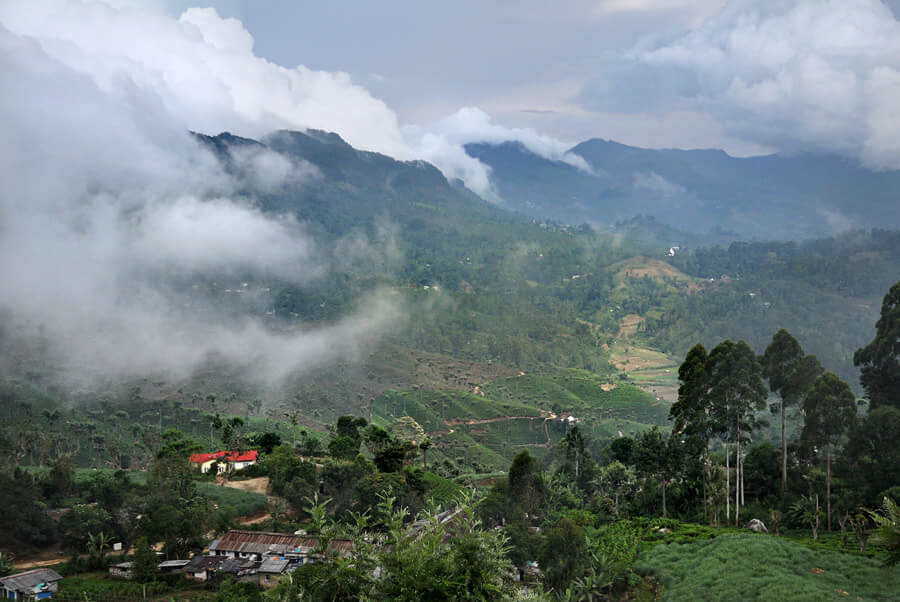
Why it’s offbeat: Ella is popular for good reason, but the area around Haputale offers equally stunning landscapes with fewer people. Idalgashinna is a standout for ridge views.
Best time: Clearer mornings; avoid peak monsoon spells.
How to reach: Train to Haputale is scenic. Then use tuk-tuk or driver to reach viewpoints.
Top things to do:
- Visit Idalgashinna viewpoint for wide valley views.
- Walk tea trails and visit local tea factories (small, low-key ones).
- Explore lesser-known waterfalls and village roads.
Where to stay: Haputale guesthouses, boutique tea bungalows.
Local tip: Pack a light jacket. It gets cool and windy on ridges.
9) Nilaveli and Pigeon Island
Why it’s offbeat: Many travelers skip the east coast. Nilaveli gives you wide beaches and a relaxed feel, plus the marine beauty of Pigeon Island nearby.
Best time: May to September is typically best for the east coast.
How to reach: From Trincomalee (Nilaveli is a short drive away). Trinco is reachable by road/train from Colombo.
Top things to do:
- Snorkel at Pigeon Island (go early).
- Beach time with fewer crowds than the south.
- Visit Trincomalee’s Koneswaram Temple and viewpoints.
- Try fresh seafood and simple beach cafés.
Where to stay: Beach hotels and guesthouses, especially around Nilaveli.
Local tip: Bring reef-safe sunscreen and consider water shoes for rocky coral areas.
10) Panama and Kudumbigala
Why it’s offbeat: Arugam Bay is famous for surfing. Nearby Panama and Kudumbigala Monastery area feels wild, spiritual, and untouristed.
Best time: May to September for the east coast.
How to reach: From Arugam Bay by road (tuk-tuk/driver).
Top things to do:
- Hike to Kudumbigala for panoramic views and a peaceful monastic setting.
- Explore quiet beaches and lagoons.
- Spot birds and wildlife in surrounding forest areas.
Where to stay: Simple stays in Panama village or as day trips from Arugam Bay.
Local tip: Go respectfully. Dress modestly near monastic sites and keep noise low.
11) Tangalle’s Secret Corners
Why it’s offbeat: Even though Tangalle is known, many travelers stick to one or two beaches and leave. The area has hidden coves, low-key lagoons, and quieter stays compared to the busier south-west.
Best time: December to April for the south coast.
How to reach: From Colombo/Galle/Matara by road.
Top things to do:
- Beach-hop early morning for empty sands.
- Visit nearby lagoons for kayaking and birdwatching.
- Explore coastal temples and simple seafood shacks.
- Take a day trip inland to small villages and countryside.
Where to stay: Boutique beach villas, quiet guesthouses.
Local tip: Ask locals which beaches are safest for swimming. Some stretches have strong currents.
12) Hiriketiya Alternatives
Why it’s offbeat: Hiriketiya became popular. Nearby beaches like Talalla (and other small bays in the area) can still feel laid-back, especially on weekdays.
Best time: December to April
How to reach: From Matara/Tangalle by road.
Top things to do:
- Swim in calmer bays (conditions vary by beach).
- Yoga and slow mornings if that’s your style.
- Scooter rides through coconut groves.
- Sunset walks without crowds.
Where to stay: Guesthouses, beach hotels, yoga stays.
Local tip: If you want quiet, stay a little away from the “main” beach strips and use a scooter to explore.
Suggested Itineraries:
10 days: Offbeat Hill Country + East Coast
- Day 1–2: Kandy (base for Knuckles day hike)
- Day 3–4: Knuckles / Meemure (overnight in nature)
- Day 5: Haputale (tea trails)
- Day 6: Madulsima sunrise
- Day 7–9: Trincomalee / Nilaveli
- Day 10: Return to Colombo (or fly out)
12–14 days: North + Hidden Coast + Wildlife
- Day 1: Colombo → Anuradhapura (stop)
- Day 2–4: Jaffna + island day trip
- Day 5: Mannar
- Day 6–7: Kalpitiya
- Day 8–10: Gal Oya (boat safari + jeep safari)
- Day 11–14: East coast beach days (Nilaveli / Arugam area)
2 weeks: One “big” offbeat loop (balanced)
- North (Jaffna) OR Hill wilderness (Knuckles/Meemure)
- Wildlife (Gal Oya)
- One coast (east in summer, south in winter)
Trying to do both coasts plus deep inland plus north in 14 days can feel rushed, so choose your priority.
Where to Stay in Offbeat Sri Lanka (What to Expect)
Offbeat regions often mean:
- Smaller rooms, simpler bathrooms, occasional power cuts
- Home-cooked meals instead of big restaurant menus
- Warmer hospitality, more conversation, and better local insight
Tip: In remote areas, book stays that provide meals (half board/full board). Options nearby may be limited.
Food to Try Along These Routes
- Jaffna crab curry and Jaffna-style vegetarian meals
- Fresh lagoon seafood around Kalpitiya
- Hill-country snacks: short eats, roti, and hot sweet tea
- East coast: grilled fish, prawn curry, and seasonal fruit
Tip: In rural areas, tell your host if you prefer mild spice. They’ll usually adjust.
Safety + Practical Tips (Especially for Remote Spots)
- Cash: ATMs can be limited outside towns.
- Connectivity: Expect weak signal in Meemure/Knuckles areas.
- Leeches: Common in wet forest hikes. Wear leech socks or long socks.
- Ocean safety: Many Sri Lankan beaches have strong currents. Swim only where locals confirm it’s safe.
- Respect temples: Cover shoulders/knees; remove shoes and hats.
Final Thoughts: Why Offbeat Sri Lanka Matters
Exploring offbeat places in Sri Lanka is not about avoiding popular destinations. It’s about balance. These quieter corners reveal how deeply varied the island truly is, culturally, geographically, and emotionally.
Traveling beyond the usual route supports local communities, protects fragile environments, and offers experiences that feel personal rather than packaged. Whether you are drawn to mountain silence, coastal solitude, or cultural depth, Sri Lanka’s hidden places reward curiosity.
If you travel slowly, listen closely, and stay open, these offbeat destinations will show you a side of Sri Lanka that stays with you long after the journey ends.
You May Also Like:
- Dambulla Cave Temple Sri Lanka: How to Visit and What to See
- Best Tourist Places to Visit in Galle, Sri Lanka
- Best Places to Visit in Sri Lanka in May 2026
- Sri Lanka Travel in June 2026: Best Places to Explore
- Top Places to Visit in Sri Lanka in July 2026
- Yala National Park Sri Lanka: Safari Timings, Entry Fees & Tips
- Goa vs Sri Lanka: Which Is Better for Your Vacation?
- Best Places to Visit in Sri Lanka in March 2026
- Sri Lanka in February 2026: Best Destinations to Visit
- Places to Visit in Sri Lanka in January 2027
- Best Wildlife Destinations in Sri Lanka
- Famous Hill Stations in Sri Lanka to Visit
- Famous Temples in Jaffna, Northern Sri Lanka
FAQs: Offbeat Places in Sri Lanka
1) What are the best offbeat places in Sri Lanka for first-time visitors?
If it’s your first trip and you want hidden gems without going too remote, try Kalpitiya, Haputale (Idalgashinna area), Nilaveli, and a short Knuckles hike from Kandy.
2) Is Jaffna safe for tourists and worth visiting?
Yes, most travelers find Jaffna welcoming and safe, and it’s absolutely worth visiting for culture, food, and island day trips. As always, travel respectfully and follow local advice.
3) Which is better for a quiet wildlife experience: Gal Oya or Yala?
Yala is famous and often busier. Gal Oya is quieter and unique because of boat safaris. If you want fewer crowds and a different style of wildlife viewing, Gal Oya is a great choice.
4) When is the best time to visit the east coast of Sri Lanka?
The east coast is usually best around May to September, when seas are calmer and beach days are easier.
5) Can I do offbeat Sri Lanka without hiring a driver?
Yes, but it takes more time. Trains and buses work well for major towns, but remote places like Meemure, parts of Knuckles, and Gal Oya are much easier with a driver.
6) Are these offbeat places suitable for families?
Many are, especially Nilaveli, Haputale, and calmer beach areas near Tangalle. For Meemure and Knuckles hikes, choose shorter trails and stay in comfortable eco-lodges.
7) How many days do I need for an offbeat Sri Lanka itinerary?
A good starting point is 10–14 days. With 7 days, pick one region (hill country or east coast) plus one offbeat add-on like Kalpitiya.
8) What should I pack for offbeat travel in Sri Lanka?
Light rain jacket, sturdy walking shoes, sunscreen, insect repellent, a small first-aid kit, and a power bank. Add a light sweater for the hills.
9) Are offbeat beaches safe for swimming in Sri Lanka?
Some are, some aren’t. Always ask locals or your host about currents. Swim in calmer bays and avoid rough surf zones.
10) What are the most underrated places in Sri Lanka for nature lovers?
Knuckles Mountain Range, Meemure, Gal Oya, and the Panama/Kudumbigala area are excellent for nature, hikes, and a quieter feel.