
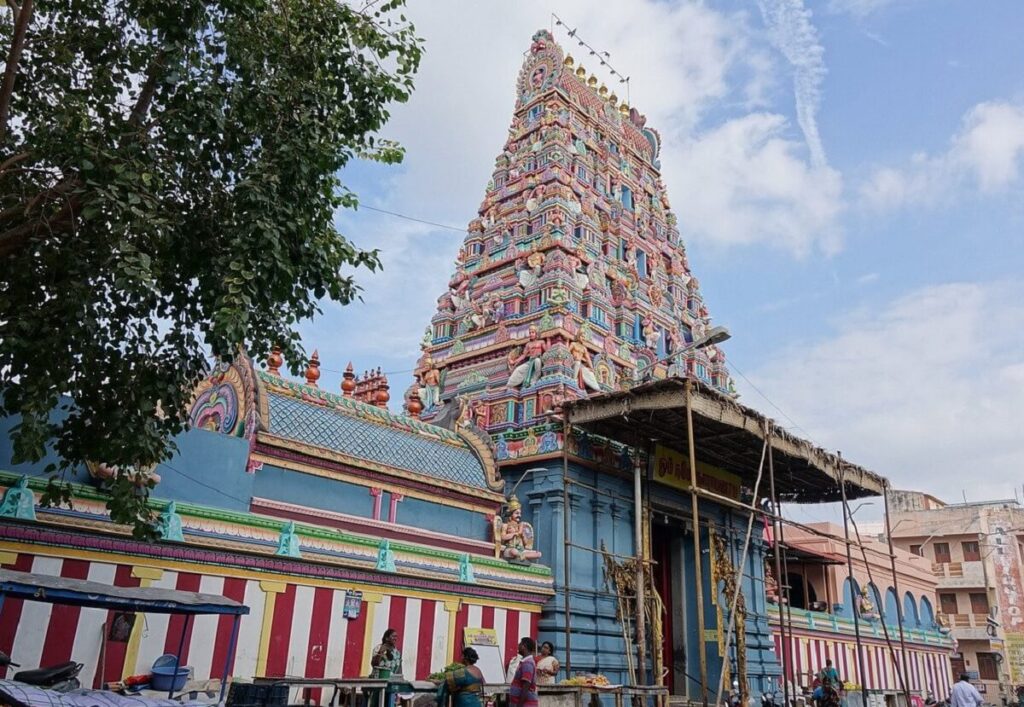
The Varadaraja Perumal Temple is one of the oldest and most spiritually important Hindu temples in Puducherry. Tucked within the historic Tamil quarter of the city, this sacred shrine stands in quiet contrast to Puducherry’s French-era boulevards and coastal cafés. Dedicated to Lord Vishnu in his Varadaraja form, the temple reflects centuries of Vaishnavite devotion, South Indian temple architecture, and living ritual tradition.
For travelers seeking more than beaches and colonial charm, Varadaraja Perumal Temple offers a deep cultural and spiritual experience. This guide covers everything you need to know: history, architecture, rituals, timings, how to reach, nearby attractions, and practical travel tips.
Why Varadaraja Perumal Temple Matters
Puducherry is often associated with French heritage, seaside promenades, and spiritual retreats like Auroville. Yet long before colonial rule, this region was a thriving center of Tamil culture and Hindu worship. Varadaraja Perumal Temple is one of the strongest reminders of that legacy.
Still active today, the temple is not a monument frozen in time. It is a place of daily prayer, festivals, and community life. Locals visit for blessings related to prosperity, family well-being, and spiritual balance, while travelers come to understand Puducherry beyond its surface image.
History of Varadaraja Perumal Temple:
Origins and Early Construction
The origins of Varadaraja Perumal Temple date back to around the 11th century CE. It is believed to have been built during the later Chola period and expanded under Pandya patronage. These dynasties were renowned for constructing Vishnu temples across Tamil Nadu, emphasizing both architectural beauty and ritual precision.
At the time of its construction, the area around present-day Puducherry was part of a larger Tamil cultural region, deeply connected with temple towns like Kanchipuram and Chidambaram.
Survival Through Changing Eras
Over the centuries, Puducherry witnessed invasions, political shifts, and eventually European colonial rule. Many temples across South India suffered damage or neglect during these periods. Varadaraja Perumal Temple survived largely intact, continuing its rituals even as the city transformed around it.
Today, it stands as one of the oldest surviving Hindu temples in Puducherry and a symbol of uninterrupted Vaishnavite tradition.
Religious Significance and Deities:
Lord Varadaraja Perumal
The presiding deity is Lord Vishnu in the form of Varadaraja Perumal, meaning “the king who grants boons”. Devotees believe that sincere prayers offered here bring clarity, stability, and blessings related to life decisions and prosperity.
The deity is enshrined in a standing posture, a common feature in Vaishnavite temples, symbolizing protection and grace.
Goddess Perundevi Thayar
Alongside Vishnu is Goddess Lakshmi, worshipped here as Perundevi Thayar. She represents compassion, abundance, and harmony. Devotees traditionally offer prayers to her before approaching the main sanctum, seeking balance and grace.
Architecture and Temple Layout:
Dravidian Architectural Style
Varadaraja Perumal Temple follows classical Dravidian architecture, marked by symmetry, stone craftsmanship, and ritual-focused design.
Key architectural features include:
- A tall, multi-tiered rajagopuram (gateway tower)
- Granite outer walls enclosing the temple complex
- Pillared halls used for festivals and gatherings
- Clearly defined sanctum, inner corridors, and subsidiary shrines
Artistic Details
Inside the temple, you will find traditional sculptures depicting Vaishnavite themes, celestial beings, and mythological scenes. Though not overly ornate compared to major temple towns, the simplicity of design adds to the temple’s spiritual calm.
South India Travel Packages:
- 4 Days Pondicherry Itinerary from Chennai
- 6 Days Tirupati Kanchipuram Pondicherry Tour
- 9 Nights 10 Days South India Itinerary
- 14 Days South India Tour Package
- 12 Days South India Temple Tour
Daily Rituals and Worship Practices:
The temple follows the Pancharatra Agama tradition, a system of worship specific to Vaishnavite temples.
Daily Poojas
Typical daily rituals include:
- Morning pooja (Kalasanthi)
- Midday worship (Uchikalam)
- Evening pooja
- Night pooja before closing
Each ritual involves chanting of Vishnu mantras, offering of flowers, lamps, and prasadam.
Darshan Experience
Darshan at Varadaraja Perumal Temple is calm and unhurried on most days. Unlike larger pilgrimage centers, crowds are manageable, allowing visitors time for quiet reflection.
Major Festivals Celebrated Here:
Festivals bring the temple to life with processions, decorations, and community participation.
1. Brahmotsavam
The most important annual festival, usually held during April or May. The deity is taken out in grand processions on different vahanas (divine vehicles), drawing devotees from across Puducherry and nearby towns.
2. Vaikunta Ekadasi
A major Vaishnavite festival symbolizing liberation and spiritual renewal. Special prayers and rituals are performed, and the temple opens early.
3. Pavitrotsavam
A ritual purification festival held once a year to symbolically cleanse and renew the sanctity of temple worship.
Visiting during festivals offers a vibrant cultural experience, though it also means larger crowds.
Temple Timings and Entry Information:
Opening Hours
- Morning: 6:00 AM to 12:00 PM
- Evening: 4:00 PM to 9:00 PM
Timings may vary slightly on festival days.
Entry Fees
- Entry: Free
- Special poojas: Optional donations as per temple customs
Time Required
Most visitors spend about 45 minutes to 1.5 hours inside the temple, depending on interest in rituals and architecture.
Best Time to Visit Varadaraja Perumal Temple:
Time of Day
Early morning or evening hours are ideal. Mornings offer a peaceful atmosphere, while evenings bring lamps, chants, and devotional energy.
Best Season
October to March is the most comfortable period weather-wise. Summers can be hot and humid, especially during midday.
Festival periods are ideal for cultural immersion but may feel crowded for those seeking quiet.
How to Reach Varadaraja Perumal Temple:
Varadaraja Perumal Temple is centrally located in Puducherry, making it easy to access regardless of how you arrive in the city. Local transport is readily available, and distances within Puducherry are short.
By Road
Puducherry has good road connectivity with major towns and cities in Tamil Nadu.
- From Chennai: Puducherry is around 135 km from Chennai. The most common route is via the East Coast Road (ECR), which is scenic and well maintained. The drive usually takes 3 to 4 hours, depending on traffic.
- From Villupuram: Villupuram is the nearest major junction, about 40 km away, and acts as a gateway for travelers coming by train or bus from other parts of Tamil Nadu.
- From Cuddalore: Puducherry is about 25 km from Cuddalore and can be reached easily by state buses or private taxis.
Within Puducherry, auto-rickshaws and taxis are the most convenient options. The temple is well known locally, so you can simply ask for “Varadaraja Perumal Temple” and be dropped close to the entrance.
By Train
The nearest railhead is Puducherry Railway Station, located approximately 2 to 3 km from Varadaraja Perumal Temple.
- Puducherry Railway Station is connected to Chennai, Villupuram, and other major towns through regular passenger and express trains.
- From the station, auto-rickshaws and taxis are available right outside the exit.
- The travel time from the railway station to the temple is usually 10 to 15 minutes.
For travelers coming from distant cities, it is common to take a train up to Villupuram and then continue to Puducherry by road.
By Air
The nearest major airport is Chennai International Airport, located about 135 km from Puducherry.
- Chennai Airport is well connected to major Indian cities and international destinations.
- From the airport, you can hire a taxi directly to Puducherry or take a bus to the city.
- The journey from Chennai Airport to Puducherry typically takes 3.5 to 4 hours by road.
Puducherry also has a small local airport with limited regional connectivity, but most travelers prefer Chennai for better flight options.
Nearby Attractions to Explore:
A visit to Varadaraja Perumal Temple can be easily combined with other spiritual, cultural, and heritage attractions in Puducherry, all located within a short distance.
1. Manakula Vinayagar Temple
Located near the White Town area, Manakula Vinayagar Temple is one of the most visited Hindu temples in Puducherry.
- Dedicated to Lord Ganesha
- Known for its colorful gopuram and lively atmosphere
- Daily rituals and blessings attract both locals and visitors
This temple pairs well with Varadaraja Perumal Temple for those interested in Hindu spirituality.
2. Sri Aurobindo Ashram
Sri Aurobindo Ashram is one of Puducherry’s most important spiritual centers.
- Focuses on inner growth, meditation, and philosophy
- Known for its calm and disciplined environment
- Visitors are expected to maintain silence and decorum
It offers a contrasting yet complementary experience to traditional temple worship.
3. White Town
White Town is the historic French quarter of Puducherry.
- Characterized by colonial-era buildings and wide boulevards
- Home to cafés, galleries, and heritage homes
- Ideal for walking tours and relaxed exploration
It is a good place to explore after visiting the temple.
4. Rock Beach
Also known as the Promenade Beach, Rock Beach is perfect for unwinding in the evening.
- Located along the Bay of Bengal
- Popular for sunset walks and sea views
- Street food and local activity add to the experience
Many visitors end their day here after temple visits.
Practical Travel Tips for Visitors:
Keeping a few practical points in mind will help you have a respectful and comfortable visit to Varadaraja Perumal Temple.
- Dress modestly. Clothing that covers shoulders and knees is recommended.
- Footwear must be removed before entering the temple premises.
- Maintain silence or speak softly, especially near the sanctum.
- Photography may not be allowed inside inner areas of the temple.
- Avoid visiting during peak afternoon hours in summer due to heat and humidity.
- Early mornings and evenings are the most pleasant times for darshan.
- Combine this visit with nearby temples and heritage sites to make efficient use of your day.
Who Should Visit Varadaraja Perumal Temple?
Varadaraja Perumal Temple appeals to a wide range of travelers and visitors.
- Spiritual travelers interested in Vaishnavism and Vishnu temples
- Cultural explorers seeking authentic Tamil heritage in Puducherry
- Architecture and history enthusiasts interested in ancient South Indian temples
- Travelers who want to explore Puducherry beyond its colonial identity
- Families looking for a calm, meaningful, and respectful temple experience
Conclusion
Varadaraja Perumal Temple is more than a religious site. It is a living chapter of Puducherry’s ancient past, quietly continuing its traditions amid a modern, multicultural city. Its history, architecture, rituals, and peaceful atmosphere make it a must-visit for travelers who want to understand Puducherry at a deeper level.
Whether you come for devotion, cultural learning, or quiet reflection, a visit to Varadaraja Perumal Temple adds depth and meaning to your journey through South India.
Suggested Articles:
- Top 15 Things to Do in Pondicherry
- How to Reach Pondicherry: Best Routes and Travel Tips
- Shopping in Pondicherry: Best Markets and What to Buy
- Famous Temples in Pondicherry You Must Visit
- Places to Visit Near Pondicherry Within 100 km
- Best Beaches to Visit in Pondicherry
- Best Restaurants in Pondicherry for Local and Global Food
- Popular Cafés in Pondicherry You Should Try
- Historical Places to Visit in Pondicherry
- Top Museums to Visit in Pondicherry
- Best Time to Visit Pondicherry: Weather and Travel Guide
- Top Tourist Places to See in Pondicherry
- Chunnambar Boat House Pondicherry: Tickets, Timings & Tips
