
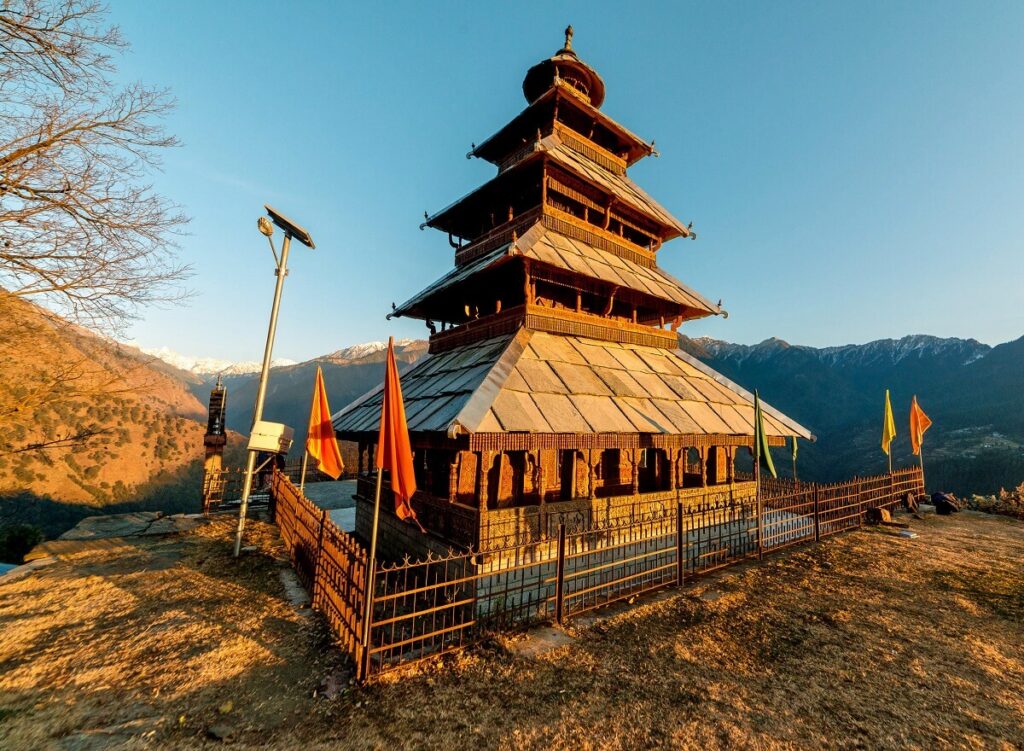
Old Manali has a charm that feels different from the busy streets of Mall Road. Wooden houses, quiet lanes, apple orchards, cafés, Himalayan winds, and a slow rhythm make it a favorite corner for travelers. At the heart of this peaceful neighborhood stands the Manu Temple, one of the most culturally significant places in Himachal Pradesh.
Dedicated to Sage Manu, the mythological father of humankind, this temple is believed to be the only shrine in the world honoring him. Over time, it has transformed from a humble village temple into a spiritual landmark attracting pilgrims, backpackers, cultural explorers, and nature lovers.
This detailed article takes you through everything you need to know — history, architecture, timings, rituals, how to reach, what to expect, what to do nearby, best time to visit, and essential travel tips.
1. Why Manu Temple Matters
Walking up the narrow stone path that leads to Manu Temple feels like stepping into a different era. The sounds of vehicles fade, replaced by birds, temple bells, and rustling pine trees. The temple sits on a hilltop of Old Manali, offering a peaceful setting far from the commercial buzz.
What makes the visit meaningful is not just the temple itself, but the idea behind it. According to ancient tradition, Sage Manu is believed to have survived a great flood and recreated human life on Earth. Old texts describe this spot as the place where he meditated and lived. Even today, locals refer to Manali as “Manualaya,” meaning the abode of Manu.
People don’t visit the temple for grandeur; they visit for the atmosphere — peaceful, spiritual, and deeply rooted in local culture.
2. History & Mythology of Manu Temple
2.1 Who Was Sage Manu?
Sage Manu, or Vaivasvata Manu, is considered:
- The first man in Hindu tradition
- The author of Manusmriti
- The law-giver and protector of life
- The survivor of the mythical deluge (similar to the story of Noah)
Many believe that humankind began anew through him. Because of this, Manu holds a place of great respect across Indian philosophy and mythology.
2.2 The Legend of Old Manali
The legend says that:
- After the great flood, Manu’s boat landed in the Kullu Valley.
- He meditated at the spot where today’s temple stands.
- Villagers later built a shrine in his honor.
- Over centuries, the structure evolved while retaining its simple Himalayan character.
This makes Manu Temple not just a religious site but a symbolic marker of the origins of mankind.
3. Architecture & Atmosphere
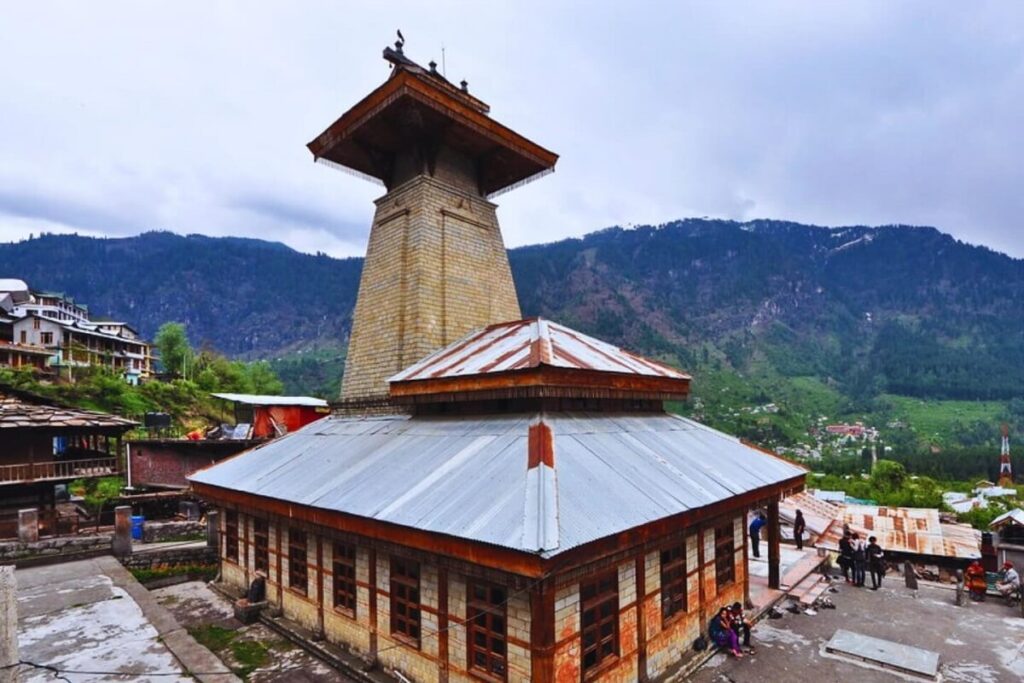
The temple follows typical Himachali wooden-stone architectural style:
- A pagoda-style tiered roof
- Hand-carved wooden panels
- Stone foundations that blend with the hill
- A peaceful courtyard surrounded by Deodar and Pine trees
Inside, the ambience is modest. There are no gold-plated decorations or large halls — only a serene sanctum, local priests, and the smell of incense.
The beauty of the place lies in its simplicity, not extravagance.
4. Timings, Entry Fee & Visitor Guidelines
4.1 Temple Timings
- Open daily: 6:00 AM – 5:00 PM
Early mornings are especially peaceful and great for photography around the temple’s exterior.
4.2 Dress Code
The temple follows local customs:
- Wear modest clothes (shoulders & knees covered).
- Remove footwear before entering the sanctum.
- Photography inside the temple is not allowed.
4.3 Best Days & Peak Times
- Weekdays are calmer.
- Sundays, holidays, and peak tourist months (May–June and Dec–Jan) attract higher footfall.
- Monsoon season sees fewer tourists due to slippery paths.
Popular Manali Tour Packages:
- 5 Days Manali Honeymoon Trip
- 4 Days Manali Tour from Delhi
- 6 Days Shimla Manali Package
- 8 Days Himachal Tour with Manali, Dharamshala & Dalhousie
- 7 Days Shimla Manali Dharamshala Package
5. How to Reach Manu Temple (Step-by-Step Guide)
The temple is located in Old Manali, about 3 km from Manali’s Mall Road.
5.1 By Walking from Mall Road
This is the most common way:
- Duration: 25–40 minutes
- Route: Mall Road → Old Manali Bridge → Manu Temple Road
- Experience: Charming lanes, cafés, orchards, small shops
Perfect for backpackers and slow travelers.
5.2 By Taxi or Auto
Local taxis or auto-rickshaws take you close to the temple.
Keep in mind:
- Vehicles cannot reach the top.
- You must walk the last 10–15 minutes through narrow uphill lanes.
5.3 By Road from Delhi / Chandigarh
Most travelers reach Manali by bus or car:
- Delhi → Manali: 530 km
- Chandigarh → Manali: 290 km
- From Manali Bus Stand to Old Manali: Approx. 10 minutes by taxi
5.4 Nearest Airport
- Bhuntar Airport (Kullu-Manali Airport)
- Distance: 50–53 km
- Taxi travel time: 1.5–2 hours
5.5 Nearest Railway Station
- Joginder Nagar Railway Station, 165 km away
- Not convenient; most people prefer buses or private taxis from Chandigarh.
6. Things to Do at Manu Temple:
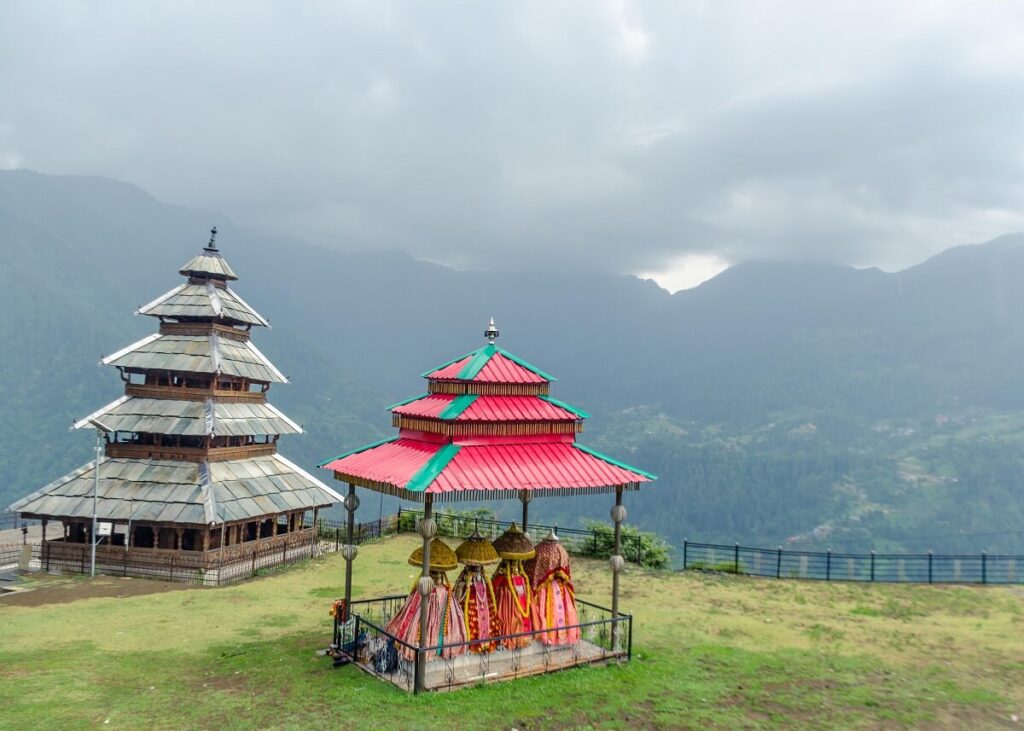
Though the temple visit itself may take 30–40 minutes, the surroundings offer plenty of experiences.
6.1 Explore the Temple & Learn Its Legends
Sit in the courtyard, observe rituals, or meditate for a few minutes. The spiritual energy here is calm, warm, and soothing.
6.2 Photography (Outside Only)
The exteriors and surrounding lanes offer great frames:
- Wooden houses
- Forested backdrop
- Traditional Himachali architecture
Morning light is ideal for photos.
6.3 Enjoy the Walk Through Old Manali
The journey is half the experience. On your way, you’ll pass:
- Cozy cafés
- Local homes
- Apple orchards
- Wooden bridges
- Handicraft shops
It is one of the most scenic village walks in Himachal.
6.4 Meditation & Quiet Reflection
If you visit early:
- The area is silent
- The air is crisp
- You get an uninterrupted spiritual experience
Many yoga retreats include this spot in their itineraries.
6.5 Try Local Food in Old Manali
After the temple visit:
- Stop at riverside cafés
- Enjoy Israeli platters, pancakes, Himalayan herbal teas, or Tibetan dishes
The food scene here is vibrant and diverse.
7. Nearby Attractions from Manu Temple:
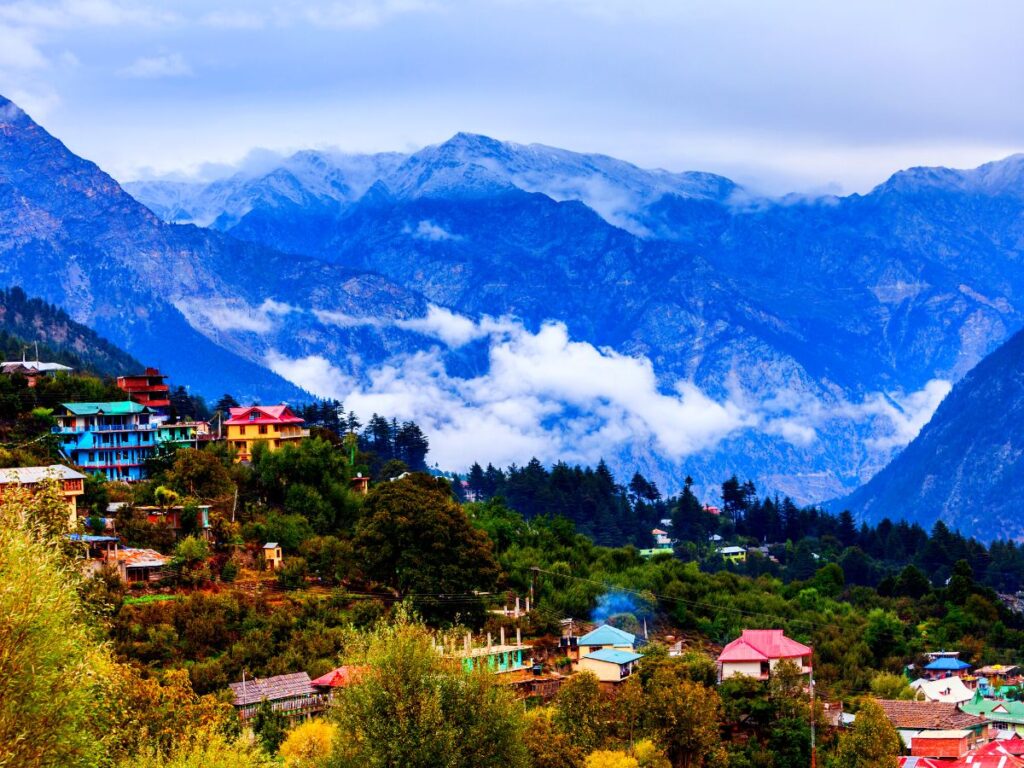
Manu Temple is surrounded by beautiful places, perfect for half-day or full-day itineraries.
7.1 Old Manali Village
Distance: 0 km (you are already inside Old Manali)
Expect:
- Rustic homes
- Apple gardens
- Yoga centers
- Boutique shops
- Music cafés
The vibe is relaxed and bohemian — ideal for long stays.
7.2 Manali Nature Park
Distance: 2 km
A peaceful forest walk filled with towering deodars.
Perfect for:
- Nature lovers
- Bird watchers
- Couples looking for a quiet stroll
7.3 Hidimba Devi Temple
Distance: 3 km
One of Manali’s oldest temples, known for:
- Its unique wooden architecture
- The surrounding cedar forest
- A rich mythological connection to the Mahabharata
A must-visit for first-time travelers.
7.4 Vashisht Hot Springs
Distance: 5 km
The village of Vashisht is known for:
- Natural hot water springs
- Ancient stone temples
- Spectacular views
The hot springs are especially popular in winter.
7.5 Mall Road, Manali
Distance: 3 km
Best for:
- Shopping woolens
- Handicrafts
- Local snacks
- Street photography
You can end your day here after visiting Manu Temple.
7.6 Jogini Waterfall
Distance: 4.5 km (trek)
A scenic trail that starts near Vashisht village.
Ideal for:
- Trekkers
- Photographers
- Adventure lovers
The waterfall is one of the prettiest in the region.
8. Best Time to Visit Manu Temple:
Summer (April – June)
- Pleasant weather
- Ideal for walking and exploration
- Clear views
Best season for most tourists.
Winter (October – February)
- Snow-covered landscapes
- Quiet atmosphere
- Crisp air
But pathways can be slippery, especially after snowfall.
Monsoon (July – September)
- Lush greenery
- Less crowd
However:
- Lanes become muddy
- Landslides are possible
- Not recommended for elderly travelers
9. Safety Tips & Travel Advice:
Here are practical suggestions that can improve your visit:
9.1 Wear Comfortable Shoes
The final stretch is uphill and uneven.
9.2 Avoid Large Vehicles
Narrow roads make parking difficult; use small cars or taxis.
9.3 Respect Local Customs
Dress modestly and maintain silence inside the temple.
9.4 Stay Hydrated
Carry your own bottle; facilities are minimal.
9.5 Travel Early
Mornings are peaceful and crowd-free.
9.6 Keep Cash Handy
Some local shops don’t accept digital payments.
9.7 Avoid Monsoon Visits
Road conditions may become challenging.
10. Itinerary for a Half-Day Visit:
6:00 AM – 6:30 AM
Walk or drive from Mall Road to Old Manali.
6:30 AM – 7:30 AM
Visit Manu Temple; sit for meditation.
7:30 AM – 8:30 AM
Walk around Old Manali village; enjoy morning views.
8:30 AM – 9:30 AM
Breakfast at a café — try Himalayan herbal tea or pancakes.
10:00 AM onward
Visit Hidimba Temple or Nature Park OR head to Vashisht for hot springs.
This itinerary fits well into a relaxed Manali holiday.
11. Why Manu Temple Should Be on Your Manali Itinerary
Here’s what makes it special:
- The only temple dedicated to Sage Manu
- A peaceful break from the busy areas
- Rich mythology and local culture
- Beautiful Himalayan surroundings
- Perfect for walking tours and photography
- Free entry and easy to reach
For spiritual travelers, culture lovers, and slow explorers, Manu Temple offers something deeper than sightseeing — a sense of connection to the valley’s ancient roots.
Conclusion
Manu Temple is more than just an attraction; it’s a serene space that captures the essence of Old Manali — simple, spiritual, natural, and beautifully calm. Whether you’re visiting for faith, culture, photography, or peaceful mountain vibes, the temple provides a unique experience you won’t find anywhere else.
Combine your visit with nearby cafés, walks, springs, and forests, and you’ll have one of the most memorable mornings of your Manali trip.
More Manali Travel Guides You’ll Love:
- Top Places to Visit in Manali – February 2026 Travel Guide
- Best Tourist Attractions & Sightseeing Spots in Manali
- Scenic Places to Explore Near Solang Valley
- Manali in October 2026 – Best Nearby Destinations to Visit
- Top Photography Spots in and Around Manali
- 10 Best Luxury Hotels in Manali for Honeymooners
- Manali in July 2026 – Weather, Places & Activities
- Romantic Honeymoon Places to Visit in Manali
- June 2026 in Manali – Top Tourist Places & Travel Tips
- Shimla–Manali 6 Days Trip Plan – Key Attractions
- Manali Honeymoon Ideas for March 2026
- When to See Snowfall in Manali – Best Time to Visit
- Most Famous Temples in and Around Manali
- Manali in May 2026 – Where to Go & What to Do
