

Mawsynram, a quaint village tucked away in the East Khasi Hills of Meghalaya, India, is known worldwide as the wettest place on Earth. Receiving an average of more than 11,800 millimeters of rainfall annually, it often competes with its neighbor Cherrapunji for this title. Yet beyond its rainfall records, Mawsynram is a treasure trove of lush landscapes, mystical caves, thundering waterfalls, and warm Khasi culture.
This complete travel guide takes you through the top 13 things to do in Mawsynram, along with practical tips on when to visit, how to get there, what to pack, and how to immerse yourself in the spirit of this rain-soaked wonderland. Whether you’re an adventure seeker, a nature lover, or someone looking for serene escapes, Mawsynram has something memorable to offer.
Why Visit Mawsynram?
Mawsynram is not just about rain statistics. The village offers an authentic experience of Meghalaya’s beauty, away from heavily commercialized tourist hubs. Here’s why it deserves a spot on your travel list:
- Unique climate: Rain here shapes daily life, agriculture, and architecture. Houses are designed with sloping roofs and thick walls to withstand the downpour.
- Pristine landscapes: Rolling green hills, valleys, and caves form a surreal backdrop throughout the year.
- Cultural insights: The Khasi people have adapted beautifully to the challenges of rain, and their traditions and hospitality are heartwarming.
- Adventure opportunities: Caving, trekking, and exploring root bridges make Mawsynram an outdoor playground.
If you’re ready to embrace nature in its rawest form, Mawsynram will stay etched in your memory long after you leave.
Best Time to Visit Mawsynram
Choosing the right season makes a big difference in your travel experience.
- October to February (Post-Monsoon to Winter): This is the most pleasant time to visit. The skies clear up, waterfalls remain full, and trails are less slippery. Temperatures range from 10–20°C.
- March to May (Spring-Summer): Days are warmer, but light showers continue. The landscape remains fresh and green, making it suitable for sightseeing.
- June to September (Monsoon): Rainfall is at its peak. While waterfalls roar to life, constant showers make trekking difficult and landslides are possible. If you love dramatic rain and don’t mind challenges, it can still be an unforgettable time.
Pro tip: Pack rain gear no matter when you visit — showers are unpredictable even in the drier months.
How to Reach Mawsynram
Reaching Mawsynram requires a bit of planning since it lies in a remote part of Meghalaya.
- By Air: The nearest airport is Shillong Airport (Umroi), around 86 km away. The more convenient option, however, is Guwahati Airport in Assam, about 150 km away, with better connectivity to major Indian cities.
- By Rail: Guwahati Railway Station is the closest major railhead. From there, you can hire a taxi or take a bus to Shillong and onward to Mawsynram.
- By Road: From Shillong, Mawsynram is about 60–70 km and takes roughly 2–3 hours by road. Shared jeeps and private taxis are available. Roads can get bumpy, especially during monsoon.
Hiring a local driver is advisable since they’re familiar with slippery hill routes and sudden weather changes.
Top 13 Things to Do in Mawsynram:
Here’s the detailed list of must-do experiences that bring out the essence of this extraordinary village.
1. Explore Mawjymbuin Cave
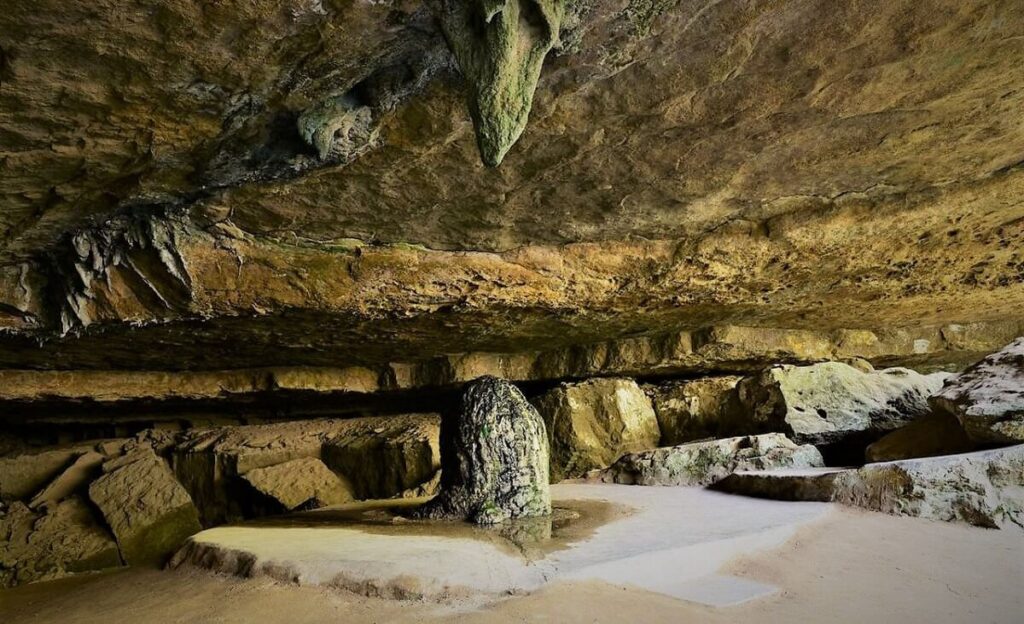
One of Mawsynram’s biggest attractions, Mawjymbuin Cave is a limestone wonder that combines natural artistry with spiritual significance. Inside the cave, you’ll find stalactites and stalagmites, the most famous being a rock formation resembling a Shivalinga, constantly dripping with water.
The cave is vast, with chambers echoing the sound of dripping water. Light filters through cracks, creating a mysterious atmosphere. It’s a blend of geology, adventure, and local faith.
Travel Tip: Wear sturdy shoes and carry a flashlight. The floors are damp and slippery.
2. Discover Krem Puri Cave
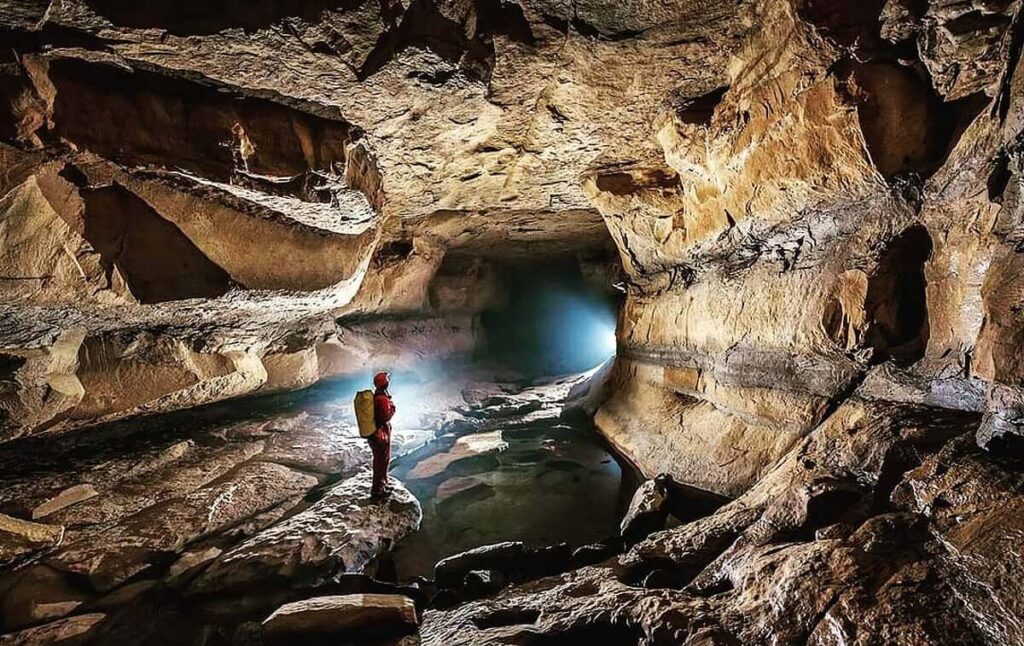
Krem Puri is said to be the longest sandstone cave in the world, stretching more than 24 km. The cave system is still being explored by speleologists, but sections are accessible with local guides. Inside, you’ll find narrow passages, fascinating rock patterns, and chambers that feel like an underground maze.
This is a thrilling activity for adventure enthusiasts, but not recommended for those uncomfortable in tight spaces.
Travel Tip: Go with a professional guide and proper gear, including helmets and headlights.
Meghalaya Trip Plans & Tour Itineraries
- Best 4 Day Meghalaya Itinerary – Shillong to Dawki & Mawlynnong
- 3 Nights Meghalaya Tour Itinerary – Shillong & Cherrapunji Highlights
- 5 Days Meghalaya Trip – Guwahati to Shillong Travel Itinerary
3. Take a Rainforest Trek
Mawsynram’s hills are cloaked in thick rainforests that feel almost primeval. Guided treks introduce you to unique flora like wild orchids, ferns, and moss-covered trees. The trails vary in difficulty, from easy village walks to challenging hikes across ridges.
Morning treks are especially magical, with mist swirling around the trees and sunlight breaking through.
Travel Tip: Carry insect repellent and wear quick-dry clothing.
4. Visit Khreng Khreng Viewpoint
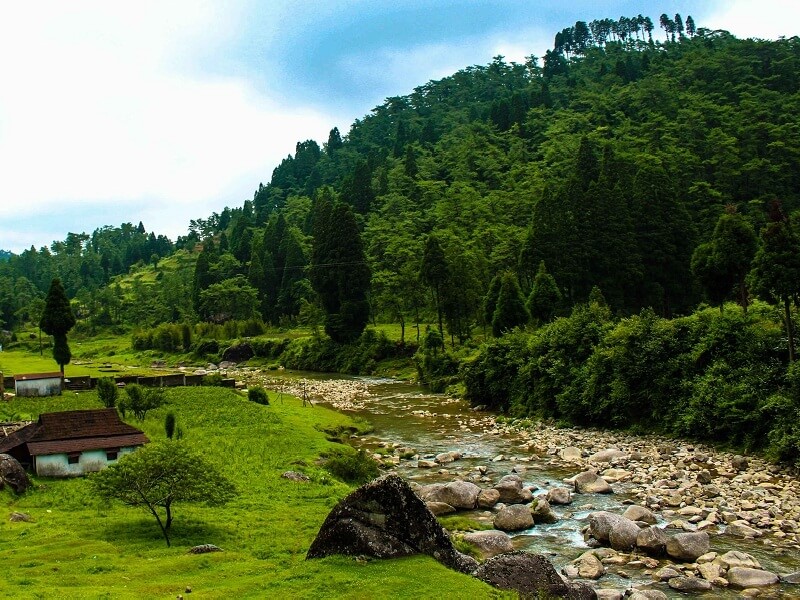
Khreng Khreng Viewpoint is one of the most rewarding stops for travelers in Mawsynram. Perched high in the East Khasi Hills, this natural balcony opens up a wide canvas of green valleys, rolling ridges, and scattered hamlets nestled among the hills. The viewpoint’s name translates loosely to “open space,” which perfectly reflects the feeling of standing there and watching the land stretch endlessly into the horizon.
On clear days, you can see far into the Khasi countryside, while on misty mornings, the scene takes on a dreamy, almost otherworldly quality. Clouds drift lazily across the valleys, sometimes enveloping you completely before parting to reveal breathtaking vistas. This spot is especially beautiful during sunrise and sunset, when the hills are painted in shades of orange, pink, and deep green.
Travel tip: Visit just after the rains when the skies clear for a while, as visibility improves and the views become even more dramatic. Bring a light jacket, as it can get chilly on windy days.
5. Experience Mawsmai Cave
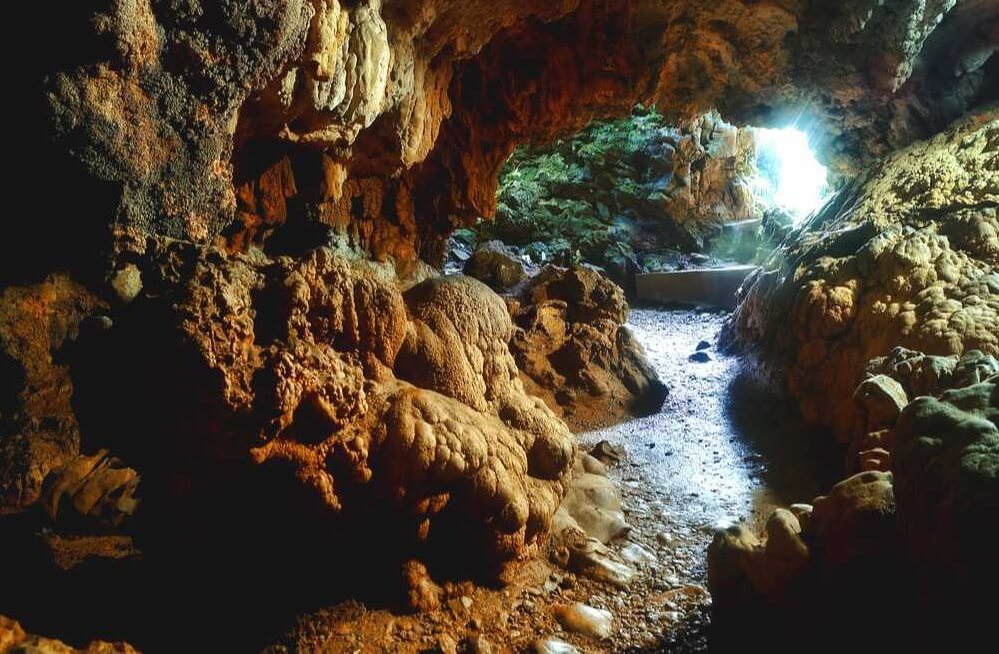
Although technically closer to Cherrapunji, Mawsmai Cave is a must for travelers exploring Mawsynram. Unlike some of the more challenging caves in the region, Mawsmai is relatively accessible and safe for families and first-time spelunkers. The cave is about 150 meters long, illuminated with artificial lights that highlight its spectacular limestone formations.
As you move through the narrow corridors, you’ll see stalactites and stalagmites that have been shaped over thousands of years by dripping water. Some of the formations resemble natural sculptures, and the entire atmosphere feels like a glimpse into a subterranean wonderland. Small underground streams add to the sense of adventure.
Travel tip: Wear comfortable shoes with good grip. The cave is damp and floors can be slippery. If you’re claustrophobic, note that some sections are tight and may require crouching.
6. Seven Sisters Falls (Nohsngithiang Falls)
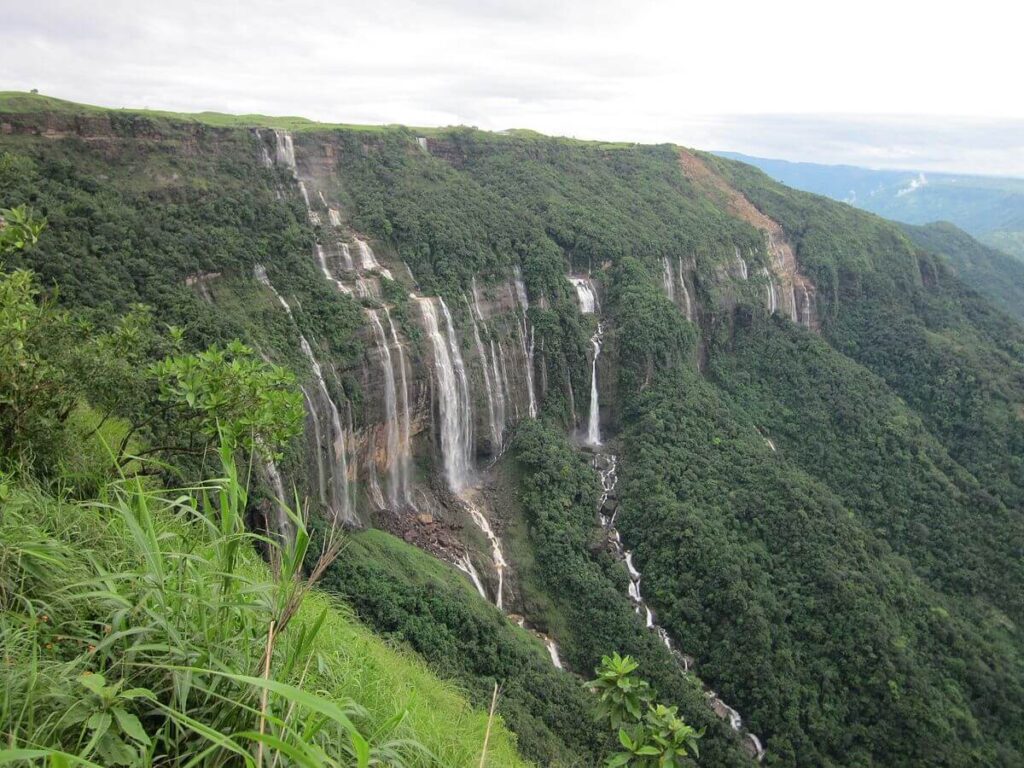
One of Meghalaya’s most famous waterfalls, the Seven Sisters Falls — also called Nohsngithiang Falls — is a sight to behold. This enormous waterfall cascades down from a height of 315 meters in seven distinct streams, symbolizing the seven northeastern states of India.
During the monsoon months, the falls are at their most dramatic, with water gushing over the cliffs and creating a misty spray that can be seen from afar. In the drier months, the streams thin out but still retain their beauty, cascading gracefully over the rocky face of the mountains. The cliffs themselves are made of limestone, which glows golden under the setting sun, creating an unforgettable view.
Travel tip: The best time to see the falls in full glory is between June and September, but for comfortable travel conditions, October is ideal. Carry a rain cover for your camera to capture the panoramic views without worry.
7. Marvel at Nohkalikai Falls
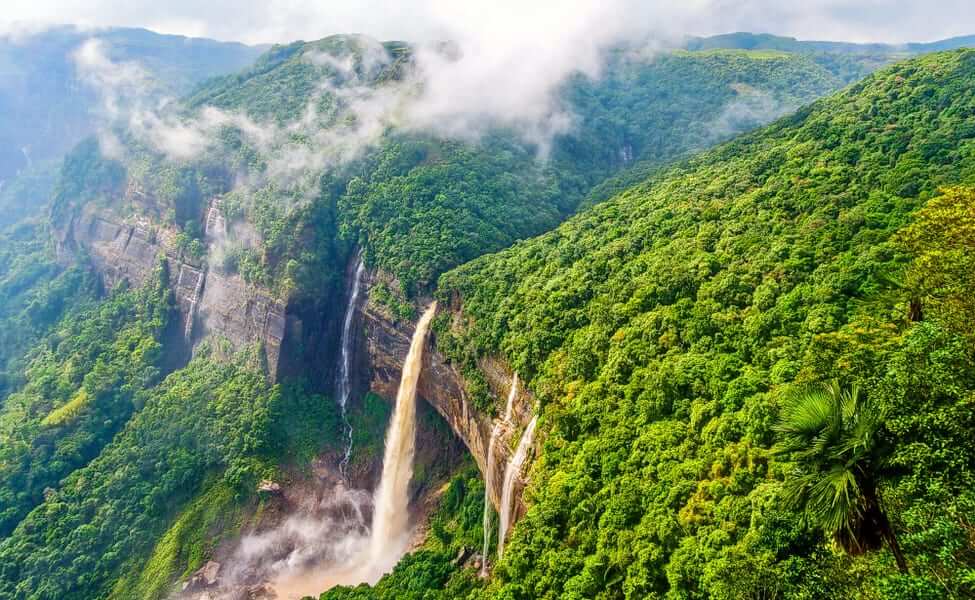
Located near Cherrapunji and easily accessible on a day trip from Mawsynram, Nohkalikai Falls is India’s tallest plunge waterfall, dropping an incredible 340 meters into a pool below. The sheer drop of water from the cliffs into a turquoise lagoon is both dramatic and mesmerizing.
Adding to its allure is the tragic local legend behind the name. It tells the story of a woman named Likai, whose grief after personal tragedy drove her to leap from the cliffs, giving the waterfall its haunting name — “Noh Ka Likai” or “Leap of Likai.”
For travelers, it’s not just about the natural spectacle but also about connecting with the stories and folklore that shape the culture of Meghalaya. The viewpoint offers an excellent perspective of the falls and the surrounding green plateaus.
Travel tip: Visit during the rainy season to see the waterfall in its full force. Vendors near the viewpoint sell local snacks like pineapples and pickles, which are worth sampling.
8. Adventure at Mawlyngbna Village
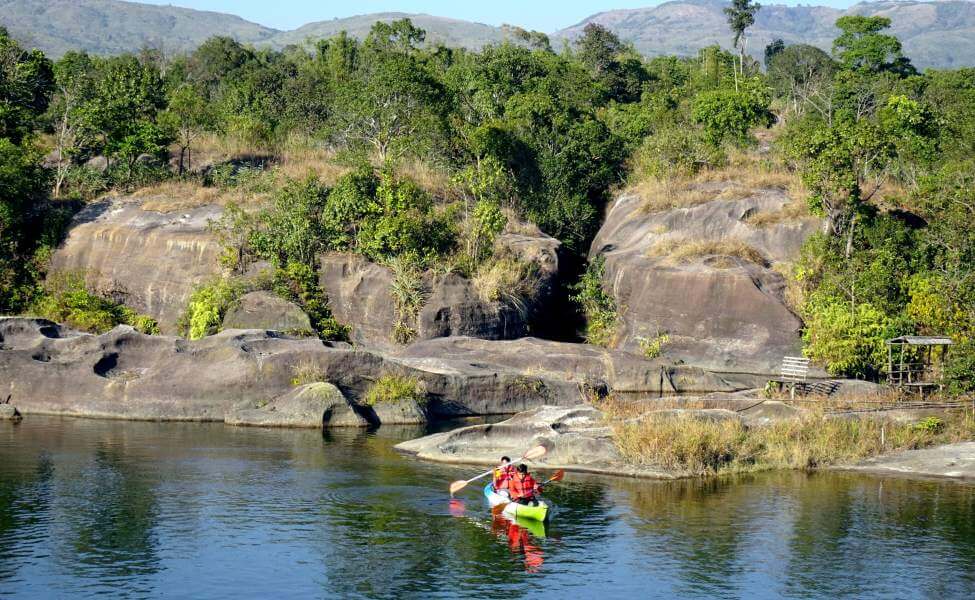
Just 15 kilometers from Mawsynram lies Mawlyngbna, a village that perfectly combines natural beauty with adventure. Known for its fossilized sea animal remains, the village offers travelers a glimpse into the prehistoric past. Walking through the fossil sites is like stepping back millions of years, as you can clearly see ancient imprints embedded in the rocks.
But Mawlyngbna isn’t just about fossils. The village also boasts crystal-clear springs, lush forests, and an adventure park where you can try kayaking, zip-lining, and boating. It’s a great place to spend a full day, especially if you enjoy a mix of history, culture, and adrenaline.
Community-run eco-lodges here allow visitors to stay overnight and experience Khasi hospitality. The evenings are peaceful, with locals often sharing stories around the fire.
Travel tip: Carry cash, as digital payments may not always work here. Adventure activities are community-run, so by participating you directly support local livelihoods.
9. Trek the David Scott Trail
The David Scott Trail is one of Meghalaya’s most historic trekking routes, dating back to the British colonial era. Named after a British administrator, the trail stretches about 16 kilometers, connecting Mawphlang to Lad Mawphlang.
As you walk the trail, you’ll pass through thick forests, bubbling streams, rolling meadows, and small Khasi villages. Along the way, you’ll see monoliths and stone bridges that tell stories of the past. The trek also offers panoramic views of the valleys and is perfect for travelers who enjoy history woven with nature.
Travel tip: The trek takes about 5–6 hours to complete and is moderately challenging. Carry enough water, snacks, and wear sturdy trekking shoes. A guide is recommended for first-timers.
10. Walk Across a Living Root Bridge
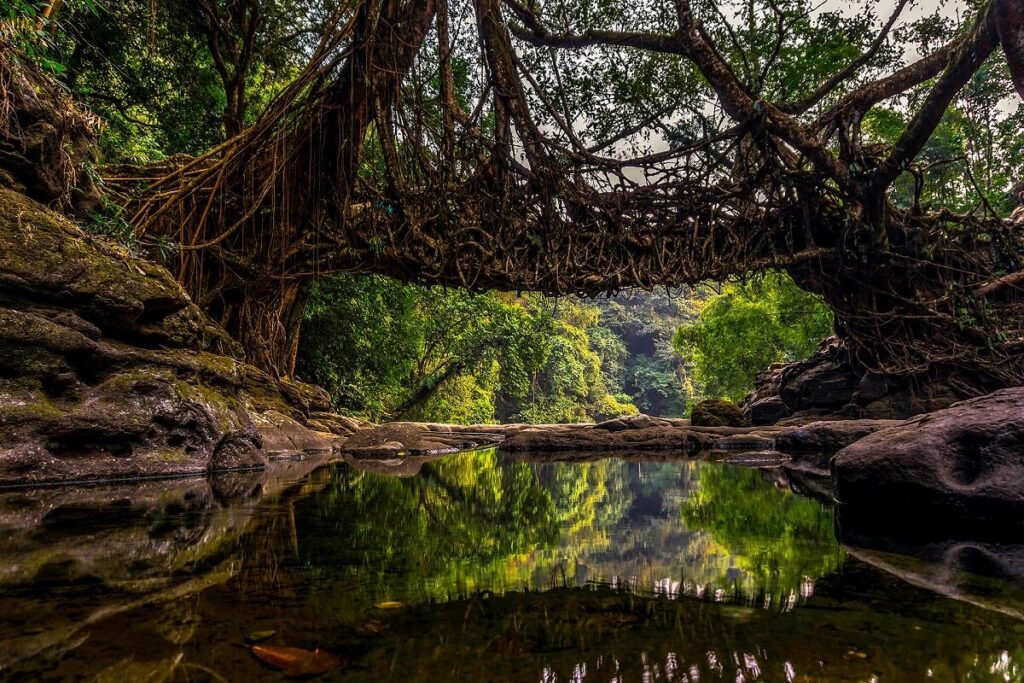
Meghalaya’s living root bridges are one of the most remarkable examples of sustainable engineering in the world. Crafted over decades by training the roots of rubber trees across streams, these bridges grow stronger with time and can last for centuries.
Near Mawsynram, you can trek to villages that host these bridges. The most famous is the double-decker root bridge at Nongriat, where two layers of bridges sit one above the other, creating an awe-inspiring sight. Walking across one of these bridges feels like stepping into a fairytale, surrounded by forest and flowing water.
Travel tip: The trek to Nongriat involves descending and climbing thousands of steps. Be prepared for a strenuous journey, and carry plenty of water. Start early in the morning to avoid crowds.
11. Listen to the Rainfall Symphony
Rain in Mawsynram isn’t just weather — it’s a soundtrack to daily life. Spend a quiet moment simply listening to the rhythmic patter of raindrops falling on leaves, rooftops, and the forest floor. The sound is both calming and powerful, reminding you of the natural forces that shape this village.
Many travelers describe this as one of their most cherished memories from Mawsynram — sitting on a veranda with a cup of hot tea, watching the rain pour down endlessly, and feeling completely at peace.
Travel tip: Carry a book or journal to accompany these quiet moments. They’re perfect times for reflection and relaxation.
12. Immerse in Khasi Village Life
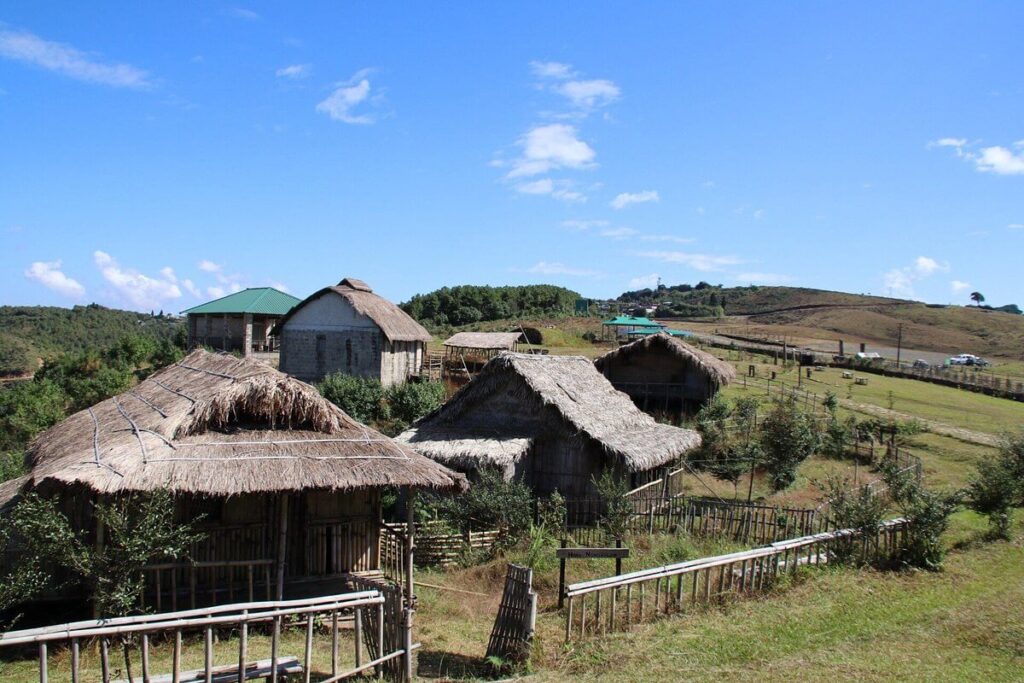
The best way to truly experience Mawsynram is by connecting with its people. Take time to walk through Khasi villages, where life revolves around adapting to the rain. Houses are built with sloping tin roofs, and villagers often gather firewood and farm despite the constant drizzle.
Market days are colorful affairs, with stalls selling vegetables, handmade bamboo products, and local spices. Food is an important part of Khasi culture — don’t miss trying pusaw, a steamed rice cake flavored with orange rind, often paired with shasaw, a warm red tea that’s perfect for rainy days.
By engaging with locals, you not only learn about their traditions but also support community tourism.
13. Stargaze and Night Walks
Though Mawsynram is known for its rain, there are occasional clear nights when the skies open up. Thanks to minimal light pollution, these nights are perfect for stargazing. The stars appear brighter and the Milky Way can often be seen stretching across the horizon.
Night walks are another magical experience. The village and surrounding forests come alive with nocturnal sounds — chirping crickets, croaking frogs, and the distant roar of waterfalls. It’s a side of Mawsynram that few travelers experience, but those who do describe it as unforgettable.
Travel tip: Carry a flashlight and wear proper footwear for night walks. Always go with a local guide to ensure safety.
Suggested Itinerary for 3–4 Days
Day 1: Arrival in Shillong → Drive to Mawsynram → Explore Mawjymbuin Cave → Evening village walk.
Day 2: Rainforest trek → Khreng Khreng Viewpoint → Visit Mawsmai Cave and Seven Sisters Falls.
Day 3: Excursion to Mawlyngbna → Adventure activities → Return for local dinner.
Day 4: David Scott Trail or Living Root Bridge Trek → Visit Nohkalikai Falls on way back.
What to Pack for Mawsynram
- Waterproof jacket and pants
- Sturdy trekking shoes with grip
- Flashlight or headlamp
- Dry bags for electronics
- Quick-dry clothes
- Extra socks and warm layers
- Power bank and waterproof covers for phones/cameras
- First aid kit and insect repellent
Conclusion
Mawsynram is more than just the wettest place on Earth — it’s a destination that immerses you in nature’s raw power and beauty. From mystical caves and roaring waterfalls to tranquil village walks and cultural encounters, every experience here feels authentic and unforgettable.
If you go with an open heart and a willingness to embrace the rain, Mawsynram will reward you with memories unlike anywhere else in India. It’s a journey not just through landscapes, but through a way of life shaped by the rhythm of rain.
Jowai & Shillong
- Best Things to Do in Jowai, Meghalaya
- Top Tourist Places in Jowai to Visit
- Things to Do in Shillong – Top Attractions & Travel Guide
- Best Hotels and Resorts in Shillong for Tourists
Meghalaya Destinations & Nature
- Famous Hill Stations in Meghalaya to Explore
- Best Trekking Destinations in Meghalaya
- Top Places to Visit in Meghalaya – Complete List
- Famous Caves of Meghalaya – Majestic Natural Wonders
- National Parks in Meghalaya – Wildlife & Nature Guide
Cherrapunji & Iconic Spots
- Why You Should Visit Cherrapunji – Top Reasons
- Nohkalikai Falls Travel Guide – Meghalaya’s Tallest Waterfall
- Living Root Bridges of Meghalaya – Complete Travel Guide
Seasonal Travel
Culture & Food
- Traditional Food of Meghalaya – Popular Local Dishes
- Historical Places in Meghalaya Worth Exploring
- Popular Folk Dances of Meghalaya – Culture & Traditions
