
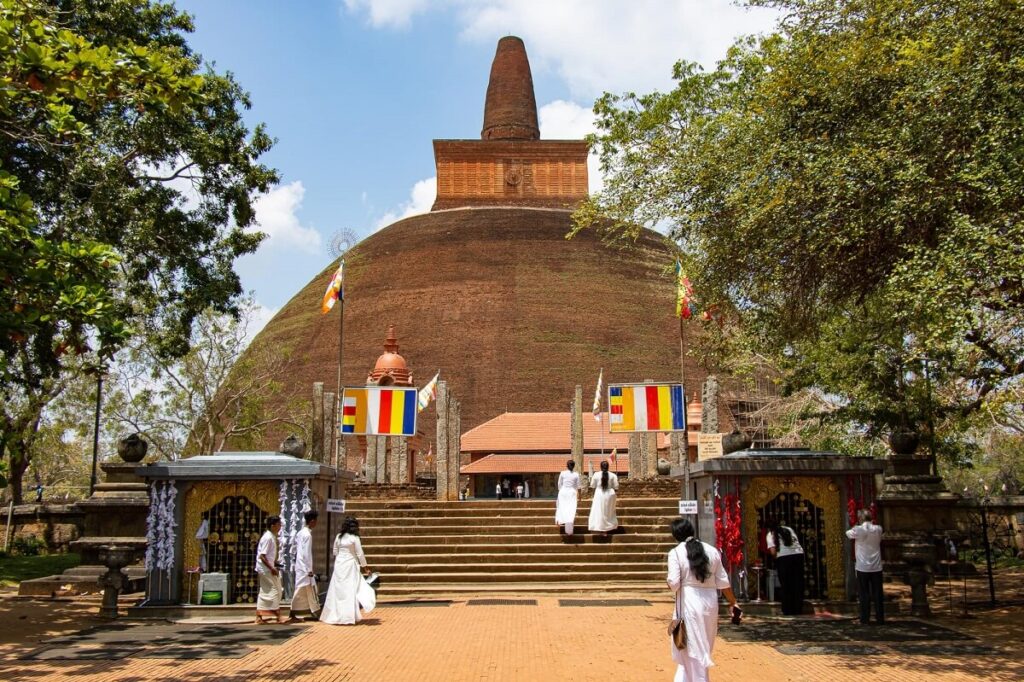
Anuradhapura, the first great capital of Sri Lanka, is more than just an archaeological city. It is a living museum of Buddhist devotion, history, and architecture. Founded in the 4th century BC, this sacred city was the center of Theravada Buddhism for centuries and is now a UNESCO World Heritage Site. Pilgrims and travelers alike are drawn here to walk among giant stupas, ancient monasteries, and the sacred Bodhi tree, believed to be the oldest historically documented tree in the world.
This guide explores the top 12 famous temples in Anuradhapura, their history, unique features, and tips for visiting. Whether you’re a cultural traveler, a history enthusiast, or a pilgrim, these temples will leave you deeply inspired.
Best 12 Temples to Explore in Anuradhapura:
1. Jaya Sri Maha Bodhi
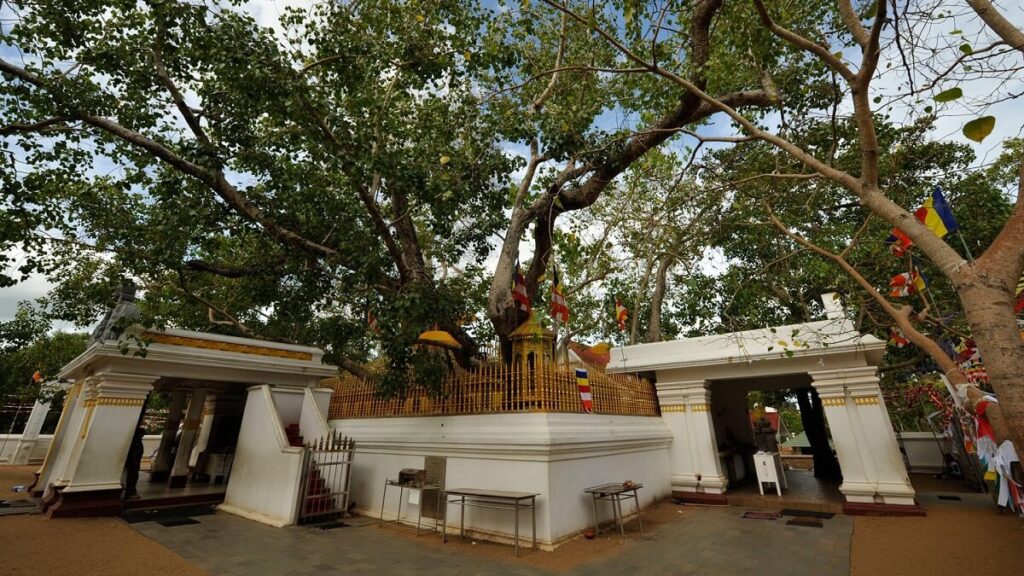
One of the most sacred places in all of Sri Lanka is the Jaya Sri Maha Bodhi. This tree is said to be a direct sapling of the original Bodhi tree in Bodh Gaya, under which Prince Siddhartha attained enlightenment. It was brought to Anuradhapura in 236 BC by Sanghamitta Theri, the daughter of Emperor Ashoka of India.
The Bodhi tree is carefully protected and surrounded by golden railings, stone terraces, and shrines. Pilgrims offer flowers, light oil lamps, and chant prayers with immense devotion. For Buddhists, visiting this tree is a once-in-a-lifetime spiritual journey.
Travel Tip: Visit in the early morning or at dusk to witness serene rituals. Dress modestly and walk barefoot inside the sacred terrace.
2. Ruwanwelisaya
Built by King Dutugemunu in the 2nd century BC, Ruwanwelisaya is one of the most iconic stupas in Anuradhapura. Its shining white dome rises majestically against the sky, symbolizing purity and enlightenment.
This stupa is believed to enshrine relics of the Buddha, making it one of the holiest sites in Sri Lanka. Encircling the stupa are elephant carvings in stone, symbolizing strength and protection. The sheer scale of Ruwanwelisaya, originally over 100 meters high, demonstrates the engineering brilliance of ancient Sri Lanka.
Travel Tip: The stupa is particularly magical during poya (full moon) days when thousands of devotees gather with candles and flowers.
3. Jetavanaramaya
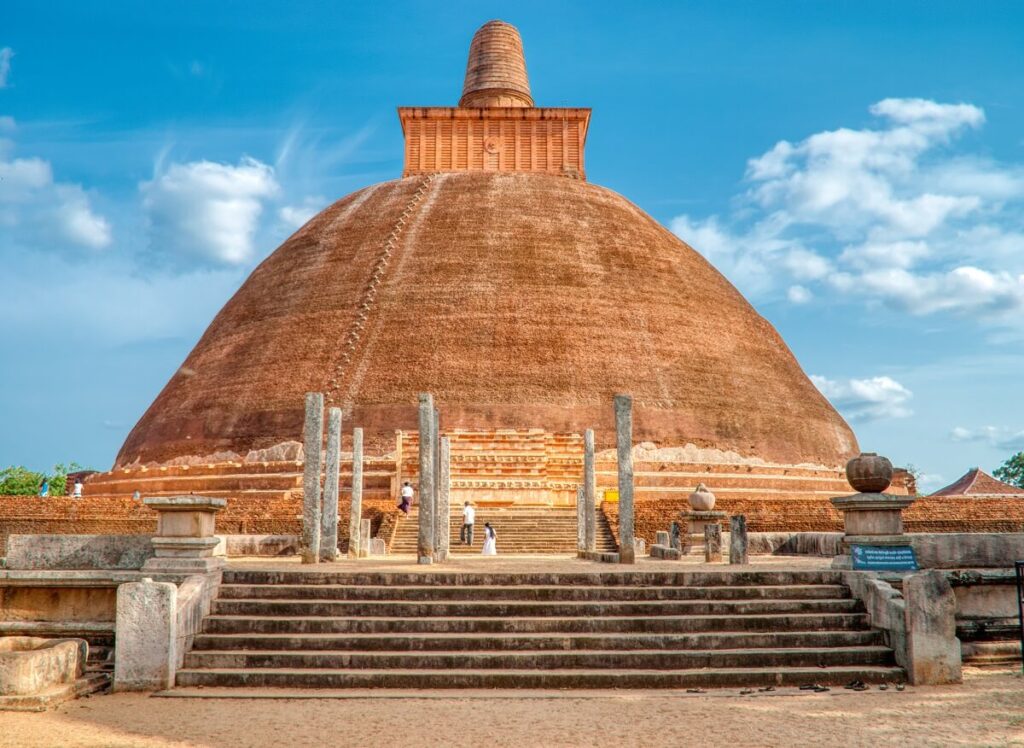
At its peak, Jetavanaramaya was the tallest brick stupa in the world, reaching 122 meters. Constructed by King Mahasena in the 3rd century AD, this monument was part of the great Abhayagiri Monastery. Even today, at 71 meters tall, it stands as one of the largest structures of the ancient world.
Millions of bricks were used in its construction, and archaeologists suggest it once housed thousands of monks. It remains an awe-inspiring testament to Anuradhapura’s golden age.
Travel Tip: Walk around the vast courtyard to truly appreciate the size of the stupa. A guide can help you understand the symbolism hidden in its design.
Recommended Tour Packages for Sri Lanka
- Sri Lanka Travel Plan – 7 Day Holiday Package
- 5 Day Sri Lanka Tour Itinerary for Travelers
- 6 Day Sri Lanka Vacation Package
- 8 Day Sri Lanka Travel Itinerary – Top Destinations
- Sri Lanka Trip Package – 10 Day Complete Tour
4. Thuparamaya
Thuparamaya is considered the first stupa built in Sri Lanka after Buddhism was officially introduced to the island by Mahinda Thera. Constructed during the reign of King Devanampiya Tissa in the 3rd century BC, it is said to enshrine the right collarbone of the Buddha.
Originally a small bell-shaped stupa, Thuparamaya has been rebuilt many times over the centuries. Around the stupa stand granite pillars that once supported a circular shrine house called a Vatadage.
Travel Tip: Thuparamaya is smaller compared to others, but its spiritual energy is strong. It’s best visited alongside the nearby Lovamahapaya and Bodhi tree.
5. Abhayagiri Vihara

Abhayagiri Vihara was more than just a temple; it was a grand monastic complex that housed around 5,000 monks at its peak. Established in the 1st century BC by King Valagamba, it became a major center for Buddhist learning and culture.
The ruins here include colossal stupas, intricate moonstones, meditation platforms, and statues. Abhayagiri was not only important in Sri Lanka but also played a role in spreading Buddhism across Asia.
Travel Tip: Allow extra time here, as the site is expansive. Explore the Abhayagiri Museum to understand its historical importance.
6. Mirisawetiya Stupa
Built by King Dutugemunu after his victory over South Indian invaders, Mirisawetiya Stupa is a symbol of gratitude. Legend says the king forgot to offer a share of his first harvest of chili (miris in Sinhala) to the monks, and to make amends, he built this stupa.
The site is less crowded, offering a peaceful environment. Surrounded by stone ruins and gardens, it makes for a calm and reflective visit.
Travel Tip: Visit at sunset to enjoy a tranquil atmosphere with fewer tourists.
7. Lankarama Stupa
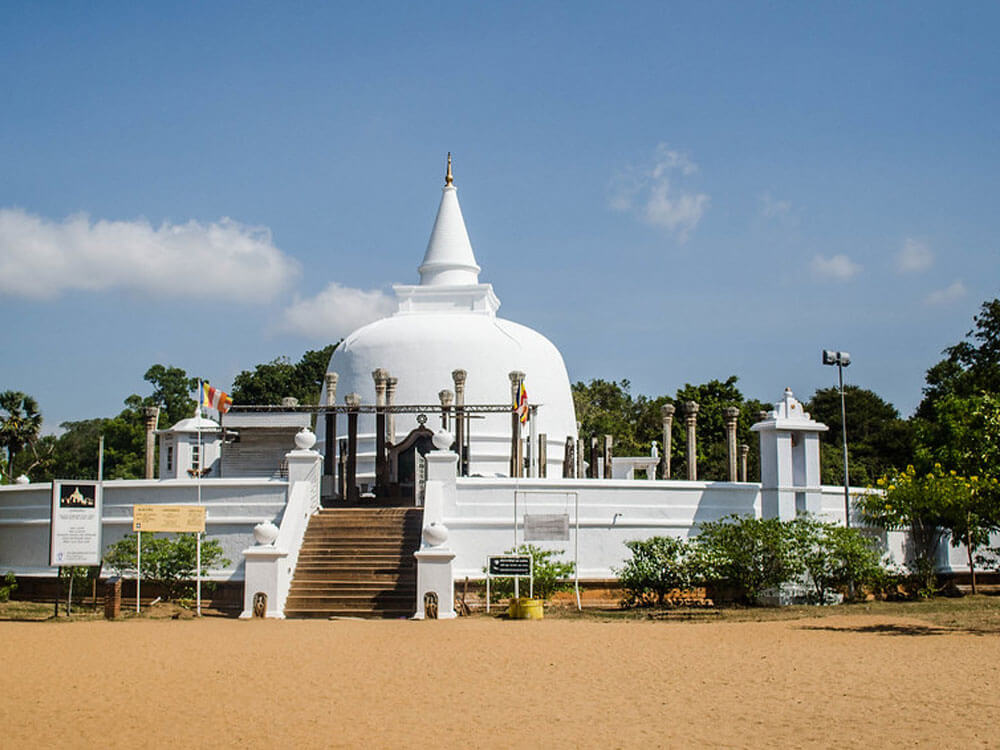
Constructed by King Valagamba in the 1st century BC, Lankarama is a smaller but historically significant stupa. It is believed to have once been surrounded by a Vatadage (circular shrine), as evidenced by the stone columns around it.
Today, the ruins give a sense of the architectural ingenuity of early Buddhist builders. The circular plan of the shrine adds to the charm of this quiet site.
Travel Tip: Combine this visit with nearby smaller monasteries for a less crowded experience.
8. Lovamahapaya
Once a magnificent nine-story building, Lovamahapaya (also called the Brazen Palace) was built by King Dutugemunu to house 1,000 monks. Its roof was covered with bronze tiles, giving it a dazzling appearance, hence the name.
Today, only the 1,600 stone pillars remain, but they hint at the grandeur of what was once an engineering marvel. Lovamahapaya stands between the Bodhi tree and Ruwanwelisaya, making it easy to visit all three in one trip.
Travel Tip: A guide can help you visualize what the palace once looked like—its history is fascinating.
9. Isurumuniya Temple
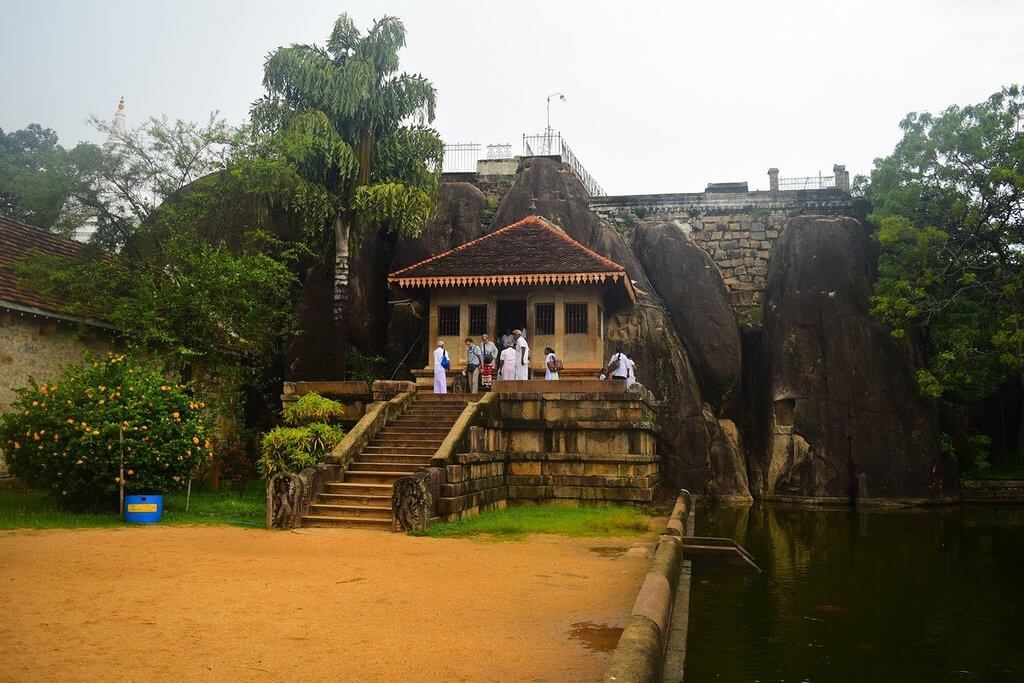
Isurumuniya is famous for its rock carvings and tranquil location near Tissa Wewa reservoir. Built by King Devanampiya Tissa, the temple is known for the “Isurumuniya Lovers” carving, often compared to the romance of Prince Saliya and the low-caste maiden Asokamala.
Other notable carvings include elephants bathing and royal figures. The temple also has a small cave shrine and a peaceful courtyard.
Travel Tip: Climb the rock behind the temple for panoramic views of the city and the reservoir.
10. Vessagiriya
A lesser-known site, Vessagiriya is a collection of natural rock shelters that once housed over 500 monks. The caves still show ancient Brahmi inscriptions and marks of monastic life.
Walking through Vessagiriya feels like stepping into a secluded retreat. Surrounded by greenery and quiet, it is ideal for those seeking calm away from the busy city.
Travel Tip: Carry water and wear good shoes, as the site involves climbing over rocks.
11. Mihindu Aranya Senasanaya
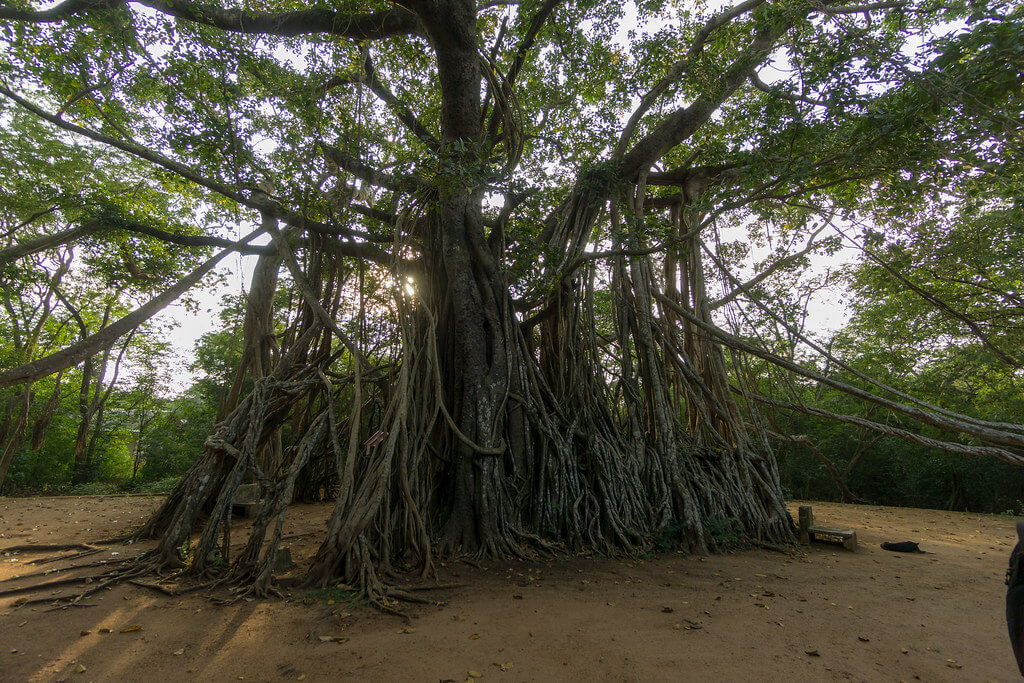
Located on Mihintale hill, a short drive from Anuradhapura, this monastery is associated with Arahat Mahinda, who introduced Buddhism to Sri Lanka. The forest monastery offers meditation caves, shrines, and a spiritual environment far from crowds.
For travelers looking for a deeper connection to Buddhist practice, Mihindu Aranya offers a chance to reflect in silence surrounded by nature.
Travel Tip: If you are visiting Mihintale, include this monastery in your trip. It’s best explored in the morning.
12. Ranmasu Uyana
While not strictly a temple, Ranmasu Uyana (Royal Park) is closely tied to Anuradhapura’s religious history. This royal garden is famous for its advanced hydraulic systems, bathing ponds, and the mysterious “Sakwala Chakraya” carving, believed by some to represent a star map.
The park was used by monks and royalty, making it both a spiritual and recreational site. Its lush gardens and pools provide a peaceful end to a temple tour.
Travel Tip: Spend time exploring the pools and carvings. Guides can explain the symbolism behind the ancient rock art.
Practical Travel Tips for Anuradhapura Temples
- Best Time to Visit: December to April offers dry and pleasant weather.
- Duration: Spend at least two full days to cover the major temples.
- Dress Code: Modest clothing is required—shoulders and knees covered. Footwear must be removed before entering sacred areas.
- Getting Around: Rent a bicycle or tuk-tuk to navigate the vast archaeological city.
- Entry Pass: Foreign visitors need to purchase a cultural triangle ticket, valid for several sites.
Conclusion
Anuradhapura is not just an ancient capital; it is the spiritual heart of Sri Lanka. From the sacred Bodhi tree to towering stupas like Ruwanwelisaya and Jetavanaramaya, every site tells a story of devotion, resilience, and architectural genius.
Visiting these 12 famous temples in Anuradhapura is more than sightseeing—it’s a journey into the roots of Buddhism and Sri Lanka’s cultural identity. Walk slowly, observe respectfully, and allow the peaceful energy of this sacred city to leave a lasting mark on your heart.
Must-Read Guides:
- Dambulla Cave Temple Sri Lanka – Complete Visitor Guide
- Best Tourist Attractions to Visit in Galle
- Top Places to Visit in Sri Lanka – May 2026
- Sri Lanka in June 2026 – Best Tourist Destinations
- July 2026 Sri Lanka Travel – Must-See Places
- Yala National Park Guide – Safari Timings & Entry Fee
- Goa vs Sri Lanka – Which Destination is Better for a Holiday?
- Best Places to Visit in Sri Lanka – March 2026
- Sri Lanka in February 2026 – Top Attractions to Explore
- January 2026 – Best Places to Visit in Sri Lanka
- Popular Wildlife Destinations in Sri Lanka
- Famous Hill Stations of Sri Lanka to Visit
- Temples in Jaffna – Famous Religious Sites of Northern Sri Lanka
