
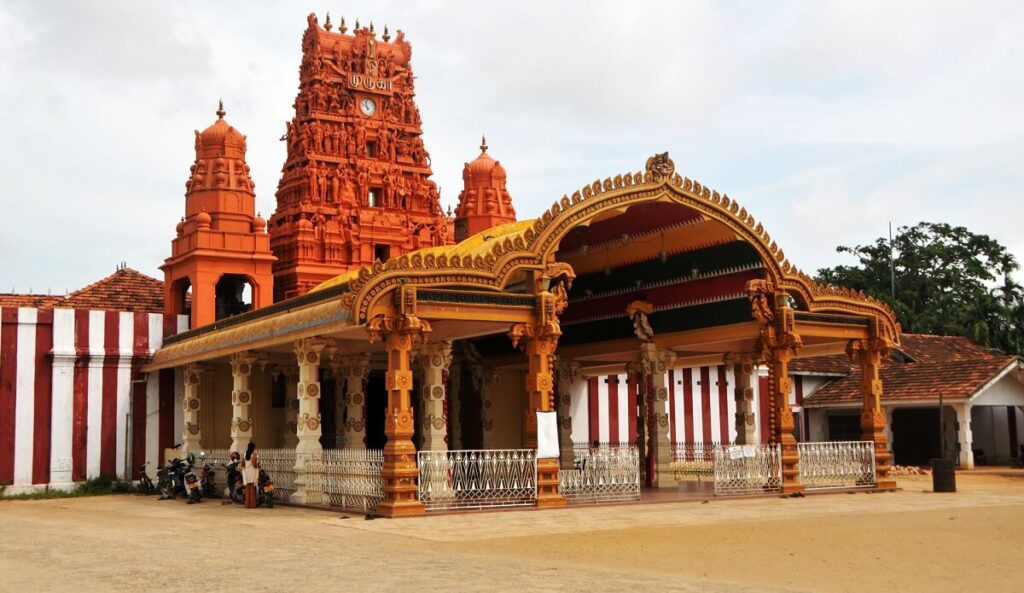
Jaffna, a historic city located in the northernmost part of Sri Lanka, is not only known for its vibrant Tamil culture and colonial remnants but also for its deeply spiritual character. The city and its surrounding areas are dotted with ancient Hindu temples that hold immense religious, cultural, and architectural significance. These sacred sites are more than places of worship—they’re living legacies of a resilient community, symbols of heritage, and sanctuaries of peace in Temples in Jaffna.
Whether you’re a pilgrim, a history buff, or a curious traveler, exploring the temples of Jaffna offers an opportunity to connect with centuries-old traditions and experience the spiritual pulse of the region.
In this blog, we will guide you through the most famous temples in Jaffna, unraveling their histories, highlighting their significance, and offering practical tips for your visit.
History of Jaffna’s Temple Culture
Temples in Jaffna are deeply intertwined with Tamil identity and Hindu devotion. Many temples here date back centuries and showcase stunning Dravidian-style architecture. Despite the effects of war and natural decay, these spiritual sanctuaries have stood the test of time, continuing to attract thousands of devotees and tourists every year.
Most temples are dedicated to Hindu deities—particularly Lord Murugan, Lord Shiva, and various forms of the Goddess such as Kali and Durga. The vibrant temple festivals, particularly the Nallur Festival, are community spectacles that merge spirituality with celebration.
1. Nallur Kandaswamy Kovil
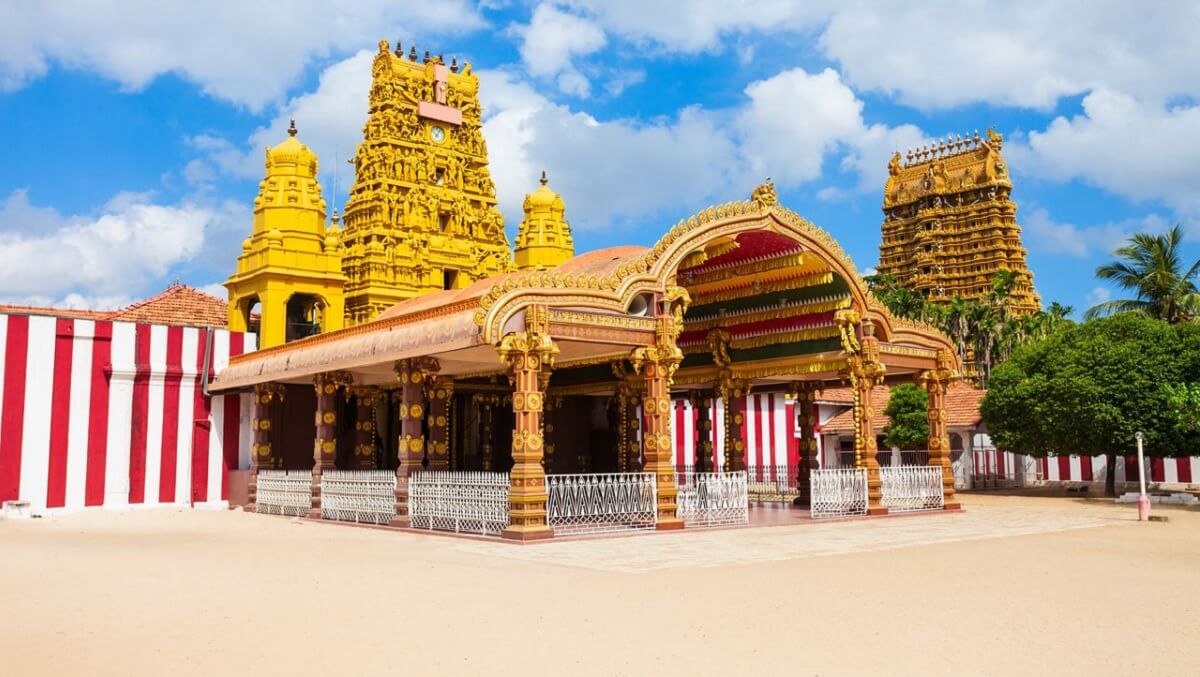
One of the Most Revered Murugan Temples in Sri Lanka
Located in the heart of Jaffna town, Nallur Kandaswamy Kovil is undoubtedly the most iconic temple in the region. Dedicated to Lord Murugan (known as Skanda or Kanda), this majestic temple is a masterpiece of Tamil architecture and devotion.
Key Highlights:
- Originally built in 948 AD and reconstructed multiple times, especially after Portuguese destruction in the 17th century.
- The golden tower (gopuram) is an architectural marvel.
- It hosts the grand Nallur Festival, a 25-day celebration that draws devotees from around the world.
Tips for Visitors:
- Dress modestly and remove shoes before entering.
- Visit during early morning or evening prayers for a more immersive experience.
- Photography is strictly prohibited inside the temple.
2. Naguleswaram Temple (Keerimalai)
Sacred Waters and Ancient Worship
Situated near the Keerimalai springs on the northern coast, Naguleswaram Temple is one of the five ancient Ishwarams of Lord Shiva in Sri Lanka. The temple is closely linked to the sacred freshwater springs, believed to have healing powers.
Historical Significance:
- The temple’s roots trace back over 2000 years.
- It was rebuilt after being destroyed during the civil conflict.
Visitor Information:
- Bathing in the Keerimalai springs is a popular ritual before entering the temple.
- Combine your visit with a trip to the nearby Keerimalai beach.
3. Kadurugoda Temple
A Rare Buddhist Site Amid Hindu Dominance
Located in Kandarodai village near Chunnakam, Kadurugoda is an archaeological site featuring small Buddhist stupas. While not a Hindu temple, it’s an essential stop to understand Jaffna’s diverse religious history.
What Makes It Unique:
- Over 60 miniature stupas believed to be from the Anuradhapura period.
- It indicates early Buddhist influence in a predominantly Hindu region.
Traveler Tip:
- The site is relatively quiet and free to enter, ideal for peaceful reflection and photography.
- 5 Nights 6 Days Sri Lanka Package
- Sri Lanka Itinerary for 8 Days
- 4 Nights 5 Days Sri Lanka Trip
- 7 Days Sri Lanka Tour Itinerary
- Sri Lanka 10 Days Trip Package
4. Maviddapuram Kandaswamy Kovil
A Temple with Royal Patronage and Mythical Roots
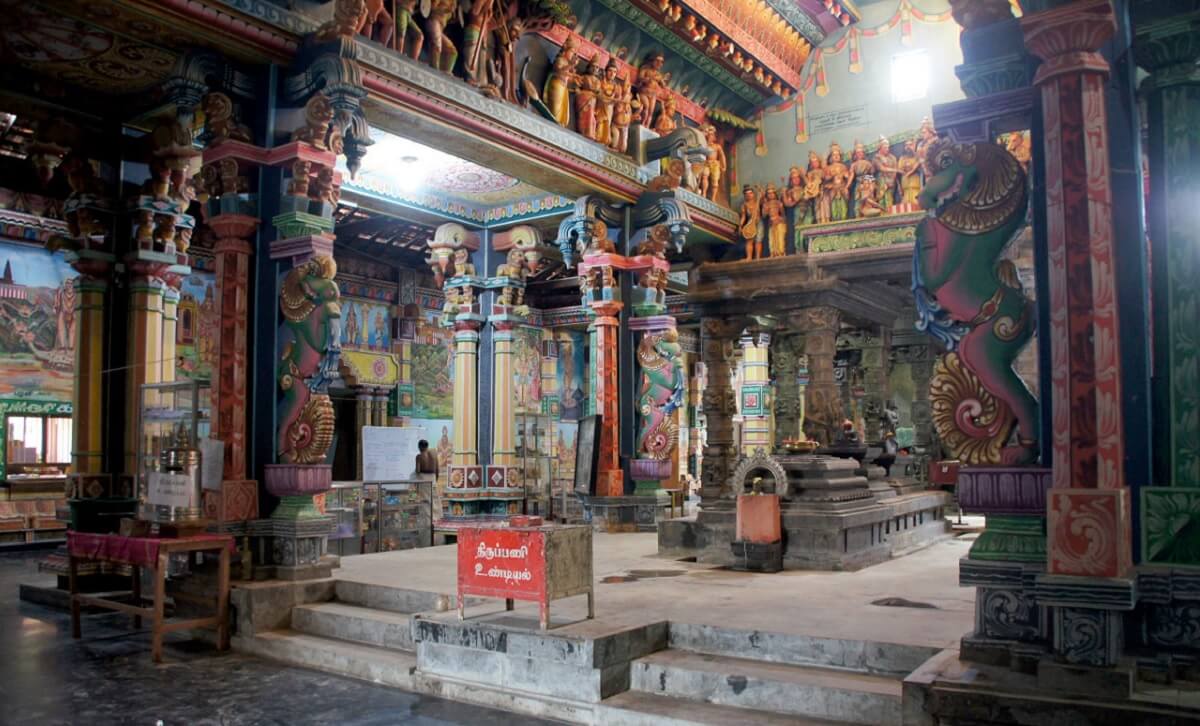
Maviddapuram Kandaswamy Temple is one of the oldest Murugan temples in Jaffna. It is believed that a Chola princess from Tamil Nadu, afflicted with a deformity, was cured after bathing in the Keerimalai springs. In gratitude, she built this temple in the nearby village of Maviddapuram.
Temple Highlights:
- “Ma” means horse, “vidda” means removed, and “puram” means place—thus “Maviddapuram” signifies the place where the horse-face was removed.
- Strong links to South Indian Hindu practices.
- Intricate carvings and a peaceful ambiance define the temple.
Visitor Tip:
- Combine a visit with the nearby Naguleswaram Temple.
- It’s less crowded than Nallur, ideal for those seeking a more intimate spiritual experience.
5. Selva Sannidhi Murugan Temple
A Remote Yet Deeply Revered Shrine
Located in Thondaimanaru, Selva Sannidhi is a popular pilgrimage destination, especially for those undertaking the spiritual walk from Nallur Kandaswamy Kovil during the Pada Yatra. It is considered a Pada Yatra endpoint for devotees traveling barefoot from all parts of the island.
Religious Importance:
- Devotees believe this is one of the abodes of Lord Murugan in the northern province.
- Hosts several annual festivals, especially during Aadi and Thai months.
What to Expect:
- Serene atmosphere, especially early morning.
- A great opportunity to witness rural Hindu traditions in practice.
6. Vallipuram Alvar Temple
Fusion of Antiquity and Tranquility
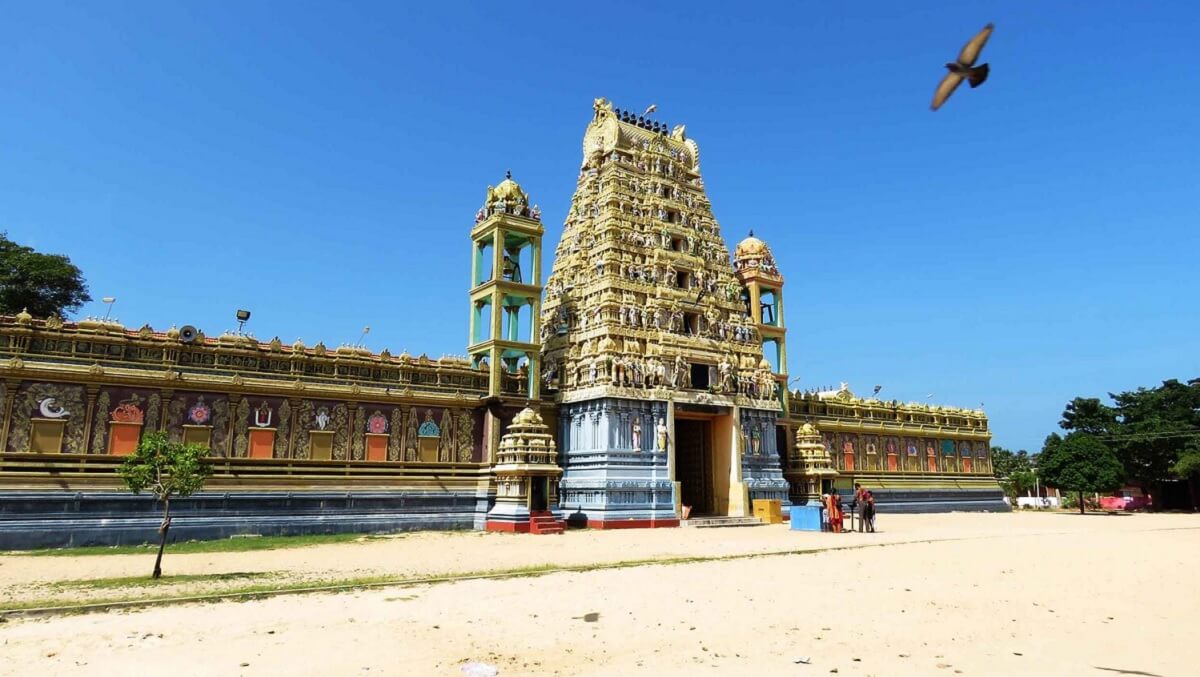
Close to Point Pedro, Vallipuram is home to another temple dedicated to Lord Vishnu—an unusual sight in predominantly Shaivite Jaffna. The temple is famous for its Vallipuram Gold Plate, an archaeological find dating back to the 2nd century.
Why Visit:
- Highlights the presence of Vaishnavism in ancient Sri Lanka.
- A quiet, peaceful spot for meditation and spiritual reflection.
Nearby Attractions:
- Vallipuram beach offers a refreshing coastal break.
- The ancient ruins and inscriptions nearby are perfect for history lovers.
7. Dambakola Patuna Sangamitta Temple
Where Buddhism Reached Sri Lanka
Though not a Hindu temple, the Dambakola Patuna Sangamitta Temple is deeply tied to Sri Lanka’s religious history. Located in Jaffna’s northern coast, it marks the spot where Sangamitta Theri, the daughter of Emperor Ashoka, is believed to have landed with the sacred Bodhi sapling.
Significance:
- Important pilgrimage spot for Buddhists.
- Celebrates religious harmony in a predominantly Hindu region.
Good to Know:
- Ideal for those interested in cross-religious heritage.
- The peaceful seafront location is ideal for spiritual retreats.
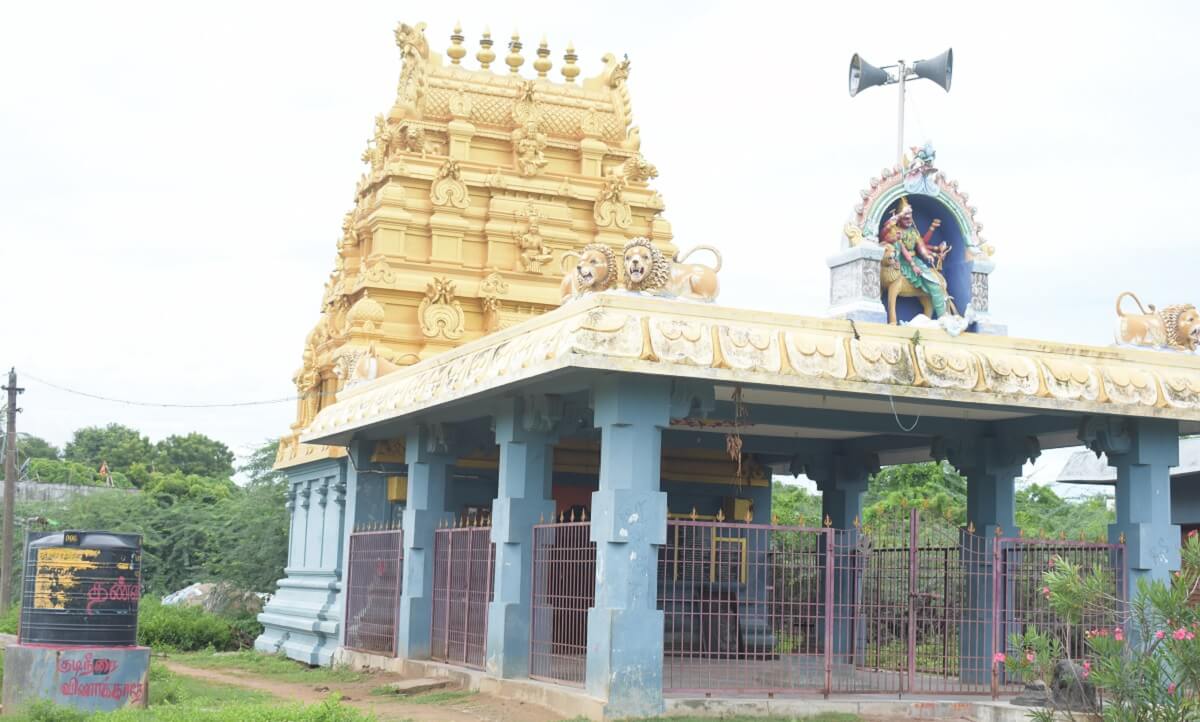
8. Thondaimanaru Pathirakali Amman Temple
Celebrating the Fierce and Protective Goddess
Located in the village of Thondaimanaru, this temple is dedicated to Goddess Kali in her fierce and protective form. It’s a vital spiritual center for women seeking protection, blessings for fertility, and family well-being.
Rituals and Traditions:
- The temple hosts fire-walking ceremonies and other intense rituals during its annual festival.
- Devotees offer coconuts, turmeric, and red flowers.
Visiting Tips:
- Dress conservatively and follow temple etiquette.
- Check local festival dates, as ceremonies are deeply symbolic and worth witnessing.
9. Munneswaram Kovil
Although Munneswaram Temple is located in Chilaw (not Jaffna), it is one of the Pancha Ishwarams of Lord Shiva, closely connected to the other ancient Shiva temples in Sri Lanka, including Naguleswaram in Jaffna.
Mythological Connection:
- Believed to have been visited by Lord Rama on his return from Lanka.
- Showcases the interconnected sacred geography of Sri Lankan Shiva worship.
Why It Matters:
- Enhances understanding of the sacred Shiva circuit in the country.
- Encourages temple trail tourism linking Jaffna with southern shrines.
10. Festivals and Rituals in Jaffna Temples
Temple festivals in Jaffna are deeply spiritual yet visually spectacular. They are a powerful expression of Tamil Hindu devotion and community spirit.
Major Celebrations:
- Nallur Festival (July–August): The biggest temple festival in northern Sri Lanka, running over 25 days with chariot processions, music, and intense spiritual devotion.
- Thai Poosam: Celebrated in many Murugan temples with Kavadi-bearing rituals.
- Navaratri: Celebrated with special poojas at Kali and Amman temples.
Ritual Practices:
- Devotees observe strict fasting, wear yellow or white, and walk barefoot.
- Offerings of fruits, flowers, camphor, and incense are common.
Pro Tip:
If you want to experience Jaffna’s soul, align your visit with the Nallur Festival, but book accommodation well in advance.
How to Visit the Temples: Travel Tips
Getting There:
- By Air: Fly to Jaffna International Airport from Colombo or Chennai.
- By Train: Daily trains from Colombo Fort to Jaffna Railway Station.
- By Road: A scenic drive from Colombo takes around 8–10 hours.
Getting Around:
- Hire a tuk-tuk or private taxi to visit temples, especially in remote areas.
- Renting a bicycle or scooter is ideal for travelers staying within Jaffna town.
Temple Etiquette:
- Always dress modestly (cover shoulders and knees).
- Remove footwear before entering the sanctum.
- Avoid public displays of affection or loud behavior.
- Photography is often restricted—respect signage and ask for permission if unsure.
Best Time to Visit Jaffna for Temple Tourism
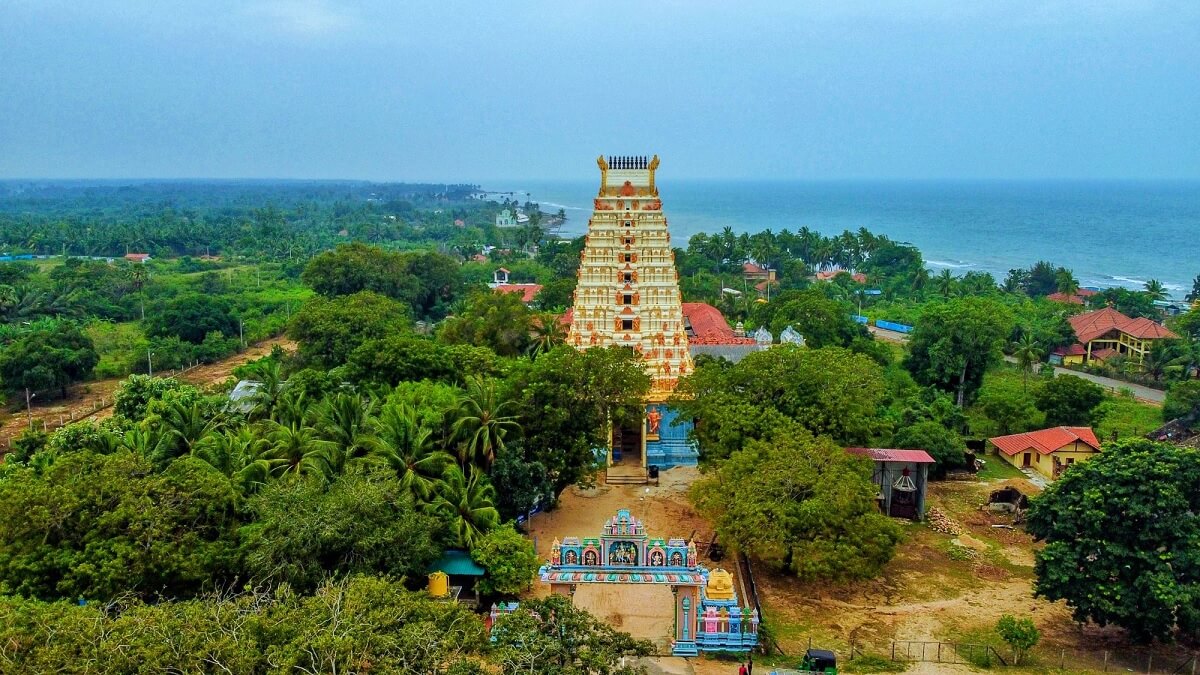
Weather Guide:
- Best Months: January to March and July to September.
- Avoid: Heavy monsoon season (October to December) due to potential flooding and temple closures.
Festival Calendar:
- Nallur Festival: Late July to August – peak spiritual season.
- Navaratri & Deepavali: October–November.
- Thai Poosam: January–February.
Crowd Levels:
- Expect large gatherings during festivals; plan accordingly if you prefer quieter visits.
Conclusion
Jaffna’s temples are more than just religious landmarks—they are guardians of heritage, storytelling centers, and tranquil escapes from modern chaos. Every temple carries its own unique tale, whether it’s a miracle at a spring, a goddess’s protective wrath, or centuries of resilience against invaders.
If you seek a deeper understanding of Sri Lanka’s Tamil identity, history, and spirituality, a visit to Jaffna’s temples is not optional—it’s essential.
From the grandeur of Nallur Kandaswamy to the healing aura of Keerimalai, these sacred spaces promise not just divine blessings, but also stories that stay with you long after your journey ends.
FAQs About Visiting Temples in Jaffna
Q1: Are non-Hindus allowed to visit these temples?
Yes, most temples welcome respectful visitors regardless of religion. But some areas may be restricted to devotees only.
Q2: Can I take photographs inside Jaffna temples?
Generally, no. Most temples prohibit photography inside the sanctum. Always ask before clicking pictures.
Q3: Is there an entry fee for the temples?
Most temples are free to enter, but donations are encouraged.
Q4: Are there English-speaking guides available at the temples?
Some temples like Nallur have signage in English, but local guides or community volunteers can assist you with insights.
Q5: What should I wear when visiting temples?
Modest clothing is a must. Avoid sleeveless tops or short skirts. Men should wear long trousers; women can wear sarees or long skirts.
Q6: Can I attend temple rituals or poojas as a tourist?
Yes, respectfully observing or even participating in public rituals is allowed. Just follow the lead of devotees and local temple staff.
Suggested Articles:
- Places to See in Sri Lanka in May 2026
- Sri Lanka Travel in June 2026 for Best Places
- Places to See Sri Lanka in July 2026
- Yala National Park, Sri Lanka: Safari Timings, & Entry Fee
- Goa vs Sri Lanka – Where to go for the Perfect Vacation?
- Places to See in Sri Lanka in March 2026
- Sri Lanka in February 2026 to Visit Best Places
- Places in Sri Lanka to See in January 2026
- Wildlife Places in Sri Lanka
- Sri Lanka Famous Hill Stations
- Top 12 Tourist Places to Visit in Galle, Sri Lanka
