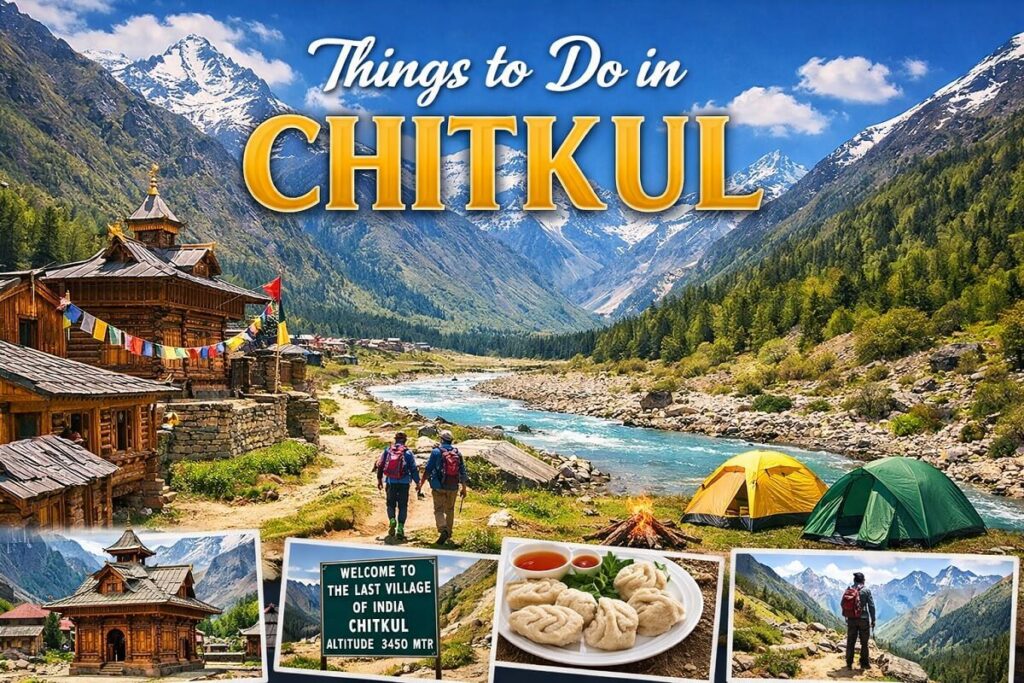
Hidden in the far reaches of Himachal Pradesh, near the Indo-Tibetan border, Chitkul is often described as the last inhabited village of India on the old Hindustan-Tibet trade route. But calling it just “the last village” hardly captures its magic. With the Baspa River flowing in icy blue streaks, wooden houses framed by apple orchards, and snow-draped peaks guarding its silence, Chitkul feels like a world that quietly exists outside time.
If you are planning a trip to this serene Himalayan hamlet, this complete Chitkul travel guide covers everything you need to know—top things to do in Chitkul, best time to visit, how to reach, local experiences, food, accommodation, and travel tips. Whether you’re a backpacker, photographer, trekker, or someone simply seeking peace, Chitkul offers an experience that lingers long after you leave.
Where Is Chitkul Located?
Chitkul is part of the Baspa Valley in the Kinnaur district of Himachal Pradesh. It sits at an altitude of approximately 3,450 meters (11,319 feet) above sea level. The village is around 24 km from Sangla and roughly 570 km from Delhi by road.
Surrounded by the mighty Himalayas and positioned close to the Indo-Tibet border, Chitkul remains one of the most picturesque destinations in the region. Due to heavy snowfall, it stays cut off during peak winter months, which adds to its untouched charm.
Why Visit Chitkul?
Before diving into the top things to do in Chitkul, let’s understand why this small Himalayan village has become a favorite among travelers.
- Stunning landscapes with snow-capped peaks
- Peaceful village life and authentic Himachali culture
- Clear views of the Baspa River
- Gateway to beautiful treks and nature trails
- Ideal destination for photographers and solitude seekers
Unlike commercial hill stations like Manali or Shimla, Chitkul remains raw and minimally developed. That’s precisely its appeal.
Top Things to Do in Chitkul:
1. Spend Time by the Baspa River
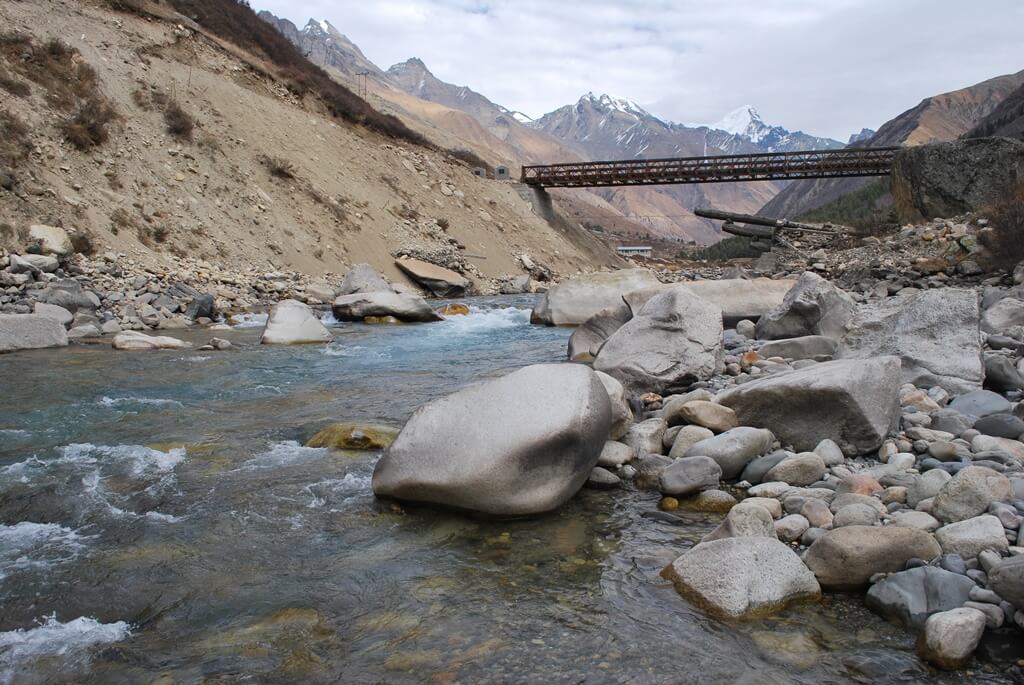
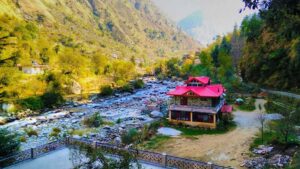
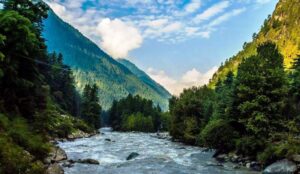
One of the most unforgettable experiences in Chitkul is walking along the banks of the Baspa River. The river originates from the Indo-Tibetan border and flows through the Baspa Valley, offering postcard-perfect scenery.
The glacial blue water cutting through rocky terrain with dramatic mountains in the backdrop creates a surreal setting. You can sit by the river, dip your feet in the icy water, or simply listen to the soothing sound of flowing streams.
This is especially magical during sunrise and sunset when the light transforms the valley into golden hues.
2. Visit the Mathi Temple
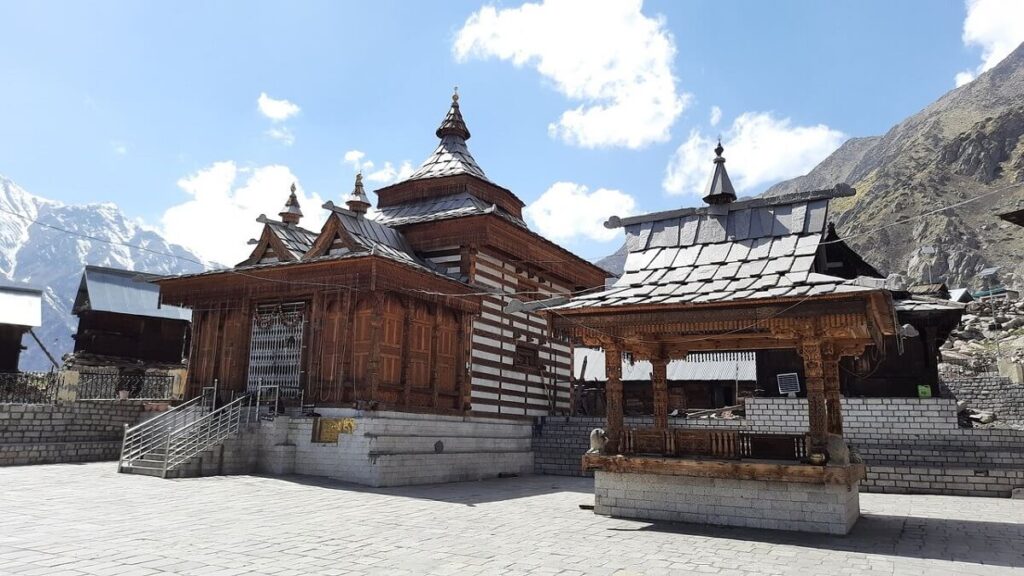
The ancient Mathi Temple is dedicated to Goddess Mathi, the presiding deity of Chitkul. Built in traditional Kinnauri style, the temple features intricate wooden carvings and sloping slate roofs.
Visitors are not allowed inside the main sanctum, but the exterior architecture itself is worth admiring. The temple holds great religious importance for locals and reflects the deep spiritual roots of the region.
Spending time near the temple also offers insights into Kinnauri traditions and lifestyle.
3. Explore the Indo-Tibetan Border Road
Driving beyond Chitkul toward the Indo-Tibet border offers breathtaking Himalayan views. Though civilian access is restricted beyond certain points, the road journey itself is stunning.
You will witness dramatic landscapes, military outposts, and vast stretches of untouched terrain. It’s one of the most scenic drives in Himachal Pradesh.
Always check current travel permissions and road conditions before planning this excursion.
4. Enjoy Traditional Kinnauri Cuisine
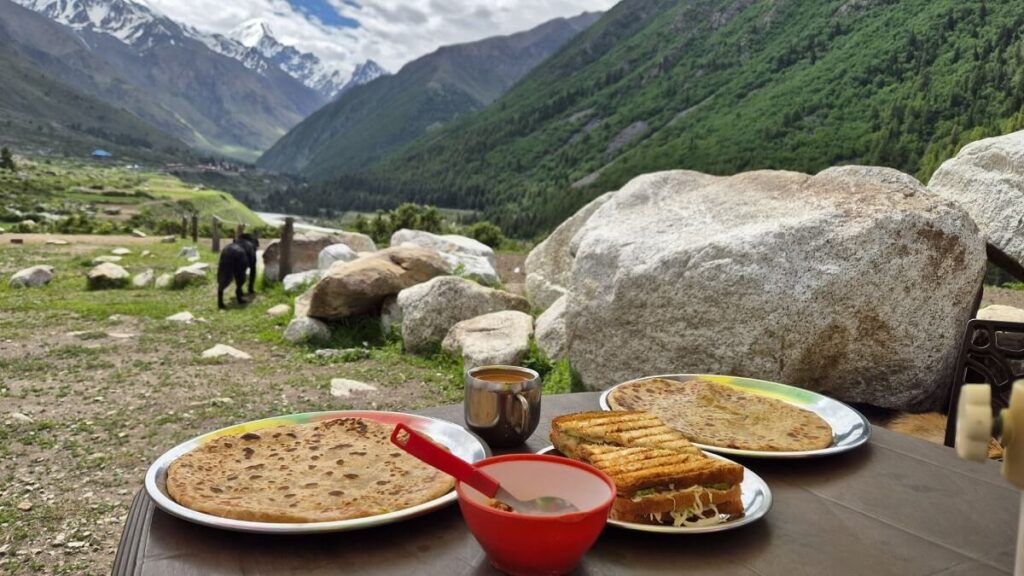
Trying local food is among the most rewarding things to do in Chitkul. The village has small eateries serving simple yet comforting meals.
Some local dishes to try:
- Siddu (steamed bread)
- Thukpa
- Momos
- Rajma-Chawal (Himachali style)
Due to the remote location, food options are limited but authentic. Eating warm local meals while watching the mountains outside is an experience in itself.
Himachal Pradesh Tour Packages:
- 9 Days Offbeat Himachal Tour Itinerary
- 10 Days Himachal Complete Travel Package
- 5 Days Himachal Pilgrimage Tour Package
- Shimla Kufri Kasauli 3 Nights 4 Days Tour
- 5 Nights 6 Days Shimla Manali Package
- 6 Nights 7 Days Himachal Hill Station Tour
5. Trek to Nagasthi ITBP Post
Adventure enthusiasts can trek toward the Nagasthi ITBP (Indo-Tibetan Border Police) post. The trail offers panoramic views of the valley and snow-covered peaks.
The trek is moderately easy but involves walking at high altitude. Carry water and snacks, and move at a comfortable pace.
This is perfect for those seeking light adventure without committing to multi-day Himalayan treks.
6. Photography in Baspa Valley
Chitkul is a paradise for photographers. From rustic wooden houses and colorful prayer flags to apple orchards and river landscapes, every corner is picture-worthy.
Winter offers snow-covered frames, while summer brings vibrant greenery and blooming flowers. If you’re serious about photography, plan your visit during early morning or late afternoon for soft natural light.
7. Experience Village Life
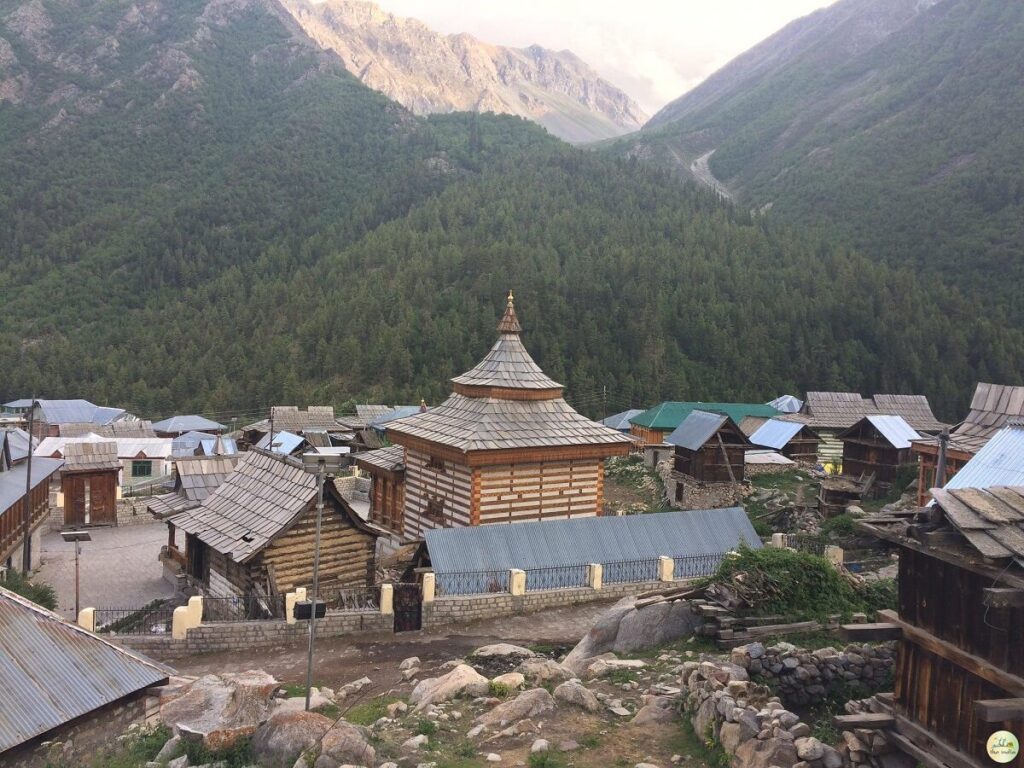
Chitkul’s population is small, and life moves at a gentle pace. Walking through narrow lanes, greeting locals, and observing daily routines provides a refreshing break from city chaos.
The houses are built using traditional Kath-Kuni architecture—a mix of wood and stone designed to withstand harsh Himalayan weather.
Respect local customs and ask before photographing residents.
8. Camp under the Stars
Camping in Chitkul is an unforgettable experience. The clear skies make it ideal for stargazing. With minimal light pollution, the night sky appears extraordinarily bright.
Many campsites are located near the river, offering immersive Himalayan wilderness vibes.
Carry warm clothing even during summer nights as temperatures drop significantly.
9. Visit Sangla and Rakcham Nearby
Chitkul is part of the scenic Baspa Valley circuit that includes Sangla and Rakcham.
- Sangla is known for Kamru Fort and apple orchards.
- Rakcham offers breathtaking valley views and peaceful surroundings.
Exploring these nearby villages enhances your Chitkul trip.
10. Witness Snowfall in Winter
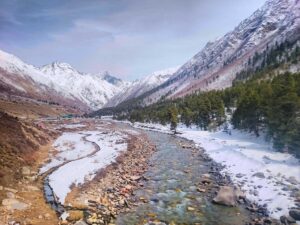
If you are comfortable with extreme cold, visiting Chitkul in winter is magical. Snow blankets the village, turning it into a white wonderland.
However, road access can be restricted. Always confirm weather conditions before planning a winter trip.
Best Time to Visit Chitkul:
The best time to visit Chitkul depends on what you want to experience.
April to June (Summer)
Pleasant weather, clear skies, ideal for sightseeing and trekking.
July to September (Monsoon)
Green landscapes but possible landslides. Travel cautiously.
October to November (Autumn)
Crisp air, fewer crowds, golden valley views.
December to March (Winter)
Heavy snowfall, extreme cold, limited access.
For most travelers, May to October is considered the best time.
How to Reach Chitkul:
By Road
The most common way to reach Chitkul is by road. From Delhi, you can drive via Shimla and Reckong Peo. The road journey is long but scenic.
Self-drive cars, taxis, and HRTC buses operate up to Sangla, after which you can hire a local taxi.
By Train
The nearest broad-gauge railway station is in Shimla. From there, you must continue by road.
By Air
The nearest airport is in Shimla or Chandigarh. Road travel remains essential for the final stretch.
Where to Stay in Chitkul
Accommodation in Chitkul ranges from guesthouses and homestays to campsites.
- Budget homestays
- Riverside camps
- Mid-range guesthouses
Luxury hotels are limited, which helps preserve the village’s raw charm.
Advance booking is recommended during peak season.
Travel Tips for Chitkul
- Carry sufficient cash; ATMs are not available.
- Network connectivity is weak.
- Pack warm clothes regardless of season.
- Acclimatize properly to avoid altitude sickness.
- Check weather updates before traveling.
- Avoid littering; keep the valley clean.
Is Chitkul Safe for Travelers?
Yes, Chitkul is generally safe for travelers. The locals are welcoming and helpful. However, due to high altitude and remote location, always travel prepared.
If you are traveling solo, inform someone about your itinerary and avoid trekking alone in unfamiliar terrain.
2-Day Itinerary for Chitkul
Day 1:
Arrive in Sangla → Drive to Chitkul → Explore Baspa River → Visit Mathi Temple → Sunset photography → Overnight stay
Day 2:
Morning village walk → Trek toward Nagasthi → Return → Explore nearby Rakcham → Departure
Final Thoughts
Chitkul is not a destination you rush through. It’s a place where you slow down, breathe deeper, and reconnect with nature. From riverside walks and temple visits to mountain treks and starlit nights, the top things to do in Chitkul revolve around simple yet profound experiences.
If you’re seeking a Himalayan escape far from crowded tourist circuits, Chitkul promises tranquility, beauty, and authenticity in equal measure.
Plan thoughtfully, travel responsibly, and let the last village of India leave a lasting imprint on your journey.
Featured Articles:
- Best Winter Destinations Near Shimla for Snow Trips
- Shimla Weather in January 2027: Snowfall, Temperature & Travel Tips
- Shimla Weather in March 2026: Temperature, Climate & What to Pack
- Best Places to Visit in Shimla in February 2026
- Offbeat Places to Visit Near Shimla for a Peaceful Trip
- Best Places to Visit in Shimla in May 2026 (Summer Guide)
- Top Tourist Places to Visit in Shimla in June 2026
- Best 5-Star and Luxury Hotels in Shimla
- Historical Places in Shimla You Should Not Miss
- Top Tourist Attractions in Shimla for First-Time Visitors
- Best Adventure Activities in Shimla for Thrill Seekers
- Shimla to Manali 5 Nights 6 Days Itinerary (Complete Travel Plan)
- Famous Temples in Shimla for Spiritual Travelers
- Best Places to Visit in Shimla in April 2026 (Spring Travel Guide)
Frequently Asked Questions
Is Chitkul worth visiting?
Absolutely. If you love mountains, peace, and untouched landscapes, Chitkul is worth every kilometer traveled.
How many days are enough?
2–3 days are ideal to explore Chitkul and nearby areas.
Is snowfall guaranteed in winter?
Snowfall depends on weather conditions. January and February have higher chances.