
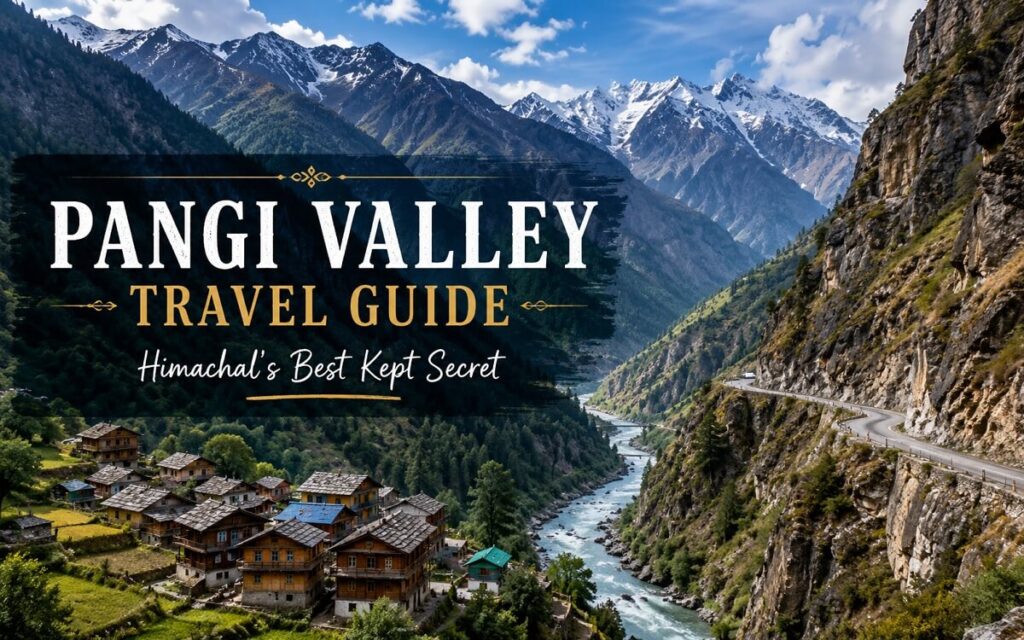
Located in the Chamba district of Himachal Pradesh, Pangi Valley is one of those rare destinations where the journey is as powerful as the destination. It is not a place of luxury resorts, crowded viewpoints, or easy weekend tourism. Instead, it is a valley of narrow roads, dramatic cliffs, wooden homes, ancient temples, snow-fed rivers, quiet villages, alpine slopes, tribal culture, and a silence that modern travel has almost forgotten.
Pangi Valley is often called one of Himachal’s best kept secrets because it remains far away from the usual tourist circuit. It is surrounded by high mountain ranges and is accessible mainly through seasonal road routes. The valley is closely connected with Killar, the administrative headquarters of Pangi, and is often reached via Sach Pass from Chamba or through the Lahaul side via Keylong, Udaipur, and Tindi. Himachal Tourism also lists Pangi among its unexplored regions and notes that it is around 164 km from Chamba, with May to October generally considered the better visiting period.
A trip to Pangi Valley is not for everyone, and that is exactly what makes it special. It is ideal for travelers who prefer slow journeys, remote Himalayan culture, road adventures, photography, village stays, trekking, and nature in its purest form. If your idea of travel is to disconnect from noise and reconnect with landscapes, people, and yourself, Pangi Valley deserves a place on your Himachal itinerary.
Where Is Pangi Valley Located?
Pangi Valley is located in the Chamba district of Himachal Pradesh, in the northwestern Himalayas. The region lies beyond the more accessible parts of Chamba and is surrounded by rugged mountains, deep gorges, and high-altitude passes. The valley is shaped by the Chandrabhaga, also known as the Chenab River, and its tributaries, creating a dramatic landscape of steep slopes, river valleys, forests, and terraced villages.
The main town and administrative center of the valley is Killar, often written as Kilar. Most travelers use Killar as the base for exploring nearby villages, temples, viewpoints, and trekking routes.
What makes Pangi Valley unique is its isolation. Unlike other popular places in Himachal, it cannot be reached easily throughout the year. Heavy snowfall and difficult terrain often cut off the region during winter months. Road access usually depends on snow clearance, weather conditions, and landslide activity. This seasonal isolation has helped preserve the valley’s traditional lifestyle, architecture, language, customs, and natural charm.
Why Visit Pangi Valley?
Pangi Valley is not a checklist destination. You do not go there just to cover attractions. You go there to experience a different rhythm of the Himalayas.
Here is why Pangi Valley is worth visiting:
1. It Is One of Himachal’s Most Remote Valleys
Pangi still feels far from mass tourism. The roads are challenging, the villages are small, and the pace of life is slow. This remoteness gives the valley its strongest appeal. You will not find busy mall roads or commercial tourist markets here. Instead, you will find raw mountain landscapes and authentic village life.
2. The Road Journey Is Unforgettable
Whether you travel via Sach Pass or enter from the Lahaul side, the route to Pangi Valley is an adventure in itself. Sach Pass is known for its rugged mountain road, snow walls in early season, water crossings, sharp bends, and dramatic views. The Keylong-Udaipur-Tindi-Killar route is also scenic, passing through remote Himalayan terrain and river valleys.
3. It Offers Authentic Tribal Culture
Pangi has a distinct cultural identity. Its people, architecture, festivals, food habits, and village traditions are different from the mainstream tourist image of Himachal. Travelers interested in culture, anthropology, photography, and local life will find the valley fascinating.
4. It Is Perfect for Offbeat Travelers
If you have already visited Shimla, Manali, Dharamshala, Dalhousie, and Spiti, Pangi offers something deeper and less explored. It is suitable for travelers who enjoy uncertainty, simplicity, and nature without heavy commercialization.
5. It Is Beautiful in a Raw Way
Pangi Valley is not manicured beauty. It is wild beauty. Expect deep gorges, pine and deodar forests, river crossings, hanging roads, wooden houses, stone villages, mountain farms, waterfalls, and snow peaks in the distance.
Best Time to Visit Pangi Valley:
The best time to visit Pangi Valley is from late May or June to October, depending on road conditions. Himachal Tourism mentions May to October as a suitable period for visiting the unexplored Pangi region.
However, the best month for your trip depends on the route you choose and the kind of experience you want.
May to June: Early Season Beauty
This is when snow begins to melt and the region starts opening up. If roads are accessible, you may see snow near higher passes and fresh greenery in the lower valley. However, Sach Pass may not always be fully open early in the season. Road status should be checked before planning.
July to September: Main Travel Season
This is the most practical window for a Pangi Valley trip. Sach Pass generally becomes accessible during this period, depending on snow clearance and weather. The valley is green, villages are active, and road connectivity is usually better than early summer.
The only concern is the monsoon. Landslides, roadblocks, and water crossings can affect travel, especially on the Chamba-Sach Pass side. Keep buffer days in your itinerary.
September to October: Best for Clear Views
September and early October are among the best months for Pangi Valley. The monsoon begins to retreat, skies become clearer, and the landscapes turn golden. It is a great time for photography, road trips, and village exploration. Nights can become cold, so pack warm clothes.
November to April: Avoid Unless You Are Experienced
Winter is harsh in Pangi Valley. Snowfall can block roads and isolate villages. For regular travelers, winter is not recommended. Only locals, government workers, and highly experienced mountain travelers should consider winter movement, and even then only with proper local support.
How to Reach Pangi Valley:
Reaching Pangi Valley requires planning. The routes are seasonal, remote, and often affected by weather. The two most common approaches are:
- Chamba to Killar via Sach Pass
- Manali or Keylong to Killar via Udaipur and Tindi
A recent offbeat travel guide notes that the Chamba-Killar route via Sach Pass is around 159 km and can take 8 to 12 hours because of rough terrain, hairpin bends, water crossings, and road conditions. It also notes that the Keylong-Killar route is around 130 km and is often considered less difficult than the Sach Pass route, though still rough in many stretches.
Route 1: Chamba to Pangi Valley via Sach Pass
This is the classic adventure route.
Typical route:
Pathankot / Dalhousie / Chamba → Tissa → Bairagarh → Sach Pass → Killar
This route is dramatic and challenging. Sach Pass is the gateway between Chamba and Pangi Valley. It is loved by bikers, off-road travelers, and adventure seekers, but it should not be underestimated.
The road can include broken patches, steep climbs, slush, waterfalls, and narrow cliff sections. It is best suited for experienced drivers, SUVs, high-ground-clearance vehicles, and well-prepared bikers.
Best for: Adventure road trips, bikers, photographers, experienced mountain travelers
Avoid if: You are uncomfortable with rough roads, heights, or uncertain travel conditions
Route 2: Manali to Pangi Valley via Keylong, Udaipur and Tindi
This route is often preferred by travelers who want to combine Pangi Valley with Lahaul.
Typical route:
Manali → Atal Tunnel → Keylong → Udaipur → Tindi → Killar
This route is still remote but may feel more manageable than Sach Pass for some travelers. It gives you the advantage of exploring Lahaul Valley along with Pangi.
Best for: Travelers combining Lahaul and Pangi, first-time visitors, scenic road trips
Avoid if: You are short on time or traveling in bad weather
By Bus
Seasonal bus services may operate between Chamba and Killar when the road is open, but schedules depend heavily on road and weather conditions. A recent travel guide notes that HRTC usually runs seasonal Chamba-Killar services during the open months, but delays and cancellations are possible due to landslides or roadblocks.
For a smoother trip, check locally at Chamba, Killar, or Himachal Road Transport Corporation counters before relying on public transport.
By Air
The nearest practical airports are:
However, none of these airports are very close to Pangi Valley. You will still need a long road journey after landing.
By Train
The nearest major railheads are:
- Pathankot
- Chandigarh
- Jammu Tawi
Pathankot is often used by travelers approaching Pangi through Chamba and Sach Pass.
Popular Himachal Tour Itineraries:
- Shimla Weekend Tour – 3 Nights / 4 Days
- Manali Vacation Package – 4 Nights / 5 Days
- Dalhousie Dharamshala Holiday – 4 Nights / 5 Days
- McLeod Ganj Mini Trip – 2 Nights / 3 Days
- Shimla Manali Vacation – 7 Nights / 8 Days
- Himachal Triangle Tour: Shimla, Manali & Dharamshala – 6 Nights / 7 Days
- Hidden Himachal Tour Package – 8 Nights / 9 Days
- Himachal and Amritsar Explorer – 9 Nights / 10 Days
Is Pangi Valley Safe to Visit?
Pangi Valley is generally safe in terms of local people, culture, and hospitality. The main risks are related to terrain and weather.
The roads can be narrow, broken, and exposed. Landslides, snow, rain, water crossings, and sudden roadblocks are possible. Mobile networks can be weak or unavailable in many areas. Medical facilities are limited compared to mainstream towns.
Travel safely by following these rules:
- Check road status before starting.
- Avoid night driving.
- Keep buffer days.
- Carry warm clothes even in summer.
- Travel with a reliable driver if you are not experienced.
- Carry basic medicines, snacks, water, and cash.
- Do not depend fully on online maps.
- Respect local advice.
Pangi is not dangerous if you travel responsibly, but it is not a casual picnic route either.
Top Places to Visit in Pangi Valley:
Pangi Valley is not full of commercial tourist spots. Its charm lies in villages, rivers, temples, trails, and landscapes. Here are the main places and experiences to include.
1. Killar
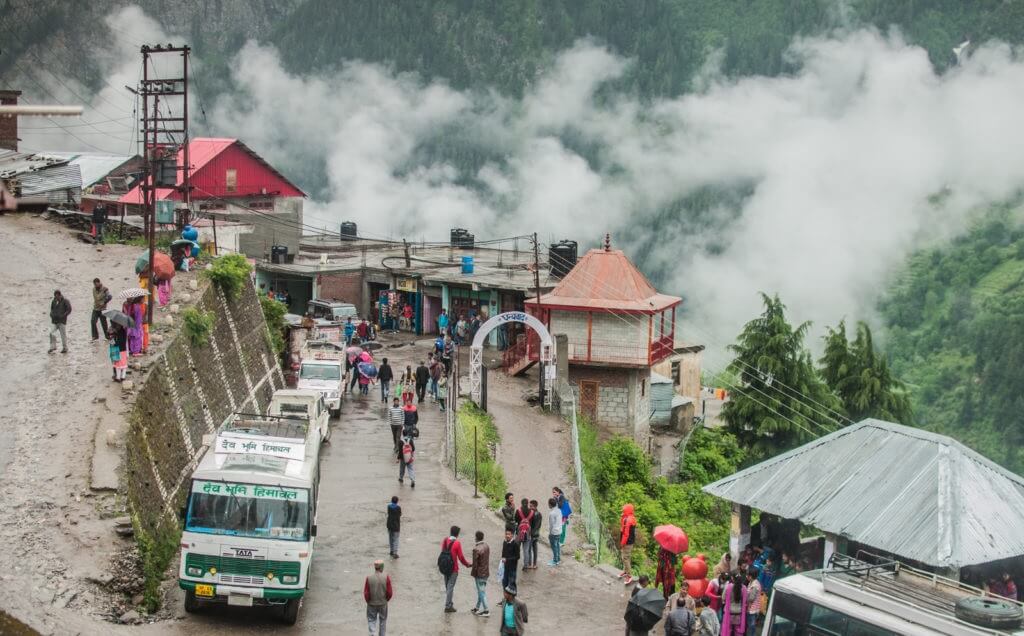
Killar is the main town and administrative headquarters of Pangi Valley. It is usually the first major stop for travelers entering the valley. Surrounded by mountains and close to the Chandrabhaga River, Killar is a practical base for accommodation, food, local transport, and onward exploration.
Do not expect a polished tourist town. Killar is simple, functional, and remote. That is part of its charm. Spend time walking around, interacting with locals, observing village life, and enjoying the slow mountain atmosphere.
Things to do in Killar:
- Explore local markets
- Visit nearby villages
- Photograph traditional wooden houses
- Enjoy views of the valley
- Use it as a base for excursions
- Experience local food and hospitality
Killar is also a good place to understand how isolated communities adapt to difficult geography. Life here is shaped by seasons, road access, agriculture, and mountain traditions.
2. Sach Pass
A guide to Pangi Valley is incomplete without mentioning Sach Pass. Located on the route between Chamba and Killar, Sach Pass is one of Himachal’s most adventurous road crossings. It connects Chamba Valley with Pangi and is often considered one of the toughest motorable passes in the region.
The journey to Sach Pass includes dense forests, waterfalls, rocky tracks, snow patches, sharp bends, and high-altitude views. For many travelers, crossing Sach Pass is the highlight of the entire Pangi trip.
Why Sach Pass is special:
- It offers a raw Himalayan road adventure.
- It connects two very different landscapes.
- It is ideal for bikers and offbeat road trippers.
- It gives dramatic views of snow and rugged terrain.
- It feels far removed from regular tourist routes.
However, Sach Pass demands caution. Road conditions can change quickly. Avoid attempting it without checking weather and local updates.
3. Dharwas Village
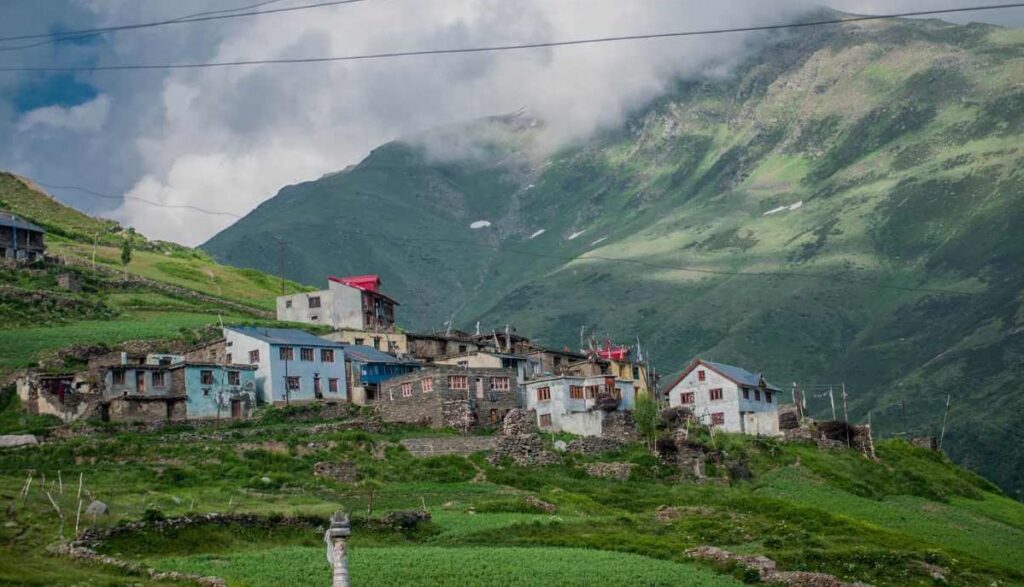
Dharwas is among the important villages in the Pangi region and is known for its peaceful mountain setting. It gives travelers a closer look at traditional Pangi lifestyle. The village is surrounded by natural beauty and offers opportunities for slow walks, photography, and cultural observation.
Dharwas is ideal for travelers who enjoy village-based travel rather than sightseeing-heavy itineraries. The charm lies in the details: wooden homes, fields, mountain backdrops, local conversations, and the feeling of being far from modern chaos.
Best for: Village walks, photography, local culture, peaceful stays
4. Sural Valley
Sural Valley is one of the most beautiful side valleys in the Pangi region. It is known for its remote charm, scenic surroundings, and traditional settlements. The route itself is picturesque and gives travelers a deeper experience of Pangi’s rugged beauty.
Sural is also associated with trekking routes and high-altitude landscapes. For those interested in exploring beyond Killar, this valley offers a rewarding detour.
Things to experience in Sural Valley:
- Remote village life
- Mountain scenery
- Nature walks
- Photography
- Local culture
- Possible trekking routes with local guidance
Because this is a remote area, always ask locally about road conditions and accessibility before planning a visit.
5. Hudan Valley
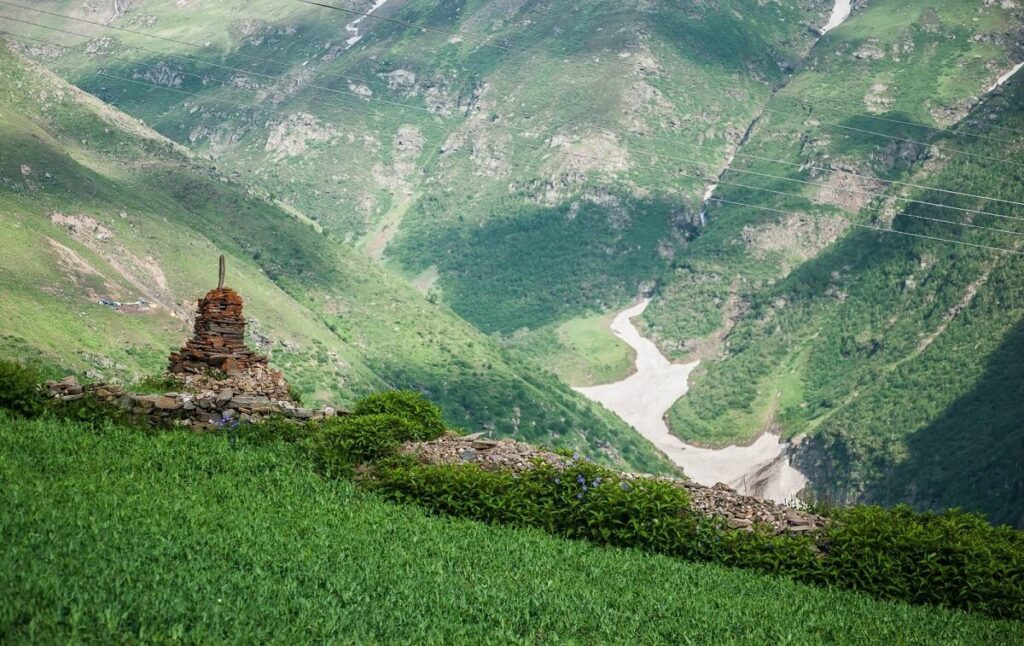
Hudan Valley is another scenic part of Pangi that attracts travelers looking for solitude and natural beauty. It is less known than many Himalayan valleys, which makes it perfect for those who prefer quiet exploration.
The valley has traditional settlements, mountain slopes, and a deeply rural atmosphere. It is a good place to slow down and experience Pangi beyond the main route.
Best for: Offbeat exploration, village culture, landscape photography
6. Mindhal Mata Temple
Mindhal Mata Temple is one of the most revered spiritual sites in the Pangi region. The temple holds deep importance for locals and reflects the valley’s religious and cultural identity.
A visit to Mindhal Mata Temple is not only about worship. It is also a way to understand how faith, community, and geography are connected in remote Himalayan life. Local deities play an important role in village traditions across Himachal, and Pangi is no exception.
Travel tip: Dress modestly, respect local customs, and ask before photographing religious spaces or rituals.
7. Parmar Valley & Nearby Villages
Pangi is dotted with lesser-known villages that can be explored from Killar depending on road conditions. These villages offer some of the most meaningful travel experiences in the region.
Instead of rushing through viewpoints, spend time walking through village lanes, speaking with residents, understanding local farming patterns, and observing the architecture. Pangi’s wooden houses, slate roofs, storage structures, and prayer spaces tell stories of adaptation and survival in a harsh mountain region.
8. Chandrabhaga River Views
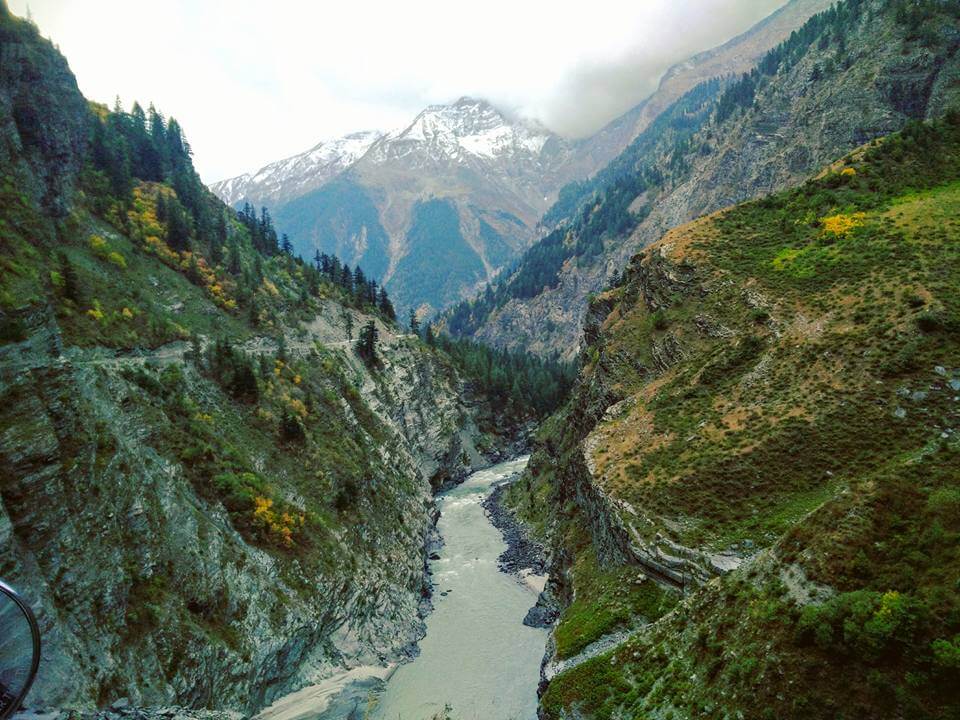
The Chandrabhaga River, known downstream as the Chenab, is one of the defining natural features of the region. Its presence gives the valley a dramatic character. In many places, the river flows through deep gorges, with roads cut into cliffs above it.
The river views are especially striking during road journeys. Stop only at safe places and avoid standing close to unstable edges.
9. Trekking Around Pangi Valley
Pangi Valley has great trekking potential, but it is not a highly organized trekking destination like Manali, Kasol, or Uttarakhand’s popular routes. Many trails are local, seasonal, and require guidance.
Possible trekking experiences include:
- Village-to-village walks
- Forest trails
- High meadow routes
- Side valley explorations
- Pass-based trekking with experienced guides
If you are planning a trek, do not go alone. Hire a local guide, carry proper gear, and check weather conditions. Remote trekking in Pangi can be beautiful but demanding.
Things to Do in Pangi Valley:
1. Take a Slow Road Trip
Pangi Valley is one of the best road trip destinations in Himachal for travelers who love raw mountain journeys. The routes are challenging, but the rewards are unforgettable.
Drive slowly. Stop often. Let the landscape unfold. The road itself is the experience.
2. Explore Traditional Villages
Pangi’s villages are the soul of the valley. Spend time in Killar, Dharwas, Sural, Hudan, and other accessible settlements. The traditional homes, fields, temples, and local life offer a deeper understanding of the region.
3. Photograph Untouched Himalayan Landscapes
Pangi Valley is a dream for photographers. You can capture:
- Wooden houses
- Snow peaks
- River gorges
- Winding mountain roads
- Local people
- Forest trails
- Rural festivals
- Changing light over the valley
Always ask permission before photographing people.
4. Visit Local Temples
Temples in Pangi are culturally important and often linked with local deities and community traditions. Mindhal Mata Temple is one of the key religious places to visit.
5. Try Local Food
Food in Pangi is simple, seasonal, and shaped by the mountain climate. Do not expect restaurant-style variety everywhere. Instead, enjoy local meals at homestays or small dhabas.
Common food may include rice, dal, rajma, local grains, vegetables, rotis, tea, and traditional Himachali preparations depending on availability.
6. Experience Homestay Hospitality
Homestays are among the best ways to experience Pangi Valley. They offer basic comfort, home-cooked food, local stories, and a chance to understand life in one of Himachal’s remote regions.
7. Disconnect from Digital Noise
Internet and phone connectivity can be patchy. Instead of treating this as a problem, see it as part of the Pangi experience. Read, walk, observe, write, photograph, and rest.
6-Day Pangi Valley Itinerary via Chamba and Sach Pass:
Day 1: Pathankot or Dalhousie to Chamba
Arrive in Chamba and spend the day exploring the old town. Visit temples, stroll through the market, and prepare for the remote journey ahead. Stay overnight in Chamba.
Day 2: Chamba to Bairagarh or Tissa
Drive toward Tissa or Bairagarh. This helps break the journey before the difficult Sach Pass crossing. Stay overnight and check road conditions locally.
Day 3: Bairagarh to Killar via Sach Pass
Start early. Cross Sach Pass and descend toward Killar. This will be the most adventurous day of the trip. Expect rough roads, slow driving, and dramatic views. Reach Killar by evening if conditions are favorable.
Day 4: Explore Killar and Nearby Villages
Spend the day around Killar. Visit local villages, enjoy valley views, and experience local life. Keep the day relaxed after the tough road journey.
Day 5: Visit Sural or Hudan Valley
Take a day trip to one of the nearby side valleys depending on road conditions. Explore villages, temples, and scenic landscapes.
Day 6: Return via Sach Pass or Continue Toward Lahaul
You can return to Chamba via Sach Pass or continue toward Lahaul through Tindi, Udaipur, and Keylong if the route is open. A round trip entering from Chamba and exiting through Lahaul gives a richer Himalayan experience.
7-Day Pangi Valley Itinerary via Manali and Lahaul
Day 1: Manali Arrival
Arrive in Manali and rest. Prepare for the journey ahead.
Day 2: Manali to Keylong
Drive through Atal Tunnel and enter Lahaul Valley. Stay overnight in Keylong.
Day 3: Keylong to Killar via Udaipur and Tindi
Drive toward Killar through remote landscapes. The route is scenic and rugged. Reach Killar and stay overnight.
Day 4: Killar Local Exploration
Explore Killar and nearby villages. Visit local temples and enjoy the peaceful atmosphere.
Day 5: Sural Valley or Hudan Valley Excursion
Take a side trip to one of Pangi’s beautiful valleys. Return to Killar for the night.
Day 6: Killar to Bairagarh via Sach Pass
Cross Sach Pass and descend toward the Chamba side. Stay at Bairagarh or continue to Chamba depending on time and road conditions.
Day 7: Chamba to Pathankot or Dalhousie
End the trip with a relaxed drive toward Pathankot, Dalhousie, or your onward destination.
Where to Stay in Pangi Valley
Accommodation in Pangi Valley is basic. Do not expect luxury hotels or large resorts. The best options are:
- Local guesthouses
- Homestays
- Government rest houses, if available
- Small lodges in Killar
- Basic stays in nearby villages
Killar has the most practical stay options. Homestays are recommended for travelers who want a more authentic experience.
Important stay tips:
- Book in advance during the short travel season.
- Carry cash, as digital payments may not always work.
- Confirm meals before arrival.
- Do not expect luxury facilities.
- Carry your own toiletries and medicines.
- Keep expectations realistic.
Pangi rewards travelers who value simplicity.
What to Eat in Pangi Valley
Food in Pangi Valley is simple, warming, and local. In remote areas, meals depend on seasonal availability and household supplies.
You may find:
- Dal and rice
- Rajma
- Local vegetables
- Roti
- Siddu or local bread in some areas
- Tea
- Simple Himachali meals
- Home-cooked food at homestays
Do not expect café culture or multi-cuisine restaurants. Carry snacks, dry fruits, energy bars, and water, especially for road journeys.
What to Pack for Pangi Valley:
Packing well is important for Pangi because shops and facilities are limited.
Clothing
- Warm jacket
- Fleece or sweater
- Thermals in early or late season
- Rain jacket
- Comfortable trekking shoes
- Woolen socks
- Gloves and cap
- Sunglasses
- Sun hat
Essentials
- Personal medicines
- First-aid kit
- Power bank
- Torch or headlamp
- Offline maps
- Water bottle
- Snacks
- Cash
- ID proof
- Sunscreen
- Lip balm
- Toilet paper
- Hand sanitizer
For Road Trips
- Spare tyre
- Basic tool kit
- Tow rope
- Extra fuel, if advised locally
- Vehicle documents
- Emergency food and water
- Car charger
- Blanket
Pangi Valley for Bikers
Pangi Valley is a dream route for experienced bikers. The Sach Pass-Pangi-Lahaul circuit is one of the most thrilling rides in Himachal. But it is not ideal for beginners.
Bikers should prepare carefully:
- Ride only with proper gear.
- Use a well-serviced bike.
- Carry puncture repair kit.
- Avoid riding alone.
- Keep rain protection ready.
- Start early.
- Avoid speeding on blind turns.
- Be careful near water crossings.
- Check brakes before descents.
- Carry extra fuel if needed.
The ride is adventurous, but safety should come before thrill.
Pangi Valley for Families
Pangi Valley can be visited with family, but only if everyone is comfortable with long journeys, basic stays, rough roads, and limited facilities.
It may not be suitable for:
- Very young children
- Elderly travelers with health issues
- People prone to motion sickness
- Travelers looking for luxury comfort
- Those uncomfortable with remote areas
For families, the Lahaul side route may be easier than Sach Pass, depending on current road conditions. Always consult a local operator or driver before finalizing.
Pangi Valley for Solo Travelers
Solo travel in Pangi is possible, but it requires preparation. The region is safe in terms of people, but travel logistics can be difficult.
Solo travelers should:
- Avoid isolated trekking without a guide.
- Stay in known homestays or guesthouses.
- Share route plans with someone.
- Carry enough cash.
- Avoid night movement.
- Use public transport only after confirming schedules.
- Be flexible with delays.
For solo travelers who enjoy remote cultures and slow travel, Pangi can be deeply rewarding.
Responsible Travel in Pangi Valley
Pangi Valley is fragile. Its beauty depends on its remoteness, culture, and natural balance. Visitors must travel responsibly.
Follow These Responsible Travel Practices
- Do not litter.
- Carry your waste back.
- Avoid loud music.
- Respect local customs.
- Dress modestly in villages and temples.
- Ask before photographing people.
- Support local homestays.
- Buy locally when possible.
- Do not disturb wildlife.
- Avoid unnecessary plastic.
- Follow local advice.
Remote places are not just destinations. They are homes. Travel with humility.
Pangi Valley vs Spiti Valley: Which Is Better?
Many travelers compare Pangi Valley with Spiti Valley because both are remote and adventurous. But they are very different.
Choose Pangi Valley If You Want:
- Raw Himalayan roads
- Less tourist presence
- Green valleys and river gorges
- Tribal culture
- Remote villages
- A shorter but intense adventure
- A less commercial experience
Choose Spiti Valley If You Want:
- Cold desert landscapes
- Monasteries
- Better-known routes
- More homestay options
- Wider tourism infrastructure
- Longer circuit trips
Pangi is less famous, less developed, and less predictable. Spiti is remote too, but it has become more popular over the years. If you want a deeper offbeat Himachal experience, Pangi may feel more original.
Pangi Valley Travel Cost:
The cost of a Pangi Valley trip depends on route, vehicle, stay type, and number of days.
Budget Travelers
If using buses and basic homestays, the trip can be affordable. However, public transport is seasonal and limited.
Road Trip Travelers
Costs increase if you hire a private taxi or self-drive SUV. Fuel, driver charges, accommodation, food, and buffer days should be considered.
Bikers
Bike trips can be cost-effective, but maintenance, fuel, permits if required for extended routes, gear, and emergency expenses should be included.
Approximate Expense Factors
- Transport is the biggest cost.
- Homestays are usually basic and reasonably priced.
- Food is simple and not very expensive.
- Emergency buffer is important.
- Hiring local guides for treks adds cost but improves safety.
Always carry extra cash because ATMs and digital payments may not be reliable.
Photography Tips for Pangi Valley
Pangi Valley is visually powerful. To capture it well:
- Shoot early morning and late afternoon.
- Use wide-angle shots for landscapes.
- Capture village details.
- Photograph roads from safe points only.
- Include people only with permission.
- Carry extra batteries.
- Protect camera gear from dust and rain.
- Use a polarizer for mountain skies.
- Do not take risks near cliff edges.
Some of the best images in Pangi are not grand landscapes but quiet moments: smoke rising from a wooden home, a local walking with firewood, prayer flags near a temple, or evening light on a terraced field.
Conclusion: Pangi Valley Is for Travelers, Not Tourists
Pangi Valley is one of the last places in Himachal Pradesh where travel still feels like exploration. It is remote, rugged, unpredictable, and deeply beautiful. It does not offer the comfort of popular hill stations, but it gives something far more valuable: authenticity.
Here, the roads test your patience, the mountains humble you, and the villages remind you that life can still move at the pace of seasons. You do not visit Pangi Valley for easy sightseeing. You visit it to feel the raw Himalayas.
For adventure lovers, photographers, bikers, culture seekers, and slow travelers, Pangi Valley is truly one of Himachal’s best kept secrets. Plan carefully, travel responsibly, respect the land, and let this hidden valley reveal itself one bend, one village, and one mountain silence at a time.
Related Himachal Travel Guides
- Himachal vs Uttarakhand: Which Is Better to Visit?
- Himachal Trip Planning Guide for First-Time Visitors
- Best Places to Visit in Himachal Pradesh in January 2027
- 10 Best Places to Visit in Himachal in February 2027
- Best Places to Visit in Himachal Pradesh in March 2027
- Best Tourist Places to Visit in Himachal in April 2027
- Best Places to Visit in Himachal Pradesh in May 2026
- Best Places to Visit in Himachal Pradesh in June 2026
- Best Cafes and Restaurants in Himachal Pradesh
- Best Honeymoon Destinations in Himachal Pradesh
- Best Places to Visit in Himachal Pradesh in December 2026
- Best Skiing Destinations in Himachal Pradesh
FAQs About Pangi Valley:
1. Where is Pangi Valley located?
Pangi Valley is located in the Chamba district of Himachal Pradesh. It is a remote Himalayan valley connected by seasonal roads through Sach Pass from Chamba and through the Lahaul side via Keylong, Udaipur, and Tindi.
2. What is the best time to visit Pangi Valley?
The best time to visit Pangi Valley is from June to October, depending on road conditions. September and early October are especially good for clear views and pleasant weather.
3. How do I reach Pangi Valley?
You can reach Pangi Valley either from Chamba via Sach Pass or from Manali/Keylong via Udaipur and Tindi. Both routes are scenic and remote, but road conditions must be checked before travel.
4. Is Pangi Valley suitable for family trips?
Pangi Valley is suitable for adventurous families who are comfortable with long drives, rough roads, basic stays, and limited facilities. It may not be ideal for very young children, elderly travelers, or those seeking luxury travel.
5. Is Sach Pass difficult?
Yes, Sach Pass is considered a challenging mountain route. The road can be narrow, rocky, slippery, and affected by snow or landslides. It is best attempted with experienced drivers and suitable vehicles.
6. Are there hotels in Pangi Valley?
Accommodation in Pangi Valley is basic. Killar has guesthouses, homestays, and small lodges. In villages, homestays are the best option for an authentic experience.
7. Do I need a permit to visit Pangi Valley?
Indian tourists generally do not need a special permit for Pangi Valley, but rules can change. Foreign nationals should check current requirements with local authorities before travel.
8. Is mobile network available in Pangi Valley?
Mobile network may be available in parts of Killar, but connectivity can be weak or unavailable in many areas. Download offline maps and inform family before entering the valley.
9. Can I visit Pangi Valley in winter?
Winter travel to Pangi Valley is not recommended for regular tourists because heavy snowfall can block roads and isolate the region. The best travel season is during the open-road months.
10. How many days are enough for Pangi Valley?
A minimum of 5 to 7 days is recommended, depending on your starting point and route. If you want to combine Pangi with Lahaul or Chamba, plan at least 7 to 9 days.
