Hidden among the mist-covered hills of Munnar lies Eravikulam National Park, also known locally as Rajamalai National Park — a breathtaking expanse of high-altitude grasslands, rolling valleys, and shola forests that make it one of South India’s most iconic wildlife destinations.
Located in the Idukki district of Kerala, this park isn’t just about scenic beauty; it’s about preserving one of the most fragile ecosystems of the Western Ghats — home to the endangered Nilgiri Tahr and the rare Neelakurinji flower that blooms only once every twelve years.
For travelers, photographers, and nature enthusiasts, Eravikulam offers a rare combination of accessibility, tranquility, and ecological richness. Let’s explore everything you need to know before visiting — from its history and wildlife to the best time to visit, how to reach, where to stay, and how to plan your perfect trip.
The Spirit of Eravikulam National Park
Eravikulam National Park covers an area of about 97 square kilometers, located approximately 13 km from Munnar town. The park sits in the Kannan Devan Hills, at altitudes ranging from 1,200 meters to over 2,695 meters, where Anamudi Peak — the highest point in South India — proudly stands.
It was originally established as a game reserve in 1975 and was declared a national park in 1978 to protect the Nilgiri Tahr (Nilgiritragus hylocrius), a species of mountain goat endemic to the Western Ghats. Today, it’s one of Kerala’s most visited natural attractions and part of the UNESCO-listed Western Ghats World Heritage Site.
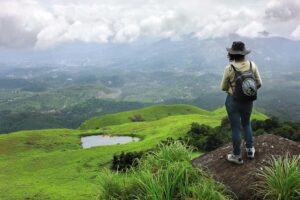
The park’s terrain is characterized by rolling grasslands at higher altitudes and shola forests (dense patches of tropical montane forests) that grow in valleys and hollows. This combination supports an extraordinary range of flora and fauna found nowhere else in India.
Location and Geography
- State: Kerala
- District: Idukki
- Nearest Town: Munnar (13 km)
- Altitude Range: 1,200 m to 2,695 m
- Coordinates: 10°09′N 77°06′E
The park forms part of the Anamalai sub-cluster of the Western Ghats, bordered by Tamil Nadu on the east. It experiences cool mountain weather most of the year, with mist and rain giving it a surreal, cloud-covered landscape.
The Anamudi Peak, located within the park, stands as a prominent symbol of South India’s natural pride. However, direct trekking to the peak is now restricted to protect the environment, though visitors can enjoy panoramic views from the Rajamalai tourist area, a designated section open to the public.
History and Conservation Significance
Eravikulam’s conservation story is one of India’s earliest success models. In the early 20th century, the area was part of tea plantations managed by the Kannan Devan Hills Produce Company under British control. Hunting of Nilgiri Tahrs was common until it was banned in the 1950s.
In 1975, recognizing the ecological importance of this landscape, the Kerala Department of Forests declared it a wildlife sanctuary. Later, in 1978, it gained National Park status to strengthen protection for the Nilgiri Tahr population and its unique montane ecosystem.
Today, the park is managed by the Kerala Forest Department under strict eco-tourism guidelines. It remains one of the best examples of responsible tourism in India, balancing conservation with controlled public access.
Flora – The Green Soul of the Park
The vegetation in Eravikulam changes dramatically with altitude and slope, creating three distinct ecological zones:
a) Grasslands
At higher elevations, you’ll find vast rolling grasslands, covered with short, hardy grasses that can survive strong winds and low temperatures. These open landscapes dominate the park’s skyline and provide grazing ground for the Nilgiri Tahr.
b) Shola Forests
Nestled between the grasslands in valleys and folds are patches of shola forests — dense evergreen vegetation with moss-covered trees, orchids, and ferns. These forests act as natural water catchments and are essential for maintaining the hydrology of the Western Ghats.
c) Shrubland and Wetlands
The lower regions feature shrubs and small streams that eventually feed into larger rivers. During the monsoon, these streams transform into waterfalls and cascades, making the terrain even more picturesque.
Notable Plant Species:
- Rhododendrons (rare in southern India)
- Strobilanthes (Neelakurinji flower)
- Impatiens and balsams
- Wild orchids
- Ferns and lichens
The Neelakurinji (Strobilanthes kunthiana) is especially famous. This blue-violet flower covers the hills once every twelve years — the last bloom was in 2018, and the next is expected in 2030.
Fauna – Wildlife Encounters in the Clouds
Eravikulam is synonymous with the Nilgiri Tahr, but the park’s biodiversity goes far beyond that. More than 25 species of mammals, 120 species of birds, and 100+ species of butterflies have been recorded here.
Key Mammals
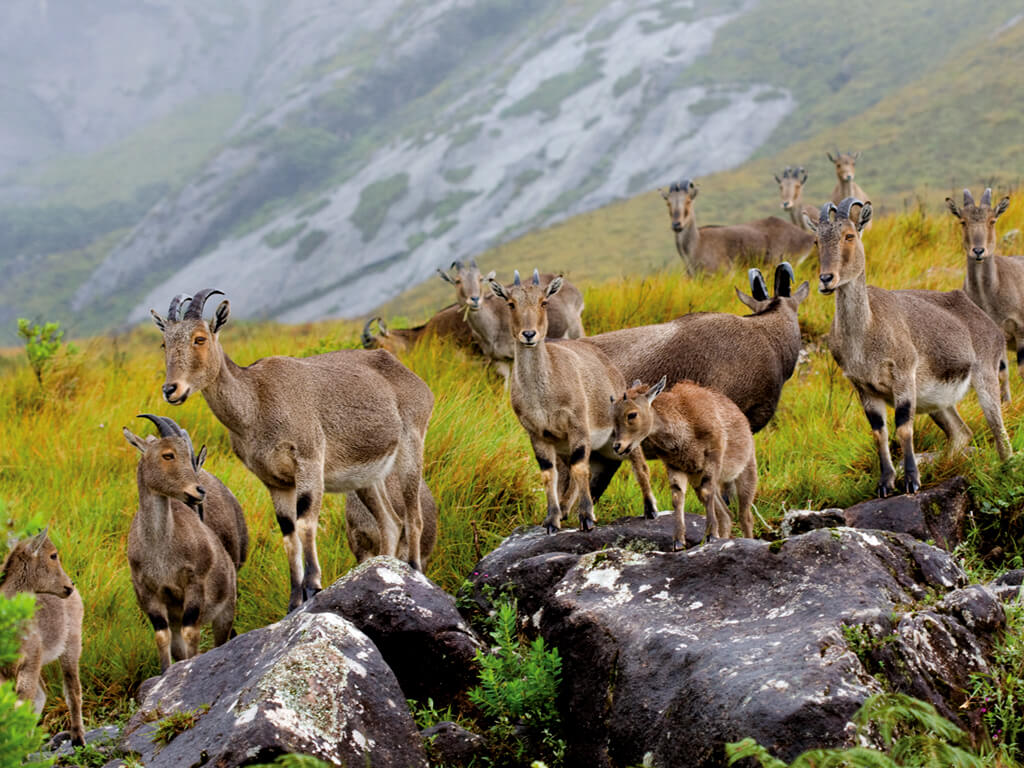
- Nilgiri Tahr: The park harbors the world’s largest population of this endangered species, with around 750–800 individuals.
- Sambar Deer
- Indian Muntjac (Barking Deer)
- Golden Jackal
- Dusky Palm Squirrel
- Nilgiri Marten (a rare carnivore found only in the Western Ghats)
Birds
The altitude and vegetation make it a haven for high-altitude birds:
- Black-and-orange Flycatcher
- Nilgiri Pipit
- White-bellied Shortwing
- Kerala Laughingthrush
- Painted Bush Quail
- Hill Swallow
Best Kerala Tour Packages to Explore
- 8-Day Kerala Tour Package – Explore Nature & Culture
- 6-Day Kerala Hill Station Tour – Munnar & Thekkady Highlights
- 7-Day Kerala Holiday Package – Scenic & Cultural Journey
- 5-Day Kerala Backwater Tour – Alleppey & Kumarakom Cruise
- 5-Day Munnar, Thekkady & Alleppey Travel Itinerary
Reptiles & Amphibians
Eravikulam’s shola forests host a number of endemic frogs and reptiles, including the Raorchestes munnarensis, a frog species found only here.
Butterflies
Butterfly enthusiasts will find over a hundred species fluttering across the meadows, especially during the post-monsoon season.
How to Reach Eravikulam National Park:
By Air
- Nearest Airport: Cochin International Airport (COK) – 120 km away
From the airport, you can hire a taxi or take a bus to Munnar, and from there, proceed to the park.
By Train
- Nearest Railway Stations: Aluva (120 km), Ernakulam (130 km), or Kottayam (142 km).
From the station, continue to Munnar by road.
By Road
Munnar is well-connected by road to major towns like Kochi, Madurai, and Coimbatore. From Munnar, the park entrance at Rajamalai is only 13 km away.
Route Example:
Kochi → Adimali → Munnar → Rajamalai (approx. 4–5 hours drive)
Buses and shared taxis operate regularly, though private vehicles are more convenient for families and photographers who prefer flexibility.
Entry Fees, Timings, and Regulations
| Type | Fee (Approx.) |
| Indian Adults | ₹200 |
| Foreign Tourists | ₹400 |
| Children (Ages 5–12) | ₹100 |
| Still Camera | ₹50 |
| Video Camera | ₹350 |
Visiting Hours: 7:30 AM to 4:00 PM (closed between February and March for Tahr calving season)
Closed Days: The park remains closed during heavy monsoon (occasionally) or special wildlife management periods.
Rules & Regulations:
- Plastic bottles and bags are not allowed.
- No littering, feeding, or disturbing animals.
- Only authorized vehicles of the Forest Department are permitted inside the park.
- Trekking is limited to designated trails.
- Smoking and loud music are strictly prohibited.
Things to Do in Eravikulam National Park:
(i) Wildlife Watching
Spotting the Nilgiri Tahr grazing on rocky slopes is the highlight of every visit. Early mornings or late afternoons are best for sightings when the animals are most active.
(ii) Scenic Walks & Trekking Trails
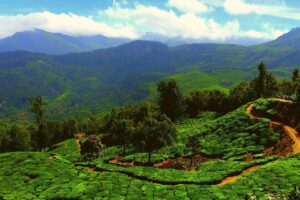
The Rajamalai region is the main visitor zone where a gentle walking trail leads to a panoramic viewpoint. The trail winds through misty meadows, offering wide-angle views of valleys and tea plantations.
For serious hikers, the Anamudi Peak trek (currently restricted) once offered a challenging 8-km ascent through grasslands and forests. You can still view the peak from designated points.
(iii) Photography
The park’s natural lighting, shifting mists, and rolling hills make it a paradise for photographers. Macro photographers will love capturing butterflies, orchids, and mist-covered dew drops.
(iv) Visit During Neelakurinji Bloom
When the Neelakurinji blooms, the park transforms into a vast carpet of purple-blue flowers. Tourists from across the world flock to Munnar during this period.
(v) Bird Watching
Carry binoculars and a notebook — Eravikulam’s elevation offers sightings of endemic and migratory species rarely seen elsewhere.
(vi) Learn at the Interpretation Centre
At the park’s entry, an Interpretation Centre educates visitors about the region’s ecology, geology, and wildlife. It’s a great place to understand what you’ll see inside.
Best Time to Visit Eravikulam National Park:
The park is open most of the year except for the Tahr breeding season (February–March).
| Season | Features |
| Winter (Nov–Feb) | Pleasant and cool; best for clear skies and wildlife sightings. |
| Summer (Mar–May) | Warm but comfortable; good visibility and fewer crowds. |
| Monsoon (Jun–Sep) | Lush greenery and waterfalls; not ideal for exploration due to rain. |
| Post-Monsoon (Oct–Dec) | Crisp weather, clear skies, and vibrant landscapes. |
Ideal Period: September to May.
Suggested Itinerary:
Day Trip Plan (from Munnar)
- 7:00 AM: Depart Munnar after early breakfast.
- 7:45 AM: Arrive at Rajamalai gate; buy tickets.
- 8:15 AM: Board eco-bus to upper viewpoints.
- 9:00–11:00 AM: Explore walking trails, enjoy views, and photograph wildlife.
- 11:30 AM: Visit Interpretation Centre.
- 12:30 PM: Return to Munnar for lunch.
- Afternoon: Visit Lakkom Waterfalls or Tea Museum.
2-Day Plan (Eco Experience)
Day 1: Arrive in Munnar, visit tea gardens and local attractions.
Day 2: Early morning visit to Eravikulam National Park, followed by scenic drive through Marayoor Sandalwood Forest or Top Station.
Nearby Attractions from Eravikulam National Park:
(1) Lakkom Waterfalls
Located 25 km from Munnar, Lakkom Waterfalls is part of the Eravikulam ecosystem. It’s a refreshing stop with natural pools and forest backdrops.
(2) Marayoor
A unique valley famous for sandalwood forests and ancient dolmens (prehistoric stone monuments). About 40 km from the park.
(3) Tea Museum (Tata Tea)
Showcases Munnar’s colonial-era tea history — perfect for combining nature and culture in one trip.
(4) Mattupetty Dam and Echo Point
Calm reservoir surrounded by mountains, ideal for boating and short hikes.
(5) Anamudi Viewpoint
Though direct trekking is restricted, visitors can admire India’s southern peak from multiple lookout points near the park.
Accommodation Options near Eravikulam:
Most visitors stay in Munnar, as no lodging is allowed inside the park.
Popular Hotels & Resorts:
- Tea County Munnar (KTDC)
- Windermere Estate
- Fragrant Nature Munnar
- Amber Dale Luxury Hotel
- Blanket Hotel & Spa
Budget travelers can choose homestays and guesthouses within Munnar town or outskirts like Devikulam or Chithirapuram.
Tip: Book early during the tourist season (November–March) and during Neelakurinji bloom years.
Travel Tips for Visitors
- Arrive Early: The park opens early, and morning light is ideal for photos.
- Buy Tickets in Advance: Online booking (if available) helps avoid long queues.
- No Private Vehicles: Only authorized eco-buses are allowed to minimize pollution.
- Carry Essentials: Water, light snacks, a jacket, and sunscreen.
- Stay Eco-Friendly: Avoid plastic, use reusable bottles, and respect local rules.
- Dress Comfortably: Walking shoes and layers for cool mornings.
- Respect Wildlife: Maintain silence, keep distance, and don’t feed animals.
- Check Seasonal Closure: Confirm park status before travel, especially around February–March.
Responsible and Sustainable Travel
Eravikulam is one of India’s best examples of eco-tourism done right. Travelers play a key role in maintaining its balance.
- Don’t stray from designated paths. Off-trail walking damages fragile grassland.
- Avoid loud noises. They disturb both wildlife and the tranquility of the place.
- Dispose of waste properly. Use bins provided at designated points.
- Support locals. Choose certified guides, local eateries, and artisans.
- Be mindful of photography ethics. No flash on animals, especially Tahrs and birds.
- Learn, don’t exploit. Use your visit to appreciate conservation efforts rather than chase selfies.
Essential Information at a Glance
| Detail | Information |
| Location | Devikulam Taluk, Idukki District, Kerala |
| Area | 97 km² |
| Altitude | 1,200–2,695 m |
| Famous For | Nilgiri Tahr, Anamudi Peak, Neelakurinji Flowers |
| Best Time to Visit | September to May |
| Nearest Town | Munnar (13 km) |
| Nearest Airport | Cochin International (120 km) |
| Entry Fee | ₹200 (Indian), ₹400 (Foreigners) |
| Timings | 7:30 AM – 4:00 PM |
| Closed Months | February–March (Calving Season) |
| Managed By | Kerala Forest Department |
Travel Experience – What It Feels Like
Imagine this: you’re riding an eco-bus from Munnar, climbing winding roads as mist thickens around you. The air cools. Tea gardens fade into wild grasslands. Suddenly, you’re above the clouds — the road ends, and you start walking.
Every step opens up new horizons — emerald hills, silver streams, and the faint echo of bird calls. A herd of Nilgiri Tahrs grazes peacefully, unbothered by your presence. The silence feels sacred.
That’s Eravikulam’s magic — a sense of calm that’s both humbling and energizing. You realize nature here isn’t just scenery; it’s a living, breathing world that has existed for centuries.
Combining Eravikulam with Other Destinations
Munnar is surrounded by plenty of attractions that complement your visit:
- Top Station: The highest point on the Munnar-Kodaikanal road, offering panoramic valley views.
- Mattupetty Dam & Echo Point: Ideal for short boating trips and photo sessions.
- Chinnar Wildlife Sanctuary: Located on the Tamil Nadu border; famous for Indian Star Tortoises.
- Marayoor Sandalwood Forest: Unique landscapes and tribal heritage.
- Kundala Lake: Serene boating destination surrounded by pine forests.
Final Thoughts
Eravikulam (Rajamalai) National Park is where Kerala’s wild heart beats above the clouds. It’s a place where emerald grasslands meet silver mist, where rare flowers bloom once in a lifetime, and where the Nilgiri Tahr still roams free against a timeless backdrop.
Whether you’re a first-time traveler to Munnar or a returning nature lover, a visit to Eravikulam will remind you of how beautiful coexistence with nature can be.
Recommended Kerala Travel Articles
- How to Plan a Perfect 6–8 Day Kerala Vacation
- Best Places to Visit in Kerala – July 2026 Guide
- Kerala in March 2026 – Top Destinations to Explore
- Beautiful Places to Visit in Kerala – August 2026 Edition
- Munnar Travel Guide – Best Places to Visit in August 2026
- Top Destinations for Village Tourism in Kerala
- Most Famous Lakes to Explore in Kerala
- Popular Boat Races in Kerala – Dates & Travel Tips
- Essential Kerala Travel Tips for First-Time Visitors
- Best Places to See in Kerala – September 2026 Travel Guide
Frequently Asked Questions (FAQs)
Q1. Why is Eravikulam also called Rajamalai National Park?
Rajamalai is the tourism zone of Eravikulam National Park — it’s the accessible area open to visitors. The larger park includes several restricted conservation zones.
Q2. How long does it take to explore the park?
A typical visit lasts around 3 hours, including the eco-bus ride, walking trail, and viewpoint.
Q3. Can we trek to Anamudi Peak?
Currently, trekking to Anamudi is not permitted to protect the environment, but viewpoints offer excellent vistas of the peak.
Q4. What is special about the Neelakurinji flower?
It blooms only once every twelve years, covering the hills in violet hues. The next bloom is expected around 2030.
Q5. Are there restaurants or food stalls inside?
Only a small eco-shop and refreshment point are available. It’s best to eat before entering the park.
Q6. Is photography allowed?
Yes, but flash photography and drones are prohibited.
Q7. Can senior citizens visit easily?
Yes, the walking path is gradual, and eco-buses minimize physical strain. Still, moderate fitness is advised.
Q8. Are guided tours available?
Yes, local guides certified by the Forest Department are available and recommended for deeper insight.