If you’ve ever dreamed of high mountain passes above the tree line, views of snow-capped peaks, winding roads that tease adventure, and a valley that still feels like a well-kept secret, then Chanshal Pass and Pabbar Valley should be on your list. This guide walks you through everything a first-time visitor needs to know: how to get there, the best season to explore, what to see and do, where to stay, travel tips, and how to prepare for high-altitude mountain travel.
Chanshal Pass sits in the Himachal Pradesh mountains of northern India, connecting Pabbar Valley to regions beyond with a road that climbs above 12,000 feet. It’s remote, incredible, and often overlooked in favor of more commercial destinations like Manali or Shimla. That’s exactly what makes it special. This guide is written to help you plan a smooth, memorable journey through this beautiful part of the Indian Himalayas.
Quick Overview: Chanshal Pass & Pabbar Valley
Before we dive deep into routes and travel planning, let’s orient you with the essentials:
- Location: Chanshal Pass is in the Shimla district, Himachal Pradesh, India, overlooking Pabbar Valley.
- Elevation: Approximately 12,750 feet (3,886 meters).
- Nearest Towns: Rohru, Dehradun (as a major gateway city), and Shimla.
- Region Type: High-altitude mountain road and alpine pasture lands.
- Best For: Adventure seekers, nature lovers, motorbike road trips, photography, hiking, and cultural experiences.
Why Visit Chanshal Pass & Pabbar Valley?
Chanshal Pass and Pabbar Valley come together to form not just a destination, but a journey. You’re not visiting a single spot. You’re traveling through a landscape that changes with every kilometer. Here’s what makes the area unique:
- Untouched Himalayan Scenery: Unlike heavily commercialized hill stations, Pabbar Valley retains rugged, natural beauty.
- Thrilling Mountain Road: The road over Chanshal Pass is a dream for bikers and road trippers who enjoy twists, climbs, and alpine views.
- Cultural Experience: The valley is dotted with small Himachali villages where traditions are part of everyday life.
- Seasonal Surprises: Whether it’s snow, wildflowers, or crisp autumn skies, every season paints the valley differently.
Best Time to Visit Chanshal Pass & Pabbar Valley:
Choosing when to go is one of the most important parts of planning your trip to Chanshal Pass and Pabbar Valley.
Peak Season: Summer (May to September)
This is when the pass road is usually open and accessible. Days are warm, skies are clear, and the risk of snow blocking the route is lowest.
Pros:
- Most reliable window to reach the pass.
- Wildflowers and green meadows.
- Comfortable daytime temperatures.
Cons:
- Occasional rain and cloud cover.
- Can be busier during Indian holiday months.
Shoulder Season: Autumn (Late September to Early November)
If you time it right, you’ll hit crisp blue skies and minimal rainfall with far fewer crowds.
Pros:
- Great visibility and long-range views.
- Cooler weather perfect for trekking and photography.
Cons:
- Nights turn cold.
- The pass may start closing due to early snow later in October.
Off-Season: Winter (December to March) & Monsoon (July to September)
It’s possible to visit Pabbar Valley in winter but expect challenges:
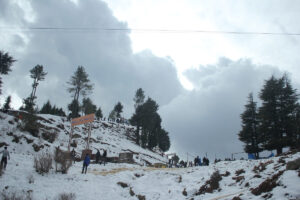
- Chanshal Pass is usually closed in winter due to heavy snow.
- Roads may be slippery or blocked.
- Monsoon can bring landslides and road closures.
Tip: If you want snow, aim for late autumn or early winter and keep travel plans flexible.
Suggested Himachal Tour Itinerary
- 4 Days Shimla Kufri Kasauli Travel Package
- Shimla to Manali Tour Package for 6 Days
- Shimla Manali Dharamshala 7 Day Itinerary
- Shimla Manali Holiday Package for 7 Nights and 8 Days
- Offbeat Himachal Pradesh Tour Itinerary for 9 Days
- 10 Day Himachal Pradesh Complete Sightseeing Tour
- Himachal Temple Tour Package for 5 Days
How to Reach Chanshal Pass & Pabbar Valley:
Getting here takes a bit of planning, but that’s part of the adventure. There are several access routes depending on where you’re coming from.
From Shimla (Himachal Pradesh)
Shimla is a popular starting point if you want scenic roads and smaller mountain towns along the way.
- Distance to Rohru: ~115 km (about 4–5 hours).
- From Rohru to Chanshal Base: ~45–50 km (about 2–3 hours).
Route: Shimla → Theog → Jubbal → Rohru → Sangwari → Bhaloon → Chanshal Pass.
This route is picturesque, passing through orchards, forests, and traditional villages before opening up to high-altitude terrain.
From Dehradun (Uttarakhand)
Dehradun, a major city with good transport links, is a favorite gateway for visitors:
- Distance to Rohru: ~180 km (about 7–8 hours).
- The road from Dehradun climbs steadily toward Pabbar Valley.
Route: Dehradun → Mussoorie → Camp Tibba → Jakhan → Rakkar → Rohru → Sangwari → Chanshal.
This option gives you a gradual introduction to mountain driving and stunning views near Mussoorie before heading up into higher terrain.
From Delhi
Many travelers start from Delhi, which has excellent flight and train connections:
- Distance to Rohru: ~530–550 km (about 12–14 hours by road).
- Recommended as a road trip with overnight stops or by train up to Dehradun and then continuing by taxi or bus.
Road Conditions & Driving Tips:
Mountain driving, especially to high passes like Chanshal, is rewarding and demanding.
Road Type
- Mostly narrow two-way mountain roads.
- Sections are unpaved or gravel, especially near the pass.
- Weather can change road quality quickly.
Tips for Drivers & Riders
- Drive slowly and steadily. High altitude means less oxygen and a higher risk of fatigue.
- Avoid night driving. Roads can be unpredictable after dark.
- Keep fuel topped up. Filling stations are sparse in the valley.
- Check weather and road status. Locals can give current updates.
- For bikes: Off-road or adventure bikes with good suspension are ideal.
Accommodation Options:
Chanshal Pass itself is remote with no formal hotels at the top. But the valley and nearby towns offer a range of places to stay.
Rohru
Often the base for visitors heading toward Chanshal:
- Small hotels and guesthouses.
- Comfortable local stays that give insight into village life.
Sangwari & Bhaloon
Closer to the pass, you will find:
- Homestays and small lodges.
- Great places to stay if you want early access to sunrise views or plan to hike.
Camping
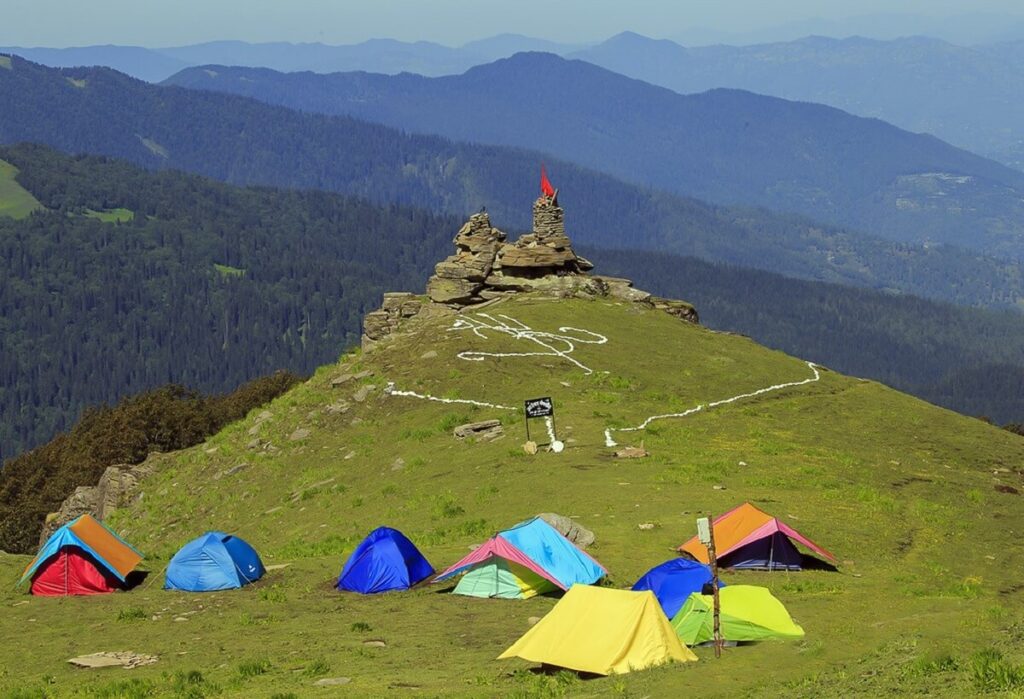
For adventurous travelers, camping near Chanshal Pass is a highlight:
- Best between June and September when snow is minimal.
- Clear night skies and alpine scenery make for unforgettable nights.
What to Do & See Chanshal Pass & Pabbar Valley:
Chanshal Pass and Pabbar Valley offer experiences that go beyond ordinary sightseeing.
1. Drive the Pass Road
The journey itself is a destination. Roads twist through forests, climb steeply, and break into open landscapes with peak views that feel like postcards.
Best Views: Early morning and late afternoon light bring out contrasts in the mountains.
2. Sunrise & Sunset Views
Just below the pass are open ridges perfect for watching changing mountain light. On clear days:
- Sunrise paints the eastern peaks gold.
- Sunset pushes shadows across the valley floor.
3. Short Treks & Walks
From resting spots near the pass, you can explore:
- Alpine meadows and high pasture ridges.
- Quiet walking paths with views that stretch for miles.
No technical gear is needed for these walks, but good hiking shoes are helpful.
4. Meet Local Villages
Small settlements around the valley offer cultural experiences:
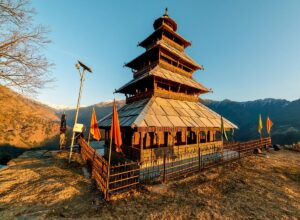
- Traditional Himachali architecture.
- Friendly locals happy to share stories or chai.
5. River & Forest Views
Lower down in Pabbar Valley, the Pabbar River runs through forests and fields, perfect for:
- Photos
- Peaceful riverside walks
- Picnics
Packing Checklist:
For a trip to Chanshal Pass and Pabbar Valley, preparation matters.
Clothing
- Warm layers (even in summer).
- Waterproof jacket.
- Sturdy walking shoes or boots.
- Gloves and beanie for early mornings or evening cold.
Travel Essentials
- Sunscreen and sunglasses.
- Water bottles and snacks.
- First-aid kit.
- Power bank for camera and phone.
- Personal medication.
Vehicle Supplies
- Spare tire and basic tools.
- Jump leads and puncture kit.
- Extra fuel if possible.
Safety & Health Tips
High-altitude travel comes with its own set of challenges.
Altitude Awareness
At over 12,000 feet, some people feel lightheaded or tired:
- Ascend gradually. Plan your stops.
- Stay hydrated. Drink water frequently.
- Avoid alcohol at altitude.
- Recognize symptoms of altitude sickness: headache, nausea, loss of appetite.
If symptoms worsen, descend to a lower altitude and rest.
Weather Shifts
Mountain weather can change fast:
- Carry warm layers even in summer.
- Be ready for rain or snow near the pass.
- Check road conditions before heading out.
Road Safety
- Wear helmets if biking.
- Keep a safe distance from steep edges.
- Watch for landslides in rainy weather.
Local Culture & Cuisine:
Part of traveling to Pabbar Valley is connecting with the people who live here.
Himachali Food
Local cuisine is simple, hearty, and delicious:
- Dham: A festive Himachali feast often served on special occasions.
- Siddu: A steamed bread with rich fillings.
- Madra: Chickpeas cooked in curd and spices.
- Local tea and chai: Great after a cold morning hike.
Small eateries and village homes often serve meals made from fresh, local ingredients.
Traditions
Villages in the valley keep traditional practices alive. You might see:
- Folk music and instruments.
- Handicrafts made from wool and wood.
- Stories shared over tea.
Respect local customs and ask before photographing people.
Day-by-Day Suggested Itinerary:
Here’s a simple itinerary you can adapt based on how much time you have.
Arrival in Dehradun or Shimla
- Reach your gateway city.
- Rest and prepare supplies.
- Overnight stay.
Drive to Rohru
- Start early for mountain driving.
- Enjoy forest roads, orchards, and rising scenery.
- Overnight in Rohru.
Explore Rohru & Pabbar Valley
- Visit local spots and riversides.
- Acclimatize to altitude.
- Optional short walks.
Chanshal Pass Road
- Head up toward Chanshal Pass.
- Stop at scenic points.
- Reach a high camp or viewpoint for sunset.
Rest or Short Hike
- Take a walk near high meadows.
- Return to lower elevations.
- Overnight in village or Rohru.
Return Journey
- Head back to Shimla or Dehradun.
- Overnight or catch onward transport.
Photography & Scenic Highlights
For photography lovers, Chanshal Pass delivers:
- Sweeping valley views.
- Peak silhouettes at sunrise and sunset.
- High alpine landscape without crowds.
- Rivers, bridges, and forested valleys.
Pro tip: Bring a wide-angle lens for landscapes and a zoom for distant peaks.
Responsible Travel Tips
Because this area is still relatively untouched:
- Pack out what you pack in.
- Use reusable water bottles.
- Respect wildlife and livestock.
- Ask permission before entering private land.
Helping preserve the valley’s natural beauty ensures future visitors get the same experience.
Final Words
Chanshal Pass and Pabbar Valley offer a Himalayan experience that feels like discovering a new world. From dramatic mountain roads to alpine meadows and quiet rivers, this region rewards those who take the time to explore it thoughtfully.
If you love nature over crowds, adventure over predictability, and landscapes that stay with you long after the trip ends, pack your bags and head to Pabbar Valley. Your first time will likely not be your last.
Trending Now:
- 8 Best Winter Destinations Near Shimla for Short Trips
- Shimla Weather in January 2026: Temperature, Snowfall & Tips
- Shimla Weather in March 2026: What to Expect & Travel Tips
- Best Places to Visit in Shimla in February 2026
- Offbeat Places to Visit Near Shimla for a Quiet Getaway
- Best Tourist Places to Visit in Shimla in May 2026
- Shimla Tourist Places to Visit in June 2026
- Best Luxury Hotels in Shimla: Top 5-Star Resorts
- Historical Places to Visit in Shimla
- Top Tourist Attractions in Shimla You Should Not Miss
- Best Adventure Activities to Do in Shimla
- Shimla to Manali Tour Itinerary – 5 Nights / 6 Days
- Famous Temples to Visit in Shimla
- Best Places to Visit in Shimla in April 2026
- Top 25 Places to See in Himachal in January 2026
- Himachal Trip Planning Guide for First-Time Travelers
- Top 10 Destinations to Visit Himachal in February 2026
- Himachal Tourist Places to Visit in March 2026
- 10 Best Places in Himachal to Visit in April 2026
Frequently Asked Questions
Can I visit Chanshal Pass in winter?
Typically, no. Heavy snow makes the pass inaccessible. If you want snow, plan for late autumn before full winter closure.
Do I need a permit?
Ordinary tourists generally do not need a permit. Check local authorities during peak season in case of restrictions.
Is the road safe for beginners?
The roads are mountainous and challenging in parts. Beginners should consider going with an experienced driver or guide and avoid night driving.