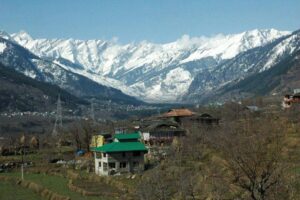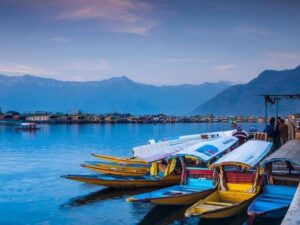
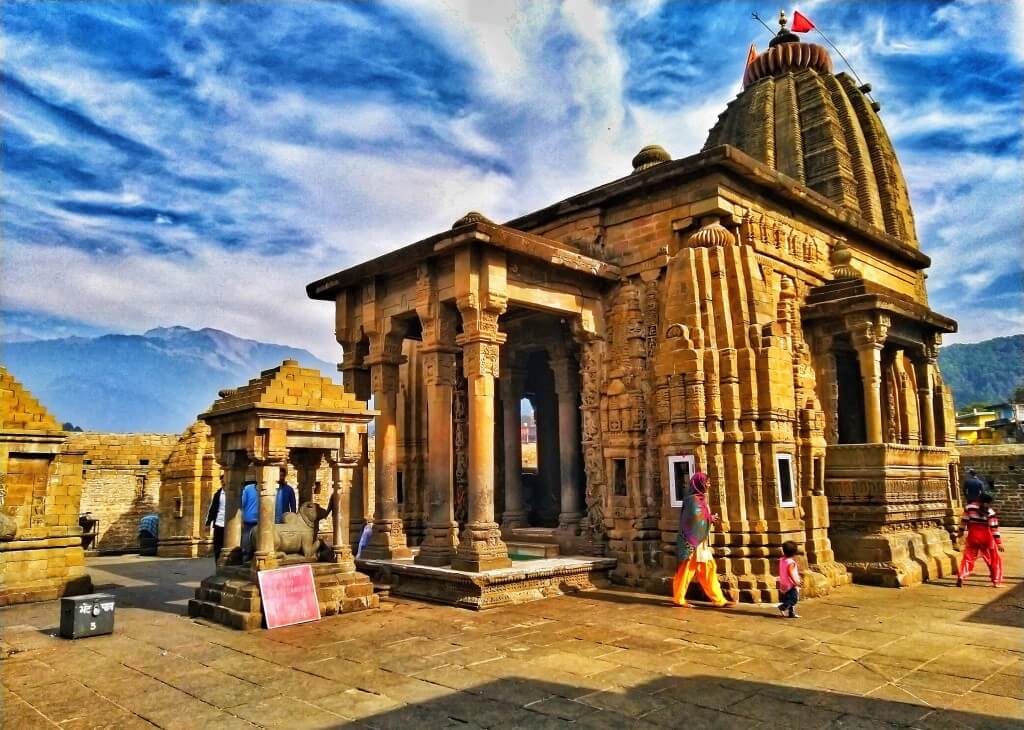
In the lush Kangra Valley of Himachal Pradesh, the Baijnath Temple is one of the most revered shrines dedicated to Lord Shiva. Situated against the majestic backdrop of the Dhauladhar range and along the serene waters of the Binwa River, this ancient temple offers a unique blend of spirituality, history, and natural beauty. Devotees from all corners of India and spiritual travelers from across the world make their way here to seek blessings from Lord Vaidyanath (Shiva as the ‘Lord of Healing’).
Whether you’re a pilgrim seeking divine blessings or a traveler exploring Himachal’s spiritual heartland, this complete travel guide to Baijnath Temple will help you plan a memorable journey.
History & Mythology of Baijnath Temple
Baijnath Temple, built in 1204 AD by two local merchants named Ahuka and Manyuka, is an architectural and spiritual jewel of Kangra. Constructed in the Nagara style of North Indian architecture, the temple has stood the test of time and remains a symbol of devotion and divine power.
According to legend, Ravana, the demon king of Lanka, was an ardent devotee of Lord Shiva. In his quest for immortality, he worshipped Shiva and offered his ten heads in sacrifice. Pleased by his devotion, Lord Shiva granted him a boon and manifested as Vaidyanath, the Lord of Physicians. It is believed that Baijnath is the very place where Shiva appeared to Ravana.
Another legend links the temple to the healing powers of Lord Shiva. Even today, devotees believe that praying here can cure ailments and bring spiritual relief.
The temple has witnessed centuries of history, surviving invasions and natural calamities, yet it remains intact and continues to be a center of Shaivite worship in North India.
Architectural Marvel: Style and Design
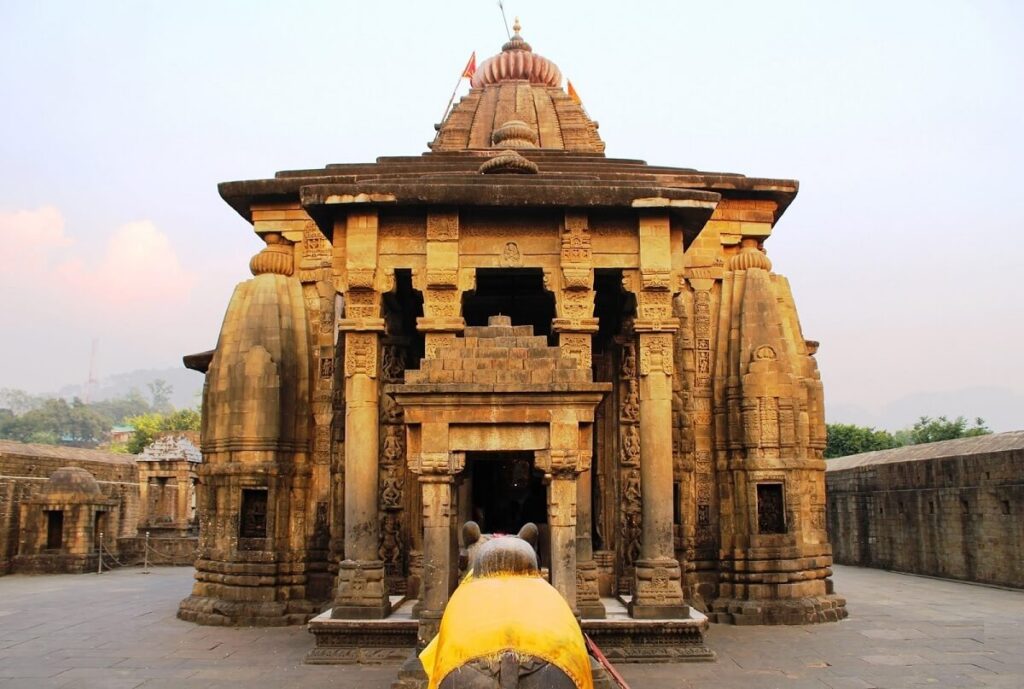
Baijnath Temple is a masterpiece of Nagara-style architecture, evident in its intricate carvings, tall shikhara (spire), and stone walls covered in mythological motifs. The temple stands on a high plinth, and its sanctum (garbhagriha) houses the Shiva lingam, worshipped as Vaidyanath.
The outer walls are adorned with sculptures of gods, goddesses, and celestial beings. Inscriptions on the temple walls reveal historical records and details of its patrons. A mandapa (pillared hall) leads to the sanctum, allowing pilgrims to gather and offer prayers.
Despite several earthquakes over centuries, including the devastating Kangra earthquake of 1905, the temple has sustained minimal damage thanks to its solid stone structure and strategic architectural planning.
Spiritual Significance & Religious Importance
The temple is considered a sacred pilgrimage site and holds immense spiritual significance among Shaivites. Though not officially listed among the 12 Jyotirlingas, many locals and devotees believe it holds similar reverence.
Maha Shivratri is the grandest festival celebrated here. During this time, the temple attracts thousands of pilgrims who participate in night-long prayers, rituals, and cultural programs. Other major observances include Shravan month and Navratri.
Baijnath is not just a religious stop but a source of inner peace and healing. It is common to see yogis, meditators, and spiritual seekers spending days in the tranquil surroundings of the temple.
Scenic Beauty & Natural Surroundings
The temple is surrounded by serene landscapes that elevate the spiritual atmosphere. The Dhauladhar mountains rise majestically in the background, often snow-capped in winter months, adding a surreal beauty to the region.
The Binwa River, a tributary of the Beas, flows nearby, providing a calming soundscape. Lush green deodar forests and terraced fields frame the area, making it a photographer’s delight and a peaceful retreat.
During spring and early autumn, the area is in full bloom, and the views of the valley and river are nothing short of mesmerizing. Nature lovers, too, will find solace here.
Best Time to Visit Baijnath Temple
To experience the best of Baijnath Temple and its surroundings, consider the following seasonal guide:
- March to June: Pleasant weather, blooming flowers, ideal for sightseeing and temple visits.
- September to November: Clear skies, post-monsoon greenery, best time for photography.
- December to February: Cold weather; snow may cover the nearby mountains, but the temple remains accessible.
- Avoid July and August: Monsoon rains can cause landslides and roadblocks.
- Maha Shivratri (usually in February or March): A spiritually vibrant time to visit.
How to Reach Baijnath Temple
Baijnath is well-connected by road, rail, and air. Here’s how to get there:
- By Air: The nearest airport is Gaggal Airport (Dharamshala), about 60 km away. Taxis are available at the airport.
- By Train: The closest station is Baijnath Paprola, part of the narrow-gauge Kangra Valley Railway. Major broad-gauge stations nearby include Pathankot and Una.
- By Road: Regular buses and taxis connect Baijnath to Palampur (16 km), Dharamshala (50 km), and Kangra (50 km). Roads are generally in good condition except during monsoons.
For those driving, NH-154 is the main route connecting Baijnath to other Himachal cities.
Where to Stay in & Around Baijnath
While Baijnath has limited accommodation, nearby towns offer a range of options:
- Budget Stays: Basic lodges and dharamshalas are available near the temple.
- Mid-range Hotels: Palampur (16 km away) has multiple options like Hotel Highland Regency and RS Sarovar Portico.
- Homestays: Scenic homestays in nearby villages offer a cultural experience.
- Luxury: Stay in upscale resorts in Bir-Billing or Dharamshala, within 1-2 hours’ drive.
Booking in advance is recommended, especially during festivals.
Local Food & Dining Options
The local food in Baijnath reflects the flavors of Himachali cuisine. You can find:
- Street food: Samosas, pakoras, jalebi, and tea from local stalls.
- Traditional dishes: Siddu, Rajma Chawal, Chana Madra.
- Vegetarian meals: Available at temple-run langars and nearby eateries.
For better options, Palampur and Bir-Billing have more restaurants and cafes.
Things to Do Near Baijnath Temple
There’s plenty to explore around Baijnath:
- Bir Billing: World-famous for paragliding; also has Tibetan monasteries.
- Tashi Jong Monastery: A peaceful Buddhist center nearby.
- Palampur Tea Gardens: Scenic tea estates and guided tours.
- Andretta: An artist’s village with art galleries and pottery centers.
- Chamunda Devi Temple: A major Shaktipeeth about 30 km away.
- Trekking: Numerous trails into the Dhauladhar ranges.
Whether you’re into adventure, spirituality, or nature, Baijnath offers something for everyone.
Suggested Itinerary: 2–3 Day Trip Plan
Day 1: Arrival at Baijnath, visit the temple, attend evening aarti, explore local market.
Day 2: Morning drive to Bir Billing for paragliding or monastery visit. Return via tea gardens in Palampur.
Day 3: Optional visit to Chamunda Devi Temple or Andretta village. Departure.
Souvenirs and Local Handicrafts
While Baijnath doesn’t have big markets, local villages offer:
- Kullu shawls and woolens
- Handmade Kangra paintings
- Himachali herbal tea and spices
- Tibetan artifacts from Bir
Look for government-run emporiums or local cooperatives for authentic purchases.
Travel Tips for Visiting Baijnath Temple
- Dress modestly; it’s a functioning place of worship.
- Photography is allowed outside; inside may have restrictions.
- Remove footwear before entering temple premises.
- Carry cash; ATMs are limited.
- Avoid plastic; respect local ecology.
Final Thoughts: Why Baijnath is a Must-Visit
Baijnath Temple is more than just a pilgrimage spot. It’s a peaceful retreat in the lap of the Himalayas where history meets faith. Whether you’re meditating by the riverside, exploring the temple carvings, or paragliding in nearby Bir, Baijnath offers an experience that nourishes the soul.
Add Baijnath to your Himachal itinerary and let the divine energy of Lord Shiva and the serenity of nature heal you in ways no words can fully describe.
FAQs about Baijnath Temple
Is Baijnath Temple a Jyotirlinga?
While not officially one of the 12 Jyotirlingas, it is revered similarly in local beliefs.
What are the temple timings?
Usually open from 6 AM to 9 PM daily.
Are foreigners allowed?
Yes, the temple is open to all, regardless of nationality.
More Articles to Explore:
- Hidimba Devi Temple, Himachal Pradesh: Travel Guide
- Complete Guide to Bhimakali Temple in Sarahan
- Temples & Monasteries in Himachal Pradesh
- Mystical Temple of Jwalamukhi, Kangra, Himachal
- Jwala Devi Temple, Himachal – Complete Travel Guide
- Dalai Lama Temple, Dharamshala, Himachal
- Chamunda Devi Temple, Himachal – History & Timings
- Chintpurni Temple, Himachal Pradesh – Travel Guide
- Gurdwara Temple Rewalsar Sahib, Mandi Himachal Pradesh
Recommended for You: