
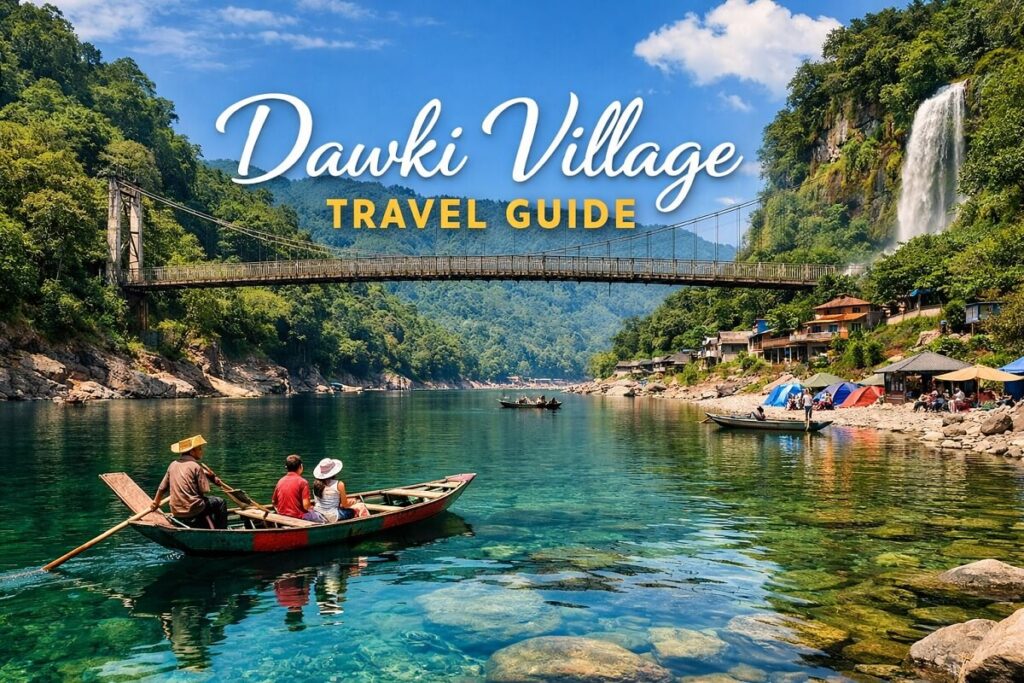
Hidden in the folds of the Jaintia Hills in northeastern India, Dawki is one of those places that quietly stays with you long after you leave. It is small, calm, and unassuming, yet it offers one of the most visually striking natural experiences in the country. Known worldwide for the unreal clarity of the Umngot River, Dawki is not just a scenic stop but a destination that rewards slow travel, curiosity, and respect for nature.
This detailed travel guide to Dawki is written for travelers who want more than a quick photo stop. It covers geography, culture, seasons, transport, attractions, activities, food, accommodation, itineraries, and practical planning advice, so you can experience Dawki in a meaningful and responsible way.
Where Dawki Is and Why It Is Special
Dawki is a small border village located in the West Jaintia Hills district of Meghalaya. It lies close to the India–Bangladesh border and serves as one of the official land routes between the two countries. Geographically, Dawki sits at the meeting point of forested hills and river valleys, creating dramatic contrasts between green slopes and flat plains.
What makes Dawki truly special is its relationship with water. The village sits beside the Umngot River, a slow-moving river whose clarity is so high during dry months that boats appear to float in the air. This phenomenon has made Dawki globally recognizable, but the village itself remains deeply rooted in traditional Khasi life.
Dawki is not a resort town or a busy hill station. It is a lived-in place where trade, agriculture, fishing, and border movement coexist with tourism. This balance is what gives Dawki its quiet authenticity.
About the Umngot River in Dawki
At the heart of Dawki’s identity is the Umngot River, also commonly called the Dawki River. Originating in the hills of Meghalaya, the river flows past Dawki and continues into Bangladesh, where it is known as the Piyain River.
During the winter and early spring months, rainfall is minimal, and the river settles into a calm, glass-like state. With very little sediment, the water becomes extraordinarily transparent. You can see stones, fish, and river plants several meters below the surface. This clarity is not artificial or seasonal tourism magic; it is the result of low pollution, forest cover, and reduced runoff during dry months.
The Umngot River is also culturally important. For local communities, it has long been a source of livelihood, transportation, and food. Fishing and small-scale trade existed here long before tourism arrived.
Best Time to Visit Dawki:
Choosing the right season is essential for experiencing Dawki at its best. Each season offers a different version of the village.
October to February: The Best Overall Experience
This is the most popular and recommended time to visit Dawki. The weather is cool, dry, and comfortable, with daytime temperatures usually ranging between 10°C and 20°C. The Umngot River is at its clearest during these months, making boating and photography exceptional.
Winter mornings can be misty, adding atmosphere to the landscape, while afternoons are bright and ideal for outdoor exploration.
March to April: Pleasant and Less Crowded
Spring brings slightly warmer temperatures and blooming vegetation. The river remains relatively clear, though not as crystal-transparent as in peak winter. This is a good time for travelers who want fewer crowds but still want to enjoy outdoor activities comfortably.
May to September: Monsoon and Transformation
The monsoon season dramatically changes Dawki. Heavy rainfall turns the surrounding hills deep green and activates waterfalls across the region. However, the Umngot River becomes turbulent and loses its clarity due to sediment and runoff.
Road travel can also be affected by landslides and waterlogged sections. While monsoon has its own beauty, it is not ideal for first-time visitors focused on river activities.
Meghalaya Travel Packages:
- Shillong Cherrapunji Dawki Tour for 4 Days
- Meghalaya Trip Itinerary for 4 Days
- Shillong Guwahati Tour Package for 5 Days
How to Reach Dawki:
Despite its remote feel, Dawki is reasonably accessible with proper planning.
By Air
The nearest airport is Shillong Airport at Umroi, approximately 120 kilometers away. Flights are limited, so many travelers prefer flying to Guwahati Airport in Assam, which is better connected to major Indian cities. From Guwahati, Dawki is about 200 kilometers by road.
By Road
Road travel is the most common way to reach Dawki.
- Shillong to Dawki: Approximately 80 kilometers, taking 2.5 to 3.5 hours depending on road conditions.
- Guwahati to Dawki: Around 6 to 7 hours by car.
The drive from Shillong is especially scenic, passing through forested hills, small villages, and viewpoints. Shared taxis, buses, and private cars are all available, though private transport offers greater flexibility.
By Train
The nearest major railway station is Guwahati. From there, onward travel to Dawki is by road only.
Top Places to Visit in and Around Dawki:
1. Umngot River Boating Point
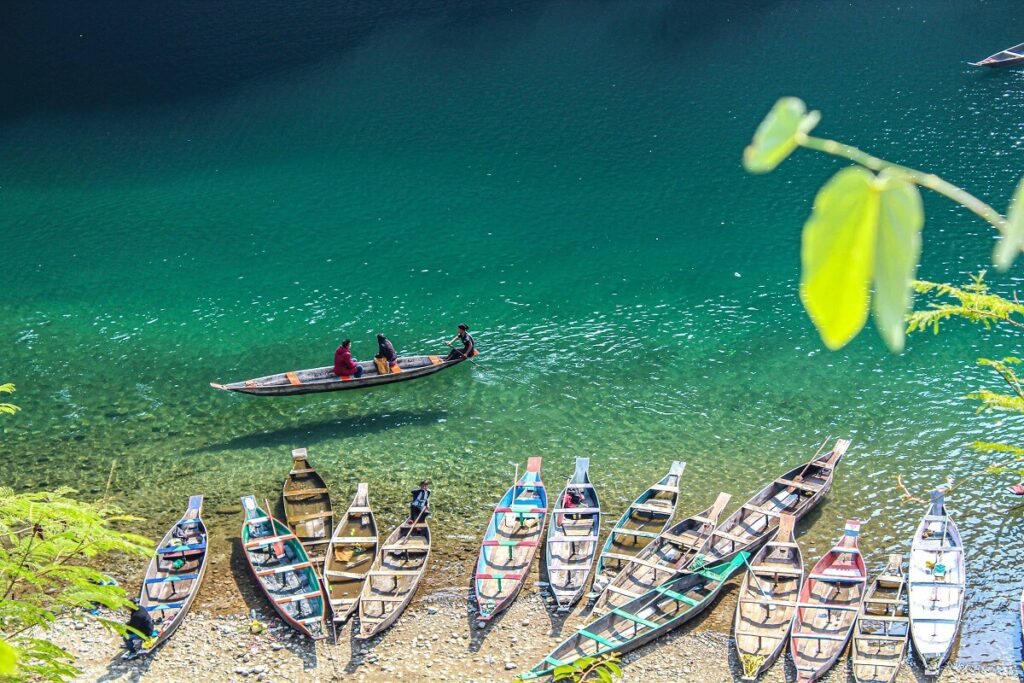
The main attraction in Dawki is the boating area on the Umngot River. Wooden boats operated by local boatmen take visitors for short rides along calm stretches of the river. Early morning and late afternoon are the best times for light and reflections.
2. Dawki Suspension Bridge
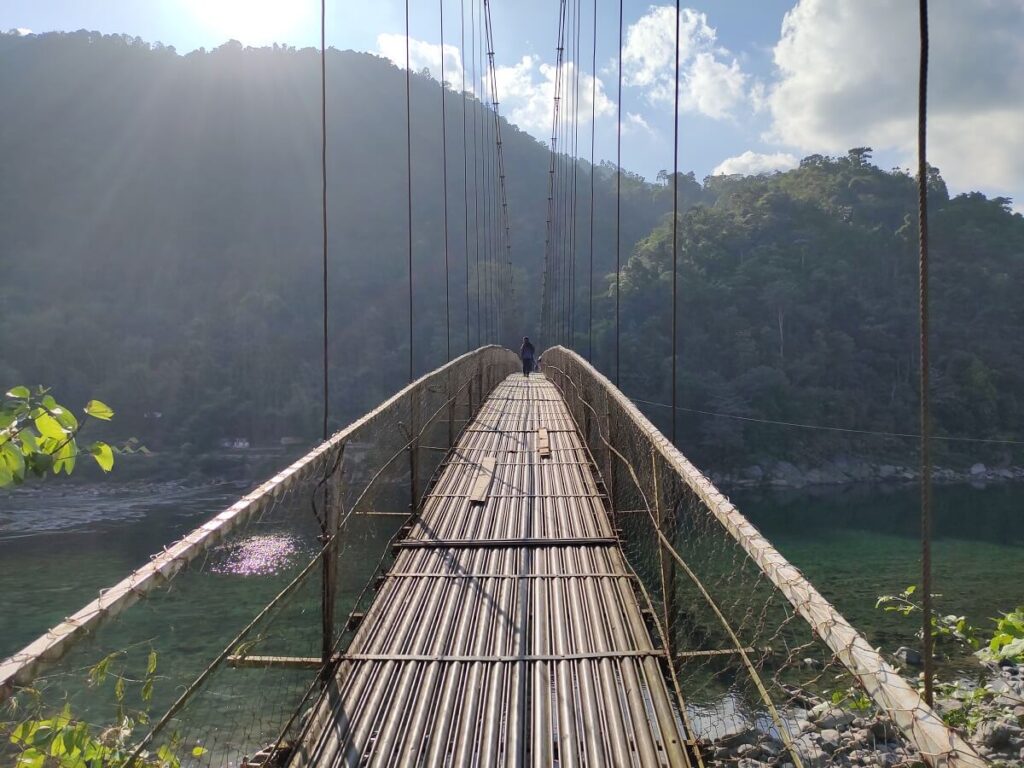
Built during the British era, the suspension bridge over the Umngot River connects Dawki village to nearby areas. Walking across the bridge gives you an elevated view of the river and surrounding hills. It is also a good spot to observe daily village movement and trade activity.
3. Shnongpdeng Village
Located just upstream from Dawki, Shnongpdeng is quieter and more nature-focused. It has become popular for camping, kayaking, snorkeling, and riverside stays. Travelers who prefer fewer crowds often choose to stay here instead of Dawki itself.
4. Darrang Village
Darrang is another peaceful riverside village near Dawki. It offers basic homestays and camps, with a focus on relaxation rather than adventure. It is ideal for travelers seeking solitude and slow mornings by the river.
5. Mawlynnong Village
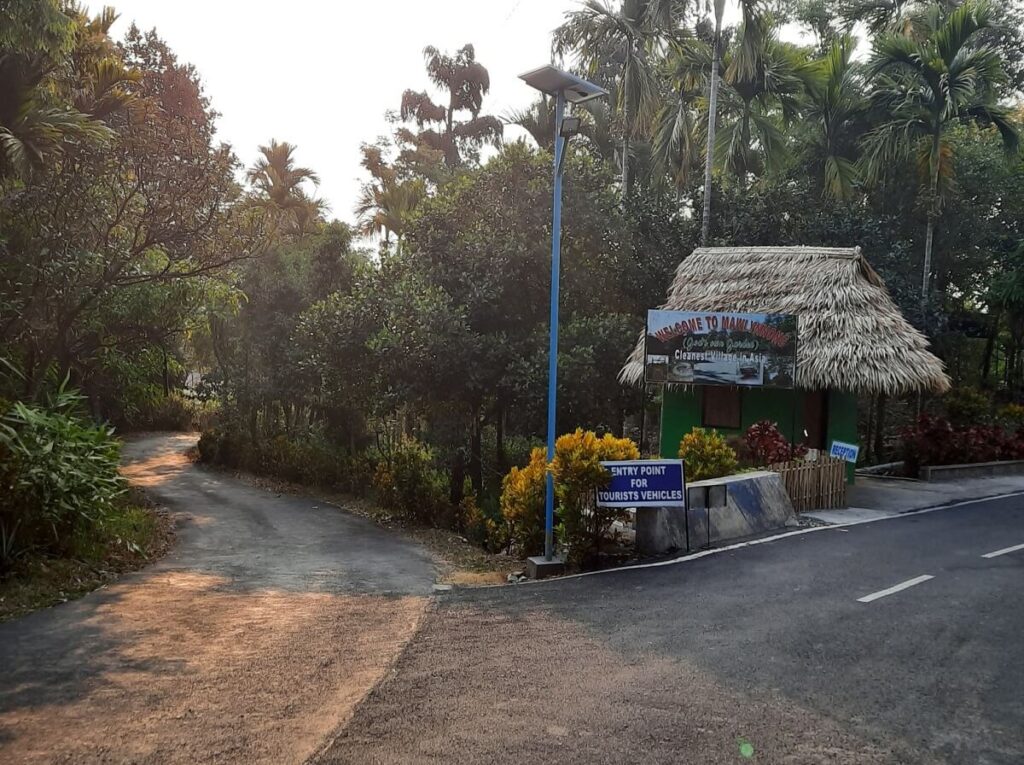
A visit to Dawki pairs well with a trip to Mawlynnong, famously known as one of the cleanest villages in Asia. Its well-maintained paths, bamboo skywalk, and eco-friendly lifestyle offer insight into community-led sustainability.
Things to Do in Dawki:
(i) Boating on the Umngot River
This is the signature Dawki experience. The ride is calm, quiet, and visually striking. There is no rush, no loud music, and no motorized disturbance, which adds to the meditative quality of the experience.
(ii) Camping by the River
Camping in Shnongpdeng or Darrang allows you to spend the night close to nature. Nights are quiet, stars are visible on clear evenings, and mornings begin with river mist and birdsong.
(iii) Kayaking and Adventure Activities
For adventure enthusiasts, kayaking and snorkeling are available in selected stretches of the river. These activities are usually seasonal and dependent on water conditions.
(iv) Village Walks and Cultural Interaction
Simply walking through Dawki village, observing daily life, and interacting respectfully with locals can be deeply rewarding. Khasi culture places strong emphasis on community, cleanliness, and respect for nature.
Food and Local Cuisine
Food options in Dawki are simple but satisfying. Most meals are prepared using local ingredients, with an emphasis on rice, vegetables, and meat.
Common local dishes include:
- Jadoh: Rice cooked with meat and spices
- Dohneiiong: Pork cooked with black sesame seeds
- Fresh river fish prepared with minimal seasoning
Staying in a homestay is the best way to experience authentic Khasi food.
Where to Stay in Dawki
Accommodation options are modest and focused on experience rather than luxury.
- Homestays in Dawki village
- Riverside camps in Shnongpdeng
- Basic guesthouses in nearby villages
Most accommodations provide clean rooms, simple meals, and local hospitality. Booking in advance is highly recommended during peak season.
Suggested Travel Itineraries:
One-Day Dawki Trip
- Early departure from Shillong
- Boating on Umngot River
- Visit suspension bridge
- Lunch in Dawki
- Short visit to Shnongpdeng
- Return to Shillong
Two-Day Dawki Experience
Day 1:
- Arrival and check-in
- Afternoon boating
- Sunset by the river
- Overnight stay
Day 2:
- Morning walk or kayaking
- Visit nearby village or waterfall
- Return journey
Practical Travel Tips
- Carry cash, as ATMs are limited
- Avoid plastic and single-use waste
- Dress modestly and respect local customs
- Check weather and road conditions before traveling
- Do not disturb river ecology or wildlife
Responsible Travel in Dawki
Dawki’s beauty depends on its ecological balance. The clarity of the Umngot River is not guaranteed forever. Responsible travel choices such as avoiding litter, using eco-friendly products, and supporting local businesses directly contribute to preserving this fragile environment.
Final Thoughts
Dawki is not about ticking off attractions. It is about slowing down, observing nature, and appreciating a place where water, land, and community exist in rare harmony. Whether you come for the famous river or stay for the quiet mornings and human connections, Dawki offers an experience that feels honest and grounding.
For travelers seeking an off-beat destination in northeast India that combines natural beauty with cultural depth, Dawki stands quietly but confidently among the country’s most memorable places.
Recommended Reads:
- Best Tourist Attractions in Jowai, Meghalaya
- Top Hill Stations to Visit in Meghalaya
- Best Trekking Places in Meghalaya for Adventure Lovers
- Meghalaya Tourist Places You Should Visit
- What to Do in Shillong: Best Activities and Sights
- Top Reasons to Visit Cherrapunji in Meghalaya
- Most Beautiful and Famous Caves in Meghalaya
- Meghalaya in April 2026: Best Places to Visit
- Best Places to Visit in Meghalaya in March 2026
- Nohkalikai Falls Travel Guide: Location, Tips & Best Time
- Living Root Bridges in Meghalaya: Complete Travel Guide
- Traditional Food of Meghalaya You Must Try
- Meghalaya Historical Sites and Heritage Places
- Wildlife Sanctuaries and National Parks in Meghalaya
- Hornbill Festival Nagaland 2026
- Folk Dances and Cultural Traditions of Meghalaya
- Best Places to Stay in Shillong: Hotels and Resorts
- Adventure and Water Activities in Dawki
