
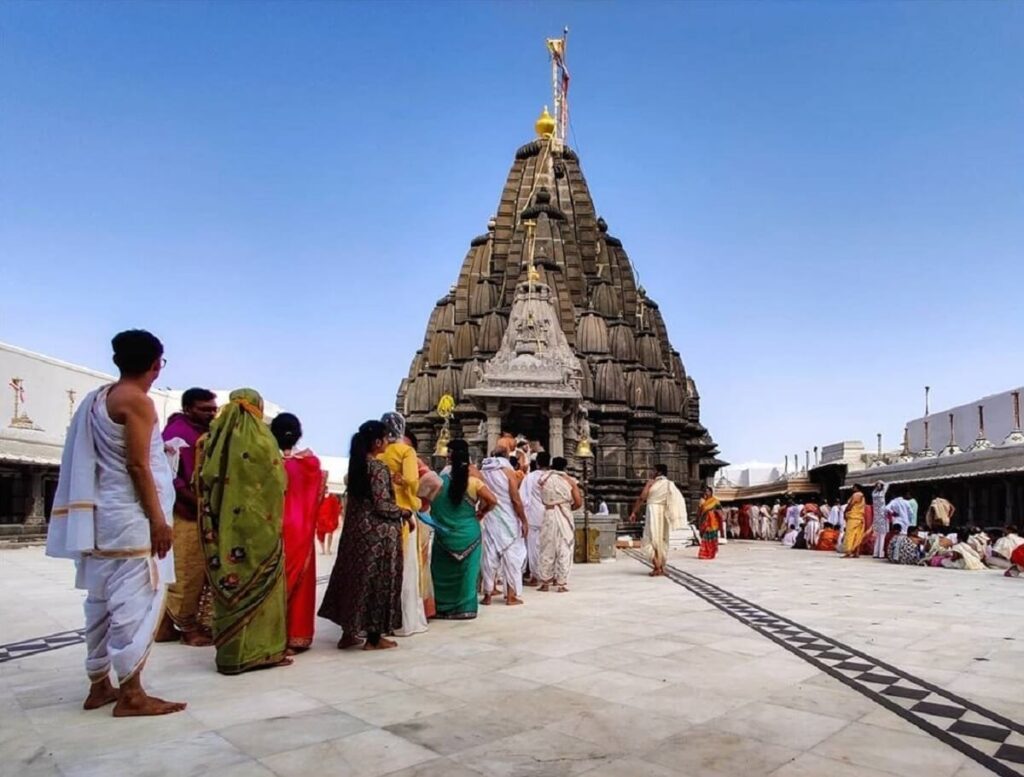
Perched high on the revered Girnar Hills of Junagadh in Gujarat, the Neminath Jain Temple is one of the most significant pilgrimage sites for followers of Jainism. With its profound spiritual aura, architectural elegance, and panoramic views of the region, this sacred temple is not just a religious destination but a cultural experience that transcends time.
Whether you’re a devout pilgrim, a spiritual seeker, a history enthusiast, or a curious traveler, the Neminath Jain Temple offers an unforgettable journey into the world of ancient Jain philosophy and the timeless devotion to Tirthankara Neminath—the 22nd Jain Tirthankara.
In this complete travel guide, you’ll discover everything you need to know before visiting the Neminath Jain Temple in Girnar—from its fascinating history and spiritual significance to practical travel tips, hiking routes, temple etiquette, and nearby attractions.
1. Historical Significance of Neminath Jain Temple
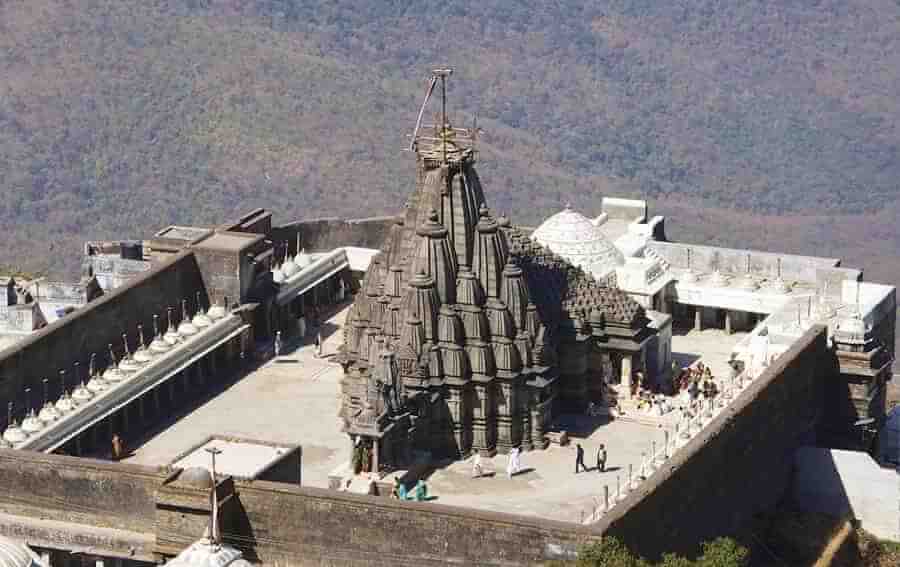
The Neminath Jain Temple on Girnar Hill is believed to have been constructed in the 12th century, although the roots of worship on this hill go back much further. Historical records and Jain texts suggest that this site has been a place of pilgrimage for over 2,500 years. The current temple was built during the reign of Solanki King Kumarpal, a great patron of Jainism.
The hill itself, Girnar, is considered one of the holiest places for Jain followers, and the Neminath Temple is the centerpiece of the Jain complex on the hilltop. Over centuries, the temple has been expanded and restored, preserving its ancient character while incorporating newer structures.
2. Spiritual Legacy: Who Was Lord Neminath?
Lord Neminath, also known as Arishtanemi, was the 22nd Tirthankara in Jainism. According to Jain scriptures, he was a cousin of Lord Krishna and belonged to the Yadava dynasty. Legend has it that on the eve of his wedding, Neminath saw the distress of animals that were to be sacrificed for the feast. This realization led him to renounce worldly life and seek enlightenment.
His journey from royalty to asceticism inspires millions of Jain followers and spiritual aspirants. The temple on Girnar stands as a testimony to his teachings of non-violence, detachment, and liberation.
3. Architectural Splendor of the Temple
The Neminath Jain Temple is a masterpiece of Solanki architecture, made entirely from black granite. The main shrine houses a black idol of Lord Neminath in the lotus position (padmasana), radiating peace and serenity. The sanctum is surrounded by 70 exquisitely carved shrines that house other Tirthankaras.
The pillars of the temple are adorned with detailed carvings of celestial beings, lotus motifs, and scenes from Jain cosmology. The entrance is flanked by statues of guardian deities, and the inner walls contain inscriptions and dedications from royal patrons and devotees.
Visitors are struck by the symmetry, tranquility, and spiritual depth of the temple. It’s not just a place of worship but a museum of ancient Indian art and spiritual symbolism.
4. How to Reach Girnar Hills, Junagadh
Girnar Hills are located in the Junagadh district of Gujarat. Here’s how to reach:
- By Air: The nearest airport is Rajkot (approx. 100 km). From there, you can take a cab or bus to Junagadh.
- By Train: Junagadh Railway Station is well-connected with major cities like Ahmedabad, Rajkot, and Somnath.
- By Road: Buses and taxis are available from all parts of Gujarat to Junagadh. Roads are in good condition and scenic.
Once in Junagadh, Girnar Hills are just a 15-minute ride from the city center.
5. Trekking the Girnar Hills to Reach the Temple
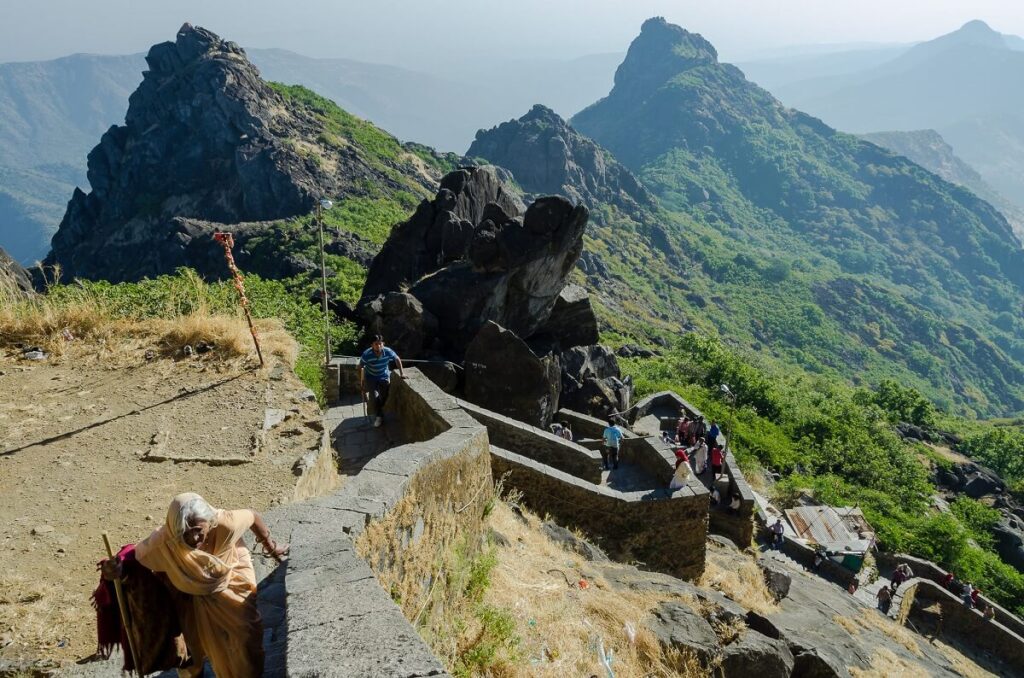
Reaching the Neminath Jain Temple requires a trek of approximately 10,000 steps up the Girnar Hill. While it may sound daunting, the journey is deeply spiritual and scenic. You’ll pass other temples and ashrams on the way, including:
- Dattatreya Temple
- Amba Mata Temple
- Bhavnath Mahadev Temple
There are shelters (chhatris), food stalls, and water kiosks en route. Pilgrims often start early at dawn to avoid the midday heat. For those unable to climb, palanquins (doli services) and ropeway facilities are available up to Ambaji Temple, which covers a significant portion of the journey.
6. Best Time to Visit Neminath Jain Temple
The ideal time to visit the Neminath Jain Temple is:
- October to March: Pleasant weather makes it ideal for trekking.
- Girnar Parikrama Festival (November): One of the most vibrant times with thousands of devotees gathering.
- Avoid Monsoon (July–September): The steps become slippery, and trekking is difficult.
Sunrise is a magical time to witness the beauty of the hills and the temple. Plan your climb accordingly to experience the serenity of morning prayers.
7. Rituals and Religious Practices
At the heart of the Neminath Jain Temple lies an atmosphere of deep devotion and quiet contemplation. Daily rituals here follow the traditional Jain practices of worship and non-violence:
- Abhishek (ritual bathing) of the Neminath idol is performed early in the morning using pure water and occasionally milk.
- Devotees often offer ashta-mangal dravya (eight sacred offerings), such as rice, flowers, and sandalwood paste.
- Jain monks and nuns, or sadhus and sadhvis, can be seen meditating silently near the shrine, contributing to the temple’s spiritual ambiance.
No musical instruments or loud chants are used; Jain worship is quiet, reflective, and focused on inner purification. Chanting of mantras like “Om Namo Arihantanam” fills the atmosphere with serenity.
It is also common for pilgrims to take a vow of silence or observe fasting during their visit to intensify spiritual merit.
8. Temple Timings and Entry Guidelines
Visiting the Neminath Jain Temple requires adherence to certain timings and basic temple rules. Here’s what you should know:
- Opening Hours:
- Morning: 6:00 AM – 11:30 AM
- Evening: 3:30 PM – 6:30 PM
(Timings may vary slightly depending on season and festivals)
- Entry Fee: No entry fee. The temple is open to all.
- Photography: Not allowed inside the inner sanctum. Always seek permission for taking pictures in outer areas.
- Mobile Phones: Should be kept on silent mode. Avoid using them inside the prayer areas.
- Footwear: Must be left at the designated area near the temple entrance.
9. Temple Etiquette and Dress Code
Respecting the sanctity of the temple is essential. Here are a few important dos and don’ts:
- Dress Modestly: Shoulders and knees must be covered. Traditional attire is preferred. Avoid wearing black or dark red as a mark of respect.
- Be Silent and Calm: Maintain a peaceful atmosphere, especially inside the main shrine.
- Avoid Non-Vegetarian Food: Pilgrims are expected to consume only satvik (pure vegetarian) food, preferably without onion and garlic, during the pilgrimage.
- Do Not Offer Flowers: Unlike Hindu traditions, Jain worship does not involve plucking or offering flowers, as it goes against the principle of non-violence.
- No Leather Articles: Belts, wallets, and bags made of leather should not be brought inside the temple.
10. Facilities for Pilgrims and Tourists
Despite its hilltop location, the Neminath Jain Temple complex and the base of Girnar are well-equipped for visitors:
- Dharmashalas: Basic accommodation for pilgrims is available near the base and on the hill.
- Food and Water: Free Jain bhojan shalas serve sattvic meals to devotees. Small food stalls are present on the way uphill.
- Toilets and Rest Areas: Shelters and restrooms are located along the route for convenience.
- Medical Aid: Basic first-aid stations and mobile clinics are set up during festivals and peak seasons.
- Security and Guidance: Volunteers, priests, and locals are generally helpful and guide pilgrims with respect and care.
11. Accommodation Options in Junagadh
Junagadh has a variety of accommodation options catering to all types of travelers:
Luxury Hotels:
- Belle Vue Palace Hotel
- Leo Resorts
- Hotel Harmony
Budget-Friendly Lodging:
- Hotel Indralok
- Hotel Magnum Inn
- Hotel Somnath
Dharamshalas & Ashrams:
- Jain Dharamshala, Girnar Taleti
- Shri Digambar Jain Atithi Bhavan
Most hotels and guesthouses offer early check-in and arrangements for local transport or guides.
12. Festivals Celebrated at Neminath Jain Temple:
(i) Girnar Parikrama (Lili Parikrama)
Held every year during Kartik Purnima (October-November), the Girnar Parikrama is a five-day pilgrimage where thousands of devotees walk barefoot around the base of the hill—a total distance of 36 km. Though it includes both Hindus and Jains, the Neminath Temple becomes a spiritual focal point during this time.
(ii) Mahavir Jayanti
This important Jain festival, commemorating the birth of Lord Mahavir, sees a surge of pilgrims and special events at the temple.
(iii) Paryushan
The most significant religious period for Jains, Paryushan is observed with fasting, prayers, and spiritual reflection. Special rituals and discourses take place in the temple.
Attending these festivals offers a rare opportunity to witness Jain devotion at its peak and connect with devotees from across India and abroad.
13. Nearby Attractions in Girnar and Junagadh
While the Neminath Jain Temple is the star attraction, the surrounding region is filled with spiritual, historical, and natural sites:
(a) Dattatreya Temple
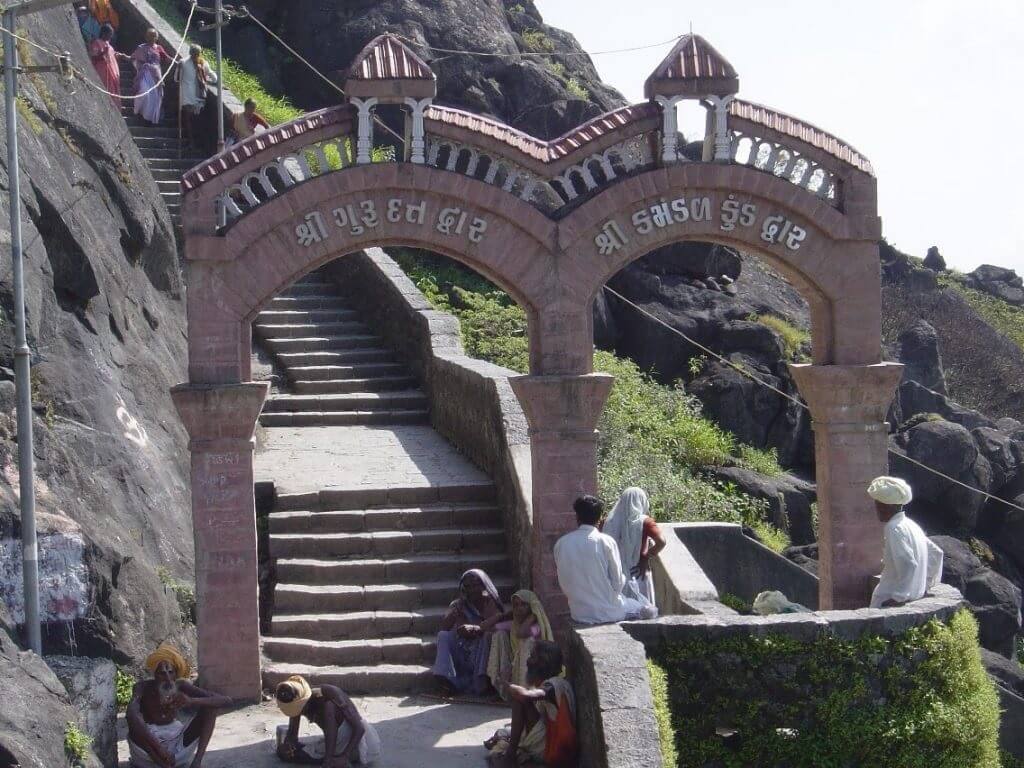
Located at the peak of Girnar, this temple dedicated to the Hindu sage Dattatreya is often visited by trekkers and pilgrims who continue their journey past the Jain shrines.
(b) Bhavnath Mahadev Temple
Situated at the base of Girnar Hills, this temple hosts the Bhavnath Fair during Mahashivratri, which attracts Naga Sadhus and spiritual seekers from all over India.
(c) Uparkot Fort
One of the oldest forts in Gujarat, Uparkot offers magnificent views and contains ancient Buddhist caves and stepwells.
(d) Mahabat Maqbara
An exquisite blend of Gothic, Islamic, and European architecture, this tomb is a photographer’s delight and a glimpse into Junagadh’s royal history.
(e) Gir National Park
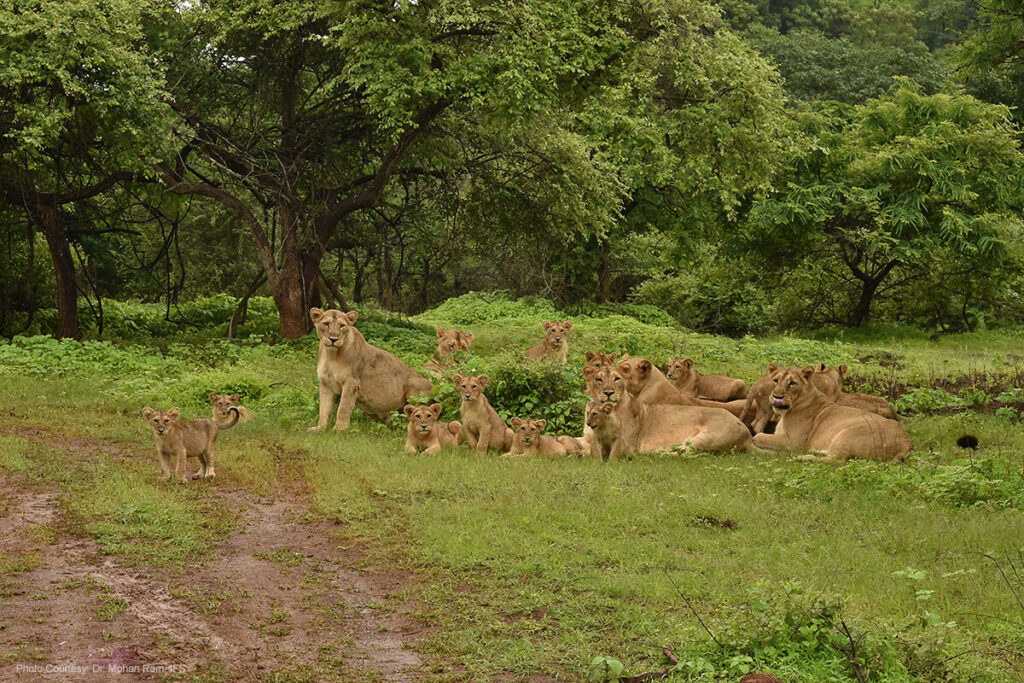
Just 40 km from Junagadh, Gir is home to the majestic Asiatic lions. A perfect wildlife escape after your spiritual journey.
14. Sustainable and Respectful Tourism Tips
To preserve the sanctity of this sacred site and protect the environment of Girnar Hills, keep the following in mind:
- Don’t Litter: Carry reusable bottles and dispose of waste in designated bins.
- Respect Silence: Avoid playing loud music or disturbing wildlife and pilgrims.
- Support Local Economy: Buy local products, hire local guides, and contribute to community-run services.
- Avoid Plastic: Use cloth bags and metal water bottles.
- Follow Trail Etiquette: Stay on marked paths while trekking to protect vegetation and prevent erosion.
Responsible tourism ensures that future generations can also experience the sacred beauty of Girnar and its temples.
15. Final Thoughts: A Sacred Journey Awaits
A visit to the Neminath Jain Temple on Girnar Hills is not just a sightseeing trip—it’s a spiritual awakening, a trek into faith, and a journey into India’s rich cultural and philosophical heritage.
From the quiet chant of prayers in ancient granite halls to the sweeping views from the summit of Girnar, every moment here is filled with inner peace and reflection. Whether you come for devotion, exploration, or introspection, this sacred destination in Junagadh will leave a deep imprint on your soul.
Must-Read Guides:
- Gujarat Travel in September for Best Places
- Places to See in Gujarat in October
- Gujarat Destinations to Visit in November
- December Travel in Gujarat for Best Places
- Popular Jain Temples of Gujarat
- Swaminarayan Temple, Ahmedabad – Travel Guide
- Complete Guide to Somnath Temple, Gujarat
FAQs About Neminath Jain Temple, Girnar
1. What is the significance of the Neminath Jain Temple?
The Neminath Jain Temple is dedicated to Lord Neminath, the 22nd Tirthankara of Jainism. It symbolizes the ideals of non-violence, renunciation, and spiritual liberation. The temple is one of the holiest pilgrimage sites for Jain followers.
2. How many steps are there to reach the temple?
There are approximately 10,000 stone steps from the base of Girnar Hill to the temple. Pilgrims typically take 3 to 5 hours to complete the climb, depending on their pace and fitness level.
3. Is there any ropeway to reach the temple?
Yes, the Girnar Ropeway takes visitors up to the Ambaji Temple, covering most of the ascent. From there, pilgrims need to trek a few hundred additional steps to reach the Neminath Jain Temple.
4. Are non-Jains allowed to visit the temple?
Yes, the temple is open to people of all religions and backgrounds. Visitors are welcome to explore the site as long as they respect the customs, maintain silence, and follow the temple’s guidelines.
5. What is the best time of day to visit the temple?
Early morning, around sunrise, is the best time to begin your trek. The weather is cool, the environment is serene, and you can experience the peaceful rituals of the temple with fewer crowds.
6. Can elderly or differently-abled persons visit the temple?
Yes, elderly and physically challenged visitors can use the ropeway to skip most of the steps. Palanquin (doli) services are also available for those who cannot walk. However, the final stretch may still require some climbing.
7. Is there food or water available on the hill?
Yes, small stalls selling snacks, fruits, and bottled water are available at intervals along the trek path. However, it’s advisable to carry your own water and light food to stay hydrated and energized.
8. Is there a dress code for visiting the temple?
Yes, visitors should wear modest and respectful clothing. Clothes that cover shoulders and knees are recommended. Avoid wearing leather items such as belts, wallets, or shoes.
9. Are night stays allowed on Girnar Hill?
No, night stays on the hill itself are not allowed for tourists. However, there are dharamshalas and hotels at the base in Junagadh where pilgrims and travelers can stay comfortably.
10. Can I combine a visit to Neminath Jain Temple with other destinations nearby?
Yes, Junagadh is close to several major attractions like Somnath Temple (about 90 km away), Gir National Park (40 km away), and Uparkot Fort. It’s easy to plan a combined itinerary that includes spiritual, historical, and wildlife experiences.
