Ratnagiri, a serene district along the Konkan coast of Maharashtra, is often celebrated for its Alphonso mangoes, lush hills, and unspoiled beaches. But beyond its natural charm lies a deep spiritual heritage. This region is dotted with temples—some centuries old, others holding modern reformist values—that draw devotees, history enthusiasts, and curious travelers alike.
Exploring these temples is not just about religion. It is about experiencing the way history, mythology, architecture, and local culture merge seamlessly in this coastal land. Each shrine tells its own story, whether through its origins, its deity, or the festivals that keep its spirit alive.
In this guide, we explore 10 famous temples in Ratnagiri that offer a journey into faith, history, and tradition.
Ratnagiri Temples – 10 Famous Religious Sites:
1. Dhootpapeshwar Temple
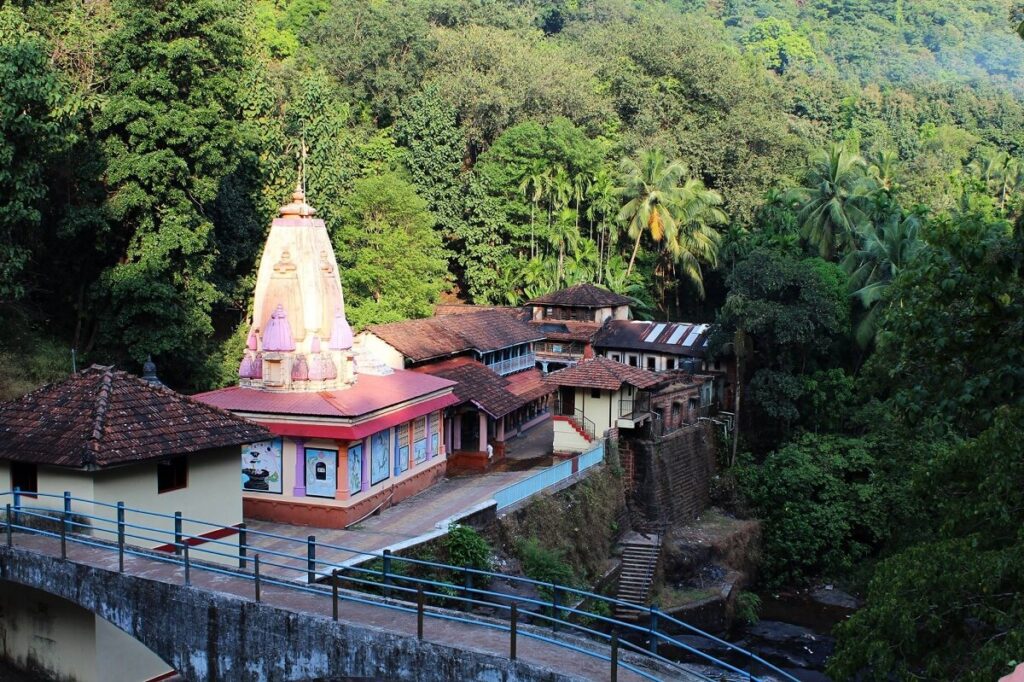
The Dhootpapeshwar Temple in Rajapur taluka is dedicated to Lord Shiva and lies beside the Mrudani River. Surrounded by hills and forests, the temple becomes especially enchanting during monsoon when a waterfall nearby flows in full force. It is believed that worshipping here cleanses devotees of sins, giving the shrine its unique importance.
- Setting: Surrounded by thick forests and rocky hills, the temple has a natural waterfall nearby that becomes a magnificent sight during the monsoon. The sound of flowing water blends with the ringing bells, creating a meditative atmosphere.
- Architecture: Built in a simple Konkan style using laterite stone, the temple has an understated elegance. The sanctum houses a Shivalinga worshipped with traditional offerings.
- Festivals: Mondays and the festival of Mahashivratri attract hundreds of devotees. The temple becomes lively with rituals, bhajans, and fairs.
- Travel Tip: Visit during the monsoon or winter months for the best experience, as the waterfall is in full force.
2. Ganeshgule Temple
Ganeshgule Temple, about 22 km from Ratnagiri, is famous for its self-manifested idol of Lord Ganesha. Instead of a sculpted idol, devotees worship a naturally formed rock considered divine. The temple, nearly 400 years old, also has a deep laterite well. Its proximity to Ganeshgule Beach makes it a perfect blend of spirituality and scenic beauty.
- Legend: Locals believe the idol has existed here for centuries and radiates divine energy. Pilgrims say their wishes come true if they pray with pure devotion.
- History: Estimated to be over 400 years old, the temple was built even before the Maratha king Shivaji Maharaj’s era. The well in the temple premises, carved into laterite stone, is nearly 70 feet deep and is considered a marvel.
- Why Visit: Apart from its spiritual significance, the temple is located close to Ganeshgule Beach, a pristine shore where travelers often spend peaceful hours after darshan.
3. Devi Bhagwati Temple at Ratnadurg Fort
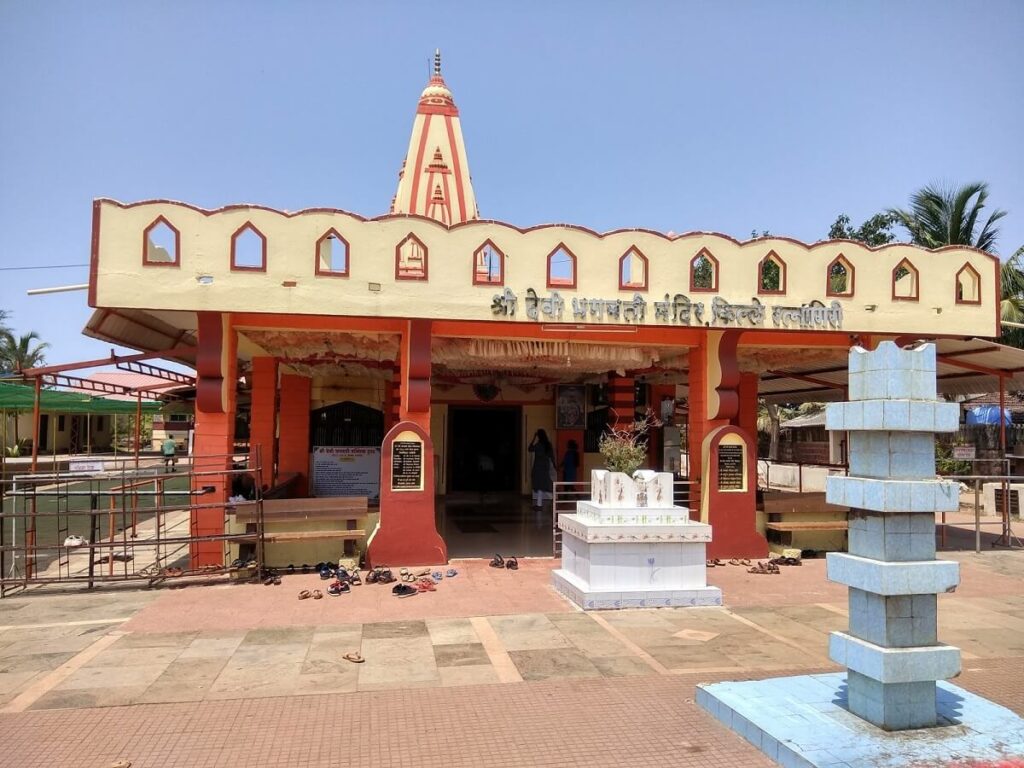
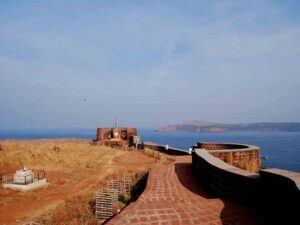
Located inside Ratnadurg Fort, the Devi Bhagwati Temple offers a powerful spiritual presence alongside breathtaking sea views. Dedicated to Goddess Bhagwati, the temple houses idols of Veer Vignesh and Ashtadashbhuja. Its festivals, especially Navratri, attract pilgrims in large numbers. The combination of history, architecture, and natural setting makes this shrine one of Ratnagiri’s most iconic religious landmarks.
- Deity: Dedicated to Goddess Bhagwati, a form of Durga, the temple houses idols of Veer Vignesh and the Ashtadashbhuja (18-armed goddess).
- Cultural Value: Pilgrims come here to seek blessings, but many also visit for the fort’s panoramic views of the sea and surrounding landscapes. The temple and fort together symbolize the protective energy of the goddess guarding the land.
- Festivals: Navratri is celebrated with grandeur, attracting devotees and tourists alike.
4. Kanakaditya Temple
Kanakaditya Temple in Kasheli village is one of the few temples in India dedicated to the Sun God. The idol is believed to have been brought here centuries ago to save it from invaders. Rath Saptami is celebrated with grandeur, featuring a silver chariot procession. Its unique dedication to Surya makes it a rare and special site.
- Legend: It is said that the idol of Surya was originally in Gujarat but was transported here to protect it from invasions. The boat carrying the idol halted at Kasheli, where the temple was then constructed by a devotee named Kanaka, hence the name Kanakaditya.
- Architecture: The shrine has traditional Konkan-style architecture, with wooden carvings and stone walls.
- Festivals: Rath Saptami is celebrated with a grand procession of the deity in a silver chariot, along with devotional songs and rituals.
- Why Visit: It is a unique experience to worship Surya in a land dominated by Shiva and Ganesh temples. The temple is also surrounded by peaceful coastal scenery.
5. Velneshwar Shiva Temple
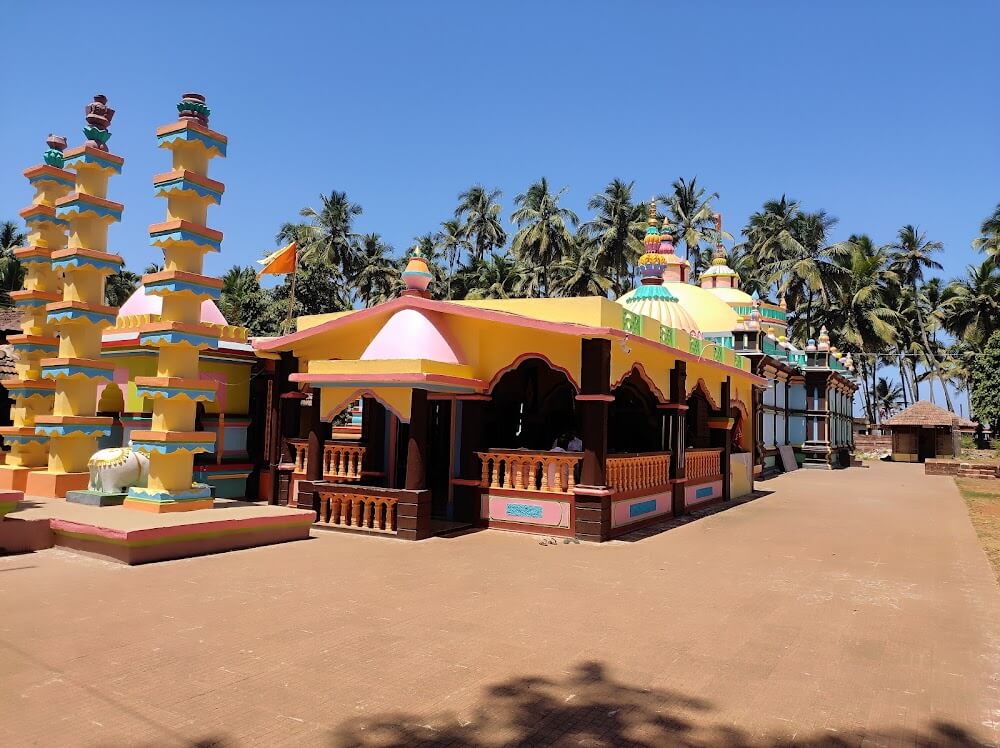
The Velneshwar Shiva Temple, located near the crescent-shaped Velneshwar Beach, is surrounded by coconut groves and scenic coastline. Dedicated to Lord Shiva, it also has smaller shrines for other deities. The calm, beachside atmosphere makes it a peaceful destination for both pilgrims and travelers. Maha Shivratri is celebrated with rituals, drawing devotees from nearby villages and towns.
- Deity: The temple is dedicated to Lord Shiva, with additional shrines for Parvati, Vishnu, Ganesha, and Kala Bhairava.
- Atmosphere: The beach setting gives the temple a tranquil backdrop. Early mornings, with the sound of waves crashing nearby, make the darshan especially serene.
- History: This temple has been worshipped for centuries by local families, especially during Maha Shivratri.
- Travel Tip: Combine your temple visit with a beach stay. Velneshwar beach is clean, less crowded, and ideal for a relaxed holiday.
6. Parshuram Temple, Chiplun
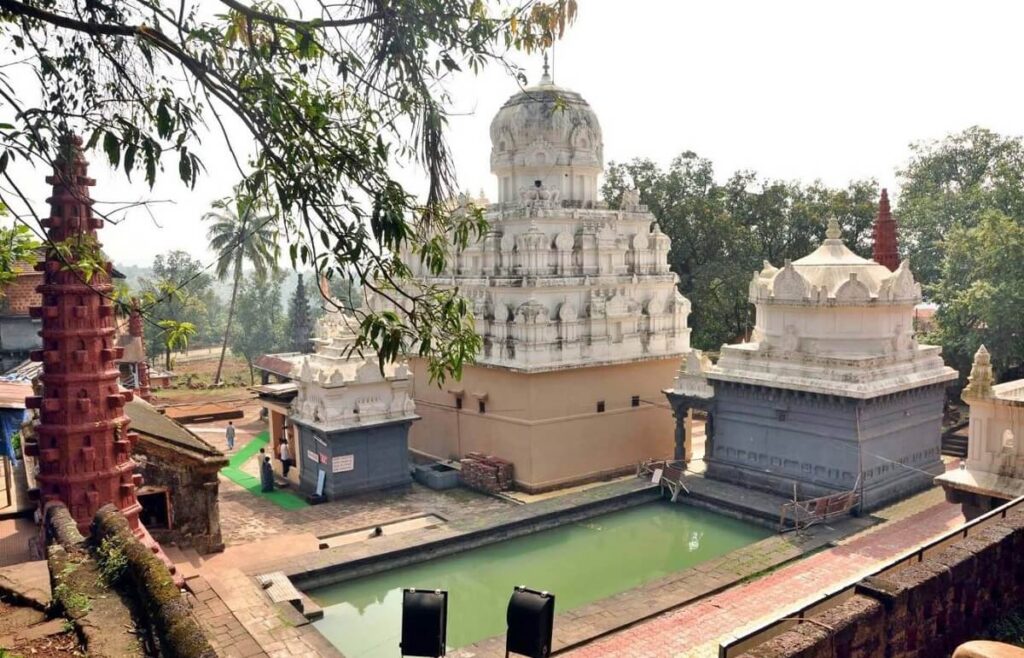
Situated near Chiplun, the Parshuram Temple honors the sixth avatar of Vishnu, Parshurama. According to legend, he created the Konkan region by reclaiming land from the sea. Built in a mix of Konkani and Rajasthani architecture, the temple is visually stunning. It hosts important festivals like Ram Navami and Akshaya Tritiya, making it spiritually and culturally significant.
- Legend: Mythology says Parshurama created the Konkan coast by shooting an arrow into the sea, commanding the waters to retreat. This makes the temple an important pilgrimage site for Hindus.
- Architecture: Built in the 18th century, the temple showcases a blend of Konkani and Rajasthani styles. Its wooden carvings, stone courtyards, and tiered roof make it visually striking.
- Festivals: Akshaya Tritiya, Ram Navami, and Mahashivratri are celebrated with great fervor.
- Why Visit: The temple is also surrounded by scenic landscapes, making it both a spiritual and cultural journey.
7. Patit Pavan Mandir
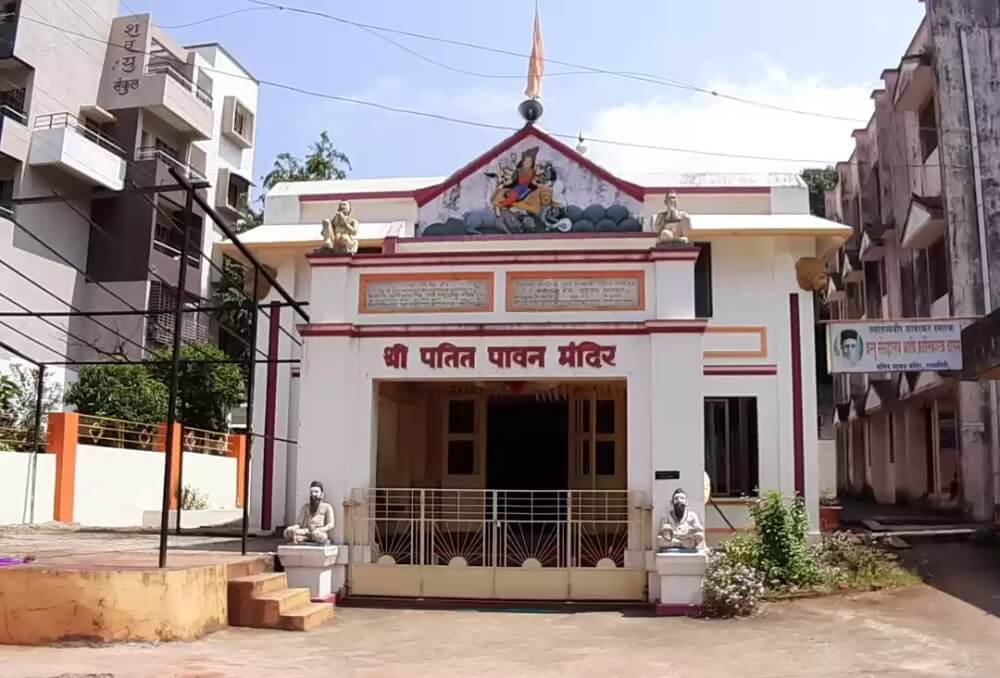
Patit Pavan Mandir, built in 1931 under the guidance of Vinayak Damodar Savarkar, was India’s first temple to welcome devotees of all castes. Located in Ratnagiri city, it symbolizes equality and social reform. The temple not only provides spiritual solace but also showcases exhibits related to India’s freedom movement, making it a historical and cultural landmark.
- Founder: The temple was constructed under the guidance of freedom fighter Vinayak Damodar Savarkar.
- Significance: It symbolizes social reform and inclusivity, promoting equality in worship.
- Features: Apart from being a place of devotion, the temple houses exhibitions about Savarkar and India’s independence struggle.
- Why Visit: It is not just a religious site but also a cultural and historical landmark, highlighting Ratnagiri’s role in India’s reformist movements.
8. Aryadurga Devi Temple, Devihasol
The Aryadurga Devi Temple in Devihasol village is dedicated to Goddess Aryadurga, revered as the Kuldevi of many families. Navratri celebrations here are marked by vibrant rituals, fairs, and processions. Surrounded by lush greenery, the temple reflects Konkan’s rural charm. Devotees believe the goddess blesses them with protection and prosperity, ensuring strong faith across generations.
- Deity: Goddess Aryadurga, a form of Durga, is worshipped here as the Kuldevi (family deity) of many local communities.
- Festivals: Navratri is the biggest event, when the temple comes alive with processions, dances, and rituals.
- Local Belief: Villagers believe the goddess protects them and blesses their harvests. Pilgrims from across the Konkan visit during festivals.
- Why Visit: The temple combines spiritual energy with rustic village charm, offering a glimpse into traditional Konkan life.
9. Shri Dev Vyadeshwar Temple, Guhagar
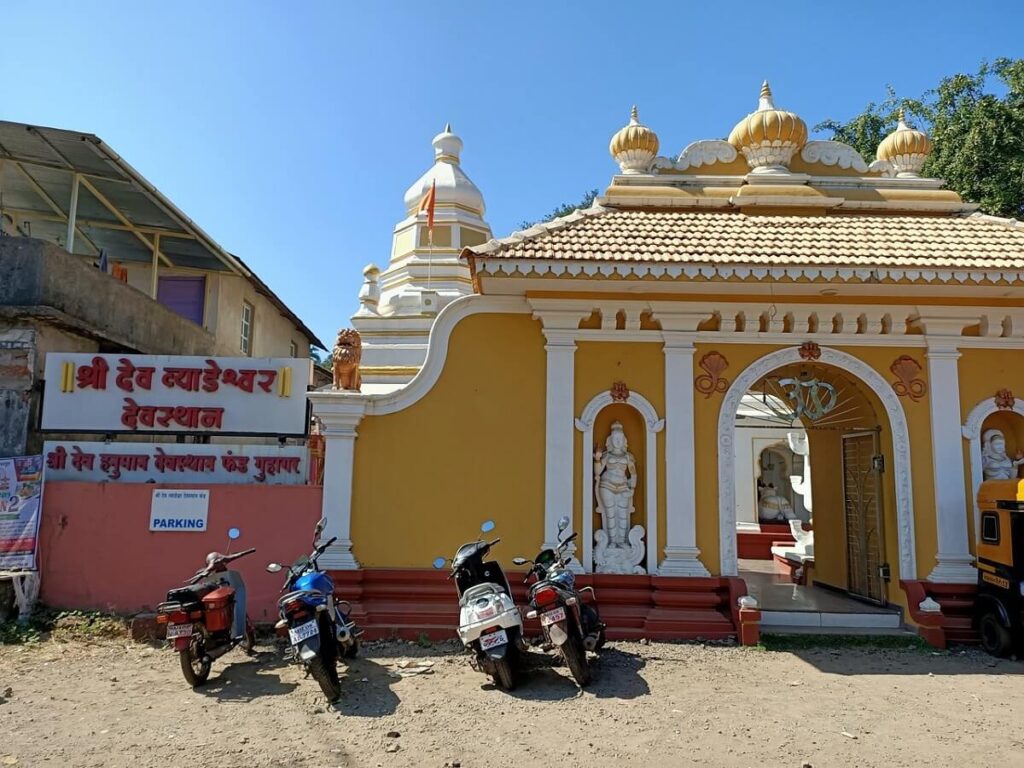
Shri Dev Vyadeshwar Temple in Guhagar is an ancient shrine dedicated to Lord Shiva. It is built in the Panchayatan style, with a central sanctum surrounded by smaller shrines. Believed to be the Kuladevata of Chitpavan Brahmins, it is visited for ancestral rituals and festivals like Maha Shivratri. Its location near Guhagar beach enhances its serene atmosphere.
- History: Believed to have been established by sage Vyadi, the temple follows the Panchayatan style of architecture, with one main shrine and four smaller shrines around it.
- Importance: It is the clan deity (Kuladevata) of many Chitpavan Brahmins. Rituals and ceremonies here hold great ancestral value for many families.
- Atmosphere: The temple is located near the beach, making it a peaceful retreat for visitors. The stone walls and ancient carvings reflect its antiquity.
- Festivals: Maha Shivratri draws large crowds, with special pujas and celebrations.
10. Swayambhu Ganapati Temple
The Swayambhu Ganapati Temple in Ratnagiri is one of the most revered shrines of Lord Ganesha. The idol is believed to be self-manifested, making it extremely sacred. Devotees flock here during Ganesh Chaturthi to witness grand celebrations. Its cultural significance, spiritual aura, and natural setting make it an unmissable temple for pilgrims visiting Ratnagiri.
- Deity: The idol of Ganesha here is believed to be self-manifested and not sculpted by human hands.
- Significance: Such naturally formed idols are rare and considered extremely sacred. Devotees believe Lord Ganesha here fulfills all wishes.
- Festivals: Ganesh Chaturthi is celebrated with grandeur, with devotees thronging the temple for darshan.
- Why Visit: This temple epitomizes the deep connection between Ratnagiri and the worship of Ganesha, a deity especially revered in Maharashtra.
Conclusion
The temples of Ratnagiri offer far more than rituals and prayers. They are living embodiments of history, legends, and social values. From the fort-temple of Devi Bhagwati and the rare Sun temple of Kanakaditya to the socially inclusive Patit Pavan Mandir, each shrine adds a different layer to Ratnagiri’s cultural identity.
For travelers, exploring these 10 famous temples in Ratnagiri is not just about spirituality—it is about connecting with the past, understanding the cultural soul of Konkan, and experiencing the harmony of nature and divinity.
Whether you are a pilgrim, a history buff, or simply a curious explorer, Ratnagiri’s temples promise stories, peace, and inspiration.
Read This Next:
- 15 Famous Tourist Places to Explore in Ratnagiri
- 11 Best Tourist Spots to Visit in Aurangabad
- Lonavala Travel Guide – Popular Places to See
- Top Attractions and Famous Places in Nashik
- Tourist Places Near Pune Within 100 Kilometers
- 10 Popular Sightseeing Spots Around Shirdi
- Khandala Weekend Guide – 10 Best Places to See
- 2 Day Trip Ideas – Best Places Near Mumbai
- Mumbai for Couples – Top 10 Romantic Places
- 20 Must-Visit Attractions in Mumbai City
- Top 5-Star Hotels in Mumbai for Luxury Stay
- Best Resorts Near Mumbai for Weekend Trips
- 2 Day Mumbai Itinerary – What to Visit
- Best Trekking Destinations Near Pune