If Kerala is often described as “God’s Own Country”, Mararikulam is one of the quiet corners where you can truly feel that divinity in the air. Set along the scenic coast of Alappuzha, this charming village is best known for its tranquil Marari Beach, coconut groves, and laid-back atmosphere. But beneath the calm surface lies a deep spiritual heart — a network of ancient temples that reflect the faith, art, and traditions of Kerala’s people.
These temples are not crowded pilgrimage sites. They are places where time slows down, rituals follow the rhythm of nature, and spirituality feels personal and alive. This travel guide takes you through the most famous temples in Mararikulam, explaining their stories, rituals, architecture, and how to plan your visit. Whether you’re a culture lover, a photographer, or simply curious about the sacred life of Kerala, this is your complete guide to exploring Mararikulam’s temples in Alappuzha.
Mararikulam Temples – Famous Religious Sites:
1. Mararikulam Sree Mahadeva Temple
The Heart of Spiritual Mararikulam
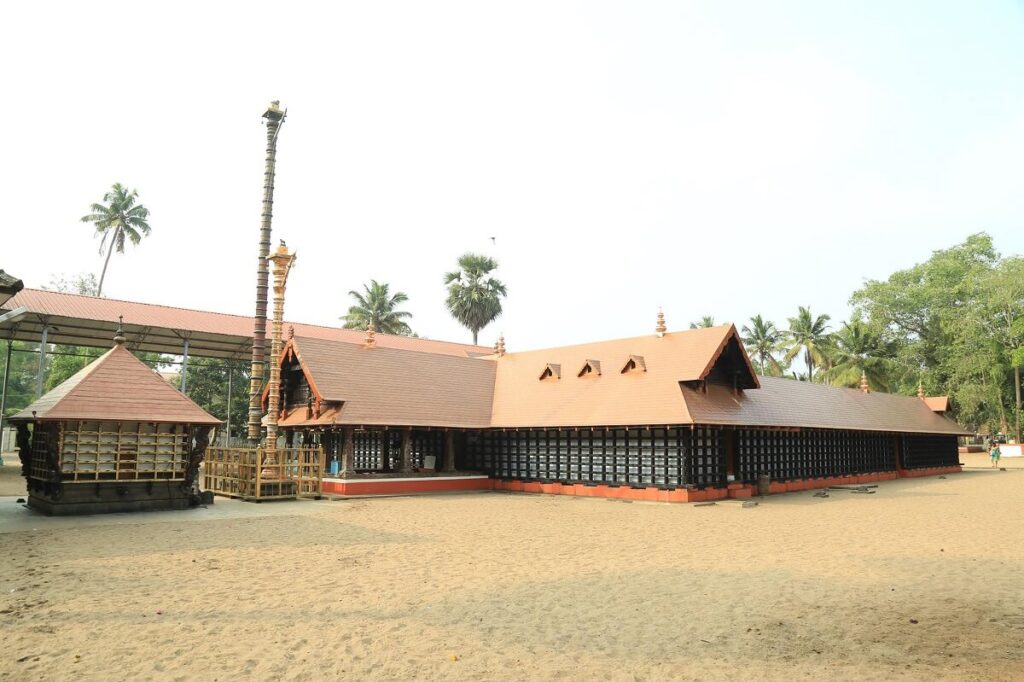
The Mararikulam Sree Mahadeva Temple, also called the Mararikulam Shiva Temple, is the most revered and historically significant shrine in the region. It stands near Mararikulam North, just a short distance from the main beach area, and is dedicated to Lord Shiva.
Believed to be around 700 years old, the temple was built by the sage Vilwamangalam Swamiyar, who is credited with founding several sacred shrines in Kerala. What makes this temple truly unique is its rare idol arrangement: Lord Shiva and Goddess Parvati are installed facing each other, symbolizing divine unity and marital harmony.
Architecture and Ambience
Like most Kerala temples, the structure follows traditional Dravidian-Kerala architecture — sloping roofs covered with red tiles, intricate wooden carvings, and a serene pond nearby. The moment you enter, the scent of incense and the rhythmic chants create an atmosphere that feels centuries old.
Inside the sanctum, you’ll find the twin forms of Shiva known as Vadakkanappan and Thekkanappan, representing two aspects of the Lord. Around the main shrine, smaller sub-shrines are dedicated to Ganapathi, Subramanya, and Bhagavathi, reflecting the inclusive nature of Kerala’s temple design.
Festivals and Rituals
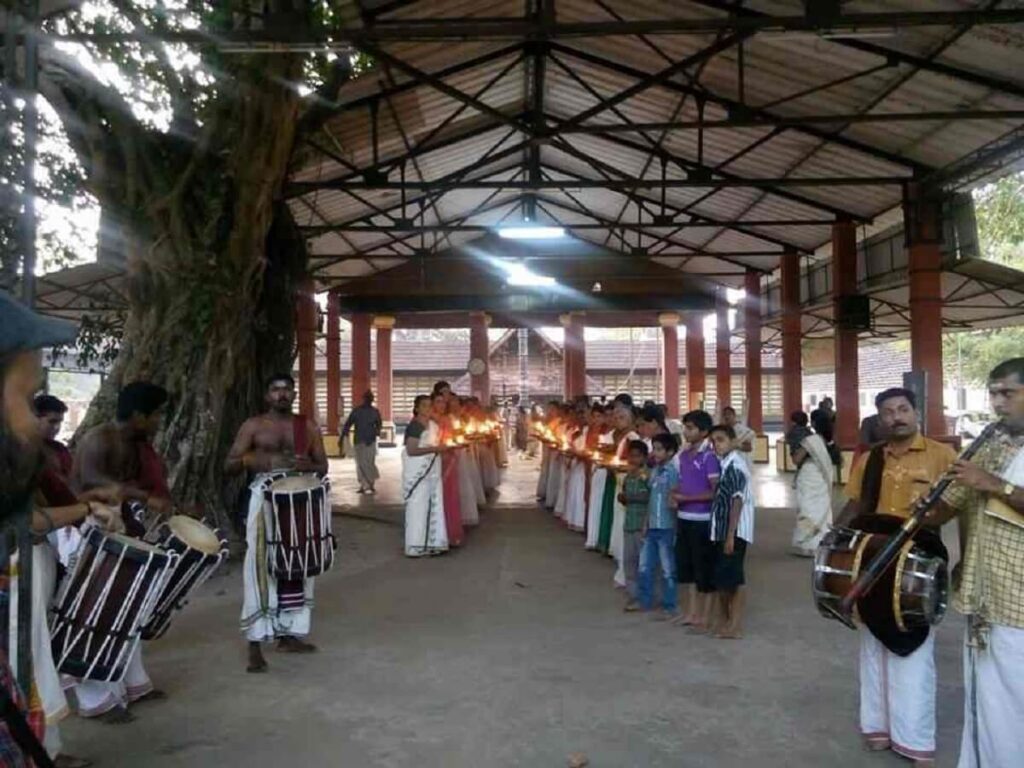
The temple’s annual 10-day festival in the Malayalam month of Kumbham (February–March) draws devotees from across the region. The festivities include colorful elephant processions, traditional melam drumming, and classical performances like Kathakali and Chakyarkoothu.
The highlight is the Arattu, or ceremonial holy bath of the deity. In earlier times, the procession reached the sea for this ritual, linking the temple’s spiritual and coastal identities.
Visiting Tips
- Timings: 5:00 am – 10:00 am and 4:00 pm – 8:00 pm
- Dress code: Modest attire (men in dhoti or full pants, women with covered shoulders)
- Photography: Allowed only outside; avoid photographing rituals.
- Best time: Early morning or during the festival in February.
This temple represents the soul of Mararikulam — serene, powerful, and deeply human.
2. Puthenmadom Mahadeva Temple, Kalarcode
A Peaceful Shiva Shrine
Located a short drive from Mararikulam, the Puthenmadom Mahadeva Temple in Kalarcode is another important temple devoted to Lord Shiva. Though smaller in scale, it holds deep local reverence and reflects the community’s devotion through quiet daily rituals rather than grand festivals.
The temple sits amid narrow village lanes lined with coconut palms and traditional Kerala houses. When you walk in, you’re greeted by the sight of a tiled-roof sanctum and oil lamps flickering along the corridors — an intimate and peaceful setting.
Local Importance
Unlike the Mararikulam Mahadeva Temple, this shrine is more of a village temple, serving as a gathering point for nearby residents. People visit during the early morning hours to offer flowers, coconuts, or milk for daily abhishekam (ritual bathing of the idol).
The temple is also part of the local festival circuit during Sivarathri, when it glows with lamps and devotional songs late into the night.
Visiting Tips
- How to reach: 10 – 15 minutes by auto from Mararikulam beach.
- Atmosphere: Very quiet, ideal for meditation or photography.
- Etiquette: Ask before entering inner sanctum; non-Hindus can usually enter the outer area.
If you want to understand Kerala’s rural spirituality, this small temple is worth a stop.
3. Puppallikkave Devi Temple, S.L. Puram
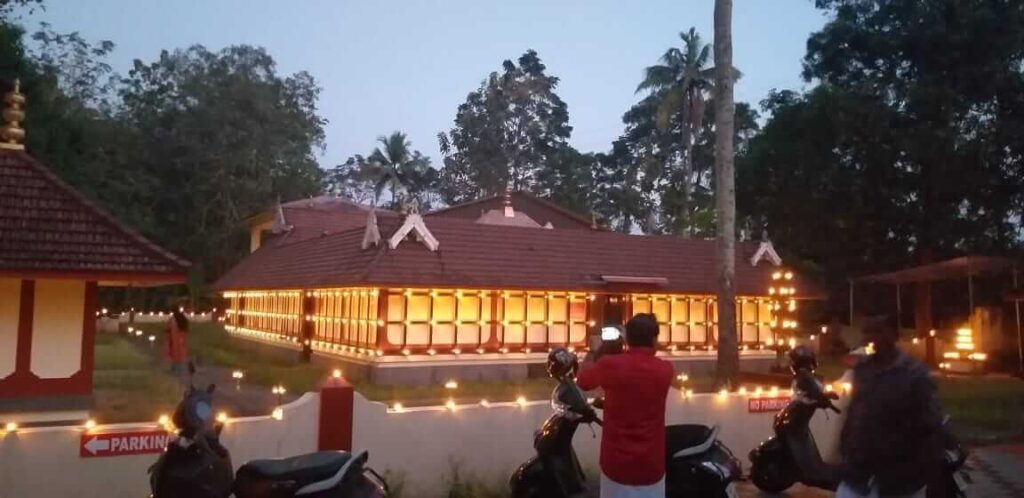
The Divine Feminine of Mararikulam
Kerala’s landscape is dotted with Devi temples dedicated to the Goddess in her various forms — from nurturing mother to fierce protector. The Puppallikkave Devi Temple, located in S.L. Puram, embodies this powerful feminine energy.
This temple is devoted to Bhagavathy, worshipped as the guardian deity of the village. Locals believe she protects the land, brings prosperity, and watches over families. The rituals here are lively and inclusive, with women taking an active part in poojas and offerings.
Architecture and Setting
The structure is modest but beautiful, surrounded by banyan trees and a temple pond. Inside, the sanctum glows with lamps and flower garlands. A small courtyard hosts daily prayers, and during festivals, the entire space transforms into a vibrant celebration of color and devotion.
Festivals and Rituals
The main annual celebration takes place during Meenam (March–April) with traditional performances, drum processions, and a special pooram ceremony. Offerings like pongala (a sweet rice dish cooked by women devotees) fill the air with a festive aroma.
Visiting Tips
- Ideal time: Early morning or evening during deeparadhana (evening lamp ritual).
- Dress modestly; carry a scarf or shawl.
- Ask about local legends: The priest or an elder often shares fascinating stories about the temple’s origins.
For travelers, this temple offers a glimpse of Kerala’s matriarchal spirituality — compassionate yet powerful.
Top Kerala Tour Packages to Explore
- 8-Day Kerala Tour Package – Explore the Best of God’s Own Country
- 6-Day Kerala Hill Station Tour – Munnar & Thekkady Experience
- 7-Day Kerala Holiday Package – Scenic & Cultural Highlights
- 5-Day Kerala Backwater Tour – Alleppey & Kumarakom Cruise
- 5-Day Munnar, Thekkady & Alleppey Trip Itinerary
4. Areepurathu Sarpa Kshethram, Punnapra-Kalarcode
The Sacred Grove of Serpent Gods
One of the most intriguing spiritual sites near Mararikulam is the Areepurathu Sarpa Kshethram, a shrine dedicated to serpent deities (Nagas). Found in the Punnapra-Kalarcode area, this temple sits inside a small grove — a living remnant of Kerala’s ancient nature-worship traditions.
The Concept of Sarpa Kavu
In Kerala culture, serpent groves (Sarpa Kavu) are sacred patches of forest preserved as homes of divine snakes. Families traditionally maintained them to ensure fertility, rain, and prosperity. Visiting one is like stepping into a natural sanctuary — lush, quiet, and alive with myth.
At Areepurathu Sarpa Kshethram, you’ll find stone carvings of serpents and idols placed around a shaded area. Devotees come to perform rituals for health, family harmony, and ancestral blessings. Offerings usually include milk, eggs, or tender coconuts placed on small stone platforms.
Atmosphere
The grove remains cool and serene even at midday. Birds chirp, leaves rustle, and the faint scent of sandalwood lingers in the air. It feels more like an ecological temple — blending worship with environmental preservation.
Visiting Tips
- Footwear: Remove shoes before entering the grove.
- Silence: Speak softly; many rituals involve meditation and prayer.
- Carry water and repellent: The area can be humid and forested.
- Best time: Morning (7–9 am).
A visit here connects travelers to the earthy, pre-historic roots of Kerala’s spirituality — where faith and nature are one.
Suggested Itinerary (2 Days)
Day 1
- Morning: Visit Mararikulam Sree Mahadeva Temple.
- Afternoon: Relax or have lunch near Marari Beach.
- Evening: Visit Puppallikkave Devi Temple for evening pooja.
Day 2
- Early morning: Head to Puthenmadom Mahadeva Temple at Kalarcode.
- Late morning: Stop by Areepurathu Sarpa Kshethram in Punnapra.
- Afternoon: Enjoy a canal boat ride or explore Alappuzha’s backwaters.
- Evening: Return for sunset at Marari Beach.
How to Reach Mararikulam
- By Air: The nearest airport is Cochin International Airport (COK), around 75 km away.
- By Train: Mararikulam has its own railway station, well-connected to Kochi, Alappuzha, and Trivandrum.
- By Road: National Highway 66 runs through the region; local buses, taxis, and autos are readily available.
Getting Around
Auto-rickshaws are the easiest mode for short temple hops. You can also rent a scooter or bicycle from your resort to explore at your own pace. Roads are narrow but scenic, lined with paddy fields and coconut trees.
Best Time to Visit Mararikulam
Mararikulam enjoys a tropical coastal climate.
- November – February: Pleasant and ideal for temple visits and sightseeing.
- March – May: Hot but manageable if you plan morning visits.
- June – September: Monsoon adds charm to the greenery but may limit outdoor travel.
If you’re interested in temple festivals, aim for February (Kumbham month) when the Mahadeva temple hosts its annual celebration.
Kerala Temple Etiquette: What Visitors Should Know
Temples in Kerala follow age-old customs. Understanding a few basics helps you fit in respectfully:
- Remove footwear before entering any temple compound.
- Dress conservatively. Men may need to remove shirts in certain sanctums; women should cover shoulders and legs.
- Silence is appreciated. Mobile phones must be on silent mode.
- Photography: Allowed only in outer areas unless a board says otherwise.
- Offerings: Common items are coconuts, jasmine flowers, bananas, and oil lamps.
- Non-Hindu visitors: Usually allowed up to the inner courtyard but not always inside sanctum; follow temple signs.
- Avoid leather accessories (belts, wallets) inside some sanctums.
These customs preserve the sanctity of the space while allowing visitors to experience authentic rituals.
The Spiritual Rhythm of Mararikulam
Morning Devotion
At dawn, the air fills with the sound of conch shells and temple bells. Women draw kolams (rice-powder designs) outside their doors, and devotees walk to nearby shrines carrying oil lamps.
Midday Calm
As the heat rises, temples close for the priests’ rest and reopen in the late afternoon. It’s a good time to enjoy the backwaters, local markets, or a traditional meal at a toddy shop.
Evening Serenity
When the sun dips, temples light up again. The soft glow of a thousand oil lamps reflected on the brass idols creates a mystical scene. The deeparadhana (evening lamp worship) at any temple in Mararikulam is something you shouldn’t miss — it captures the essence of Kerala’s devotion.
Beyond the Temples: Nearby Experiences
Marari Beach
After temple hopping, unwind at Marari Beach, famous for its calm waves and golden sands. It’s less commercialized than Varkala or Kovalam, making it perfect for meditation or sunset photography.
Alappuzha Backwaters
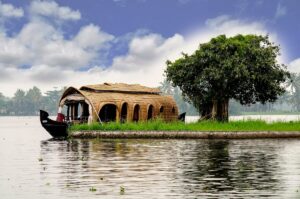
Just 15 km away, the Alappuzha backwaters offer houseboat cruises through serene canals and lagoons. It’s a peaceful way to end a spiritual day — drifting through coconut groves while hearing distant temple bells.
Local Markets & Handicrafts
Drop by Mararikulam village market or Alappuzha town to shop for brass lamps, coir mats, and hand-woven fabrics. Many items reflect temple artistry and Kerala’s craft traditions.
Ayurveda & Yoga
Several resorts and ashrams near Marari offer Ayurvedic therapies and yoga sessions. Combining these with temple visits adds a wellness dimension to your trip — rejuvenation for both body and spirit.
Cultural Insights
The Role of Temples in Kerala Society
In Kerala villages, temples are not just religious centres; they function as social hubs, art schools, and community spaces. Traditional dance forms like Kathakali, Mohiniyattam, and Ottamthullal evolved within temple precincts.
Festivals here are community events — entire villages participate, regardless of class or profession. Visiting during such a celebration offers a first-hand view of Kerala’s cultural unity.
Eco-Spirituality in Mararikulam
Temples like the Sarpa Kshethram reflect Kerala’s old ecological ethos — sacred groves preserved for spiritual reasons became safe zones for biodiversity. This harmony between faith and environment continues even today, setting an example of sustainable spirituality.
Responsible Travel in Temple Villages
- Support local communities: Buy souvenirs or snacks from local shops instead of large chains.
- Avoid littering: Keep plastic out of temple premises and beaches.
- Participate quietly: You can attend temple festivals respectfully; avoid obstructing rituals for photos.
- Use local guides: Hiring a local auto driver or guide supports livelihoods and gives you insider stories.
- Conserve water and energy: Many coastal villages depend on limited resources; travel mindfully.
Responsible travel ensures that your visit benefits the community and preserves the sanctity of these heritage sites.
Conclusion
Mararikulam may appear as a quiet fishing village at first glance, but its temples reveal a deeper soul — one steeped in devotion, artistry, and harmony with nature. From the grandeur of the Sree Mahadeva Temple, where Lord Shiva and Goddess Parvati gaze at each other in eternal union, to the sacred serpent grove at Areepurathu Sarpa Kshethram, every shrine tells a story of Kerala’s timeless faith.
Top Kerala Articles You May Like
- How to Plan a 6–8 Day Kerala Vacation – Complete Trip Guide
- Best Places to Visit in Kerala – July 2026 Travel Ideas
- Kerala in March 2026 – Top Destinations to Explore
- Beautiful Places to See in Kerala – August 2026 Edition
- Munnar Travel Guide – Best Places to Visit in August 2026
- Top Destinations for Village Tourism in Kerala
- Most Famous Lakes to Visit in Kerala
- Popular Boat Races in Kerala – Dates & Travel Tips
- Essential Kerala Travel Tips for First-Time Visitors
- Kerala in September 2026 – Best Places to See & Explore
Frequently Asked Questions
Q1. What are the most famous temples in Mararikulam?
The main temples are Mararikulam Sree Mahadeva Temple, Puthenmadom Mahadeva Temple, Puppallikkave Devi Temple, and Areepurathu Sarpa Kshethram. Each offers a unique cultural and spiritual experience.
Q2. Can I visit all these temples in one day?
Yes, but it’s better to spread them across two days to enjoy each place peacefully. Morning visits are ideal when temples are active and less crowded.
Q3. Is there any accommodation near these temples?
Yes. Resorts, homestays, and eco-lodges near Marari Beach and Mararikulam North provide easy access to temples. Some properties even organize guided temple walks.
Q4. Are women allowed inside all temples?
Yes, women are welcome in these temples, except in rare cases during specific rituals. Kerala temples generally uphold equality in everyday worship.
Q5. What should I wear while visiting?
Loose cotton clothes are perfect. Avoid sleeveless tops, shorts, or tight outfits. Carry a light scarf for modesty.
Q6. What is the nearest town with facilities?
Alappuzha (Alleppey), about 15 km away, has ATMs, hospitals, shopping, and rail connections.
Q7. Can foreign travelers visit freely?
Yes, foreigners are welcome as long as they respect temple customs. Always remove footwear, and avoid stepping into inner sanctums without permission.