Coorg, or Kodagu, sits quietly in the Western Ghats of Karnataka, drawing travellers with its misty hills, forests, and quiet rural life. But beyond the coffee plantations and waterfalls, Coorg holds a spiritual side that many visitors overlook. The region is home to temples and monasteries that reflect layers of history, culture, mythology and community traditions.
If you’re planning a peaceful escape, a cultural trip, or simply want to understand Coorg beyond its scenic beauty, these five must-visit temples are the perfect places to start. Each one offers a unique blend of serenity, architecture and stories that bring you closer to Kodagu’s heritage.
Coorg Temples Guide – 5 Peaceful Spiritual Retreats:
1. Namdroling Monastery (Golden Temple)

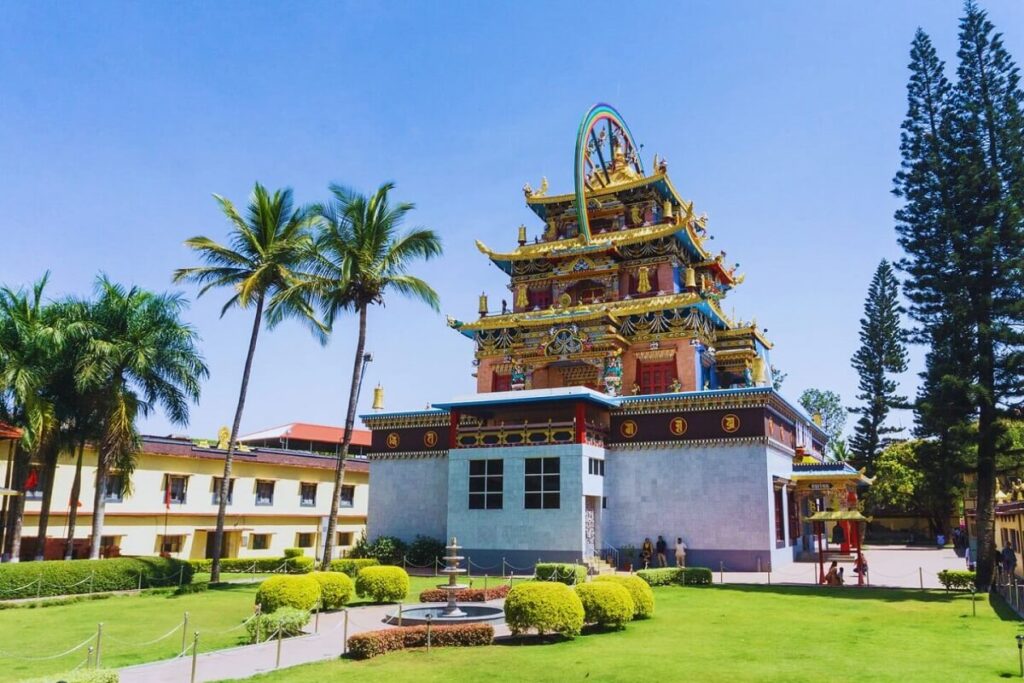
Just outside Coorg’s main tourist belt lies Bylakuppe, one of the largest Tibetan settlements in India. Here, in the middle of green fields and eucalyptus groves, stands the Namdroling Nyingmapa Monastery, popularly known as the Golden Temple. The name comes from the magnificent golden-hued statues of Buddha Shakyamuni, Guru Padmasambhava and Buddha Amitayus that dominate the prayer hall. Read More: Golden Temple in Coorg – Guide About Temple & Tibetan Culture
Why This Temple Belongs in Your Coorg Itinerary
Visitors come here for many reasons, but peace is the one that stays with you. The moment you step past the gates, the sound of Coorg’s wind mixes with the low hum of prayer chants floating from the temples. The monastery complex is large, airy and surrounded by landscaped gardens. The architecture is striking — colourful murals, intricate carvings, golden roofs and traditional Tibetan motifs everywhere you look.
Cultural Highlights
- The monastery is a centre for the Nyingma school of Tibetan Buddhism.
- Daily chanting sessions by hundreds of monks make the atmosphere soothing and powerful.
- The massive three golden statues inside the main prayer hall are unforgettable — calm, expressive and symbolic.
- Fluttering prayer flags and rows of prayer wheels let you engage with the rituals respectfully.
Experience for Travelers
This is a place where spirituality blends with culture effortlessly. Even if you’re not familiar with Tibetan Buddhism, the temple envelops you in a gentler pace of life. Sit quietly in a corner, walk around the gardens, or simply watch monks go about their day. It is one of the most peaceful places in Coorg and offers a cultural experience very different from the region’s Hindu temples.
Best Time to Visit
Morning or early evening. Midday can get busy with tourists, whereas mornings give you a quiet, reflective atmosphere.
2. Omkareshwara Temple
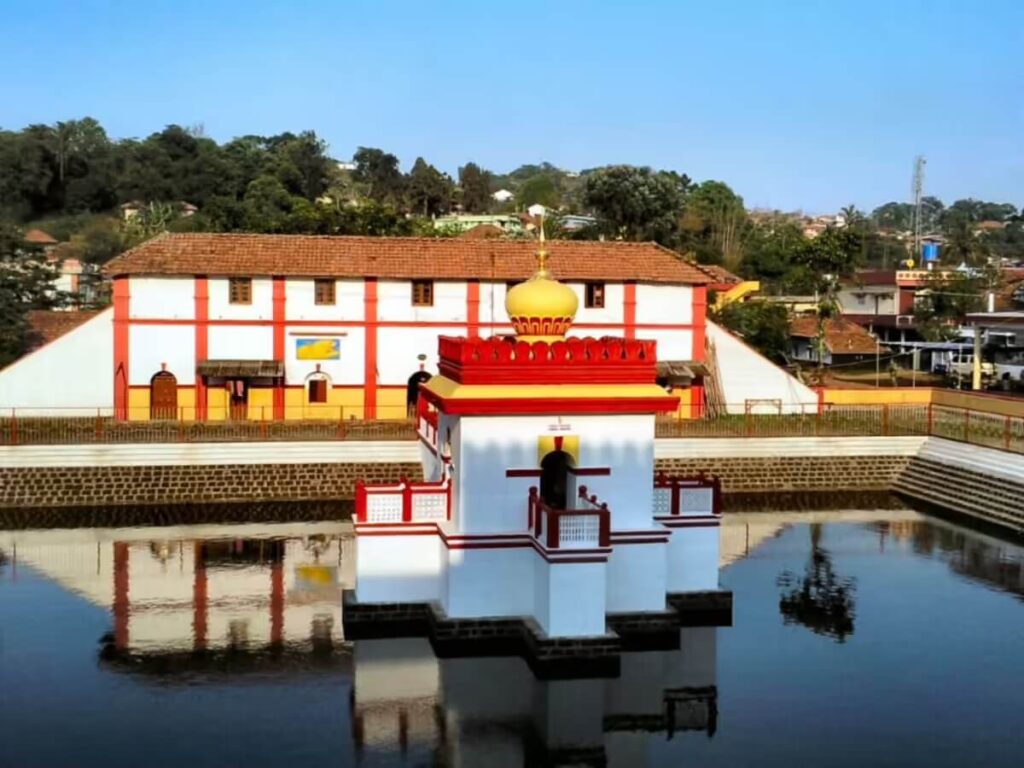
Right in the heart of Madikeri sits the Omkareshwara Temple, a Shiva temple that stands out because of its unusual architecture. Built in 1820 by King Lingarajendra II, the temple combines elements of Gothic, Islamic and traditional Indian styles. Its square structure, tall central dome, and four turret-like minarets give it an appearance that is strikingly different from typical South Indian temples.
Why It Is Special
This temple isn’t just a place of worship; it’s a historical symbol of Coorg’s blended cultural roots. The temple’s story suggests that it was built as an act of penance by the king, and its design reflects influences from different architectural traditions.
The centrepiece of the temple complex is the Kalyani, a large water tank with a small mandapa in the middle. The reflections of the temple in the water, especially during sunrise or sunset, add a peaceful charm.
What You Will Experience Here
- A serene temple pond where fish glide through the water.
- A calm courtyard perfect for slow strolls or photography.
- A location right inside Madikeri town, making it easy to visit even with a tight itinerary.
Unlike many crowded temples in India, Omkareshwara offers a quiet, relaxed atmosphere. Even during festivals, the crowd rarely gets overwhelming.
Best Time to Visit
Late afternoon is ideal. The golden light makes the temple glow, and the breeze from the hills creates a calming environment.
3. Talakaveri Temple
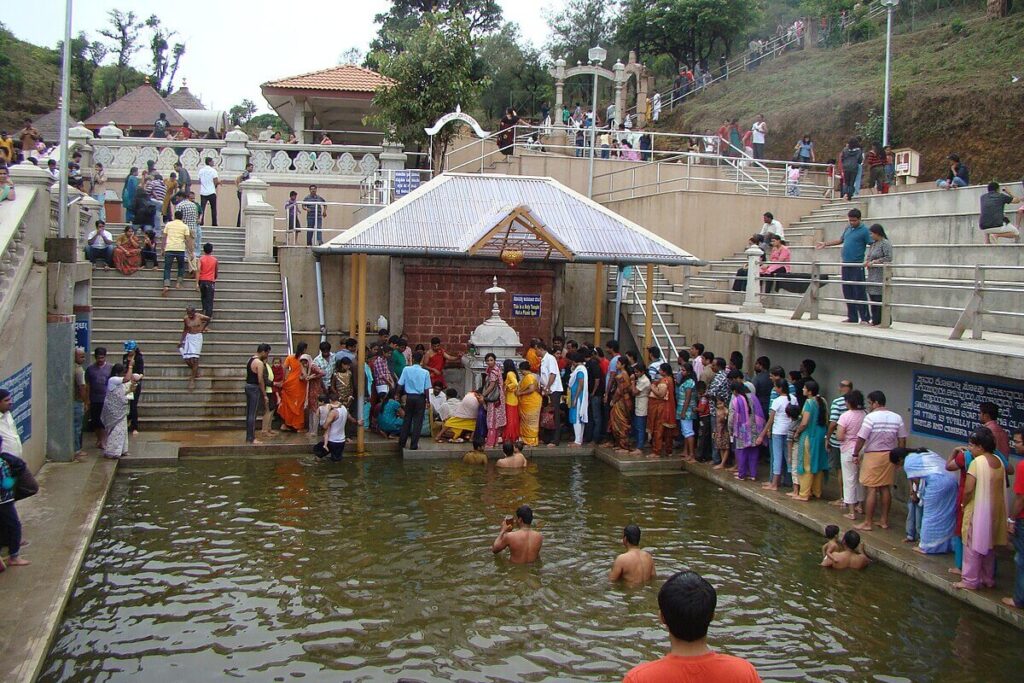
For a mix of nature, mythology and spirituality, nothing in Coorg compares to Talakaveri. Located high in the Brahmagiri Hills, this temple marks the origin of the sacred river Kaveri, one of South India’s most culturally important rivers.
At around 1,276 metres above sea level, reaching Talakaveri is a scenic drive through rolling hills, forests and mist-covered slopes.
Spiritual Significance
Talakaveri is believed to be the birthplace of the river Kaveri. According to legend, the river began here when Goddess Kaveriamma appeared in the form of a tiny spring. Even today, pilgrims consider the spot holy.
During Tula Sankramana, a major festival in October, devotees gather in large numbers to witness the water in the holy spring rise mysteriously — an event considered a divine blessing.
Travel Experience
A trip to Talakaveri is uplifting in every sense:
- The temple stands against dramatic mountain backdrops.
- The air is cooler and the skies seem closer.
- A short climb up a series of steps behind the temple takes you to a spectacular viewpoint overlooking Coorg’s valleys.
The combination of natural beauty and spiritual energy makes this place special for anyone seeking peace, silence and connection with nature.
Best Time to Visit
Early morning when clouds drift across the hills. Avoid the heavy monsoon months as visibility drops drastically.
4. Sri Bhagandeshwara Temple
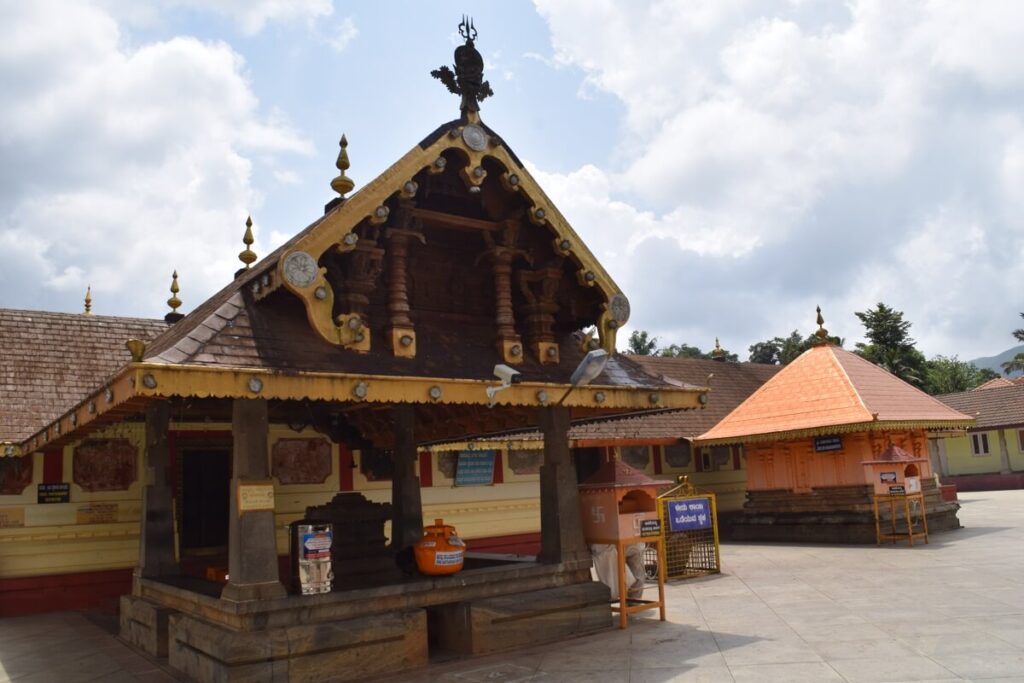
A short drive from Talakaveri brings you to Bhagamandala, a sacred site where the rivers Kaveri, Sujyothi and Kanike meet. This confluence is known as the Triveni Sangam, and it sets a deeply spiritual tone before you even enter the temple.
The main temple here, Sri Bhagandeshwara, is dedicated to Lord Shiva and follows the distinctive Kodagu–Karavali architectural style with sloping tiled roofs and wooden structures.
Cultural and Ritual Importance
- Local devotees consider a dip at the Triveni Sangam purifying before offering prayers inside the temple.
- Pilgrims often pass through Bhagamandala on their way to Talakaveri, making it a traditional two-stop pilgrimage route.
- The temple walls and interior have carvings, rituals and daily practices that reflect Coorg’s indigenous traditions.
What Travelers Love Here
This temple stands at a crossroads of nature and culture:
- The gentle sound of flowing rivers adds to the peaceful atmosphere.
- The surrounding hills make the temple feel protected and serene.
- Rituals performed in the open near the river give you a glimpse of living traditions.
For visitors interested in understanding Coorg’s spiritual heritage, Bhagamandala offers an enriching look into rituals that have remained unchanged for generations.
Best Time to Visit
Visit just after sunrise or before sunset when the rivers shimmer and the temple complex feels calm.
Top Karnataka Holiday Packages for Every Traveler
- 4 Days Mysore & Coorg Tour from Bangalore – Nature & Heritage Escape
- 3 Days Coorg Trip Plan – Coffee Plantations & Hill Views
- 7 Days Karnataka Tour Package – Culture, Wildlife & Temples
- 3 Days Hampi Exploration – History, Ruins & Ancient Temples
- 3 Days Hassan Temple Tour – Spiritual Heritage Trail
- 4 Days Hampi Trip – Architecture & Ancient Wonders
5. Padi Igguthappa Temple
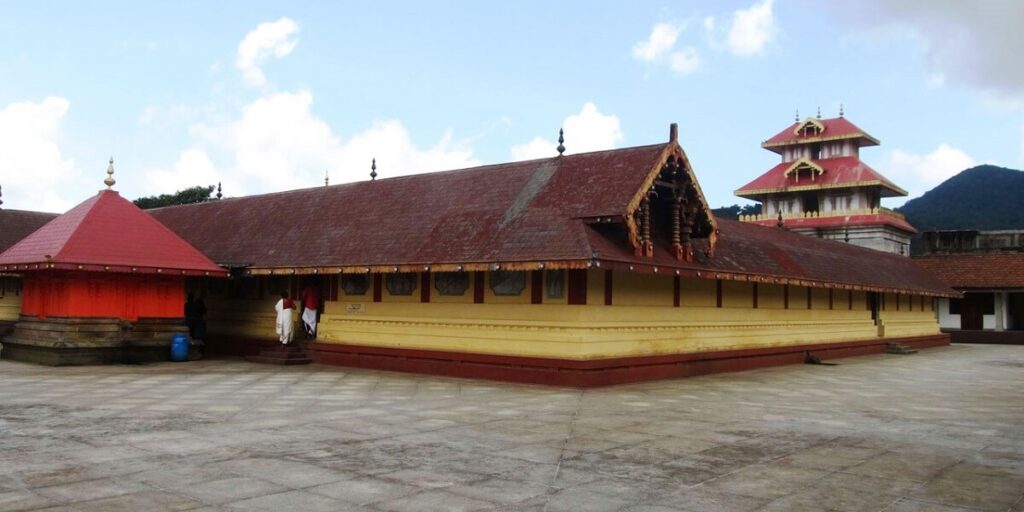
Among all the temples in Coorg, Padi Igguthappa stands out as the cultural soul of the Kodava community. Located near Kakkabe, this temple is older, quieter and more intimate than the others. It is dedicated to Lord Igguthappa, believed to be an incarnation of Lord Subramanya and a deity associated with agriculture, rainfall and prosperity.
Deep Cultural Roots
For the Kodavas, Igguthappa is not just a god — he’s the guardian of their ancestral land. The temple plays a central role during the Puthari Festival, the harvest celebration of Coorg, where rituals, offerings and traditional dances take place.
The architecture resembles old Kerala-style temples, with wooden elements, tiled sloping roofs and a natural setting surrounded by hills. The entire area feels untouched, adding to its charm.
Why Travelers Should Visit
- You get an authentic glimpse into the traditions of the Kodava people.
- The temple offers a serene escape with fewer tourist crowds.
- The surrounding hills make the visit feel like a spiritual journey into the forest.
If you want to experience the cultural heartbeat of Coorg, this is the temple you must not miss.
Best Time to Visit
Morning time or during the Puthari harvest festival for a deeper cultural experience.
Suggested 3-Day Temple Itinerary:
Day 1: The Town and Its Temple
- Arrive in Madikeri
- Visit Omkareshwara Temple
- Explore Madikeri Fort or Raja’s Seat
- Local dinner in town
Day 2: Hills, Rivers and Scenic Temples
- Early morning drive to Talakaveri Temple
- Stop at Sri Bhagandeshwara Temple in Bhagamandala on the return
- Relax in your homestay or coffee estate
Day 3: Tibetan Culture and Kodava Traditions
- Morning visit to Padi Igguthappa Temple
- Afternoon drive to Namdroling Monastery (Golden Temple)
- Explore Bylakuppe Tibetan settlement
- Drive back to Coorg or onward destination
How to Reach These Temples
- By Car: The easiest and most flexible option. Roads to hilltop temples may be narrow.
- By Local Taxi: Available across Coorg for day trips.
- By Bike: Suitable in dry months, but hills may be challenging.
Dress Code
Always dress modestly when visiting temples:
- Covered shoulders
- No shorts inside sanctum areas
- Footwear to be removed before entering
Best Time of the Year
- September to March: Pleasant weather, clear landscapes.
- Avoid peak monsoon (June–August) if planning hill drives.
Photography Rules
Many temple courtyards allow photography, but sanctum interiors often do not.
Always check posted signs.
Conclusion: Coorg’s Spiritual Heartbeat
Coorg’s temples offer something deeper than sightseeing: they connect you to the land, its legends, its communities and its natural beauty. Whether it’s the Tibetan tranquillity of the Golden Temple, the hilltop serenity of Talakaveri or the cultural richness of Padi Igguthappa, each temple brings you closer to the soul of Coorg.
A temple tour in Coorg isn’t about rushing between locations — it’s about slowing down, breathing the forest air, listening to the river, watching rituals unfold and letting the calm of the mountains in.
If you’re planning a peaceful escape or searching for cultural depth, the Top 5 Must-Visit Temples in Coorg should be at the top of your itinerary.
More Travel Guides and Ideas:
- Best Time to Visit Coorg – Complete Seasonal Travel Guide
- Top Places to Visit Near Coorg Within 200 km
- 10 Best Luxury Resorts and Hotels in Coorg
- Top Tourist Places to Visit in Karnataka in February
- 10 Must-Visit Tourist Attractions in Coorg
- Best Restaurants and Cafes in Coorg for Food Lovers
- Top 10 Things to Do in Coorg for Every Traveler
- 8 Famous Local Products and Souvenirs to Buy in Coorg
- Best Places to Visit in Karnataka in January
FAQs About Visiting Temples in Coorg
1. Are these temples crowded?
Most of them remain relatively peaceful except during major festivals. Namdroling and Talakaveri see more visitors on weekends.
2. Do I need entry tickets?
No, most temples in Coorg are free to enter.
3. Can I visit all five temples in one day?
It’s technically possible but not recommended. You’ll miss the peaceful experience each temple offers.
4. Is transportation easily available?
Yes, but Padi Igguthappa Temple requires more travel time as it is located in a quieter part of Coorg.
5. Are these temples suitable for families?
Absolutely. Kids enjoy the monastery, hill views at Talakaveri and the fish-filled pond at Omkareshwara.