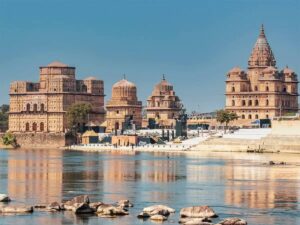

If you’re looking for a travel destination in India that marries ancient architecture, intricate artistry, deep cultural roots, and a peaceful getaway, Khajuraho surely deserves a spot at the top of your list. This small town in Madhya Pradesh is a treasure trove of history, art, spirituality, and rural charm. It’s most famous for its magnificent Khajuraho Temple Complex, a UNESCO World Heritage site, but there’s much more to this unique destination than just temples.
In this complete guide, we’ll explore 11 compelling reasons why you should plan a trip to Khajuraho. By the time you finish reading, you’ll feel confident, inspired, and ready to explore this remarkable corner of India.
Top 11 Reasons Why Khajuraho Should Be on Your Travel List:
1. World-Famous Khajuraho Temples
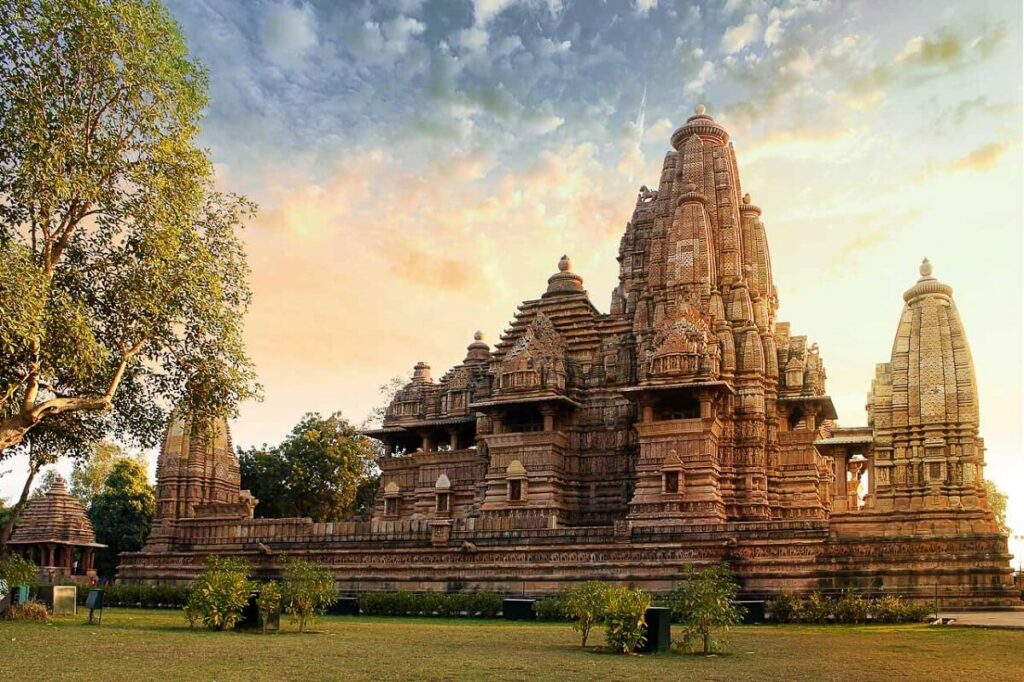
At the heart of every travel plan to central India lies the mystical and artistic allure of the Khajuraho temples. With origins dating back to between 950 and 1050 AD, this temple cluster is an exceptional example of India’s medieval architectural brilliance.
What makes Khajuraho truly unique is its intricate sandstone carvings that adorn the outer walls of temples. These sculptures depict a vibrant blend of spirituality, everyday life, mythology, dance, music, and yes, expressive human forms. The detail is astonishing: every inch seems to tell a story, and every figure feels alive. Walking around the site feels like opening a visual book on human emotions and ancient Indian culture.
The temples are grouped into three main zones: Western, Eastern, and Southern. The Western Group is the most popular, with temples like Kandariya Mahadeva, Lakshmana, and Vishwanath. These structures showcase towering spires, detailed friezes, and balanced symmetry, all carved in warm sandstone that glows especially at sunrise and sunset.
Whether you’re an art lover, a history buff, or just a curious traveler, the artistry here is reason enough to plan your trip.
2. UNESCO World Heritage Status
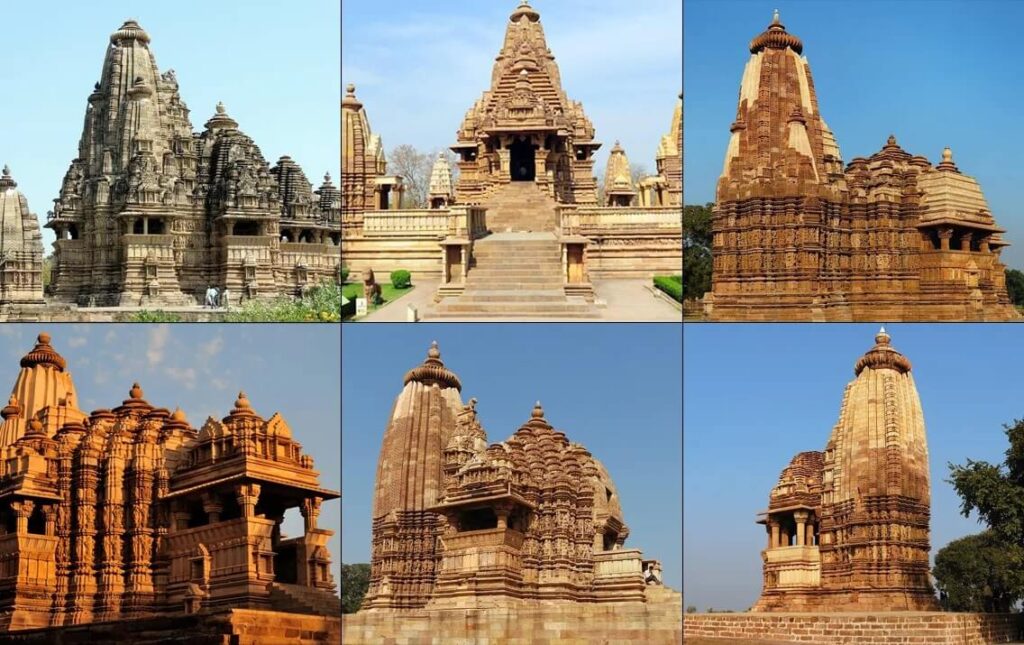
In 1986, the Khajuraho Group of Monuments was inscribed as a UNESCO World Heritage Site. This recognition doesn’t just acknowledge beauty; it emphasizes universal cultural importance.
Being a World Heritage site brings global attention to Khajuraho’s historical value. It also means ongoing preservation efforts that help maintain the temples’ authenticity and architectural integrity. When you visit, you’re stepping into a place recognized as a treasure not just of India, but of humanity.
Travelers often tell us that knowing they were exploring a UNESCO World Heritage site added depth to their experience, making each step feel like a walk through time.
3. Mesmerizing Sunset and Sound Light Shows
A trip to Khajuraho isn’t just about daytime exploration; it’s also about memorable moments after dusk.
Every evening, the Khajuraho temples light up for the Sound and Light Show. This cultural presentation uses narration, music, and lighting to bring the history of the Chandela rulers and the temples to life. The glow of lights against the stone sculptures creates an evocative atmosphere, making it one of the most talked-about experiences in the region.
Watching the temples transition from warm daylight hues to a magical nighttime silhouette is one of those small travel moments that stays with you long after the trip ends.
4. Compact Yet Diverse Tourist Experience
One of the reasons travelers love Khajuraho is that it offers a full travel experience without being overwhelming.
The town itself is compact, which makes it easy to explore on foot or by bicycle. You don’t need long hours of transit between attractions. Within just a few kilometers, you can visit major temples, museums, local markets, and cultural venues.
Khajuraho also has a quiet, residential feel. Streets aren’t congested, and there’s a peaceful rhythm to day-to-day life here. That’s perfect for travelers who want to immerse themselves in local culture without the rush and chaos common in big cities.
5. Rich Chandela Dynasty History
The temples of Khajuraho were built by the Chandela dynasty, a powerful ruling family during medieval India. Their architectural legacy is both artistic and symbolic, representing philosophical ideas about life, existence, devotion, and human nature.
Visiting Khajuraho is not just about witnessing sculptures. It’s about understanding an entire worldview shaped by the Chandelas. Many travelers find this intellectual and cultural layer fascinating, especially if they love history.
The nearby Khajuraho Archaeological Museum further showcases artifacts and sculptures that help contextualize the region’s past, making your visit educational as well as inspiring.
6. Peaceful Natural Settings and Nearby Wildlife
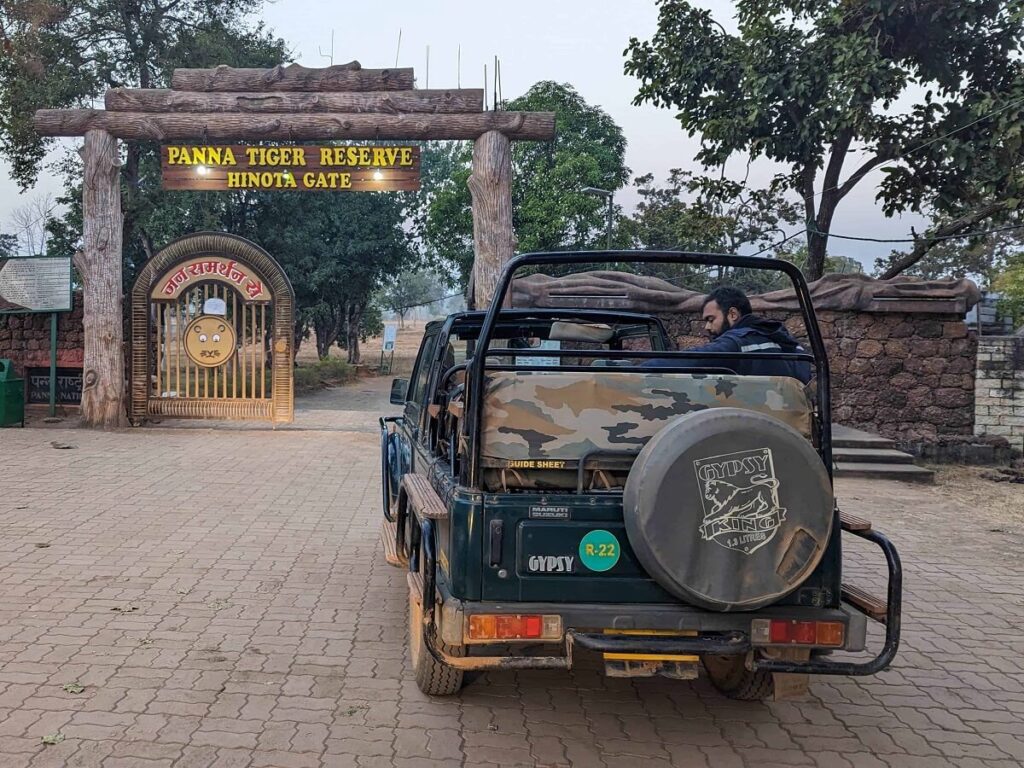
Beyond temples and heritage, Khajuraho sits in a serene natural landscape. The surrounding countryside is lush, with fields, woodlands, and rural scenes that offer a stark contrast to urban India.
If you’re an outdoor lover, this region serves as a base for exploring Panna National Park, a short drive away. Panna is known for its diverse wildlife including tigers, leopards, deer, and a variety of birds. You can book safaris from Khajuraho and spend a half-day or full-day in the park.
The proximity of nature and wildlife makes Khajuraho appealing for travelers who enjoy both cultural sites and natural retreats.
7. Traditional Dance and Cultural Performances
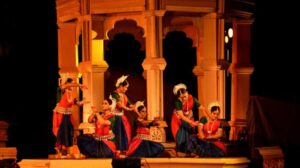
Khajuraho is known for more than static sculptures. The site has a long association with classical Indian dance, particularly Kathak. The sculptures themselves are said to reflect poses and gestures similar to classical dance movements.
Each year, usually in February, the Khajuraho Dance Festival draws performers from all over India. Dancers interpret ancient traditions through vibrant choreography set against the backdrop of the illuminated temples.
Even if you can’t attend during the festival, many local hotels and cultural centers organize smaller performances that give you a taste of traditional Indian music and dance.
8. Delicious Local Cuisine and Regional Flavors
A trip to Khajuraho won’t be complete without tasting the local cuisine. While the town features eateries with familiar Indian dishes, you can also find regional flavors from Madhya Pradesh that you might not encounter elsewhere.
Expect dishes with hearty lentils, fresh flatbreads, rice, and traditional sweets like jalebi and malpua. Many boutique cafes and restaurants in town blend Indian and international tastes, so even picky eaters will find options they enjoy.
Local markets and street food stalls serve treats that are worth exploring between temple visits. Food is one of those little joys in travel that makes destinations feel alive and personal.
9. Ideal for Solo Travelers and Families Alike
Khajuraho caters to almost all types of travelers. Whether you’re traveling alone, with your partner, with friends, or with family, this destination offers a safe and comfortable experience.
Solo travelers appreciate the calm atmosphere and the ease of navigating between attractions. Families enjoy the open spaces, interactive museum exhibits, and the sense of discovery that comes with exploring ancient art. For couples, the picturesque sunset views around temples provide naturally romantic moments.
The fact that Khajuraho is not as crowded as major cities means you can explore at your own pace, posing fewer hassles with crowds, queues, and noise.
10. Affordable & Accessible from Major Indian Hubs
Travelers often assume historic destinations in India are difficult or expensive to reach. With Khajuraho, that’s not the case.
Air connectivity has improved significantly over the years. Khajuraho has its own airport with regular flights from major cities like Delhi, Mumbai, and Varanasi. Train connections and road networks also link the town to surrounding regions.
Once you arrive, accommodation options range from budget guesthouses to boutique heritage hotels, so you can plan a trip that fits your budget without compromising on comfort.
Entry ticket prices for the temple complex are also reasonable, with discounts for Indian citizens and students, making it one of the most cost-effective heritage experiences in the country.
11. Photography Heaven
If you love to capture your travel experiences, Khajuraho offers endless opportunities.
From sandstone textures and architectural details to sun-lit corridors and shadowed alcoves, photographers find this place endlessly inspiring. Sunrise and sunset bring out rich tones in the stone, perfect for dramatic shots. The contrast of everyday life around temple grounds – vendors, pilgrims, locals – adds layers of human interest.
Whether you’re an amateur with a smartphone or a professional with high-end gear, Khajuraho rewards attention with compelling frames.
Best Time to Visit Khajuraho
Planning your travel dates can make a big difference in how you experience Khajuraho.
The peak season is generally from October to March. During these months, the weather is pleasant, ideal for exploring temples on foot and enjoying evening shows. December and January can get cool, especially at night, so pack accordingly.
Avoid the peak summer months (April to June) if you’re sensitive to heat. Temperatures can climb above 40°C (104°F), making daytime touring uncomfortable. If you’re traveling on a budget, the shoulder season (September and late March) can offer lower prices on flights and hotels while still maintaining fairly good weather.
Where to Stay in Khajuraho
Although a small town, Khajuraho offers a variety of accommodation options:
- Heritage Hotels and Resorts: If you want luxury and character, heritage stays often feature traditional décor and close proximity to the temple complex.
- Mid-Range Hotels: Comfortable rooms with Western amenities, often including complimentary breakfast.
- Budget Guesthouses: Simple lodgings that are clean and friendly, ideal for backpackers and budget travelers.
- Boutique Guest Inns: Quaint and unique stays with personalized service.
Pro tip: Book in advance during festival season or peak winter months to secure the best properties.
How to Reach Khajuraho:
By Air: Khajuraho Airport is well connected with direct flights from Delhi, Varanasi, and other major cities in India. Domestic airlines operate regular services year-round.
By Train: The nearest major railway station is Khajuraho Railway Station, connected to key cities like Jhansi and Delhi. Several daily passenger trains and express services operate on this route.
By Road: Khajuraho has good road connectivity with nearby cities like Bhopal, Gwalior, and Jhansi. You can hire private cars, take state buses, or enjoy a road trip through central India’s scenic countryside.
Once you reach the town, everything is easily accessible by bicycle, e-rickshaw, auto-rikshaw, tuk-tuk, or simply by walking.
Tips for First-Time Travelers
Here are a few simple tips that can elevate your Khajuraho travel experience:
- Start early: The light in the morning beautifully highlights temple carvings.
- Wear comfortable shoes: There’s significant walking involved at the temple complex.
- Carry water and sunscreen: Especially in summer months.
- Hire a local guide: They can offer context and stories behind sculptures you might miss otherwise.
- Respect cultural sensitivities: The erotic sculptures are symbolic and historic; treat them with cultural understanding.
Final Thoughts
From artistic brilliance and historical depth to cultural richness and relaxed pace, Khajuraho offers a travel experience that’s both unique and unforgettable. Whether you’re driven by your love for heritage, photography, culture, or simply the joy of exploration, this destination rewards every kind of traveler.
Planning a trip to Khajuraho isn’t just about visiting a set of temples. It’s about stepping into a world that blends artistic genius with spiritual insight, where each stone whispers a story and every pathway invites discovery.
If you’re building your next India itinerary, make space for Khajuraho. It may be small in size, but it’s giant in character.
Frequently Asked Questions about Khajuraho Travel:
What is Khajuraho Famous For?
Khajuraho is best known for its medieval temples decorated with exquisite carvings that depict spiritual ideals, human life, mythology, and artistic mastery.
Are the Khajuraho Temples Only About Erotic Sculptures?
No. While the erotic sculptures are well-known because of their expressive nature, the majority of carvings depict daily life, spiritual themes, musicians, dancers, animals, gods, and cosmic symbolism.
How Long Should I Plan to Stay in Khajuraho?
A typical stay of 2 to 3 days is ideal to explore the main temple groups, enjoy the sound and light show, visit museums, and experience local culture.
Is Khajuraho Safe for Solo Travelers?
Yes. Khajuraho is considered safe for solo travelers. The town is peaceful, and locals are generally welcoming and respectful.