
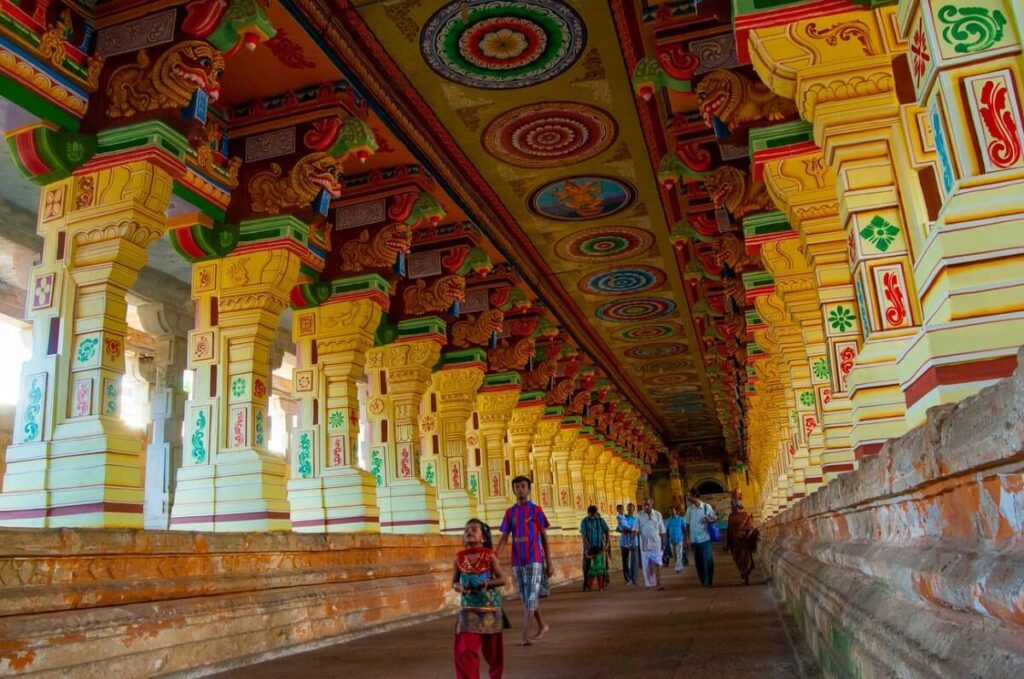
Rameshwaram, a serene island town in Tamil Nadu, is one of India’s most sacred pilgrimage destinations. Known for the Ramanathaswamy Temple, this holy site is part of the Char Dham Yatra—alongside Badrinath, Puri, and Dwarka—making it a must-visit for Hindus and spiritual travelers worldwide.
What sets Rameshwaram apart is not just its religious importance, but also its unique mix of history, architecture, and natural beauty. With intricate corridors, towering gopurams, and mythological ties to the Ramayana, the Rameshwaram Temple is more than just a shrine—it’s a cultural and spiritual experience.
This complete guide covers everything you need: the temple’s history, timings, darshan details, rituals, attractions, travel tips, and nearby places that make Rameshwaram a once-in-a-lifetime journey.
The Historical & Mythological Significance of Rameshwaram Temple
The Ramayana Connection
According to Hindu mythology, Rameshwaram is where Lord Rama built a bridge (Rama Setu) across the sea to reach Lanka and rescue Sita from Ravana. Before departing for battle, Rama is believed to have worshiped Lord Shiva here, seeking blessings for victory.
He instructed Hanuman to bring a Shiva Linga from the Himalayas. Since the journey took too long, Sita fashioned a linga from sand, which Rama consecrated. This linga, known as the Ramalinga, is enshrined at the temple today. Later, Hanuman brought another linga—Vishwalinga—which was also installed. Both are worshipped within the sanctum.
Architectural Marvel
The Rameshwaram Temple is one of the largest in India, showcasing Dravidian architecture with:
- Long Corridors: At 1,200 meters, the temple’s corridors are among the longest in the world, adorned with over 1,000 carved pillars.
- Massive Gopurams: Towering gateways dominate the skyline, decorated with intricate sculptures.
- Sacred Tanks: There are 22 holy wells inside the temple, each with unique taste and significance, where pilgrims perform ritual baths before darshan.
Historical Development
- 12th Century: Expanded under the Pandya dynasty.
- 16th Century: Major construction during the Nayak rulers, especially the long corridors.
- Modern Era: Regular renovations preserve the temple’s grandeur, attracting both devotees and history enthusiasts.
Temple Timings, Rituals, and Darshan Details:
Visiting the Rameshwaram Temple is not only about sightseeing but also participating in its sacred rituals. Here’s what you need to know:
Rameshwaram Temple Timings
- Morning: 5:00 AM – 1:00 PM
- Evening: 3:00 PM – 9:00 PM
Timings may vary on special occasions and festivals, so it’s best to check locally before your visit.
Major Poojas and Rituals
- Spadiga Linga Darshan – Early morning ritual with a crystal linga.
- Shiva Sahasranama Archana – Chanting 1,000 names of Lord Shiva.
- Kalashabhishekam – Sacred bathing of the linga with holy water.
- Rudrabhishekam – Offering prayers with Rudram chanting.
- Arthajama Pooja – Night ritual before temple closes.
Special Darshan Types
- General Darshan: Free entry, usually with long queues.
- Special Entry: Paid darshan for faster access.
- Festivals: Expect extended wait times, especially during Maha Shivaratri and Arudra Darshan.
Ritual Bathing – The 22 Theerthams
A unique practice here is bathing in 22 holy wells before darshan. Each well’s water has distinct mineral content and symbolic value. The most important are:
- Agni Theertham – Sea bathing point, just outside the temple.
- Kodi Theertham – Believed to wash away all sins.
- Mahalakshmi Theertham – Brings prosperity.
Rameshwaram Package: 5 Nights 6 Days Tirupati Madurai Rameshwaram Kanyakumari Trip Itinerary
Must-Visit Attractions Inside the Temple:
Apart from the sanctum, the temple complex itself has several fascinating highlights:
1. The Grand Corridors
Walking through the massive pillared corridors is an unforgettable experience. Each pillar carries intricate carvings and provides a sense of symmetry and spiritual calm. Photographers find this spot particularly captivating.
2. The Sanctum Sanctorum
The main shrine houses the Ramalinga and Vishwalinga. The atmosphere here is deeply spiritual, with chants and incense creating an aura of devotion.
3. The Nandi Mandapam
A massive statue of Nandi (the bull) faces the sanctum. It is one of the largest Nandis in India, symbolizing Lord Shiva’s vehicle.
4. Theerthams Within the Temple
Each of the 22 wells is small and covered, yet holds great religious significance. Devotees often hire temple priests to guide them through the ritual bathing.
5. Temple Towers
The gopurams (entrance towers) are adorned with detailed sculptures depicting mythological stories, making them an artistic highlight.
Must-Visit Attractions Around Rameshwaram Temple:
While the Ramanathaswamy Temple is the centerpiece, Rameshwaram and its surroundings are filled with spiritual, cultural, and natural wonders.
1. Agni Theertham
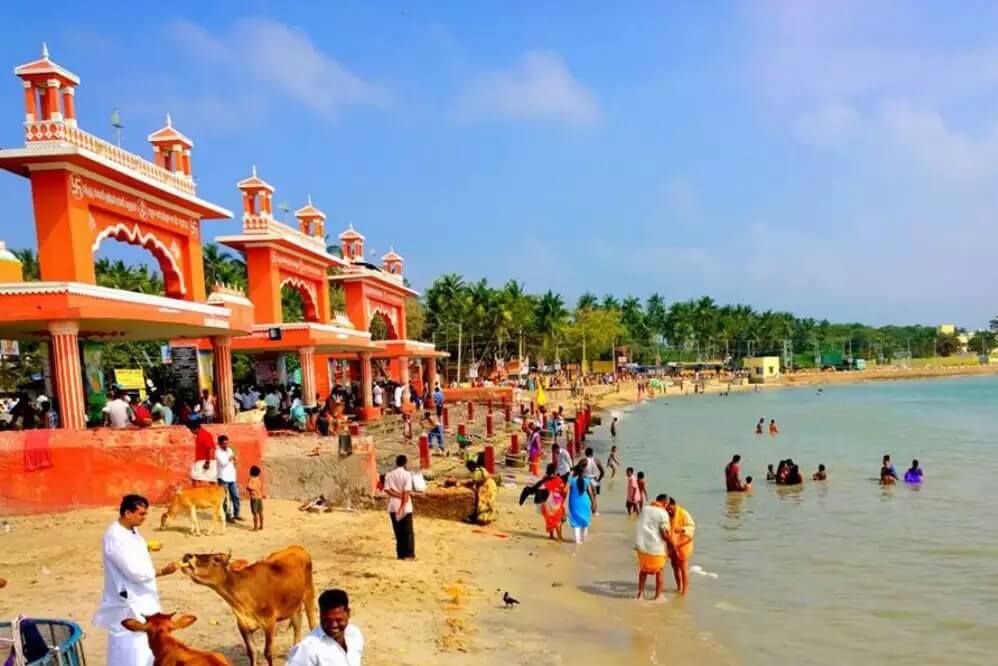
Located right on the beach, just a few steps from the temple, this sacred bathing spot is one of the 64 holy baths in India. Pilgrims first take a dip here before entering the temple. The sunrise view from Agni Theertham is simply magical.
2. Dhanushkodi
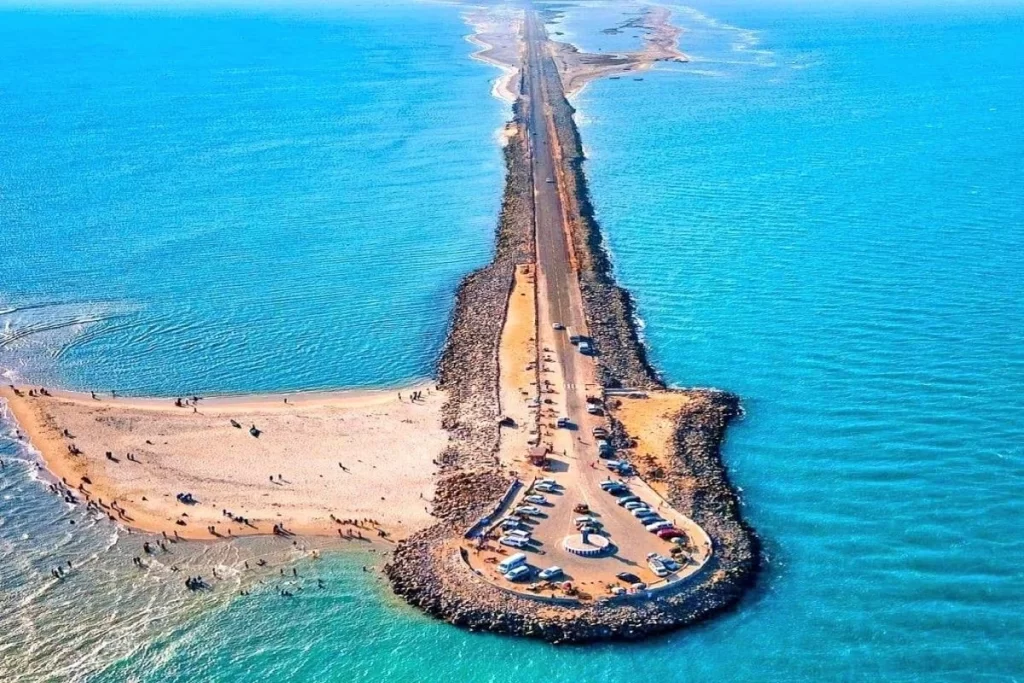
Often called the “Ghost Town”, Dhanushkodi was destroyed in the 1964 cyclone but remains a hauntingly beautiful spot. Legends say this is where Rama instructed Lord Hanuman and his vanara army to build the bridge to Lanka. Today, you can see the remnants of the old church, railway station, and vast stretches of untouched beach.
3. Pamban Bridge
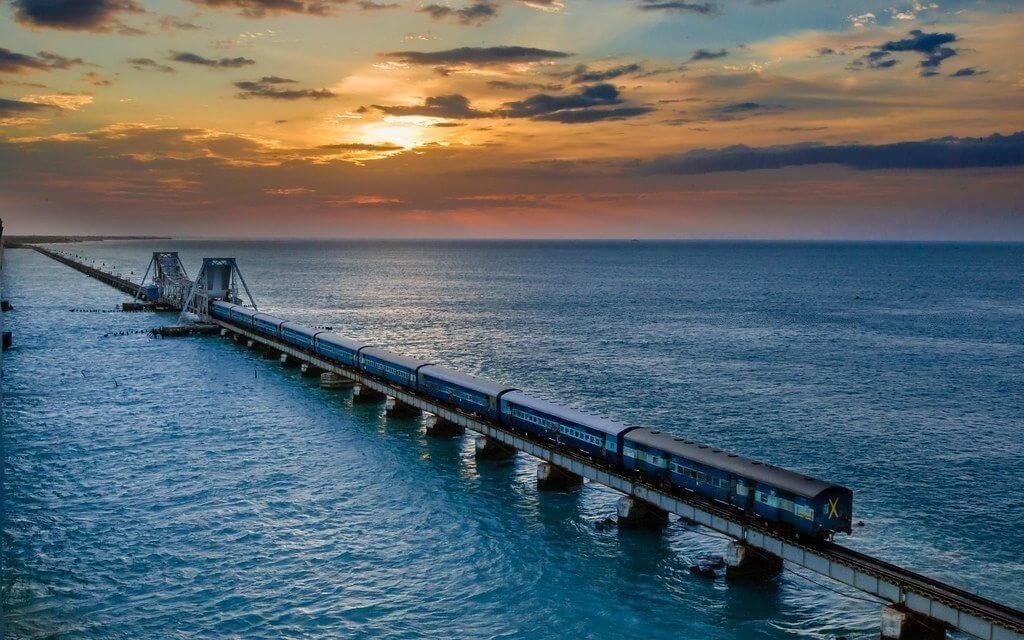
The iconic Pamban Bridge connects Rameshwaram Island to mainland India. It was India’s first sea bridge and still remains an engineering marvel. Watching trains slowly move across the bridge with waves crashing below is a breathtaking sight.
4. Gandhamadhana Parvatham
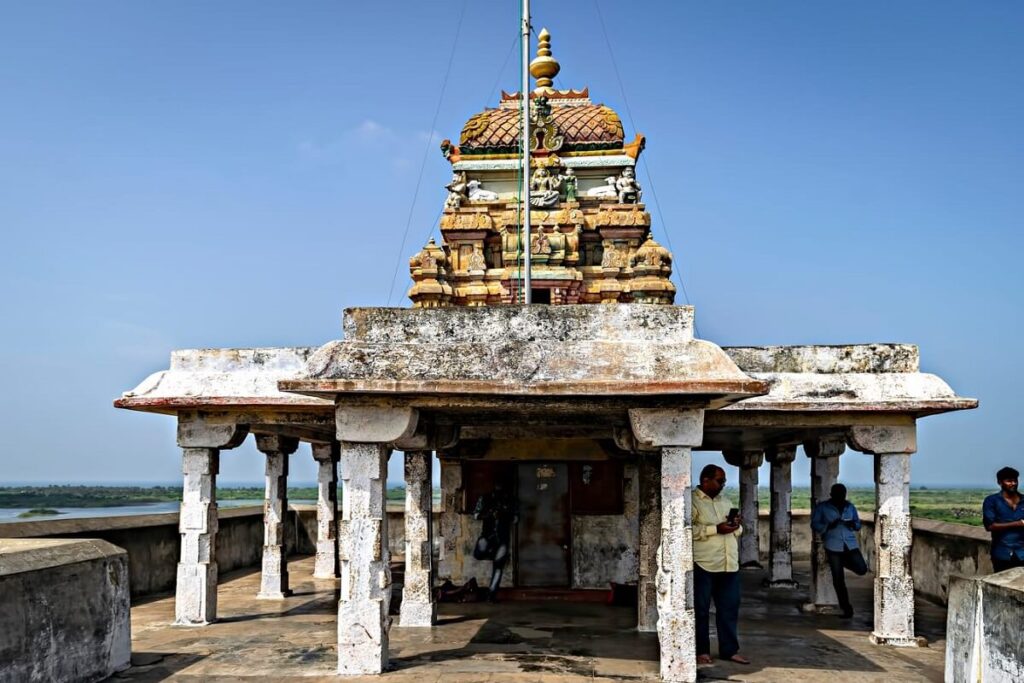
This small hillock houses a temple that enshrines Rama’s footprints. From here, you get a panoramic view of Rameshwaram island.
5. Panchmukhi Hanuman Temple
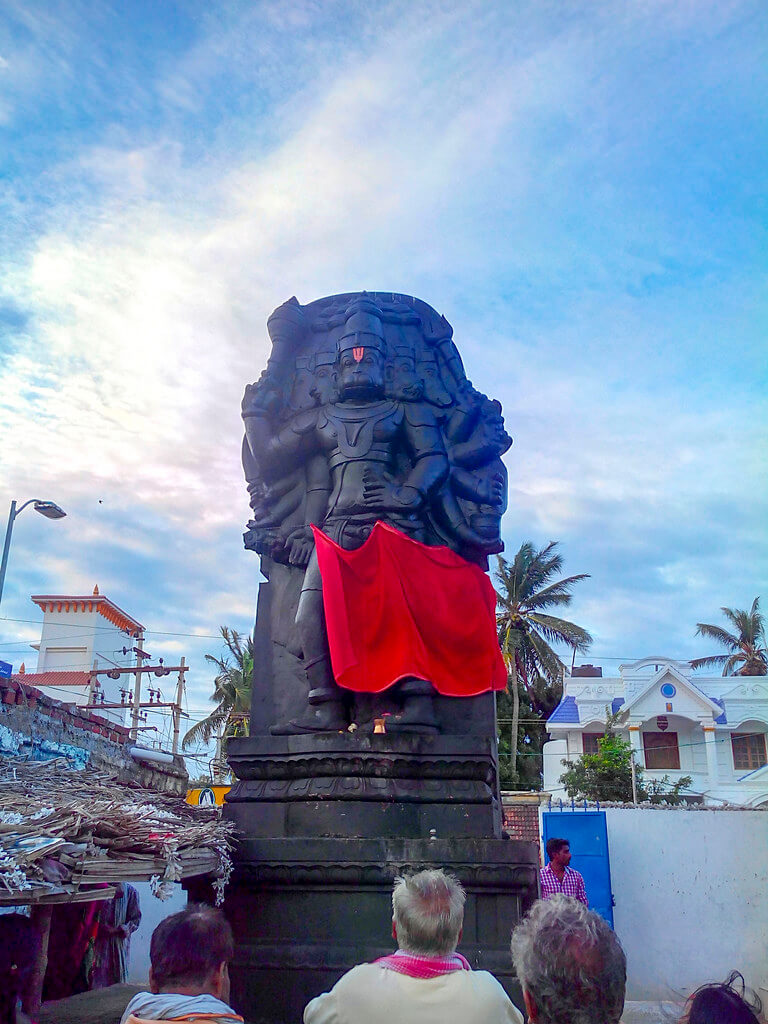
A small but powerful temple, it contains floating stones believed to have been used in constructing the Ram Setu. The sight of these stones leaves most visitors in awe.
6. Adam’s Bridge (Ram Setu)
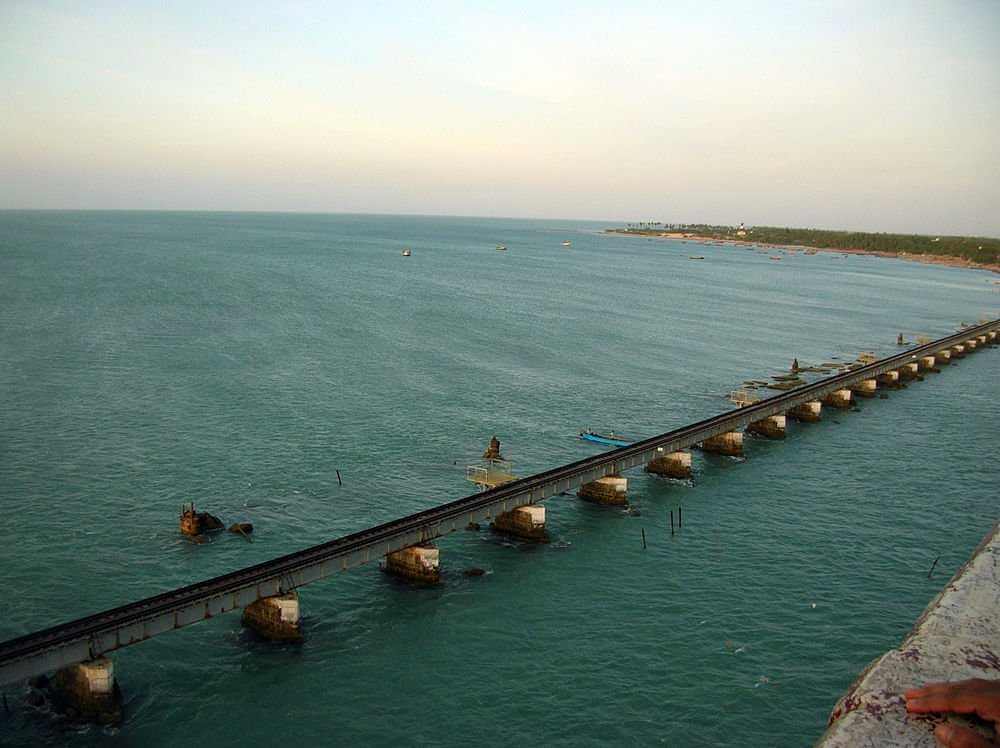
A chain of limestone shoals stretching from Rameshwaram to Sri Lanka, this formation is believed to be the remains of the legendary Rama Setu. While access is restricted, you can view parts of it from Dhanushkodi.
7. Kalam Memorial
Dedicated to India’s “Missile Man” and former President Dr. A.P.J. Abdul Kalam, who was born in Rameshwaram. His house has been converted into a museum that inspires with stories of humility and greatness.
Festivals and Celebrations at Rameshwaram Temple:
The temple is vibrant all year, but festivals add another layer of energy and devotion.
1. Maha Shivaratri
- When: February–March
- Highlights: All-night prayers, chanting of hymns, and special abhishekams. Thousands of devotees gather for darshan.
2. Arudra Darshan
- When: December–January
- Highlights: Celebrated in honor of Lord Nataraja (Shiva as the cosmic dancer). The temple is decorated beautifully, and special poojas take place.
3. Ramalinga Prathishta Utsavam
- When: July–August
- Highlights: Commemorates the consecration of the Ramalinga by Lord Rama. Rituals and cultural programs are organized.
4. Navaratri and Vijayadashami
- When: September–October
- Highlights: Nine nights of devotion with cultural performances, followed by Ravana Dahan symbolizing the victory of good over evil.
5. Float Festival (Theppotsavam)
- When: February
- Highlights: The temple deity is placed on a decorated float and taken around in the temple tank. The colorful event attracts huge crowds.
Best Time to Visit Rameshwaram
Rameshwaram can be visited year-round, but some seasons make the experience more comfortable:
- Winter (October–March): Best time for pilgrimage and sightseeing. Pleasant weather (20–30°C). Perfect for temple visits and exploring beaches.
- Summer (April–June): Hot and humid, temperatures rise to 40°C. However, fewer crowds mean shorter waiting times for darshan.
- Monsoon (July–September): Heavy rains can cause travel disruptions, but the landscape turns lush and green. Festivals like Ramalinga Prathishta Utsavam occur during this season.
👉 Pro Tip: If your trip is purely spiritual, visit during festivals like Shivaratri for a once-in-a-lifetime experience. For a relaxed trip, choose winter months.
How to Reach Rameshwaram:
By Air
- Nearest Airport: Madurai Airport (174 km away)
- From Madurai, taxis and buses connect you to Rameshwaram in about 3.5–4 hours.
By Train
- Rameshwaram Railway Station connects to major cities like Chennai, Madurai, Trichy, and Coimbatore.
- The journey over the Pamban Bridge is itself a highlight.
By Road
- Well-connected by buses and private taxis from Chennai (560 km), Madurai (170 km), and Trichy (270 km).
- Driving across the Pamban Bridge is an unforgettable experience.
Travel Tips for First-Time Visitors
- Dress Code: Wear traditional or modest attire. Men are encouraged to wear dhotis; women in sarees or salwar suits.
- Temple Rules: Mobile phones and cameras are not allowed inside. Locker facilities are available.
- Footwear: Shoes must be left outside. Carry a small bag for convenience.
- Bathing in Theerthams: Hire a local guide or priest to help navigate the 22 wells efficiently.
- Darshan Queues: Arrive early morning to avoid long waits. Weekends and festival days are very crowded.
- Food: Rameshwaram offers pure vegetarian cuisine near the temple. Avoid carrying non-vegetarian food in temple premises.
- Stay Options: Choose hotels close to the temple for convenience. Luxury resorts are also available near the beach.
- Local Transport: Auto rickshaws and taxis are widely available. Negotiate fares in advance.
Suggested Itineraries for Rameshwaram:
If you’re planning a trip, the time you have will shape your experience. Here are some practical itineraries:
1-Day Itinerary – Quick Pilgrimage
- Morning: Arrive early, take a dip at Agni Theertham, and complete the 22 theertham ritual inside the temple.
- Late Morning: Darshan of Ramalinga and Vishwalinga inside the sanctum.
- Afternoon: Visit Panchmukhi Hanuman Temple and see the floating stones.
- Evening: Walk along Agni Theertham beach or watch the sunset near Pamban Bridge before departure.
👉 Perfect for devotees who want a spiritual experience in a short time.
2-Day Itinerary – Balanced Spiritual & Sightseeing Trip
Day 1:
- Perform theertham rituals and darshan at Ramanathaswamy Temple.
- Visit Agni Theertham and Gandhamadhana Parvatham.
- Evening visit to Dr. A.P.J. Abdul Kalam Memorial.
Day 2:
- Early morning drive to Dhanushkodi. Explore ruins, beaches, and Ram Setu viewpoint.
- Return and relax at Rameshwaram beach before departure.
👉 Ideal for families and pilgrims combining devotion with light exploration.
3-Day Itinerary – Spiritual, Cultural & Leisure Experience
Day 1:
- Morning rituals at Rameshwaram Temple.
- Explore temple corridors and theerthams at a slower pace.
- Evening walk at Agni Theertham beach.
Day 2:
- Half-day trip to Dhanushkodi and Ram Setu.
- Visit Panchmukhi Hanuman Temple and Gandhamadhana Parvatham.
- Evening leisure at Pamban Bridge viewpoint.
Day 3:
- Day trip to nearby attractions like Devipattinam (Navagraha temple in the sea) or Erwadi Dargah (for interfaith travelers).
- Shopping for handicrafts, seashell souvenirs, and conch shells.
- Relax before departure.
👉 Suited for travelers who want a wholesome spiritual and cultural journey.
Practical Travel Tips & Cultural Etiquette
- Plan Ahead: Check temple schedules before visiting. Festivals bring huge crowds.
- Respect Traditions: Even if you’re not performing rituals, maintain silence and modest behavior.
- Hydrate & Rest: Summers are hot and humid. Carry water, caps, and light cotton clothes.
- Local Guides: Hiring a certified guide helps in navigating the rituals smoothly.
- Souvenirs: Conch shells, handcrafted items, and seashell jewelry are popular buys.
Conclusion: Why Rameshwaram Should Be on Your Travel List
Rameshwaram isn’t just a temple town—it’s a journey through faith, history, and natural beauty. From its mythological ties to the Ramayana and sacred theerthams to engineering marvels like Pamban Bridge and the haunting beauty of Dhanushkodi, the island offers a multi-layered experience.
For devotees, it’s a spiritual cleanse. For travelers, it’s a walk through centuries of culture and tradition. Whether you come for darshan at Ramanathaswamy Temple, to dip into the 22 holy wells, or to simply marvel at the sunrise over the Bay of Bengal, Rameshwaram leaves you with a sense of peace and wonder.
If India is a land of sacred journeys, Rameshwaram is where faith meets the sea—eternal, vast, and unforgettable.
Tamil Nadu Travel Ideas
- Must-Visit Temples in Rameshwaram
- Top Attractions and Places in Rameshwaram
- Travel Itinerary: Rameshwaram to Kanyakumari Trip
- Tamil Nadu in July – Best Places to Explore
- Where to Travel in Tamil Nadu – August 2026
- Tamil Nadu Tourism Guide – September 2025 Highlights
- Top 10 Restaurants in Rameshwaram to Try
- Tamil Nadu Travel in October 2025 – Best Destinations
- Best Places in Tamil Nadu to Visit in November 2025
- Where to Go in Tamil Nadu – December Travel Guide
Frequently Asked Questions (FAQs)
1. Why is Rameshwaram Temple famous?
Rameshwaram Temple is one of the Char Dham pilgrimage sites and holds deep significance because Lord Rama worshiped Lord Shiva here. Its mythological connection, sacred theerthams, and massive corridors make it unique.
2. Do I need to bathe in all 22 theerthams?
It is a traditional practice, but not mandatory. Many devotees bathe in all 22 wells as each is believed to purify sins and bring blessings. If short on time, at least take a dip at Agni Theertham.
3, What is the dress code for the temple?
- Men: Dhoti or traditional wear (shirt optional in sanctum area).
- Women: Saree or salwar kameez. Avoid western outfits like jeans or shorts.
4. Are non-Hindus allowed inside?
Yes, non-Hindus can enter the temple, but they must respect the dress code and temple customs.
5. How long does darshan take?
On normal days, 1–2 hours. During festivals, the wait can extend to 4–5 hours. Paid darshan options are available for quicker access.
6. Is photography allowed inside the temple?
No, cameras and mobile phones are strictly prohibited inside. Photography is only allowed outside the temple premises.
7. What are the temple’s daily timings?
- Morning: 5:00 AM – 1:00 PM
- Evening: 3:00 PM – 9:00 PM
Timings may change on festivals.
8. Which nearby places should I not miss?
- Dhanushkodi for its ruins and Ram Setu viewpoint.
- Pamban Bridge for a scenic experience.
- Dr. A.P.J. Abdul Kalam Memorial for inspiration.
9. What’s the best time to visit?
October to March is ideal. The weather is pleasant, and festivals like Shivaratri and Navaratri are celebrated grandly.
10. Can I combine Rameshwaram with other destinations?
Yes. Popular routes include:
- Madurai–Rameshwaram–Kanyakumari (spiritual circuit)
- Rameshwaram–Dhanushkodi–Kodaikanal (pilgrimage plus hill station)