Sarnath, located just a few kilometers northeast of Varanasi in Uttar Pradesh, is one of the most sacred destinations for Buddhists worldwide. It was here that Gautama Buddha delivered his first sermon after attaining enlightenment, setting the “Wheel of Dharma” in motion. For many travelers, Sarnath is synonymous with iconic monuments such as the Dhamek Stupa, the Chaukhandi Stupa, or the Archaeological Museum.
Yet, beyond these well-trodden landmarks lies a world of offbeat and lesser-known attractions that reveal the true depth and diversity of Sarnath. From tranquil gardens and international temples to hidden ruins and cultural installations, these places offer visitors quietude, reflection, and a chance to connect with Sarnath’s living spiritual traditions away from the crowds.
This detailed travel guide explores the famous offbeat tourist places in Sarnath, blending practical advice with historical and cultural insights. If you want to experience Sarnath beyond the mainstream, this guide will help you discover hidden gems, plan your itinerary, and make the most of your journey.
Sarnath Travel Guide – 8 Offbeat Places to Explore:
1. The Garden of Spiritual Wisdom
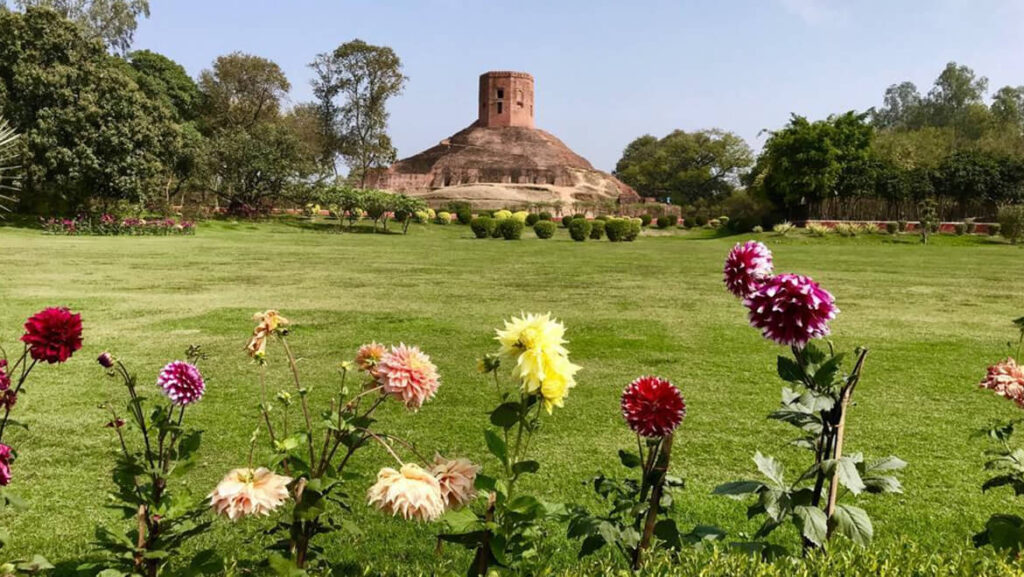
One of the newest and most unique additions to Sarnath’s landscape is the Garden of Spiritual Wisdom, located behind the Chaukhandi Stupa. More than just a park, this thoughtfully designed space combines greenery, sculpture, and philosophy. Pathways wind through thematic installations that showcase the teachings of Buddha, yogic concepts, and spiritual messages drawn from Indian culture.
The garden also features an Ayurvedic herb section, meditation areas, and artistic sculptures that blend nature with wisdom. Unlike the crowded stupas and ruins, here you will find peace, open lawns, and shaded corners where you can sit quietly. It is particularly attractive for travelers interested in wellness, yoga, or contemplative walks.
- Timings: 9:30 AM to 5:00 PM
- Entry Fee: Free
- Best time to visit: Early mornings and late afternoons when the weather is pleasant.
- Tip: Carry drinking water and wear comfortable footwear. Silence is expected.
2. Japanese Temple (Nichigai Suzan Horinji Temple)
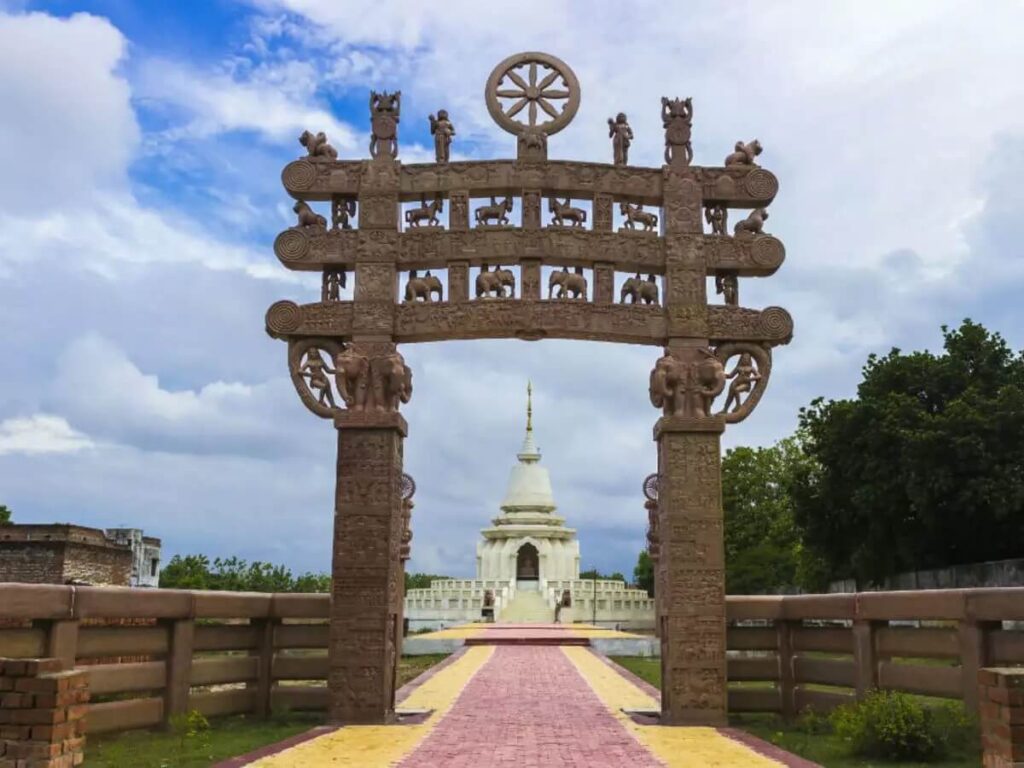
Sarnath is not just about Indian Buddhist history; it is also a global crossroads of Buddhist traditions. The Japanese Temple, built and managed by the Dharmachakra Indo-Japan Buddhist Cultural Society, stands as a perfect example.
This temple follows authentic Japanese architecture, with a pagoda-style roof, clean wooden interiors, and a serene atmosphere that differs from Indian temple complexes. Inside, a striking image of Lord Buddha adds to its meditative charm. The temple attracts fewer tourists, making it an ideal stop for those seeking quiet reflection.
- Timings: 6:00 AM to 6:00 PM
- Best time to visit: Early morning or mid-morning, when the area is especially calm.
- Why visit: To witness Japanese Buddhist aesthetics in the heart of India and to enjoy a peaceful, crowd-free spiritual space.
3. Sarnath Jain Tirth
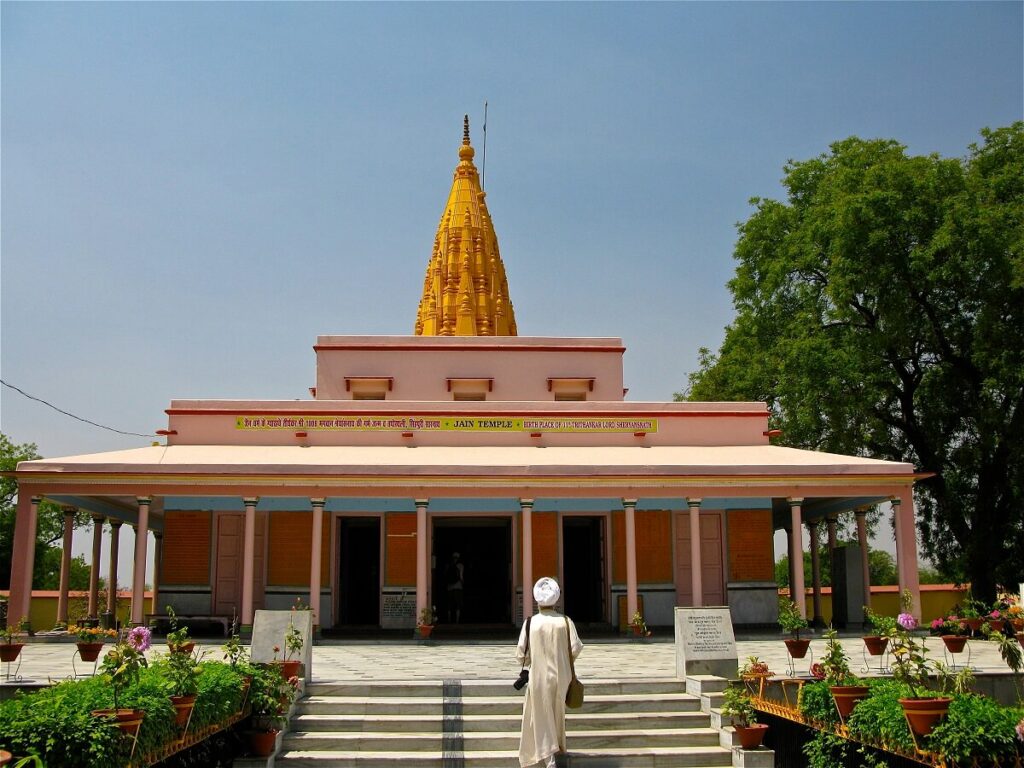
Though Sarnath is most famous for its Buddhist legacy, it is also significant in Jainism. The Sarnath Jain Tirth commemorates the life of Shreyanshnath, the 11th Tirthankara. The temple complex houses shrines, frescoes, and sculptures dedicated to Jain traditions.
For travelers, this is an important reminder that Sarnath has always been a multicultural and multi-faith hub, where Buddhism, Hinduism, and Jainism flourished side by side. This site is less crowded, allowing for unhurried exploration of Jain art and worship practices.
- Best time to visit: Morning hours, when temple rituals are performed.
- Dress code: Modest clothing is appreciated, with shoulders and knees covered.
- Tip: Hire a local guide to learn about Jain connections with Sarnath.
4. Deer Park (Isipatana / Mrigadava)
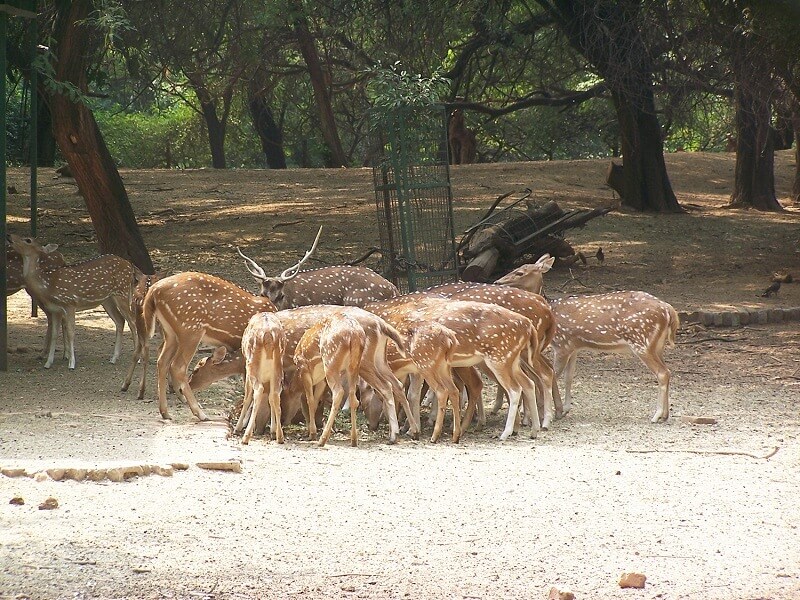
The Deer Park, also known as Isipatana or Mrigadava, is the historic site where Buddha delivered his first sermon. While most travelers focus on the Dhamek Stupa here, the park itself has offbeat corners that many skip.
Walking deeper into the grounds, you can see actual deer, shaded trees, and quiet pathways. Visiting at sunrise or dusk transforms the atmosphere into something truly magical — birdsong, soft golden light, and the sense of being part of a sacred landscape.
- Best time to visit: Sunrise or sunset.
- Highlights: Wildlife spotting, photography, and meditative walks.
- Tip: Carry insect repellent, especially during the monsoon season.
Best Varanasi Travel Packages & Tour Plans
- Varanasi & Sarnath 3 Day Trip Itinerary
- 5 Day Spiritual Tour – Varanasi, Prayagraj & Ayodhya
- 3 Day Varanasi Temple Darshan Package
- 8 Days Varanasi with Delhi, Agra & Jaipur – Tour Itinerary
- Rajasthan with Varanasi – 14 Day Travel Plan
- 12 Days Golden Triangle & Varanasi – Complete Trip Package
5. Chaukhandi Stupa
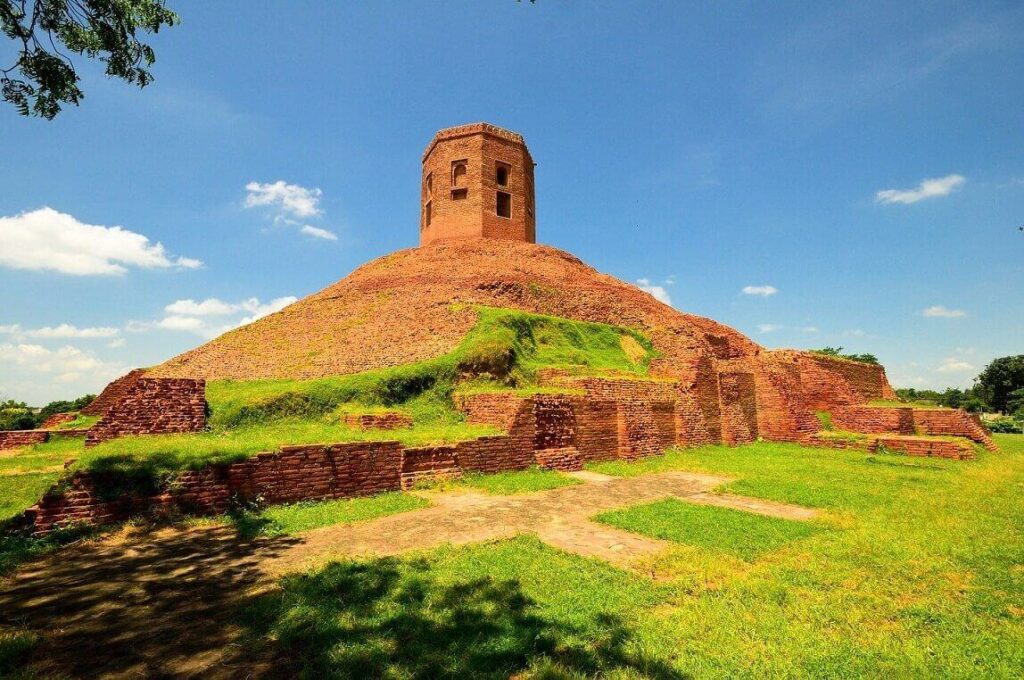
The Chaukhandi Stupa is often visited quickly as a roadside stop, but spending more time here reveals its unique charm. The stupa marks the spot where Buddha first met his five disciples after enlightenment. Its octagonal tower, added by Mughal rulers, gives it a distinctive appearance.
Climbing the mound provides panoramic views of Sarnath’s surroundings. Early morning or sunset visits allow travelers to photograph the monument in soft light and enjoy relative solitude.
- Best time to visit: Sunrise or sunset for the best light and cooler weather.
- Tip: Paths can be uneven, so wear proper shoes. Shade is limited, so bring a hat.
6. Mulagandha Kuti Vihara
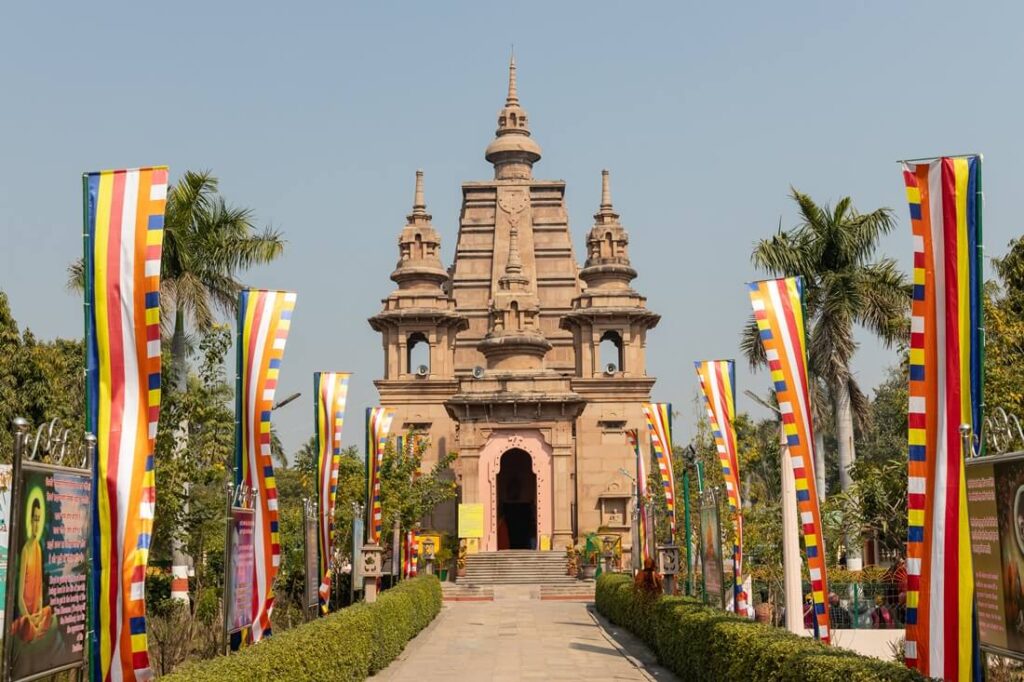
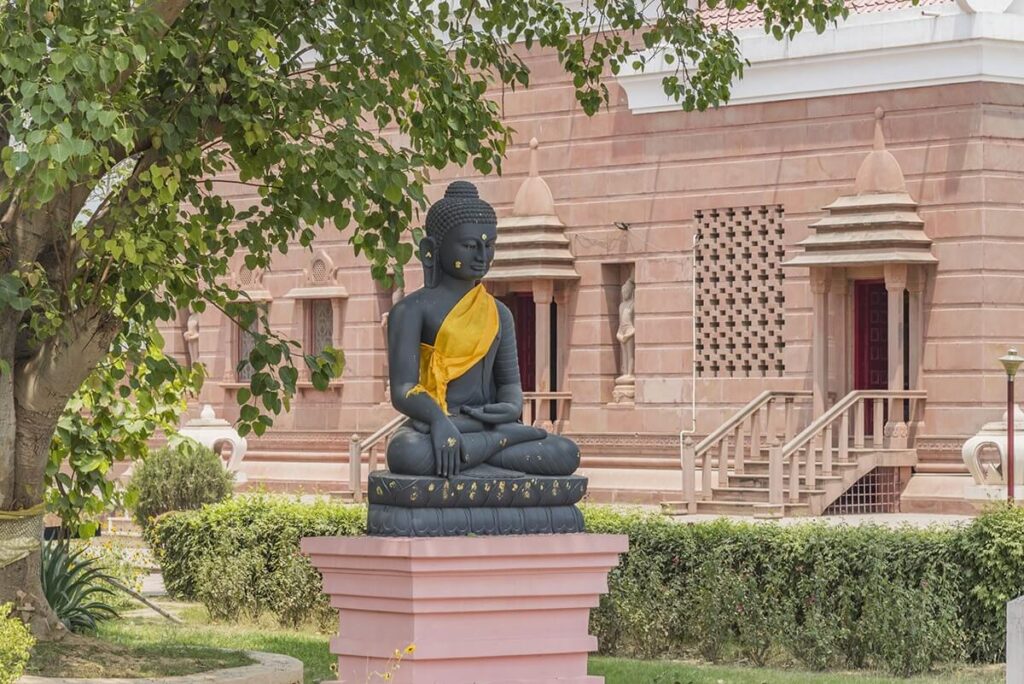
Though technically popular, the Mulagandha Kuti Vihara can feel offbeat if you take time to explore it deeply. Built by the Mahabodhi Society of India, it is known for its golden Buddha statue and frescoes by Japanese artist Kosetsu Nosu.
The vihara also has a serene garden and library. Many visitors rush through, but pausing here to appreciate the artistry and meditate in the garden makes it a rewarding experience.
- Best time to visit: Morning hours when rituals and prayers create a calm atmosphere.
- Tip: Silence is requested inside the vihara.
7. Sarnath Archaeological Museum
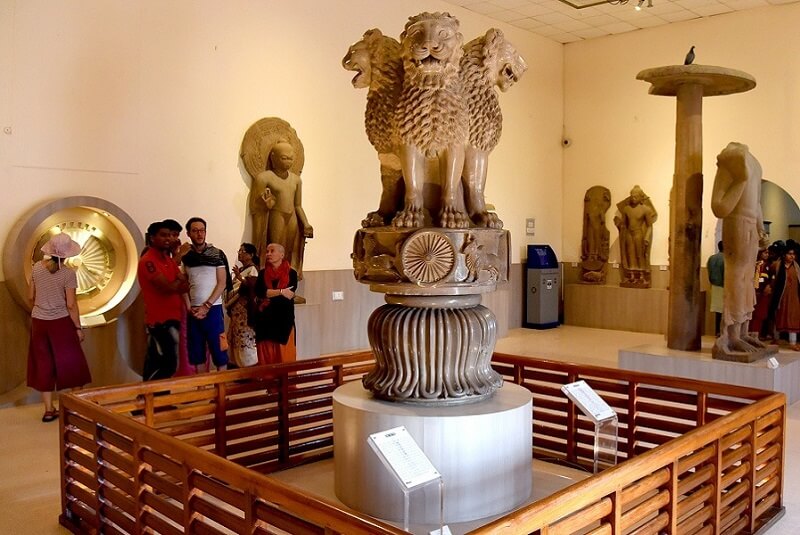
The Sarnath Archaeological Museum is often associated only with the Lion Capital of Ashoka, India’s national emblem. Yet, this museum has much more to offer — exquisite Gupta-era sculptures, fragments of stupas, and displays that trace the evolution of Buddhist art.
Spending at least an hour here provides deep insight into how Buddhist symbolism developed. The museum remains an underappreciated treasure, often bypassed by tourists who prefer outdoor monuments.
- Best time to visit: Mid-morning, when it is cooler and less crowded.
- Tip: Photography is restricted. Use a guidebook to understand the artefacts.
8. Thai Temple (Wat Thai)
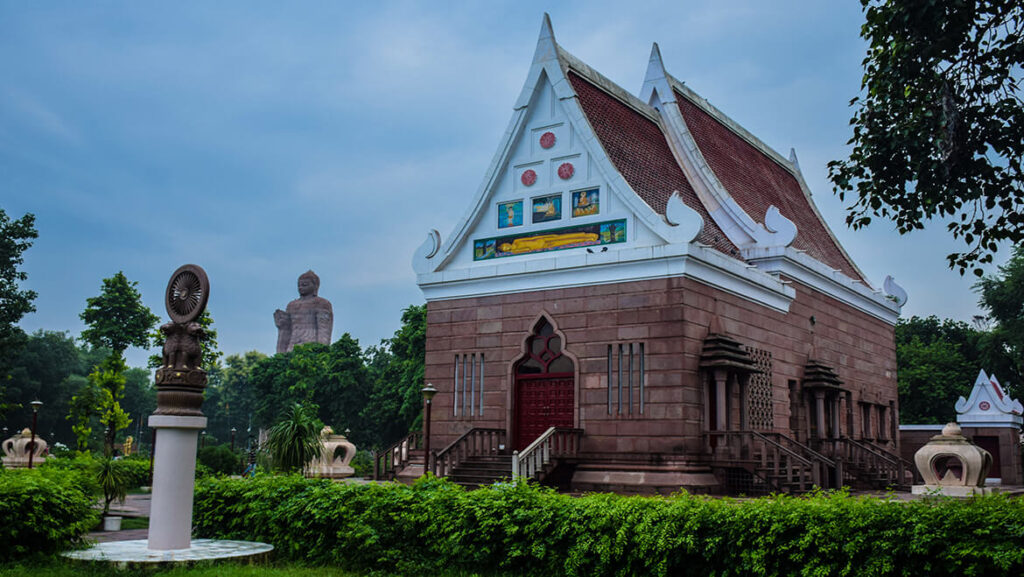
Adding a touch of Southeast Asia to Sarnath, the Thai Temple, also known as Wat Thai, is famous for its 80-foot Bamiyan-style Buddha statue and landscaped gardens. The temple’s golden spires and Thai architectural details stand in striking contrast to Indian stupas.
It is not only a religious site but also a cultural bridge, showing how Buddhism spread and adapted across Asia. Recently, the large Buddha statue was damaged by lightning, but the temple remains a beautiful and contemplative site.
- Best time to visit: Afternoon, when the golden light enhances the temple’s exterior.
- Tip: Carry an umbrella or hat, as gardens have limited shade.
A Suggested One-Day Offbeat Itinerary
If you want to cover the hidden gems of Sarnath in a single day, here is a suggested plan:
- 6:00 AM – Start with Deer Park / Dhamek Stupa at sunrise.
- 7:30 AM – Visit Mulagandha Kuti Vihara for frescoes and morning prayers.
- 9:00 AM – Explore the Garden of Spiritual Wisdom.
- 11:00 AM – Climb and photograph the Chaukhandi Stupa.
- 12:30 PM – Lunch break at a local restaurant or in Varanasi.
- 2:00 PM – Visit the Japanese Temple.
- 3:30 PM – Spend an hour in the Archaeological Museum.
- 5:00 PM – End the day at the Thai Temple for evening light and gardens.
This plan ensures you see both well-known and offbeat places without feeling rushed.
Travel Tips for Exploring Offbeat Sarnath
- Best Season: October to March (pleasant weather). Avoid peak summer afternoons.
- Getting There: Sarnath is just 10 km from Varanasi. Auto-rickshaws, taxis, or bicycles are popular options.
- Dress Code: Modest clothing is recommended for all temples.
- Essentials to Carry: Comfortable shoes, water, sunscreen, insect repellent, and a camera.
- Guides: Hiring a local guide enhances understanding of monuments and their symbolism.
- Respect: Many of these sites are active places of worship — maintain silence, avoid littering, and follow instructions.
Conclusion
Sarnath is not merely a destination for ticking off monuments. It is a place of living spirituality, multicultural exchange, and hidden beauty. While the Dhamek Stupa and the Archaeological Museum may headline every itinerary, the offbeat tourist places — from the Garden of Spiritual Wisdom to the Japanese Temple, Jain Tirth, Thai Temple, and quiet corners of the Deer Park — reveal Sarnath’s deeper soul.
For travelers seeking reflection, cultural diversity, and authentic experiences, exploring these lesser-known gems will make a visit to Sarnath unforgettable. By slowing down and going beyond the obvious, you will discover why Sarnath continues to inspire seekers, pilgrims, and wanderers from across the globe.
More Articles to Explore:
- How to Plan Your Journey from Varanasi to Sarnath
- 10 Best Places and Attractions to See in Sarnath
- Complete Sarnath Guide – History, Festivals & Travel Tips
- Varanasi Travel Guide – Best Time & Seasons to Visit
- Travel Guide – Reaching Varanasi from Mumbai Easily
- Budget 3-Star Hotels in Varanasi for Comfortable Stays
- Varanasi Shopping Guide – Famous Markets & Bazaars
- Fascinating Facts and Insights About Varanasi
- Guide to Ramnagar Fort in Varanasi – Timings & History