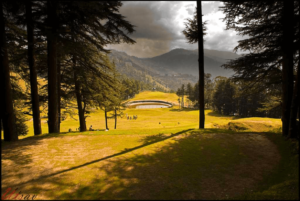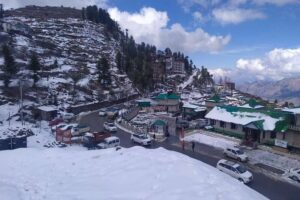

Hidden in the folds of Himachal Pradesh, Tirthan Valley is one of those rare destinations that still feels untouched. Clear rivers, cedar forests, wooden villages, and the quiet presence of the Great Himalayan National Park give the valley a calm, grounded energy. Reaching Tirthan Valley is part of the experience. The journey itself shifts pace, taking you away from busy highways into winding mountain roads and riverside tracks.
This guide explains every practical way to reach Tirthan Valley. Whether you are coming from Delhi, Chandigarh, or further away, you will find clear routes, transport options, road conditions, seasonal tips, and on-ground advice to help you plan smoothly. The aim is simple. No confusion. No guesswork. Just a well-planned journey into one of Himachal’s most rewarding valleys.
Where Exactly Is Tirthan Valley?
Tirthan Valley lies in Kullu district, Himachal Pradesh, close to Banjar town. It stretches along the Tirthan River, which originates from the glaciers of the Great Himalayan National Park. The valley includes small villages such as Gushaini, Nagini, and nearby Jibhi and Shoja, which are often used as access points.
Unlike Manali or Kasol, Tirthan Valley is not directly on a major tourist highway. That is why it feels quieter and more personal. But it also means you need to understand the last stretch of the journey carefully.
How Far Is Tirthan Valley From Major Cities?
Understanding distances helps you choose the right mode of transport and plan travel time realistically.
- Delhi to Tirthan Valley: approx. 500 km
- Chandigarh to Tirthan Valley: approx. 300 km
- Shimla to Tirthan Valley: approx. 260 km
- Manali to Tirthan Valley: approx. 110 km
- Kullu to Tirthan Valley: approx. 60 km
Travel time depends heavily on road conditions, weather, and traffic, especially during summer and long weekends.
Best Way to Reach Tirthan Valley: An Overview
There is no single “best” way for everyone. The right option depends on budget, comfort, time, and travel style.
- By Road: Most flexible and scenic option
- By Bus: Budget-friendly and reliable
- By Train + Road: Balanced option for long-distance travelers
- By Flight + Road: Fastest but not always convenient
Below, each option is explained in detail.
Reaching Tirthan Valley by Road
Traveling by road is the most popular and practical way to reach Tirthan Valley. It allows you to control your pace and enjoy the changing landscapes.
Delhi to Tirthan Valley by Road
This is the most commonly used route.
Route
Delhi → Chandigarh → Bilaspur → Mandi → Aut → Banjar → Gushaini / Tirthan Valley
Distance: approx. 500 km
Travel Time: 12 to 14 hours (including breaks)
The road up to Aut is smooth and well-maintained. After Aut, you leave the main highway and enter Banjar Valley. The final stretch is narrow but scenic, following rivers and pine forests.
Tips for Driving from Delhi
- Start early, ideally before 5 am
- Avoid night driving after Banjar due to sharp turns
- Keep fuel topped up at Mandi or Aut
- Expect slow traffic near Chandigarh and Bilaspur
Chandigarh to Tirthan Valley by Road
If you want to break the journey, Chandigarh is a good starting point.
Distance: approx. 300 km
Travel Time: 8 to 10 hours
This route is less tiring and allows you to reach the valley in one long but manageable day.
Self-Drive vs Taxi
Self-Drive Pros
- Full flexibility
- Easy access to nearby villages
- Cost-effective for groups
Self-Drive Cons
- Mountain driving experience needed
- Narrow roads near the valley
Taxi Pros
- Stress-free travel
- Local drivers know road conditions
- Ideal in winter or monsoon
Taxi Cons
- Higher cost
- Less flexibility for stops
Popular Himachal Travel Packages:
- Shimla Tour Package for 4 Days
- 4 Nights 5 Days Manali Tour Package
- Dharamshala Dalhousie Tour Package for 5 Days
- McLeod Ganj Tour Package 2 Nights 3 Days
- Shimla Manali Tour Package for 8 Days
- Shimla Manali Dharamshala Tour Package for 7 Days
Reaching Tirthan Valley by Bus
Traveling by bus is a reliable option, especially from Delhi or Chandigarh.
Delhi to Tirthan Valley by Bus
There is no direct bus to Tirthan Valley itself. You need to reach Aut or Banjar first.
Options
- Overnight Volvo or HRTC buses from Delhi to Aut
- From Aut, local bus or taxi to Banjar and then Gushaini
Travel Time
- Delhi to Aut: 10 to 12 hours
- Aut to Tirthan Valley: 1.5 to 2 hours
Types of Buses Available
- HRTC ordinary buses
- Semi-deluxe buses
- Volvo buses (limited routes)
Tips for Bus Travelers
- Book Volvo buses in advance during peak season
- Keep small change for local buses
- Be prepared for delays in winter
Reaching Tirthan Valley by Train
Trains are useful if you want to reduce road travel fatigue.
Nearest Railway Stations
- Chandigarh Railway Station – approx. 300 km away
- Kalka Railway Station – approx. 310 km away
From either station, you continue by road via bus or taxi.
Recommended Route
Train to Chandigarh → Bus or taxi to Aut/Banjar → Tirthan Valley
This option works well if you prefer overnight trains and daytime road travel.
Reaching Tirthan Valley by Flight
Flying saves time but still requires a road journey at the end.
Nearest Airport
Kullu–Manali Airport (Bhuntar)
Distance from Tirthan Valley: approx. 60 km
Flight Options
- Limited daily flights from Delhi and Chandigarh
- Weather-dependent operations
After Landing
- Taxi from Bhuntar to Banjar or Gushaini
- Travel time: 2.5 to 3 hours
Things to Keep in Mind
- Flights are often delayed or canceled in bad weather
- Prices rise sharply in summer
- Always have a buffer day if flying
How to Reach Tirthan Valley from Manali
Many travelers combine Manali with Tirthan Valley.
Route
Manali → Kullu → Aut → Banjar → Tirthan Valley
Distance: approx. 110 km
Travel Time: 4 to 5 hours
This route is scenic and relatively easy, making it a good option for those already in Himachal.
Last-Mile Connectivity Within Tirthan Valley
Once you reach Banjar or Gushaini, movement inside the valley is slow but manageable.
Options
- Local taxis
- Walking for short distances
- Occasional shared jeeps
Most homestays help arrange pick-ups from Banjar or Aut if informed in advance.
Best Time to Travel to Tirthan Valley:
Road conditions and comfort vary by season.
Summer (March to June)
- Best overall season
- Clear roads and pleasant weather
- Ideal for road trips and buses
Monsoon (July to September)
- Lush landscapes
- Occasional landslides
- Travel requires flexibility
Autumn (October to November)
- Crisp weather
- Fewer tourists
- Excellent road conditions
Winter (December to February)
- Snowfall in higher areas
- Some roads may close temporarily
- Taxi recommended over self-drive
Travel Tips for a Smooth Journey
- Carry cash. ATMs are limited after Banjar
- Download offline maps
- Keep emergency snacks and water
- Avoid rushing the last stretch
- Inform your stay about arrival time
Is Tirthan Valley Worth the Journey?
Absolutely. Tirthan Valley rewards patience. The journey filters out crowds and leaves behind travelers who value silence, nature, and slow days. Reaching the valley may take effort, but that effort is exactly why the valley still feels real and personal.
Once you arrive, the sound of the river, the smell of cedar trees, and the unhurried rhythm of village life make the journey fade into memory.
Final Thoughts
Knowing how to reach Tirthan Valley makes all the difference between a stressful trip and a deeply satisfying one. Whether you travel by road, bus, train, or flight, planning the route properly allows you to enjoy the journey instead of worrying about it.
Tirthan Valley is not about rushing in and out. It is about slowing down. And that begins with how you choose to reach it.
If you plan thoughtfully, the road to Tirthan Valley becomes part of the experience rather than just a way to get there.
Explore More Himachal Travel Guides:
- Best Places for River Rafting in Himachal Pradesh
- Top Places to Visit in Himachal Pradesh in February 2026
- How to Reach Chamba, Himachal Pradesh: Travel Guide
- How to Reach Sangla Valley from Delhi: Best Routes & Tips
- Best Cafes and Restaurants to Eat in Himachal Pradesh
- Best Tourist Places in Himachal Pradesh to Visit in March 2026
- Best Honeymoon Destinations in Himachal Pradesh
- Best Places to Visit in Himachal Pradesh in January 2026
- Top Destinations to Visit in Himachal Pradesh in April 2026
- Best Places to Visit in Himachal Pradesh in December 2026
- Top Skiing Destinations in Himachal Pradesh
- Best Places to Visit in Himachal Pradesh in May 2026