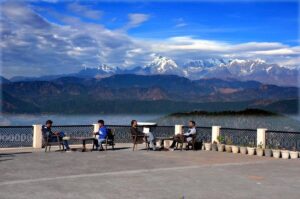
Nag Tibba, one of Uttarakhand’s most accessible Himalayan treks, is often called the “Serpent’s Peak”. It rises 3,022 meters above sea level and rewards trekkers with views of the Bandarpoonch, Swargarohini, and Kedarnath ranges.
Before you set foot on the trail, it’s essential to understand how to get there — from your city to the base village and then up to the summit.
This comprehensive guide explains how to reach Nag Tibba by road, train, and air, provides a route map, and walks you through every stage of the journey with practical travel tips.
1. Where is Nag Tibba Located? Complete Guide
Nag Tibba is located near Mussoorie in the Tehri Garhwal district of Uttarakhand. The name translates to “Abode of the Serpent God” and is part of the lower Himalayas of the Garhwal region.
It lies roughly 330 km from Delhi, 90 km from Dehradun, and 60 km from Mussoorie. Because of its short distance from major cities and a moderate climb, it has become one of the best weekend treks in North India.
The trek generally begins from Pantwari Village, though a few alternate routes start from Devalsari and Aunter via Thatyur. Pantwari remains the most popular because it offers a shorter and more straightforward ascent.
2. Overview – Routes to Reach Nag Tibba
There are three main ways to reach the Nag Tibba base:
| Mode | Nearest Hub | Base Village | Approx. Travel Time |
| By Air | Jolly Grant Airport (Dehradun) | Pantwari / Devalsari | 1 hr flight + 4–5 hrs drive |
| By Train | Dehradun Railway Station | Pantwari / Devalsari | 5–6 hrs train + 4–5 hrs drive |
| By Road | Delhi (via Dehradun & Mussoorie) | Pantwari | 7–8 hrs direct drive |
3. How to Reach Nag Tibba by Air:
3.1 Nearest Airport
The nearest airport is Jolly Grant Airport (DED) in Dehradun, situated about 90 km from Pantwari Village, the usual base of the Nag Tibba trek.
Daily flights operate from major cities such as Delhi, Mumbai, Lucknow, and Bangalore through airlines like IndiGo, Vistara, and SpiceJet.
3.2 From the Airport to the Base Village
After you land at Jolly Grant Airport:
- Hire a private taxi or shared cab to Pantwari.
- Travel Route: Dehradun → Mussoorie → Kempty Falls → Nainbagh → Pantwari.
- The road distance is around 85 km and takes 4–5 hours depending on traffic and weather.
- If your base is Devalsari, follow Dehradun → Thatyur → Devalsari, roughly 90–95 km.
3.3 Recommended Travel Plan by Air
- Morning flight from Delhi to Dehradun (around 1 hr).
- Cab from airport to Pantwari (4–5 hrs).
- Arrive by afternoon, rest in the village, and start the trek next morning.
3.4 Pros and Cons
Advantages
- Fastest mode of travel.
- Saves you a full day if you’re coming from other states.
Disadvantages
- Slightly expensive.
- Requires another 4–5 hrs of road travel from the airport.
4. How to Reach Nag Tibba by Train:
4.1 Nearest Railway Station
The closest station is Dehradun Railway Station, well connected with Delhi and most North Indian cities. From there, travelers continue by road to Pantwari.
4.2 Popular Trains from Delhi to Dehradun
| Train Name | Departure | Arrival | Duration |
| Nanda Devi Express | 11:50 pm (NDLS) | 5:40 am | ~5 hrs 50 min |
| Dehradun Shatabdi | 6:45 am (NDLS) | 12:40 pm | ~6 hrs |
| Mussoorie Express | 10:20 pm (Old Delhi) | 7:00 am | ~9 hrs |
Tickets should be booked in advance, especially during weekends and festive seasons.
4.3 From Dehradun Station to Pantwari
- Distance: ~85 km.
- Time: 4–5 hours by taxi or shared jeep.
- Common route: Dehradun → Mussoorie → Kempty Falls → Nainbagh → Pantwari.
- Shared jeeps are available from Dehradun’s Parade Ground or Mussoorie Taxi Stand.
4.4 Travel Tips
- Take an overnight train from Delhi to reach Dehradun by early morning.
- Have breakfast in Dehradun, then drive to Pantwari by noon.
- Begin the trek or rest overnight at Pantwari.
5. How to Reach Nag Tibba by Road:
5.1 From Delhi (Direct Drive)
- Distance: About 330 km
- Time: 7–8 hours
- Best Route:
Delhi → Meerut → Muzaffarnagar → Roorkee → Dehradun → Mussoorie → Kempty Falls → Nainbagh → Pantwari. - Roads are in decent condition up to Mussoorie. After that, the mountain section to Pantwari is narrow but scenic.
5.2 From Dehradun
- Distance: 85 km
- Route: Dehradun → Mussoorie → Kempty Falls → Nainbagh → Pantwari.
- Time: 4–5 hours by cab.
- If you’re not driving, hire a local jeep from Mussoorie taxi stand or Nainbagh junction.
5.3 From Mussoorie
- Distance: Around 60 km
- Time: 2–3 hours
- Route: Mussoorie → Kempty Falls → Nainbagh → Pantwari.
5.4 Buses and Shared Transport
- Regular Volvo and Deluxe buses operate from Delhi (ISBT Kashmere Gate) to Dehradun.
- From Dehradun, switch to a shared jeep or local bus to Nainbagh or Pantwari.
- Return services are also available till evening, but it’s better to pre-arrange return transport.
5.5 Self-Drive Tips
- Keep fuel tank full before leaving Dehradun; no petrol pumps after Nainbagh.
- Drive cautiously on mountain curves, especially during rain.
- Carry snacks and water — roadside facilities are limited.
6. Base Villages and Trek Routes:
6.1 Pantwari Route (Most Popular)
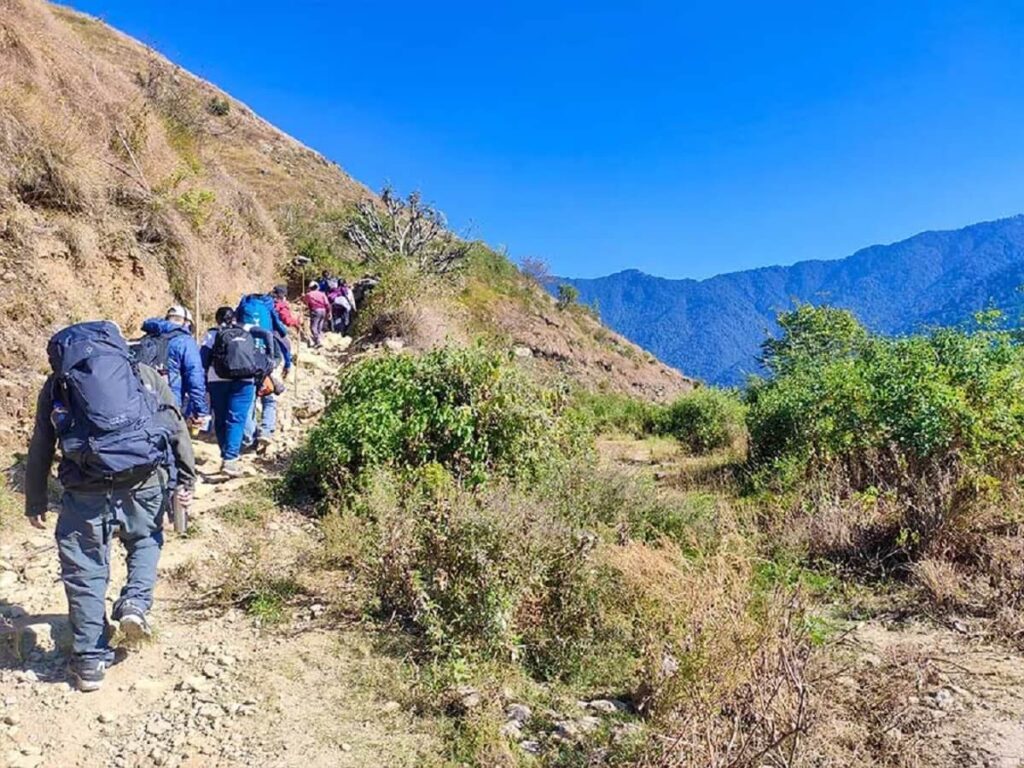
- Distance of trek: 8–9 km (one way).
- Time: 4–5 hrs to the top.
- Gradient: Moderate with some steep climbs.
- Highlights: Oak and rhododendron forests, meadows, campsite with sunset views.
6.2 Devalsari Route (Quieter Trail)
- Distance: 13–15 km (one way).
- Time: 6–7 hrs.
- Ideal for: Trekkers who prefer solitude and dense forest routes.
- You’ll find a Forest Rest House at Devalsari where permits can be obtained.
6.3 Aunter / Thatyur Route
- Longer and less frequented, suitable for experienced trekkers.
- Trail passes through remote Garhwali villages.
- Requires a local guide.
7. Itinerary – Delhi to Nag Tibba (3 Days):
Day 1: Delhi → Dehradun → Pantwari
- Depart from Delhi early morning (5–6 am) or take an overnight train.
- Reach Dehradun around 11 am.
- Drive to Pantwari (85 km / 4–5 hrs).
- Check into a homestay or campsite.
- Explore the local village and prepare for next day’s trek.
Day 2: Trek to Nag Tibba Summit
- Start the trek by 7:00 am.
- Pass through pine, oak and rhododendron forests.
- Reach Nag Tibba Base Camp (4 km). Short rest or overnight camping option.
- Continue 3–4 km to the Nag Tibba Top (3,022 m).
- Enjoy views of Kedarnath, Bandarpoonch, Swargarohini, Gangotri peaks.
- Descend back to Pantwari by evening.
Day 3: Pantwari → Mussoorie → Delhi
- Morning drive to Mussoorie or Dehradun.
- Have lunch en route and continue towards Delhi.
- Reach Delhi by nightfall.
8. Best Time to Visit Nag Tibba
| Season | Months | Features |
| Summer | April–June | Pleasant climate, best visibility, blooming flowers. |
| Monsoon | July–August | Avoid due to slippery trails and landslides. |
| Autumn | September–November | Clear skies, ideal for photography. |
| Winter | December–February | Snow-covered trail, requires warm gear. |
9. Things to Carry for Nag Tibba Trek
Even though the article focuses on reaching Nag Tibba, the trek begins right after arrival. Carry essentials accordingly.
- Trekking shoes with ankle grip
- Warm jackets, gloves, and thermals (in winter)
- Raincoat or poncho (monsoon months)
- Power bank, headlamp, and water bottle
- First-aid kit, sunscreen, and personal medication
- Sufficient cash; digital payment may not work in villages
10. Accommodation Options Near Nag Tibba:
Pantwari Village
- Several homestays and lodges offer basic rooms with meals.
- Some trekking operators set up tented camps with sleeping bags and bonfire arrangements.
Devalsari
- Forest Rest House managed by the forest department (requires booking).
- Limited local guesthouses.
Mussoorie / Dehradun
- For those preferring more comfort before or after the trek, both towns have a wide range of hotels and resorts.
11. Route Map Summary
Delhi → Meerut → Muzaffarnagar → Roorkee → Dehradun → Mussoorie → Kempty Falls → Nainbagh → Pantwari → Nag Tibba.
If traveling by air or train:
- Air: Delhi → Dehradun (Jolly Grant Airport) → Pantwari.
- Train: Delhi → Dehradun Railway Station → Pantwari.
Total journey time ranges between 8–10 hours depending on mode of transport and traffic.
12. Safety and Travel Tips
- Start early: Mountain driving and trekking are safest during daylight.
- Hire a local guide: They help with navigation and safety, especially during snow.
- Check weather updates: Avoid monsoon travel.
- Carry enough fuel and cash: Facilities beyond Mussoorie are limited.
- Network coverage: Mobile signal weakens near Pantwari; inform someone about your itinerary.
- Permits: Usually not required, but carry valid ID proof.
- Stay hydrated: Carry at least 2 litres of water for the trek.
- Emergency contacts:
- Dehradun Tourist Office: +91-135-2740896
- Uttarakhand Tourism Helpline: 1364
13. Common Questions about Reaching Nag Tibba
Q1. How far is Nag Tibba from Dehradun?
About 85 km by road to Pantwari. The drive takes around 4–5 hours.
Q2. Is Nag Tibba suitable for beginners?
Yes. The Pantwari route is moderate and ideal for first-time trekkers.
Q3. Are there buses directly to Pantwari?
No direct bus. You’ll find shared jeeps from Mussoorie or Dehradun to Nainbagh, then local transport to Pantwari.
Q4. Can I visit Nag Tibba in winter?
Yes, December to February offers snow, but pack warm clothes and waterproof shoes.
Q5. How many days are needed for the entire trip?
Two to three days are enough from Delhi — one day to reach the base, one day for the trek, and another for return.
Q6. Do I need prior trekking experience?
Not mandatory. Regular fitness and basic endurance are enough.
14. Nearby Attractions
If you have extra time after your trek, explore these nearby spots:
- Mussoorie: 60 km away, known as the “Queen of Hills.”
- Kempty Falls: Scenic waterfall en route to Pantwari.
- Dhanaulti: 70 km away, famous for eco-parks.
- Kanatal: Small hill station for camping and adventure.
- Tehri Lake: Perfect for boating and water sports.
These destinations can easily be added to a 3–5 day Uttarakhand itinerary.
15. Environmental & Cultural Etiquette
- Respect local customs; Pantwari and nearby villages have simple mountain communities.
- Avoid littering; carry back all waste.
- Support local homestays and shops — it helps the rural economy.
- Do not disturb local wildlife or forests.
- Avoid loud music or alcohol near campsites.
16. Quick Distance Reference Table
| From | To | Distance | Mode / Time |
| Delhi | Dehradun | 240 km | 6–7 hrs (road) / 5–6 hrs (train) |
| Dehradun | Pantwari | 85 km | 4–5 hrs (road) |
| Mussoorie | Pantwari | 60 km | 2–3 hrs (road) |
| Pantwari | Nag Tibba Top | 8–9 km | 4–5 hrs (trek) |
17. Summary – Step-by-Step Travel Plan
- Choose your mode: Flight, train, or car to Dehradun.
- Reach Dehradun / Mussoorie.
- Drive to Pantwari or Devalsari base village.
- Stay overnight or start trek.
- Trek to Nag Tibba Base Camp and summit.
- Descend and return to Dehradun / Delhi.
18. Final Travel Advice
Reaching Nag Tibba is straightforward once you plan the route clearly.
- From Delhi or nearby cities, you can comfortably reach the base village in a single day.
- The scenic mountain road offers glimpses of pine forests and valleys before the trek even begins.
- Whether you arrive by flight, train, or car, ensure you have enough rest before starting your climb.
Nag Tibba’s accessibility is what makes it unique — a genuine Himalayan experience that doesn’t demand weeks of travel or high-altitude acclimatization. The key is efficient planning and timely departure.
Conclusion
Nag Tibba is not just about its 3,000-metre summit; it’s about the journey that takes you through villages, forested trails, and wide Himalayan views. Understanding how to reach Nag Tibba makes that journey effortless.
- By air, land at Dehradun’s Jolly Grant Airport and continue by road.
- By train, reach Dehradun Station and drive 85 km to Pantwari.
- By road, drive directly from Delhi via Mussoorie.
Each option opens a different perspective of Uttarakhand’s beauty — from the plains of Roorkee to the hills of Mussoorie and finally the alpine ridges of Nag Tibba.
Plan wisely, travel light, and give yourself time to soak in the mountain calm.
Nag Tibba awaits with stunning sunsets, starry skies, and the quiet rhythm of the Himalayas.
Suggested Articles:
- 7 Must-Visit Destinations in Uttarakhand for November 2025
- Explore the Best of Uttarakhand in August 2026
- Where to Go in Uttarakhand in September 2026
- 10 Breathtaking Waterfalls You Must See in Uttarakhand
- Top 10 Hill Stations in Uttarakhand for a Refreshing Getaway
- Beautiful Places to Explore in Uttarakhand This October
- 10 Romantic Spots in Uttarakhand Perfect for a Honeymoon
- Best Tourist Places in Uttarakhand to Visit in January
- 10 Magical Winter Destinations in Uttarakhand for December 2025
- Baijnath Temple Travel Guide – Discover the Sacred Heart of Uttarakhand