
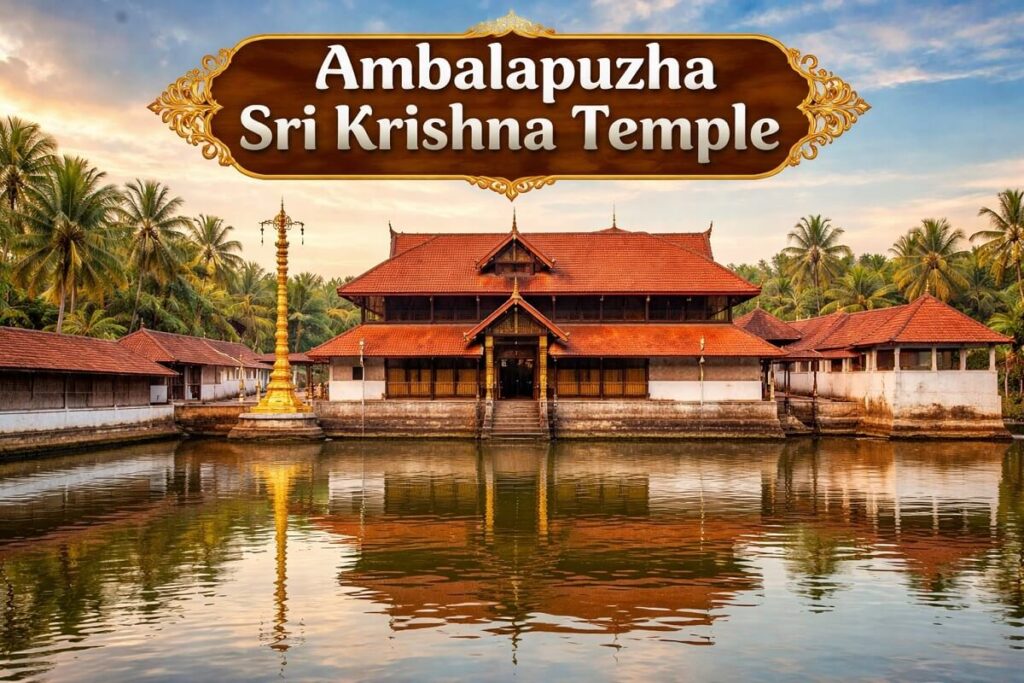
Located along the tranquil banks of the Pampa River in Alappuzha district, Kerala, Ambalapuzha Sri Krishna Temple is a living testament to the region’s deep devotion, timeless architecture, and culinary tradition. Known for its serene setting, centuries-old mythology, devotional rituals, and the famous Ambalapuzha Pal Payasam, this shrine never fails to enthrall pilgrims, history lovers, and curious travelers.
Every year, thousands of visitors make their way here to soak in the spiritual aura, enjoy the cultural heritage, and taste the sweetness that has become synonymous with Ambalapuzha itself.
A Brief History of Ambalapuzha Temple:
Origin and Foundation
Ambalapuzha Temple is believed to have been established around the 9th century AD, during the reign of the Second Chera Dynasty. The temple’s roots lie in the devotional wave known as Bhakti, which spread across South India between the 7th and 12th centuries. It is traditionally said that the deity here is Sri Krishna depicted as a child, reflecting Karuna (compassion) and divine affection.
The rulers of Ambalapuzha were known as the Ambalapuzha Royal Family, and they were ardent devotees of Lord Krishna. Local legends narrate that the king himself used to personally prepare the famous pal payasam (milk pudding) for the deity, a practice that continues in ritual form to this day.
The Architecture
Ambalapuzha Temple exhibits classic Kerala temple architecture with its sloping roofs, wooden carvings, and understated elegance. Unlike some of the more ornate South Indian temples, its beauty is subtle, reflective of Kerala’s unique climatic adaptations and aesthetic sensibilities.
The temple compound spreads over acres, with traditional gopurams (entrance towers), a large courtyard, inner sanctum (sreekovil), and several subsidiary shrines. The inner sanctum houses the idol of Sri Krishna in a graceful standing posture, peering down with benevolence.
Sacred Legends
A popular legend tells of a poor Brahmin devotee who could not afford milk offerings for the Lord. He offered rice cooked in milk, and Lord Krishna was so pleased that from then on the temple started offering pal payasam as the main prasadam (sacred offering). It is said that if you taste the pal payasam here, your sins are washed away and peace follows your journey ahead.
Ambalapuzha Temple Timing:
Planning your visit around temple opening hours is crucial. The temple timings are designed to accommodate daily rituals and poojas.
Here’s a typical schedule:
Morning:
- Darshan begins around 4:00 AM
- Nirmalyam (ritual cleansing) and Usha Pooja by 5:30 AM
- Regular darshan continues through the morning
Afternoon:
- The temple closes for a short break after mid-day rituals, typically around 12:30 PM – 3:30 PM
Evening:
- Reopens around 3:30 PM
- Seeveli and Athazha Pooja take place in the evening
- Temple may close around 7:30 PM
Note: Timings can change during festivals and special occasions. Always check current schedules before planning your trip.
How to Reach Ambalapuzha Temple:
Ambalapuzha is well connected by road, rail, and air, making it accessible from various parts of Kerala and neighboring states.
By Air
The nearest airport is Cochin International Airport (COK), approximately 110 km from Ambalapuzha. From here, you can hire a taxi or take a bus to reach the temple. Trivandrum International Airport (TRV) is another option, about 150 km away.
By Train
Ambalapuzha has its own railway station (code: AMPA) on the Ernakulam–Kayamkulam line. Both passenger and express trains stop here, offering easy access from Kochi, Trivandrum, Kollam, and other major stations. From the station, the temple is a short rickshaw or taxi ride away.
By Road
Ambalapuzha is well serviced by state buses from Alappuzha town (about 17 km), Kochi, Kottayam, and Thiruvananthapuram. Taxis, auto-rickshaws, and private cars offer flexible connectivity.
Tips for Road Travelers
- The drive through backwaters and coconut groves is scenic.
- Avoid peak monsoon hours if you’re traveling by bike.
Local Transport
Once in Ambalapuzha, most visitors walk to the temple or hire auto-rickshaws. Local buses and shared taxis are available during peak hours.
Top Kerala Tour Packages to Explore:
- 5 Days Munnar Thekkady Alleppey Tour Package
- 7 Days Kerala Tour Package
- 6 Days Kerala Hill Station Tour Package
- 8 Days Kerala Tour Package with Sightseeing
- 5 Days Kerala Backwater Tour Package
Festivals and Special Events at Ambalapuzha Temple:
Ambalapuzha Temple is alive with celebrations throughout the year. Each festival has its own charm, drawing crowds in different seasons.
Ambalapuzha Arattu Festival
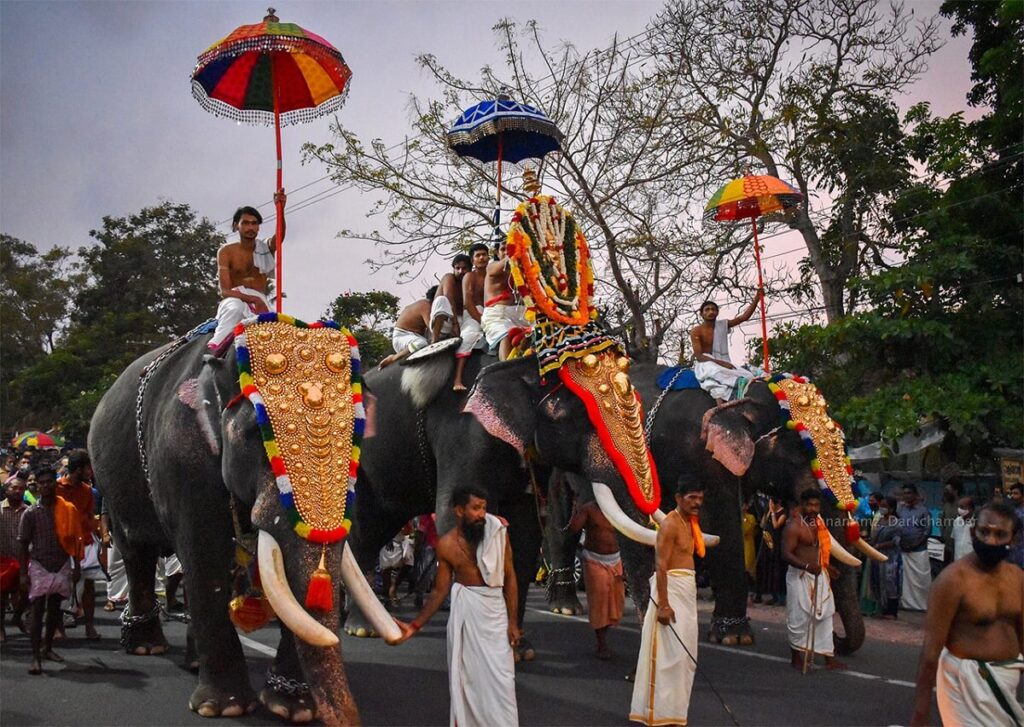
This is the biggest annual festival here, lasting about 10 days. Celebrated between February and March, depending on the Malayalam calendar, the Arattu involves:
- Daily Utsava Murthy processions
- Colorful Panchavadyam (traditional orchestra)
- Fireworks
- Devotees carrying decorated elephants
On the final day, the deity is taken to the river for a holy bath (arattu), accompanied by rhythmic music and chants.
Janmashtami
Celebrating the birth of Lord Krishna, Janmashtami here is devotional and joyful. Devotees throng the temple in large numbers. Special poojas, Bhajans, and Midnight Darshan make this day unforgettable.
Other Festivals
- Vishu: Marks the Malayalam New Year with offerings, prayers, and community feasts.
- Navaratri: Though more elaborate in other temples, Ambalapuzha also celebrates with lighting and music.
- Ekadasi: Observed with fasting and special rituals.
Festival dates vary every year based on the Malayalam calendar, so check updated temple schedules before planning.
Ambalapuzha Temple Rituals and Darshan Experience:
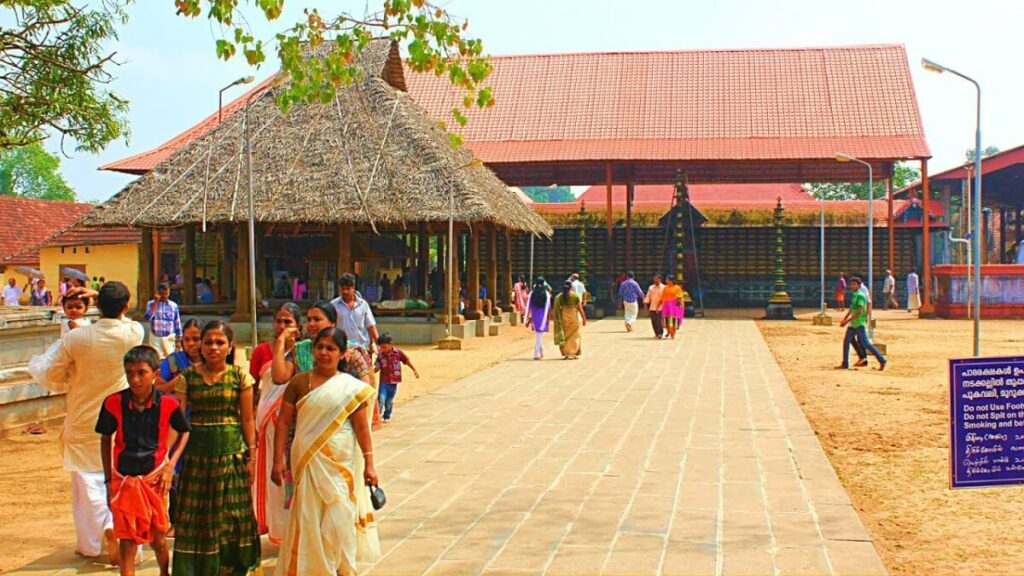
Daily Rituals
The spiritual rhythm of the temple is set by several poojas and traditions:
- Nirmalyam: Removes previous day’s offerings, done early morning.
- Usha Pooja: Welcoming the day with prayers.
- Pal Payasam Pooja: The main ritual where pal payasam is offered as prasadam.
- Athazha Pooja: Evening prayers before the temple closes.
Darshan Tips
- Arrive early if you want a serene experience with fewer crowds.
- Dress modestly and follow temple guidelines.
- Photography inside the sanctum is not permitted.
- Separate queues for special prasadam and general darshan may exist.
Ambalapuzha Pal Payasam:
What Makes It Unique
No conversation about Ambalapuzha Temple is complete without mentioning pal payasam. It’s not just a dessert. It’s a ritual, a cultural identity, and a memory shared by generations.
Made with:
- Pure milk
- Rice
- Jaggery (or sugar)
- Cardamom
This creamy sweet rice pudding is slow-cooked to perfection, offering a rich, silky texture and a divine taste.
Cultural Significance
The pal payasam here is considered a sacred offering from the deity. Devotees believe that tasting it brings peace, prosperity, and spiritual fulfillment.
Where to Taste It
You can enjoy it:
- Right inside the temple (prasadam)
- Near temple kiosks
- Local eateries in Ambalapuzha town
Pro tip: Try it both warm and chilled. Both versions have devotees.
Nearby Attractions to Visit from Ambalapuzha Temple:
One of the best parts of staying in Ambalapuzha is that it’s close to several cultural and natural attractions.
1. Alappuzha Backwaters
Often called the “Venice of the East”, Alappuzha’s backwaters are perfect for houseboat cruises, bird watching, and scenic relaxation.
2. Alappuzha Beach
Just a short drive away, the beach is ideal for evening strolls, kite flying, and watching the sunset.
3. Pathiramanal Island
This small island on the backwaters is a bird watcher’s paradise, especially in winter months.
4. Krishnapuram Palace
A heritage site showcasing Kerala’s history, art, and architecture.
5. Marari Beach
A quieter, more serene beach option near Ambalapuzha.
Day Trip Ideas
- Kumarakom Bird Sanctuary
- Vembanad Lake
- Chottanikkara Temple
All of these can be combined for a multi-day itinerary.
Best Time to Visit Ambalapuzha Temple:
The best time hinges on what you want:
October to March
Pleasant weather, festival season, cultural events. Ideal for sightseeing and temple visits.
Monsoon (June to September)
Lush greenery but heavy rains. Good for stay-at-homeboat experiences and cozy trips.
Summer (April-May)
Hot and humid. Plan temple visits early morning or late evening.
Local Cuisine and Places to Eat:
Kerala’s cuisine around Ambalapuzha is rich in spices, coconut, and fresh produce.
Must Try
- Kerala fish curry
- Appam and stew
- Banana chips
- Puttu and kadala curry
- Fresh coconut water
Recommended Spots
Local restaurants and street food stalls near the temple serve authentic Kerala meals at budget-friendly prices.
Accommodation Options
From budget stays to mid-range hotels, Ambalapuzha offers comfortable stays.
Popular Choices
- Homestays
- Waterfront resorts
- Standard hotels in Ambalapuzha town
- Houseboats (for overnight backwater stays)
Booking ahead during festival seasons ensures better rooms.
Practical Tips for Travelers
- Wear comfortable clothing and respectful dress for temple visits.
- Carry water, especially if visiting in summer.
- Shoes are not allowed inside temple premises.
- Keep small change for donations and local purchases.
- Follow queue signs and temple rules.
- Phone chargers might not be available inside, so come prepared.
Safety and Cultural Etiquette
- Photography is restricted inside the sanctum.
- Maintain silence, especially during rituals.
- Avoid public displays of affection in sacred areas.
- If you’re unsure about rituals, ask a volunteer or temple official.
Ambalapuzha Temple Day Itinerary
Morning
- Reach early morning for Usha Pooja
- Darshan and temple exploration
- Taste pal payasam prasadam
- Walk around the temple complex
Afternoon
- Lunch at a local diner
- Relax by Pampa River
Evening
- Visit Alappuzha Backwaters or Beach
- Return for Athazha Pooja
- Dinner and rest
Conclusion
Ambalapuzha Temple isn’t just a spiritual destination. It’s a place where history, culture, food, rituals, and natural beauty come together seamlessly. Whether you are a pilgrim seeking peace, a foodie chasing authentic Kerala taste, or a traveler exploring Kerala’s cultural tapestry, this temple town deserves a place on your itinerary.
The sweet notes of pal payasam, the rhythmic chants during festivals, and the calming river backdrop leave a lasting impression. Pack your bags, plan well, and let Ambalapuzha’s timeless charm enchant your journey.
Alleppey Travel Guides:
- 10 Best Temples to Visit in Alleppey for a Spiritual Trip
- How to Explore Alleppey Backwaters: Complete Travel Guide
- Best Time to Visit Alleppey: Weather, Seasons & Travel Tips
- Top 10 Places to Visit in Alleppey, Kerala
- How to Reach Alleppey from Major Cities in India
- Top Reasons to Visit Alleppey, Kerala
Kerala Month-Wise & Destination Travel Guides:
- Best Places to Visit in Kerala in July 2027
- Top Tourist Places in Kerala to Visit in March 2027
- Kerala in August 2026: Weather, Festivals & Best Places
- Munnar Travel Guide for August: Places to Visit & Tips
- Famous Village Tourism Experiences in Kerala
- Most Beautiful Lakes to Visit in Kerala
- Kerala Boat Races Guide: Dates, Locations & Travel Tips
- Kerala Travel Tips for First-Time Visitors
- Best Places to Visit in Kerala in September 2026
- How to Plan a 6 to 8 Day Kerala Trip: Complete Guide
- 7 Best Places to Visit in Kerala in December 2026
- Top 24 Places to Visit in Kerala in January 2027
- Best Places to Visit in Kerala in February 2027
Frequently Asked Questions
Is Ambalapuzha Temple open every day?
Yes, but check specific timings before you go.
What is the dress code?
Modest Indian attire is preferred. Many visitors wear traditional clothing.
Can foreigners visit?
Absolutely. All are welcome.
Is the temple wheelchair accessible?
Some areas are accessible, but uneven grounds may pose challenges. Check on site.
