
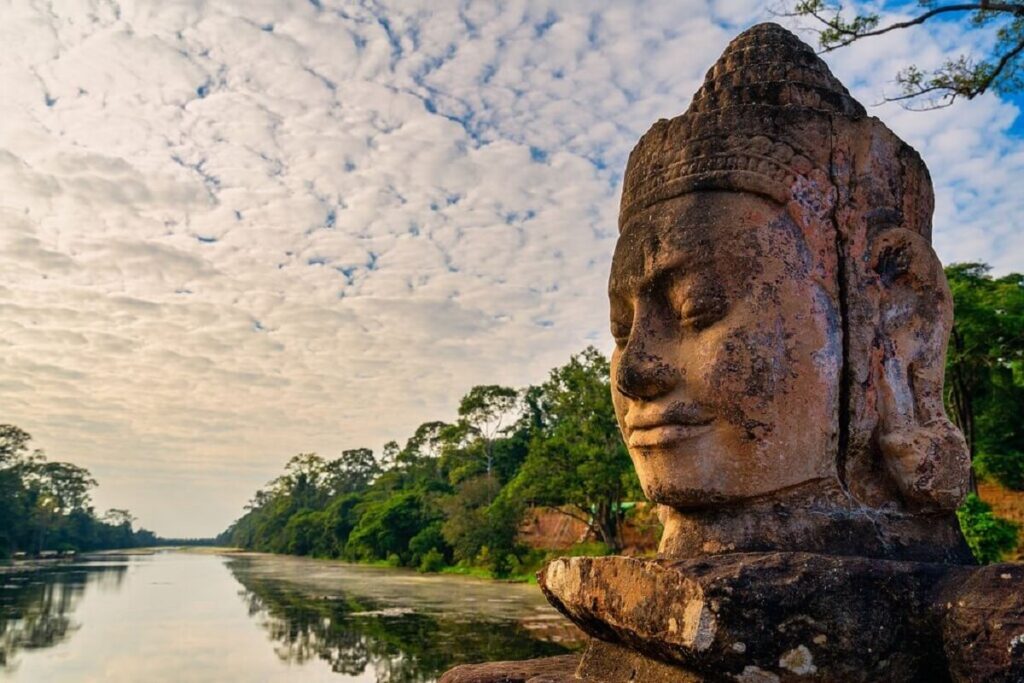
Cambodia is one of Southeast Asia’s most rewarding destinations. From the majestic temples of Angkor to remote countryside towns, it offers history, spirituality, and warm hospitality. September falls in the wet season, but this is not a drawback—it brings lush greenery, fewer tourists, and a calmer pace of travel.
In this guide, you’ll find detailed descriptions of the 12 best places to visit in Cambodia in September 2026, practical travel information, and itinerary suggestions to help you plan effectively.
Cambodia in September: Weather and Travel Conditions
- Temperature: 24–33 °C (warm but not scorching).
- Rainfall: Frequent but short tropical downpours, mostly in the afternoon.
- Crowds: Significantly fewer tourists than peak season (Nov–Feb).
- Scenery: Countryside, rice paddies, and forests look green and fresh.
- Festivals: Constitution Day (24 September) adds cultural flavor.
Travel Tips for September
- Carry a light raincoat and waterproof bags.
- Plan outdoor sightseeing early in the morning.
- Use midday rain as a chance to rest, enjoy coffee, or explore indoor sites.
- Transport services run normally; occasional delays possible in rural roads due to rain.
Cambodia Travel in September 2026 – 12 Top Places to Explore
1. Angkor Wat & the Angkor Archaeological Park
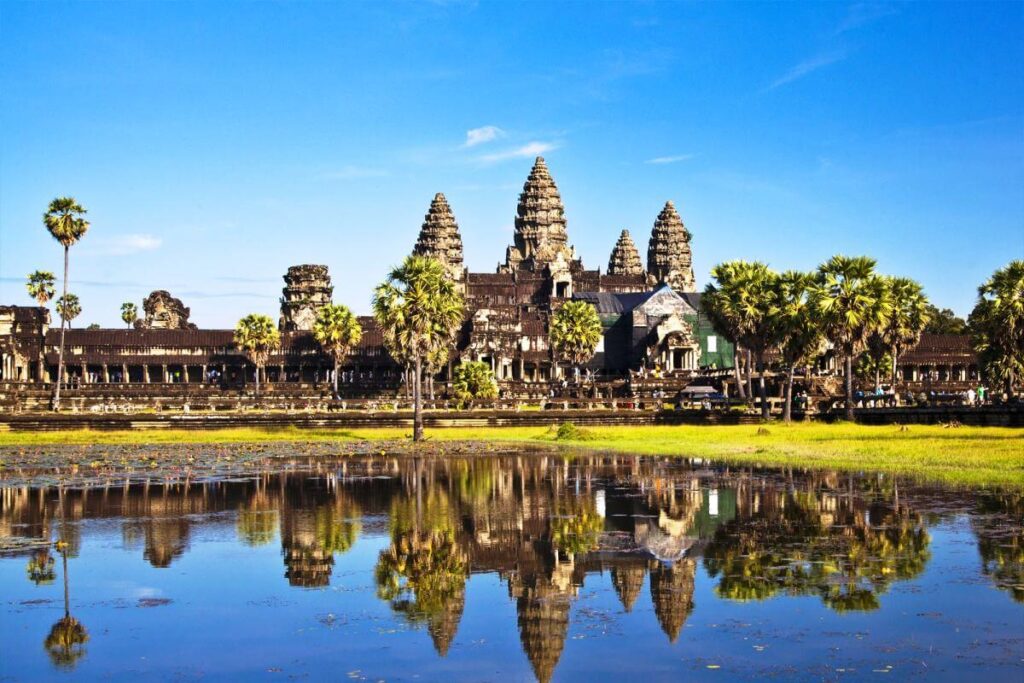
Angkor Wat, the pride of Cambodia, is the world’s largest temple complex and a UNESCO World Heritage site. In September, lush greenery surrounds the temples, and the crowds are much thinner, offering a calmer experience.
Early morning sunrises are magical, reflecting on the moat. You can explore Ta Prohm, Bayon, and Preah Khan nearby, each with its own character. Tuk-tuks and bikes make temple-hopping easy. Carry water and a light raincoat to enjoy this vast site without discomfort.
Why Visit in September
- Angkor Wat is the largest religious monument in the world. Its scale and artistry are breathtaking.
- September sees fewer tourists, so you can experience the sunrise or explore temple corridors without heavy crowds.
- Rain enhances the lush surroundings and adds reflections in the temple’s moat.
What to See
- Angkor Wat sunrise: The most iconic view of Cambodia.
- Ta Prohm: Jungle temple with massive trees growing over stone.
- Bayon: Known for its smiling stone faces.
- Preah Khan: Less crowded, with long galleries and intricate carvings.
Practical Information
- Ticket price: USD 37 (1 day), USD 62 (3 days), USD 72 (7 days).
- Transport: Tuk-tuks or bicycles are popular for temple hopping.
- Tip: Start at sunrise to avoid midday rain and heat.
2. Bayon Temple (Angkor Thom)
Bayon Temple is located at the heart of Angkor Thom, known for its 216 serene stone faces carved into 54 towers. In September, after rains, the carvings gleam and the atmosphere feels mystical.
Walking through its galleries, you’ll see detailed bas-reliefs showing ancient Khmer life and battles. Nearby, the Terrace of the Elephants and the Baphuon temple add more depth to your visit. It’s best to visit early in the day when the air is cooler and crowds are minimal.
Why Visit
- Famous for 54 towers, each with 4 giant faces.
- Rain cleanses the stone, making carvings appear vivid.
- Fewer visitors in September means you get better photo opportunities.
What to Do
- Walk around the galleries with bas-reliefs of daily Khmer life.
- Visit nearby Terrace of the Elephants and Baphuon Temple.
Practical Tips
- Best visited in the morning or after rain showers.
- Carry an umbrella for shaded walks; paths may be slippery.
3. Ta Prohm
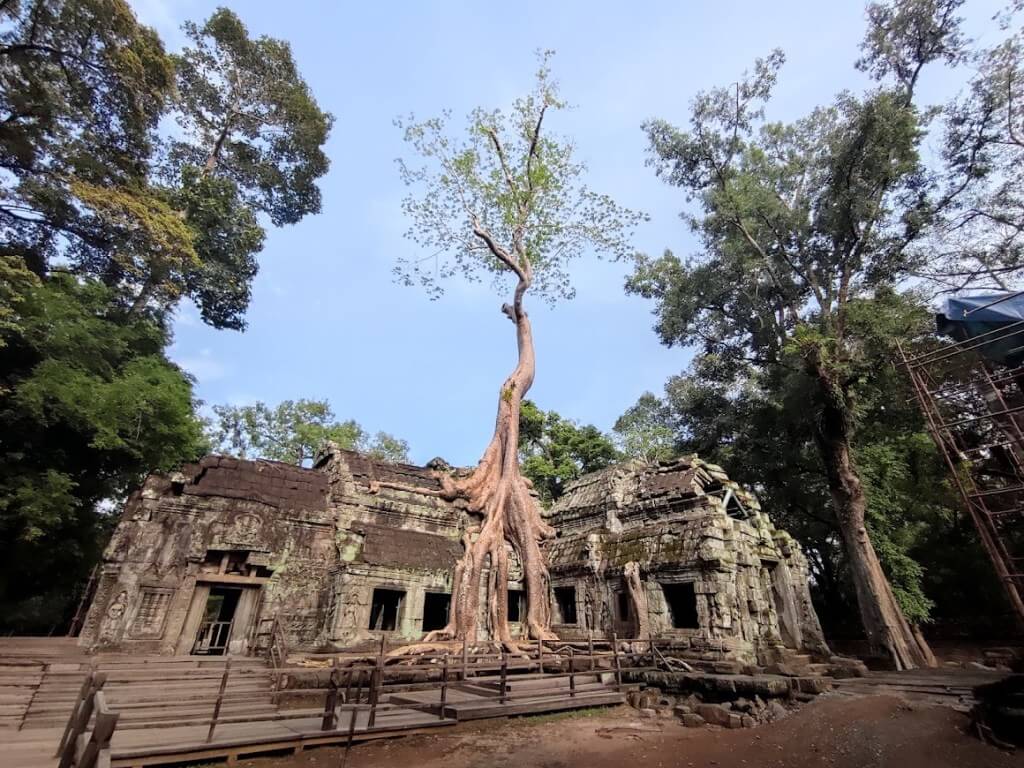
Ta Prohm is one of the most atmospheric temples in Cambodia, famous for trees growing through its crumbling walls. In September, when rains feed the jungle, the roots appear even more dramatic. Known from the “Tomb Raider” movie, it’s a favorite for photographers.
But beyond the famous corners, quieter courtyards and galleries reveal the balance of nature and architecture. Paths can be slippery, so wear proper shoes. The sound of rain falling on the canopy makes the visit unforgettable.
Why Visit
- Known as the “Tomb Raider Temple”, where giant roots embrace ancient walls.
- September’s rains make the jungle atmosphere more mystical.
What to Do
- Walk slowly to see the contrast of stone and nature.
- Explore less-visited corners beyond the main photo spots.
Tip
- Wear shoes with grip; paths get muddy after showers.
4. Banteay Chhmar (North-west Cambodia)
Banteay Chhmar is an off-the-beaten-track Angkor-era temple complex, about four hours from Siem Reap. It receives very few tourists, giving you the chance to explore peacefully. The temple is known for its face towers and intricate carvings depicting mythical stories and battles.
In September, rain refreshes the surrounding countryside, making the approach scenic with green rice fields. Community-run homestays near the site allow you to stay overnight, enjoy traditional meals, and support locals. It’s ideal for travelers seeking authenticity and solitude.
Why Visit
- Remote Angkor-era temple complex with stunning carvings and face towers.
- Almost no tourists; you can explore in solitude.
Experiences
- Stay in community-run homestays.
- See intricate carvings of battles and Buddhist deities.
Practical Tips
- Located about 4 hours from Siem Reap by car.
- Best for travelers seeking authentic, off-the-beaten-path experiences.
Recommended Cambodia Tour Packages:
- 4 Day Cambodia Tour – Explore Angkor Wat Temples
- Cambodia 7 Day Tour Package with Top Attractions
- Phnom Penh & Siem Reap Tour – 5 Days Itinerary
- 8 Day Cambodia Cultural & Temple Exploration
- 10 Day Cambodia Beach & Heritage Tour Package
5. Phnom Penh – Capital City
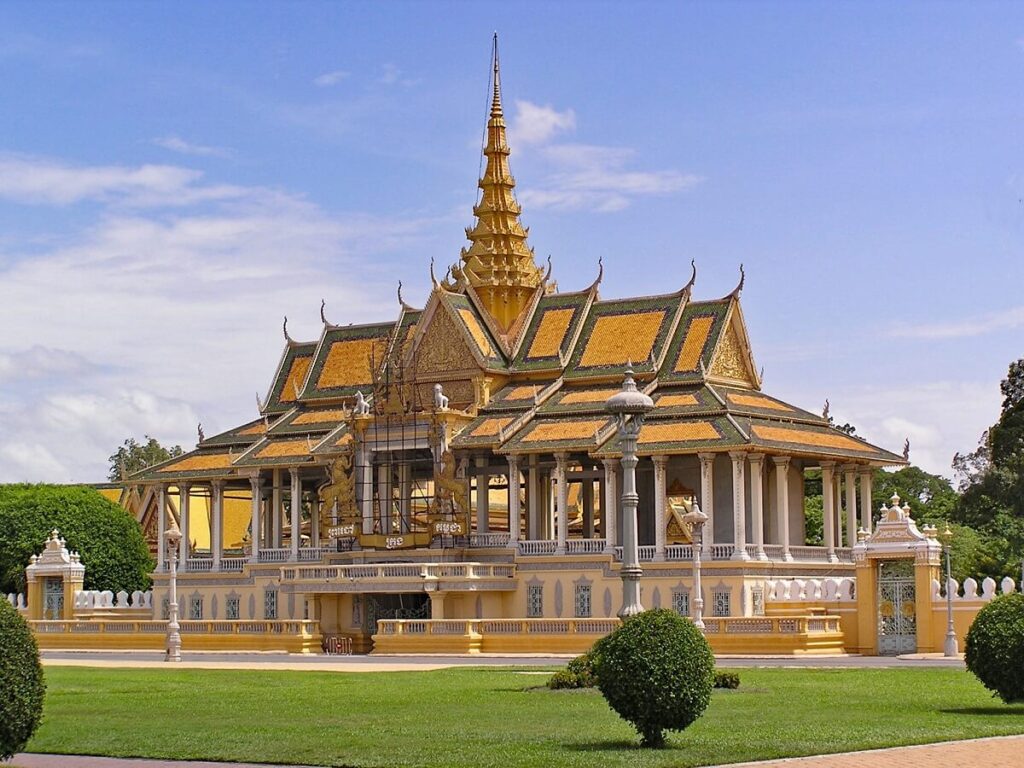
Phnom Penh is Cambodia’s lively capital, blending history and modernity. In September, rains cool the city, making walking more comfortable. The Royal Palace and Silver Pagoda showcase Khmer architecture and treasures, while museums like Tuol Sleng and Choeung Ek reveal Cambodia’s tragic past.
Local markets such as the Central Market and Russian Market offer handicrafts, food, and souvenirs. The riverside promenade is perfect for an evening stroll after a day of sightseeing. Tuk-tuks are cheap and reliable, even during light showers.
Why Visit in September
- The capital mixes history, culture, and modern Cambodian life.
- Rain keeps temperatures moderate; museums and palaces are easy indoor visits during showers.
What to See
- Royal Palace and Silver Pagoda: Golden roofs, silver-tiled floors, sacred treasures.
- Tuol Sleng Genocide Museum & Killing Fields: Important for understanding Khmer Rouge history.
- Central Market & Russian Market: Local shopping and food.
- Riverside promenade for evening walks.
Practical Tips
- Tuk-tuks are cheap and convenient.
- Rain comes in bursts—keep a light rain jacket.
6. Tonlé Sap Lake & Floating Villages
Tonlé Sap is Southeast Asia’s largest freshwater lake, and in September, it swells to its maximum size. Villages float on water, creating a unique way of life. A boat tour takes you past stilt houses, floating schools, and bustling river markets.
The flooded forests and wetlands also attract migratory birds, making it ideal for birdwatching. Villages like Kompong Khleang offer authentic glimpses into local culture, less touristic than others. Carry a waterproof bag for your camera to capture the incredible scenery.
Why Visit in September
- This is the peak flood season. Villages float on high waters, creating dramatic scenery.
- Birdwatching opportunities are excellent.
Top Villages
- Kompong Khleang: Less touristic, authentic community life.
- Chong Khneas: Easy access from Siem Reap.
Tips
- Boat tours run daily, though check conditions after heavy rains.
- Respect local culture; these are real homes, not tourist attractions.
7. Battambang
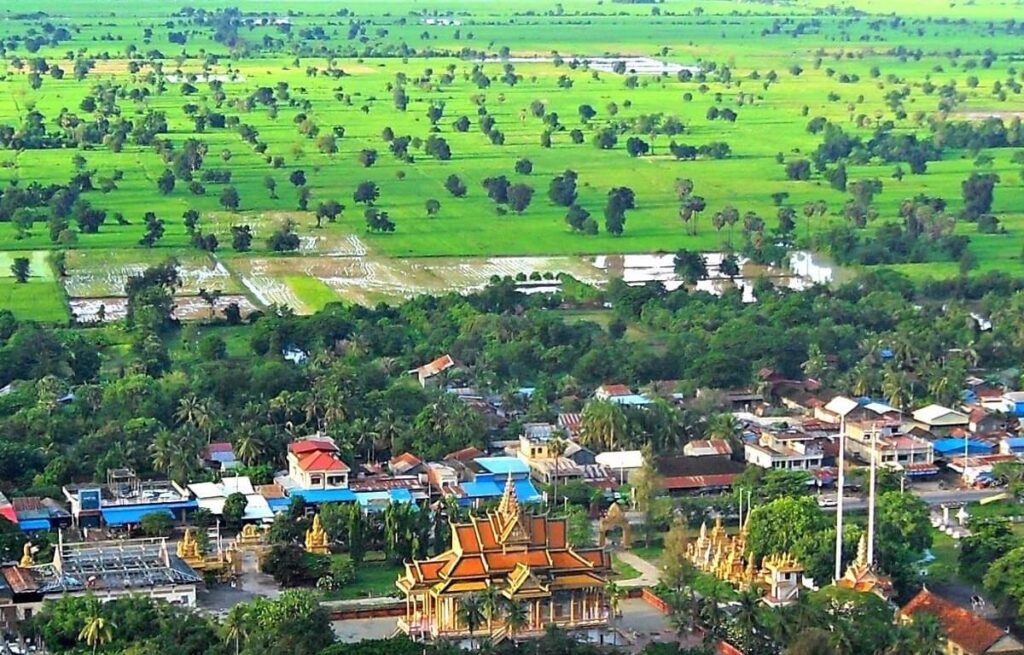
Battambang is Cambodia’s cultural hub, known for its colonial architecture and thriving arts scene. In September, its countryside looks stunning with rice paddies glowing in the rain. The famous bamboo train ride offers a fun rural experience, while the Phare Ponleu Selpak Circus highlights Cambodian talent through music, dance, and acrobatics.
At dusk, millions of bats fly out of Phnom Sampeau caves, an incredible natural spectacle. The town also has cozy riverside cafés and boutique hotels, making it a charming stop.
Why Visit
- Cambodia’s second-largest city with French colonial charm.
- Known for art, rural landscapes, and cultural shows.
Highlights
- Phare Ponleu Selpak Circus: Acclaimed Cambodian circus troupe.
- Bamboo Train: Unique ride on makeshift rail carts.
- Bat Caves at Phnom Sampeau: At dusk, millions of bats fly out.
Tips
- Stay in boutique hotels with river views.
- September rain makes the countryside scenic and rice fields bright green.
8. Kratie (Mekong River Town)
Kratie is a laid-back town on the Mekong River, best known for the rare Irrawaddy dolphins. September’s high water levels increase the chances of spotting them on boat trips. The town’s French colonial architecture and peaceful river sunsets add to the charm.
A must-do is cycling on Koh Trong island, where you pass through villages and farms, experiencing authentic Cambodian rural life. Less crowded than other destinations, Kratie is perfect for those who enjoy slow travel, nature, and community tourism.
Why Visit
- Quiet town famous for Irrawaddy dolphins in the Mekong.
- Lovely sunsets along the river.
Experiences
- Dolphin-watching boat trips.
- Cycle through Koh Trong island for a taste of rural life.
Practical Information
- 5–6 hours from Phnom Penh by bus.
- September waters are high, making dolphin spotting easier.
9. Kampot & Bokor Hill Station
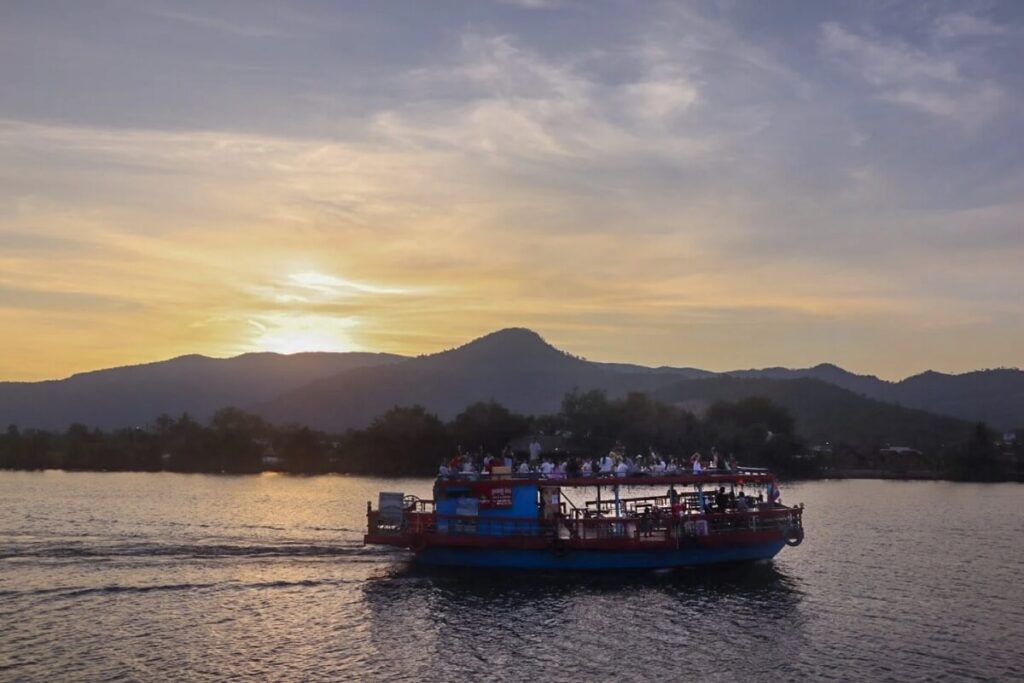
Kampot is a riverside town with a relaxed vibe, famous for its pepper plantations and colonial charm. In September, the surrounding countryside is lush and green. Take a sunset boat ride on the Kampot River or rent a scooter to explore the area.
Nearby Bokor Hill Station offers misty mountain views, abandoned French buildings, and waterfalls, all shrouded in an atmospheric fog after rains. Local cafés serve Kampot pepper crab, a must-try dish. The mix of history, food, and scenery makes this stop memorable.
Why Visit
- Kampot is a riverside town known for pepper farms, relaxed cafés, and French buildings.
- Bokor Hill Station (nearby) offers misty colonial ruins and sweeping views.
What to Do
- Take a river cruise at sunset.
- Visit pepper plantations.
- Explore Bokor Palace ruins in the clouds.
Tips
- September showers bring mist to Bokor, creating dramatic photography conditions.
- Rent a scooter for flexible exploration.
10. Sihanoukville & Koh Rong Islands
Sihanoukville is Cambodia’s main coastal city, gateway to the islands of Koh Rong and Koh Rong Samloem. September brings quieter beaches and affordable stays. While rain is common, the warm sea remains inviting for swimming and snorkeling.
Ferries to the islands run daily, though schedules may change during storms. Koh Rong offers lively nightlife and water sports, while Koh Rong Samloem is quieter, known for bioluminescent waters that glow at night. Carry motion sickness tablets if seas are rough. This region is best for relaxation.
Why Visit in September
- Quieter beaches compared to peak season.
- Rain is frequent but seas remain warm and swimmable.
What to Do
- Relax on Otres Beach.
- Take a ferry to Koh Rong or Koh Rong Samloem for snorkeling, diving, and night-time bioluminescence.
Tips
- Sea conditions may affect ferries; check before traveling.
- Best for travelers who prefer peace over parties.
11. Kirirom National Park
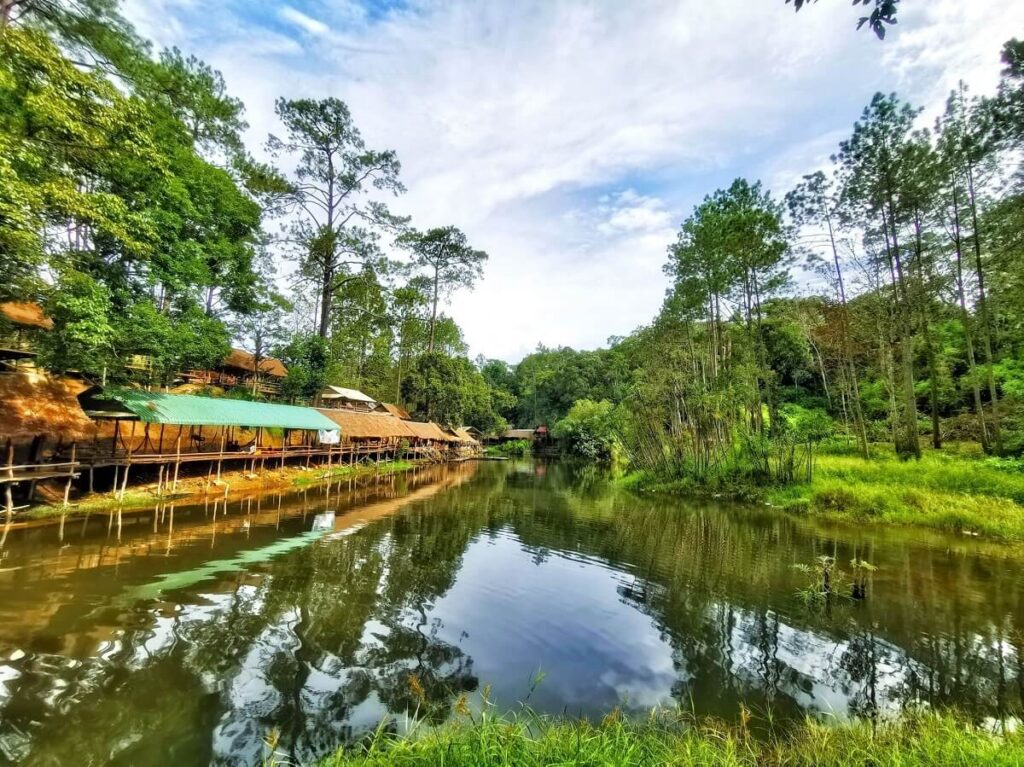
Kirirom National Park is located about three hours from Phnom Penh. Known as Cambodia’s pine forest region, it offers cool air, hiking trails, and cascading waterfalls. September enhances its greenery and water flow, making treks especially rewarding.
Visitors enjoy birdwatching, picnics by streams, and eco-lodge stays inside the park. Roads can be muddy, so a 4×4 or local driver is recommended. The park’s peaceful environment contrasts with Cambodia’s busier attractions, giving you a natural retreat within easy reach of the capital.
Why Visit
- Pine forests, waterfalls, and hiking trails within 3 hours of Phnom Penh.
- Cooler air compared to lowlands.
What to Do
- Trek to waterfalls like Chrey Thom.
- Try camping or eco-lodges.
Tips
- Roads may be muddy; use a local driver or 4×4.
- Bring insect repellent.
12. Kbal Spean (River of a Thousand Lingas)
Kbal Spean, located near Siem Reap, is a unique archaeological site where Hindu carvings decorate the riverbed. Known as the “River of a Thousand Lingas”, it features ancient depictions of gods and sacred symbols. September rains make the streams flow stronger, highlighting the stone carvings beneath clear waters.
Reaching the site requires a 1.5 km uphill jungle trek, which is manageable but slippery after rain, so good footwear is essential. Combine the visit with nearby temples for a full cultural and natural experience.
Why Visit
- Ancient carvings etched on a riverbed, deep in the forest near Siem Reap.
- September rain makes streams flow, highlighting carvings.
What to Do
- Short jungle trek (1.5 km uphill).
- See waterfalls and carvings of Hindu deities.
Tips
- Wear hiking shoes; paths get slippery.
- Visit with a guide to learn the spiritual meaning.
Cambodia Itinerary for September 2026:
- Days 1–4: Siem Reap (Angkor temples, Tonlé Sap, Kbal Spean)
- Days 5–6: Banteay Chhmar
- Days 7–8: Phnom Penh
- Days 9–10: Kratie
- Days 11–12: Battambang
- Days 13–14: Kampot & Bokor, Sihanoukville/Koh Rong
This 2-week plan balances temples, culture, cities, and relaxation.
Practical Travel Tips
- Visa: E-visa available online for most nationalities.
- Currency: Cambodian Riel (KHR) and USD are both accepted.
- Transport: Domestic flights, buses, and private taxis available. Tuk-tuks best for cities.
- Food: Must try fish amok, Khmer curry, and Kampot pepper crab.
- Health: Carry mosquito repellent; drink bottled water.
- Language: Khmer is official, but English widely spoken in tourist areas.
Why September is a Good Time
- Fewer crowds at Angkor and beaches.
- Lower hotel rates.
- Landscapes look their best.
- Opportunities to experience local life in rhythm with rain.
Conclusion
Traveling to Cambodia in September 2026 offers a refreshing way to experience the country. The rain brings cooler air, lush scenery, and fewer tourists, making each destination more personal. From ancient temples to floating villages, Cambodia’s diversity shines. With planning and flexibility, your trip will be rewarding, authentic, and unforgettable.
Explore More Reads:
- Cambodia Travel Guide for May 2026 – Where to Go
- Must-Try Indian Restaurants in Cambodia
- Best Cambodia Destinations to See in April
- Cambodia Tourism Guide – Best Time to Plan Your Trip
- Places to Explore in Cambodia in November
- Top Resorts in Cambodia for a Relaxing Stay
- Cambodia October 2026 – Best Tourist Spots
- Visit the Top Elephant Sanctuaries in Cambodia
- March Travel in Cambodia – Best Places and Activities
- December in Cambodia – Top Destinations to Visit
