
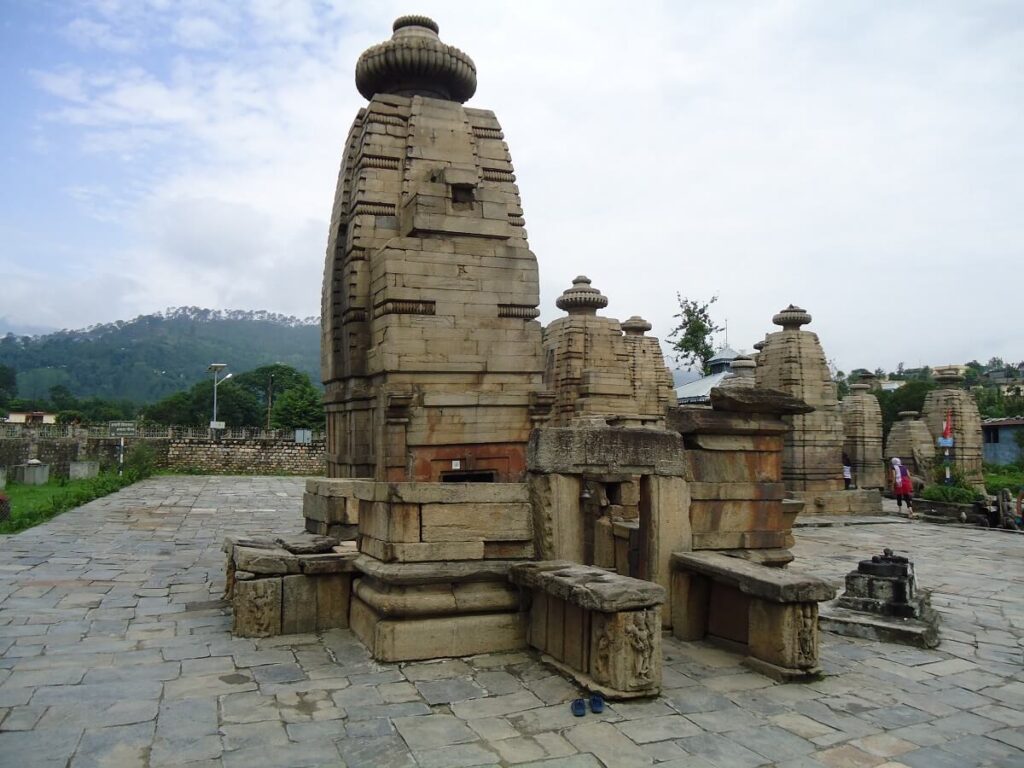
Hidden in the serene valleys of Uttarakhand lies a mystical destination where spirituality, history, and nature converge—the sacred Baijnath Temple. Located in the Bageshwar district, along the tranquil banks of the Gomati River, this ancient temple complex is not just a place of worship but also a significant cultural landmark that offers spiritual peace, architectural marvels, and a picturesque Himalayan backdrop. Whether you’re a pilgrim, history buff, or a traveler in search of offbeat experiences, Baijnath Temple is a must-visit gem in the Kumaon region.
In this comprehensive travel guide, we explore everything you need to know about Baijnath Temple in Uttarakhand, including its history, mythology, architecture, how to reach, best time to visit, nearby attractions, and practical travel tips.
1. Overview of Baijnath Temple
Baijnath Temple is a sacred Hindu shrine dedicated to Lord Shiva, located in the town of Baijnath in the Bageshwar district of Uttarakhand. Situated at an altitude of about 1,125 meters above sea level, the temple rests along the banks of the Gomati River, surrounded by the lush hills of Kumaon.
The temple is believed to date back to the 12th century and forms part of a complex of stone temples built in Nagara style, showcasing exquisite carvings and sculptural elegance. Unlike the popular Kedarnath Temple, which requires a high-altitude trek, Baijnath offers spiritual serenity without physical exertion, making it ideal for pilgrims of all ages.
2. Historical Background
The Baijnath Temple complex was constructed in 1150 AD by the Katyuri kings, who ruled the Kumaon region from the 7th to the 11th century. The Katyuris were great patrons of art, architecture, and religion, and their legacy is visible in several temples scattered across Uttarakhand.
Originally known as Vaidyanath (another name for Lord Shiva as the ‘Divine Physician’), the temple was a center of spiritual and cultural activities. The temple’s strategic location on ancient trade routes connecting Garhwal, Kumaon, and Nepal also made it an important stop for travelers, traders, and pilgrims.
3. Mythological Significance
Baijnath Temple is deeply rooted in Hindu mythology. It is believed that Lord Shiva and Goddess Parvati were married at this very spot. The temple is revered as one of the places where Lord Shiva resides in his healing form—Vaidyanath, the healer of all ailments.
Devotees believe that offering prayers at Baijnath Temple can relieve physical and mental sufferings. This divine healing aspect makes it a popular pilgrimage site, especially for those seeking blessings for health and well-being.
4. Architectural Features
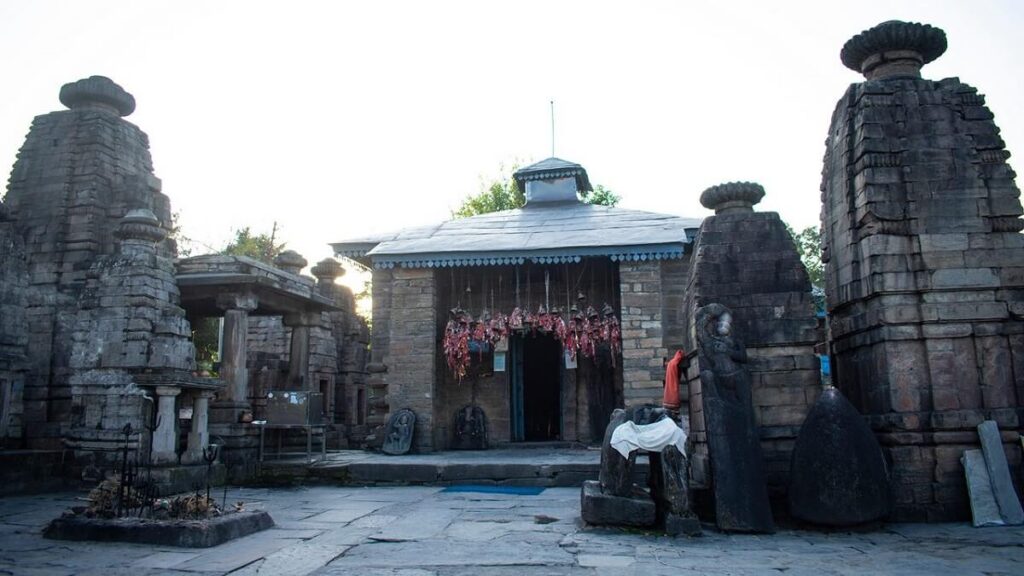
The Baijnath Temple complex is a masterpiece of medieval North Indian architecture. It follows the Nagara style, characterized by curvilinear towers (shikharas), intricate carvings, and a central sanctum (garbhagriha) housing the Shiva Linga.
Highlights include:
- Stone Carvings: The walls and doorways are adorned with finely carved figures of deities, floral patterns, and mythological motifs.
- Main Shrine: The sanctum houses a black stone Shiva Linga, believed to be self-manifested (swayambhu).
- Mandapa (Hall): The hall preceding the sanctum is supported by intricately carved pillars.
- Riverbank Setting: The complex faces the Gomati River, enhancing its scenic and spiritual aura.
5. Baijnath Temple Complex: Temples Within
The temple complex comprises several smaller shrines surrounding the main Shiva temple. Some notable ones include:
- Kedareshwar Temple: Dedicated to Lord Shiva in another form.
- Lakshmi-Narayan Temple: Honoring Vishnu and his consort Lakshmi.
- Brahmani Devi Temple: A powerful feminine deity associated with local beliefs.
- Chandika Temple: Dedicated to Goddess Chandika, a form of Durga.
Each shrine adds to the spiritual energy of the complex and reflects the syncretic religious culture of the Katyuri era.
6. How to Reach Baijnath Temple, Uttarakhand
By Air:
The nearest airport is Pantnagar Airport (around 190 km away). From there, you can hire a taxi or take a bus to Baijnath via Almora or Bageshwar.
By Train:
Kathgodam Railway Station (about 160 km away) is the nearest railhead. From Kathgodam, you can hire a private cab or take local transport to Baijnath.
By Road:
Baijnath is well-connected by road to major towns of Uttarakhand such as Almora (70 km), Kausani (16 km), and Bageshwar (25 km). State-run buses and shared taxis are readily available.
7. Best Time to Visit Baijnath
The temple is accessible year-round, but the best time to visit is between:
- March to June: Pleasant weather with clear skies. Ideal for sightseeing and photography.
- September to November: Post-monsoon freshness and festive season vibes.
- Avoid July–August: Monsoon rains can cause landslides in the region.
- Winter (December–February): Cold but peaceful, with minimal crowds.
8. Things to Do in and Around Baijnath
Besides exploring the temple complex, here are other things to do:
- Riverfront Meditation: Sit by the Gomati River for spiritual reflection.
- Trekking: Enjoy short hikes to nearby villages and viewpoints.
- Photography: Capture the beauty of temple carvings and Himalayan views.
- Local Cuisine: Taste traditional Kumaoni dishes at local eateries.
- Shopping: Pick up hand-woven woolens and local herbs from markets.
9. Top Nearby Attractions:
Here are some places near Baijnath that you shouldn’t miss:
(i) Kausani (16 km)
Known as the ‘Switzerland of India’, this hill station offers panoramic Himalayan views, tea gardens, and Gandhi Ashram.
(ii) Bageshwar (25 km)
A town of mythological importance, Bageshwar is home to the Baghnath Temple and the confluence of Saryu and Gomati rivers.
(iii) Garur (3 km)
A small town with scenic fields and a good stop for refreshments en route to Baijnath.
(iv) Binsar Wildlife Sanctuary (80 km)
Ideal for nature lovers, this sanctuary offers trekking and wildlife photography opportunities.
10. Where to Stay Near Baijnath Temple
Accommodation near Baijnath ranges from budget guesthouses to comfortable mid-range hotels in nearby towns like Kausani and Bageshwar.
Options include:
- KMVN Tourist Rest House, Baijnath
- Heritage Resort, Kausani
- Chevron Mountain Villa, Kausani
- Hotel Siddharth, Bageshwar
It is advisable to book in advance during the tourist season (March–June and September–November).
11. Travel Itinerary Suggestion (3-Day Plan)
Day 1: Arrival and Local Sightseeing
- Reach Baijnath from Kathgodam or Pantnagar
- Visit Baijnath Temple complex
- Sunset by the Gomati River
Day 2: Explore Nearby
- Drive to Kausani
- Visit Anasakti Ashram, Tea Garden, and Rudradhari Falls
- Stay overnight in Kausani
Day 3: Cultural Exploration
- Visit Bageshwar and Baghnath Temple
- Shop for local handicrafts
- Return to base destination or continue exploring Kumaon
12. Local Festivals Celebrated at Baijnath
Baijnath Temple becomes a hub of cultural and spiritual activity during these festivals:
- Shivratri (Feb–March): Celebrated with grand rituals, music, and night vigils.
- Makar Sankranti: Devotees take holy dips in the river and perform rituals.
- Baikunth Chaturdashi: Night worship of Lord Vishnu and Shiva.
Participating in local festivities offers a deeper connection to the temple’s spiritual essence.
13. Travel Tips for Baijnath Temple Visitors
- Footwear: Remove shoes before entering temple premises.
- Clothing: Dress modestly; carry warm clothes if visiting in winter.
- Photography: Allowed, but avoid using flash inside sanctum.
- Donations: Small offerings are appreciated, but not compulsory.
- Guides: Local guides are available for historical context.
- Connectivity: Mobile signals are weak; download offline maps.
- Respect Local Beliefs: Maintain decorum during rituals.
14. Photography and Spiritual Vibes
Baijnath Temple is a paradise for photographers and spiritual seekers alike. Capture:
- Golden Sunrise over the Temple
- Carvings in the Stone Walls
- Reflection in Gomati River
- Festive Celebrations
- Villagers offering prayers
The spiritual energy and silence of the temple can be deeply meditative.
15. Sustainable and Responsible Tourism
While visiting Baijnath:
- Avoid plastic and dispose of waste responsibly.
- Respect temple sanctity and local traditions.
- Support local artisans by purchasing handmade goods.
- Travel in shared vehicles to reduce your carbon footprint.
- Stay in eco-friendly lodges or homestays.
Conclusion
Baijnath Temple in Uttarakhand is more than just an ancient Shiva shrine—it’s a timeless expression of devotion, artistry, and tranquility. Tucked away in the Kumaon Himalayas, it invites you to step into an era of divine legacy and natural grace. Whether you’re a spiritual traveler or a curious explorer, a visit to Baijnath Temple will leave you with unforgettable memories and a sense of inner peace.
Make sure to include this hidden treasure in your Uttarakhand itinerary and experience its spiritual soul firsthand.
Explore More Reads:
- Places to See Uttarakhand in August 2026
- Best Time to Visit in Uttarakhand
- Dhari Devi Temple Srinagar: Complete Guide
- Patal Bhuvaneshwar Cave Temple, Gangolihat
- Uttarakhand Places to See in February 2026
- Places in Uttarakhand to Visit in January 2026
- Uttarakhand Destinations to See in November 2026
- Places to Visit in Uttarakhand in September 2026
- Uttarakhand Travel in October for Best Places
- Trip to Uttarakhand Famous Places in December
More Articles to Explore:
- Temples in Kasaragod
- Mysore Temples
- Baijnath Temple, Kangra
- Temples in Bekal
- Durga Temple, Varanasi
- Temples in Udupi
- Lansdowne Temples
- Bhimakali Temple in Sarahan
- Temples in Hospet
- Jageshwar Dham Temples, Almora
- Temples in Kolhapur
- Nearby Nainital Temples
- Mahakaleshwar Temple, Ujjain
- Temples in Udaipur
- Kollam Temples
- Temples in Pattadakal
- Alwar Popular Temples
- Hotels near Tirupati Balaji Temple
- Sri Ranganatha Swamy Temple, Srirangam
- ISKCON Sri Radha Krishna Temple, Bangalore
